https://arab.news/z5383
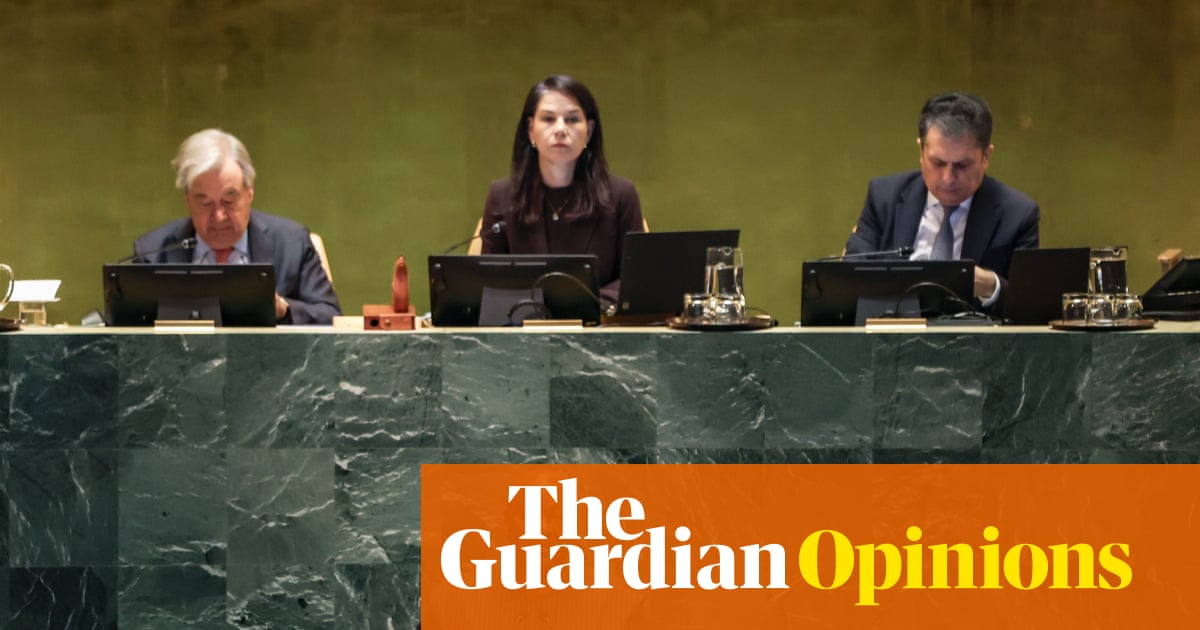
On March 25, the UN General Assembly Hall erupted in applause. By a margin of 123 to three, the world body adopted a resolution declaring the transatlantic slave trade the gravest crime against humanity and, most significantly, calling for reparations. For the African Union, which has designated 2026–2036 as the “decade of reparations,” this was the diplomatic equivalent of a moon landing, a vindication of history that has been centuries in the making.
But in 2026, this is a case of strategic misalignment. It was the right step. It is also, regrettably, on entirely the wrong foot.
To believe that this resolution will translate into a single dollar of compensation for the descendants of the enslaved is to fundamentally misunderstand the current state of the UN, the geopolitical fracture of the 2020s, and the difference between moral victories and political realities. By tethering the reparations fight to a paralyzed UN, African diplomats have won a debate in a burning building.
The first and most pragmatic problem is that the venue for this historic demand is itself facing insolvency. While the General Assembly was debating historical debts, the UN Secretariat was frantically trying to keep the lights on. The organization is currently navigating a race to bankruptcy, as Secretary-General Antonio Guterres warned late last year. The 2026 regular budget has been slashed to about $3.2 billion, resulting in nearly 19 percent cuts in staffing. Moreover, major contributors are either in arrears or increasingly selective in their commitments. This is not a body positioned to administer what would be the largest financial transfer in modern history.