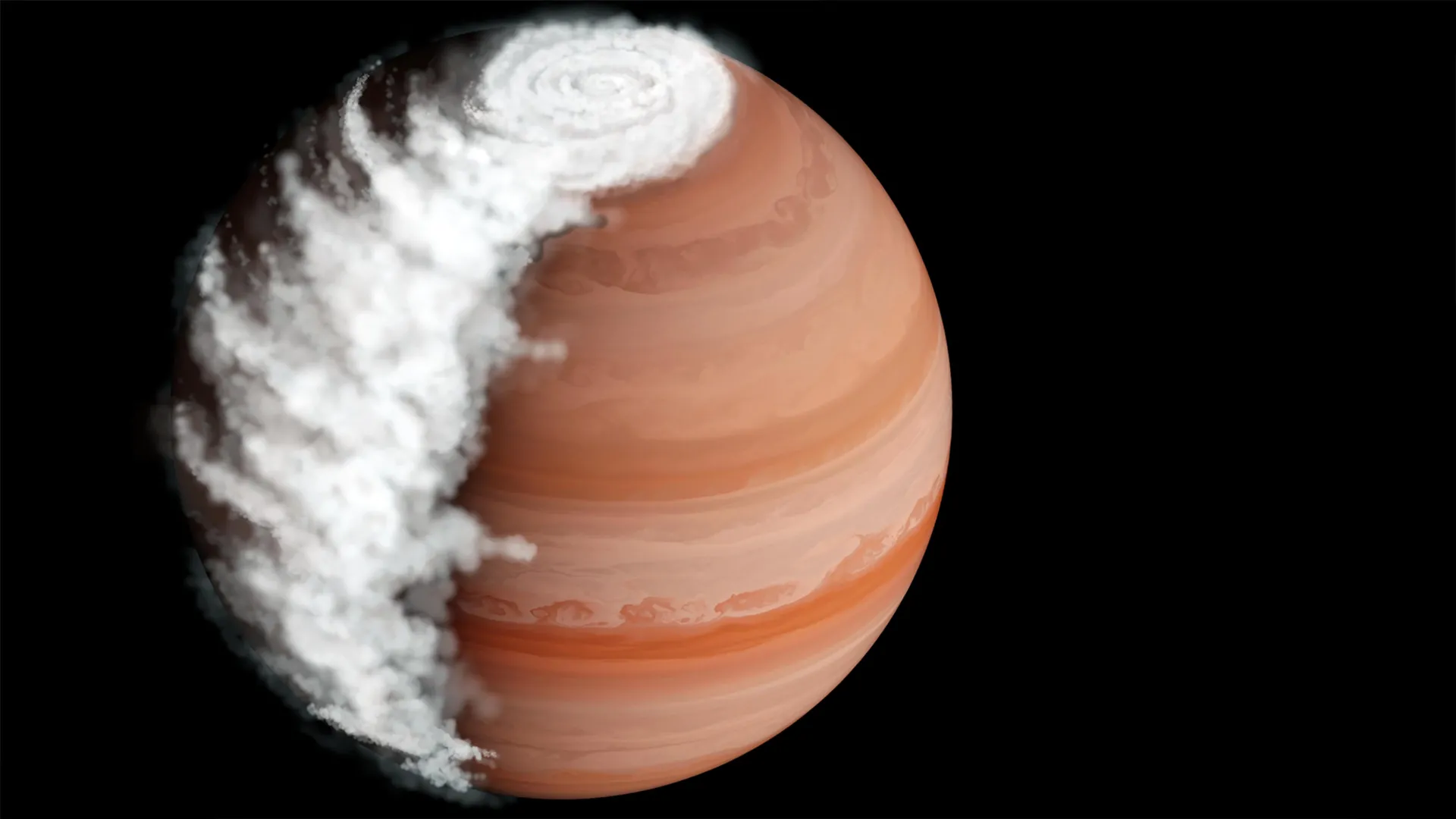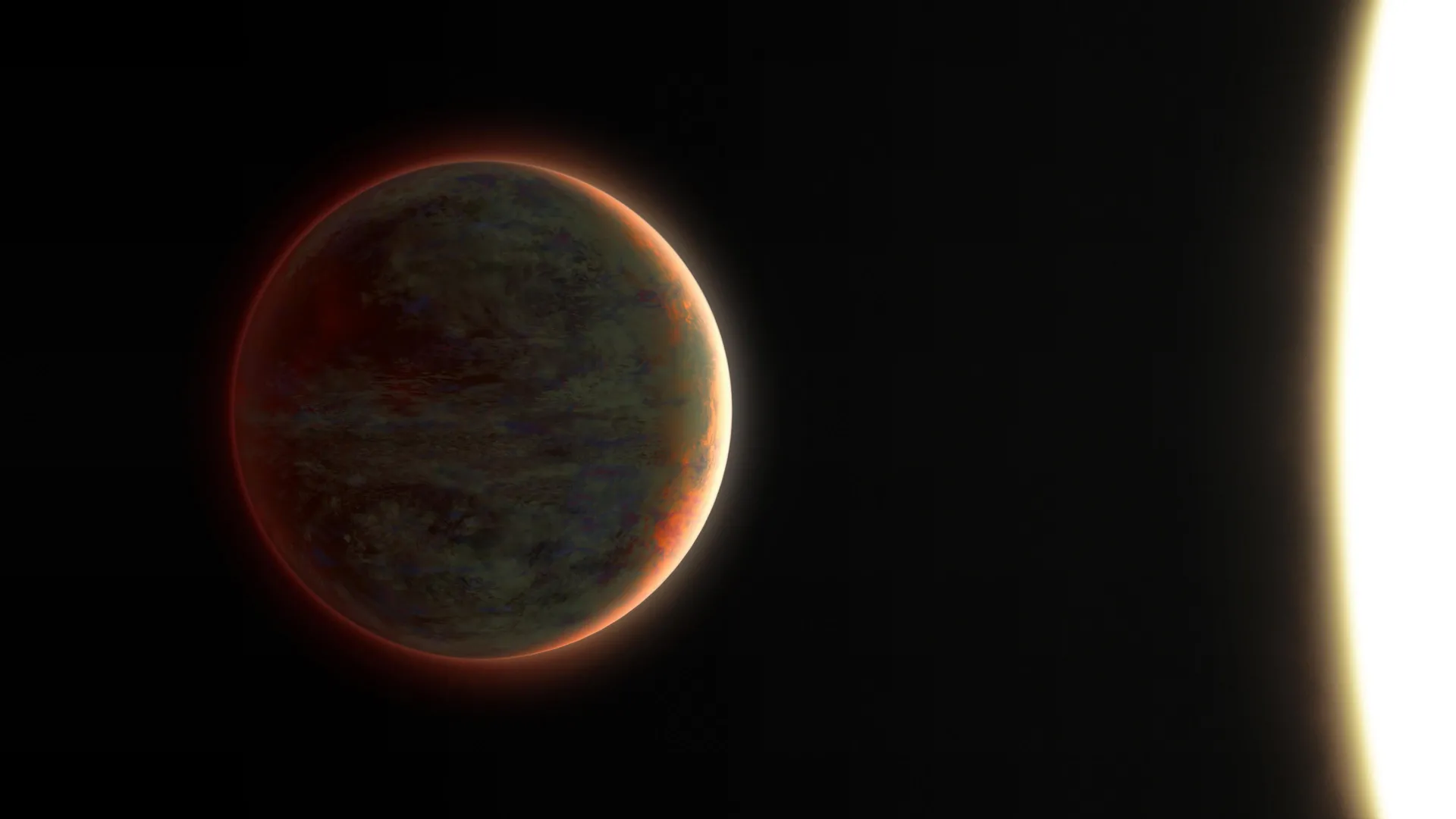
Astronomers using the James Webb Space Telescope (JWST) have uncovered striking differences between the dawn and dusk regions of the ultra-hot exoplanet WASP-121 b. These boundary zones, known as terminators, mark the transition between the planet's permanent day side and permanent night side. The findings provide the clearest evidence yet that the two regions have different temperatures and atmospheric compositions, confirming predictions that had previously existed only in theoretical models.
The discovery comes from measurements of infrared starlight passing through the planet's atmosphere as WASP-121 b crossed in front of its host star. By examining how the atmosphere filtered that light during the transit, researchers found an uneven pattern of absorption.
According to the team, the asymmetry is best explained by differences in temperature and chemistry between the morning and evening sides of the planet.
"With its unprecedented observational quality, JWST gives us the most detailed glimpses into distant planets to date: By measuring how star light absorption changes as WASP-121 b rotates, we probe its atmosphere longitude by longitude," said Cyril Gapp, MPIA
The observations show that the evening terminator absorbs more light than the morning terminator. This matches current ideas about powerful atmospheric winds that transport heat from the intensely hot day side toward the cooler night side. Because those winds move eastward in the direction of the planet's rotation, they heat the evening region more strongly.