view more
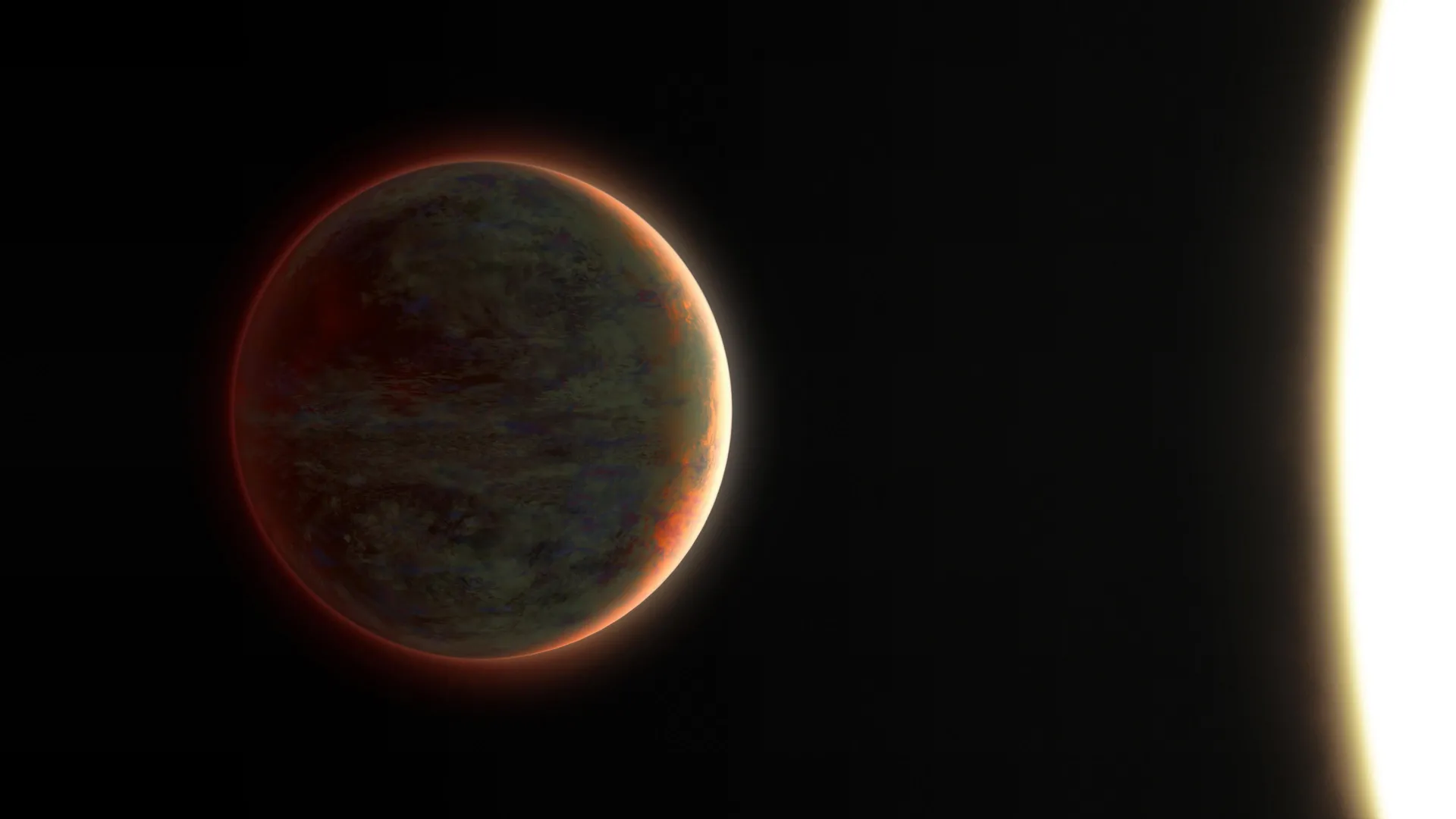
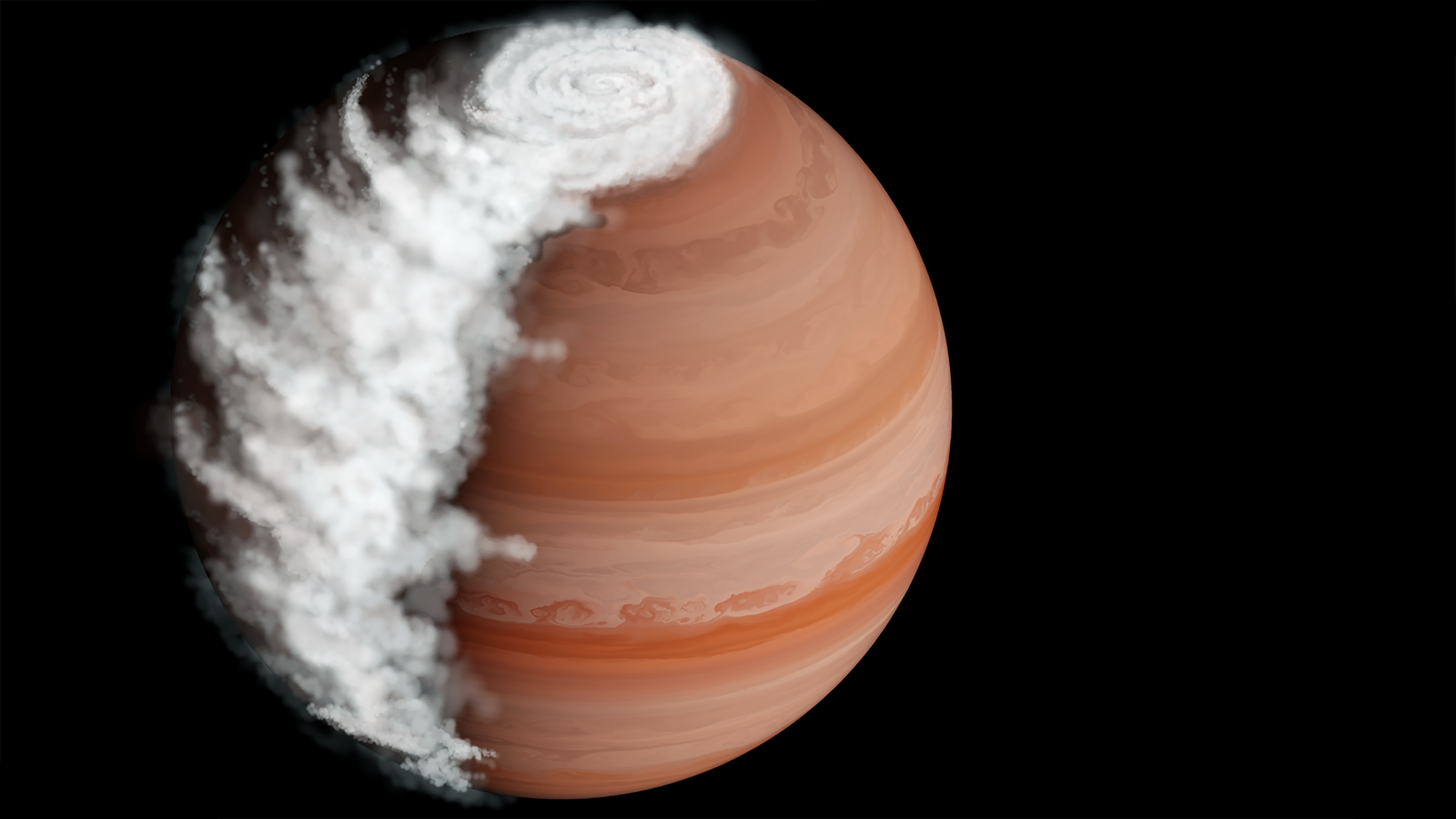
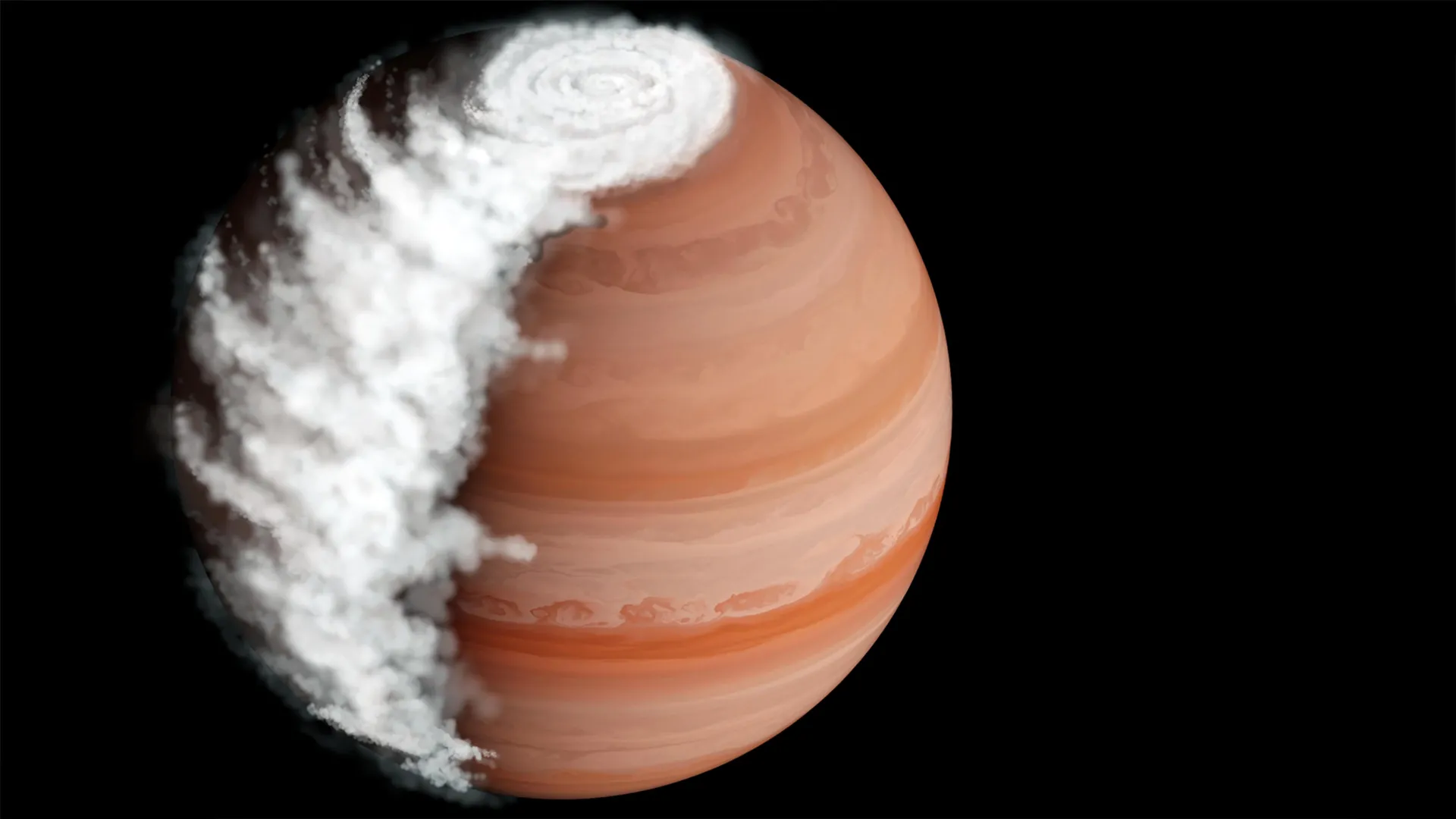
Astronomers have revealed distinct differences in atmospheric conditions between the morning and evening transition zones of the ultra-hot gas planet WASP-121 b, which separate day from night, commonly called terminators. This achievement was only possible due to the unmatched sensitivity of the James Webb Space Telescope (JWST). Led by Cyril Gapp, a PhD student at the Max Planck Institute for Astronomy (MPIA) in Heidelberg, Germany, a team of researchers detected this phenomenon, which had previously been predicted by theoretical computations.
Confirmation of variations between dusk and dawn
The discovery corresponds to an asymmetry in the absorption of infrared light received from the host star, which is partially filtered through the planet’s atmosphere during its transit. The researchers interpret this as the result of non-uniform temperatures and chemical compositions in the exoplanet’s atmosphere.
“With its unprecedented observational quality, JWST gives us the most detailed glimpses into distant planets to date: By measuring how star light absorption changes as WASP-121 b rotates, we probe its atmosphere longitude by longitude.” – Cyril Gapp, MPIA