view more
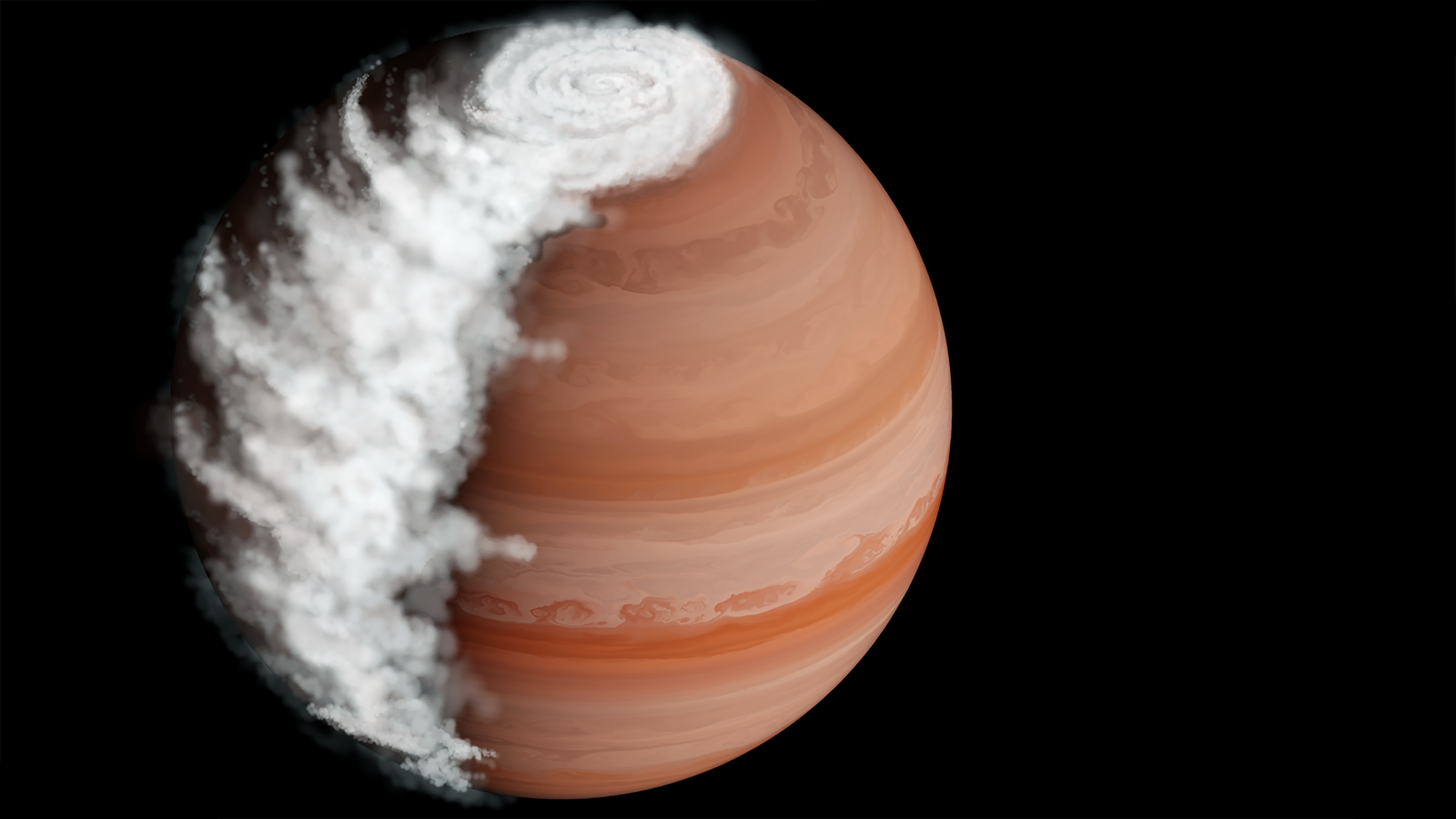
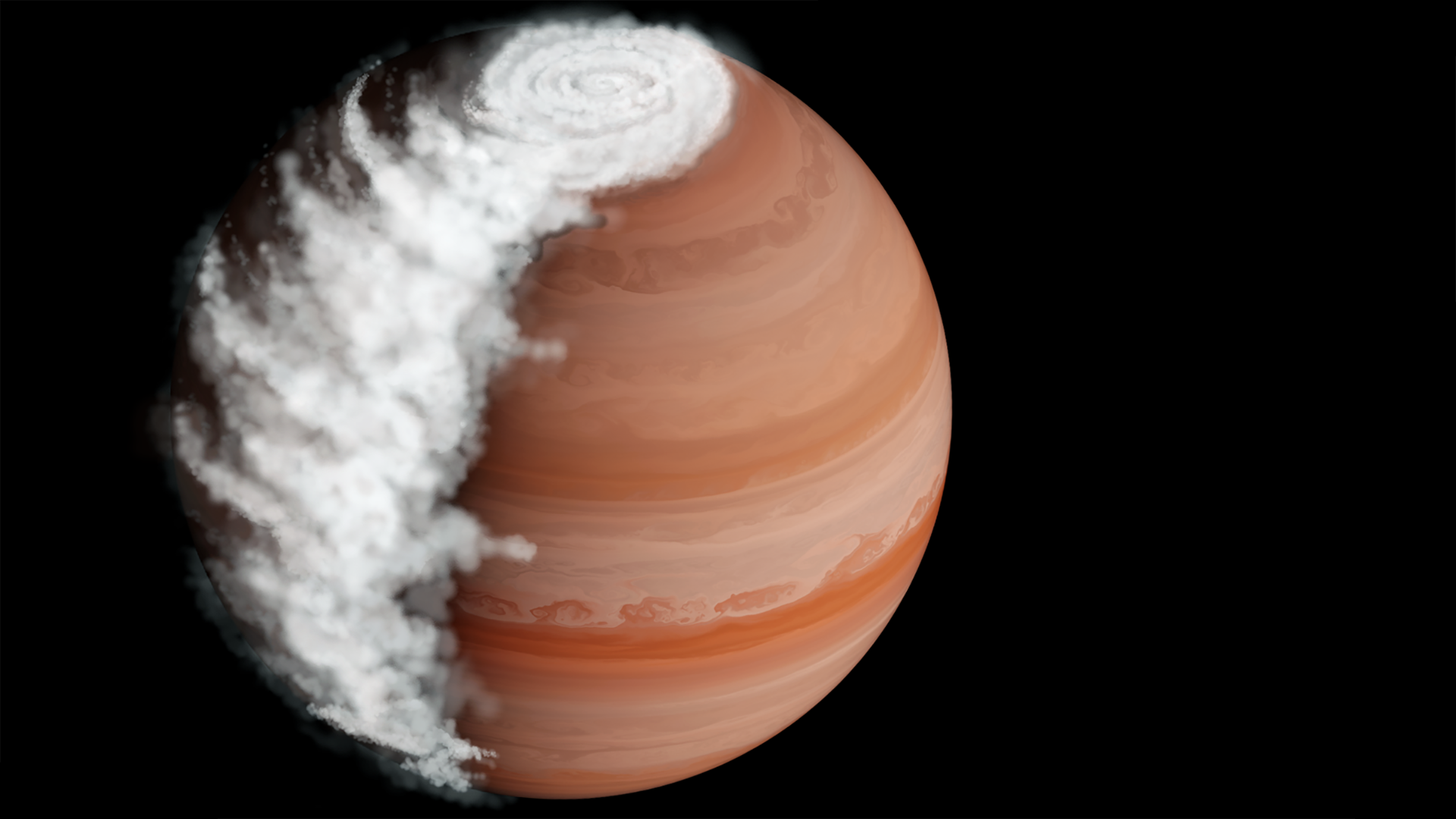
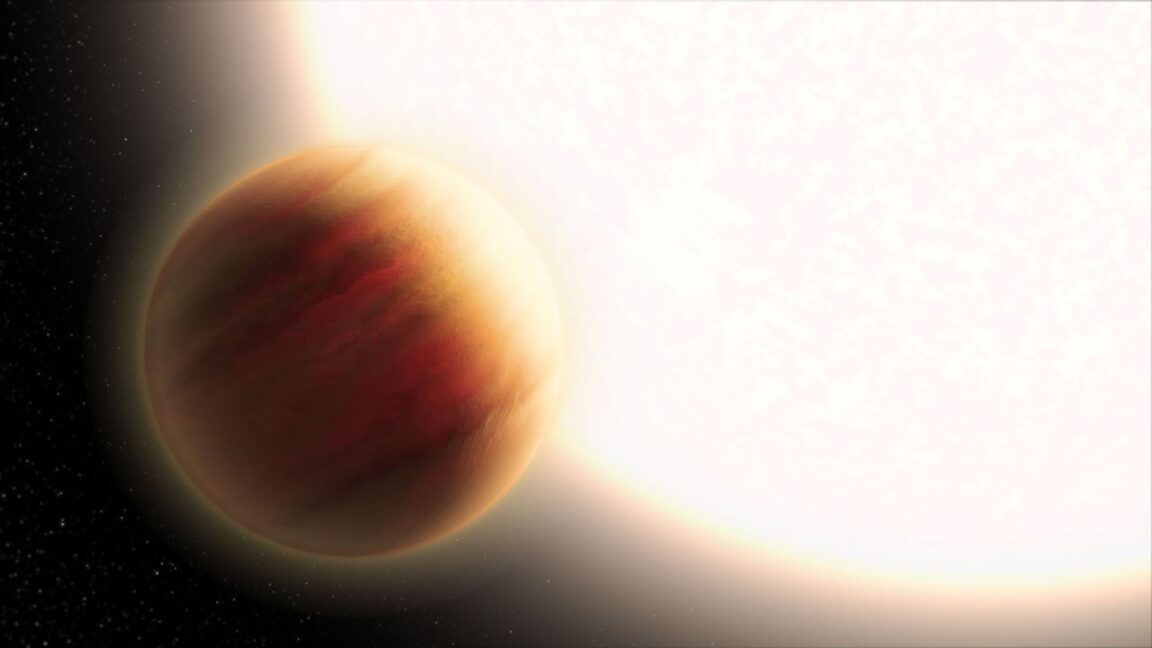
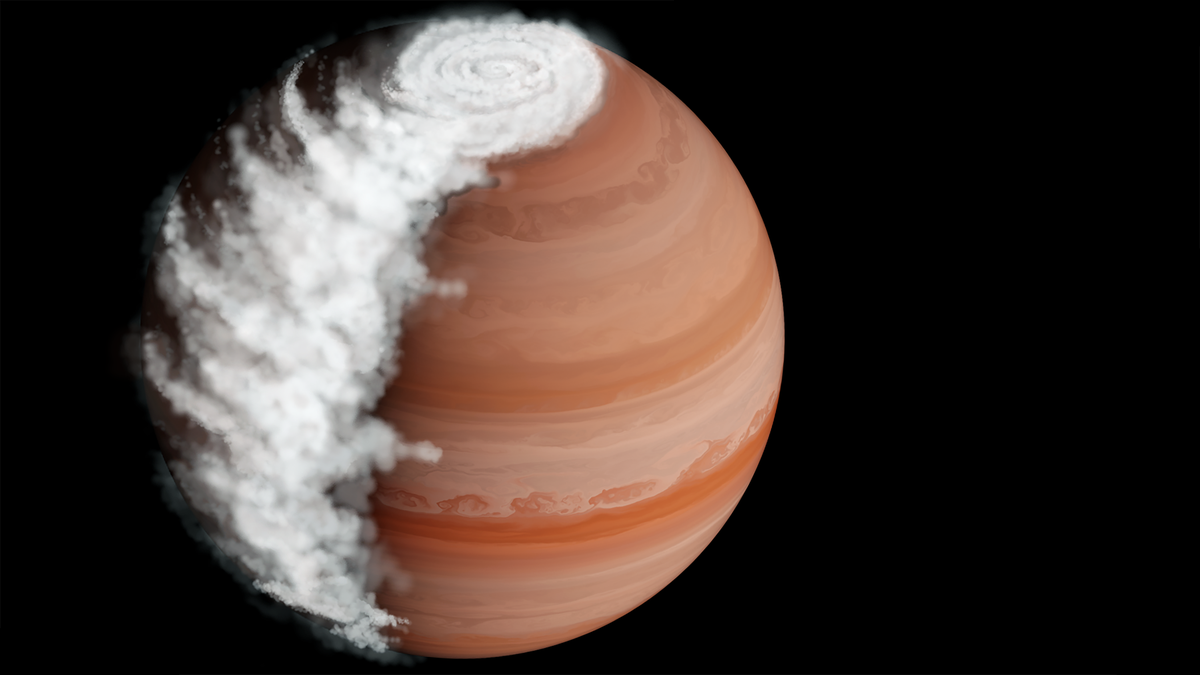
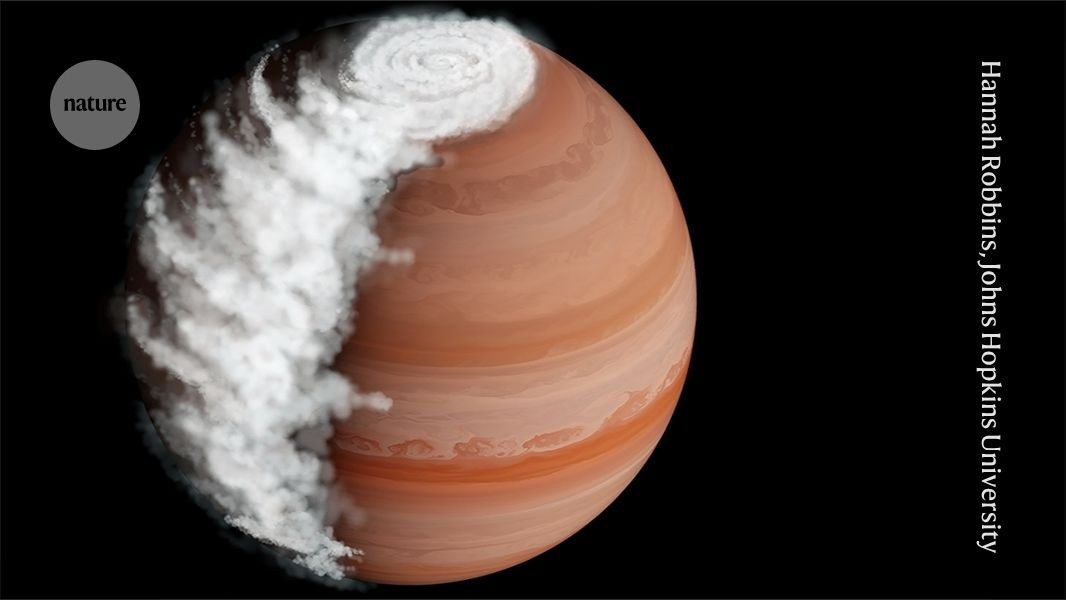
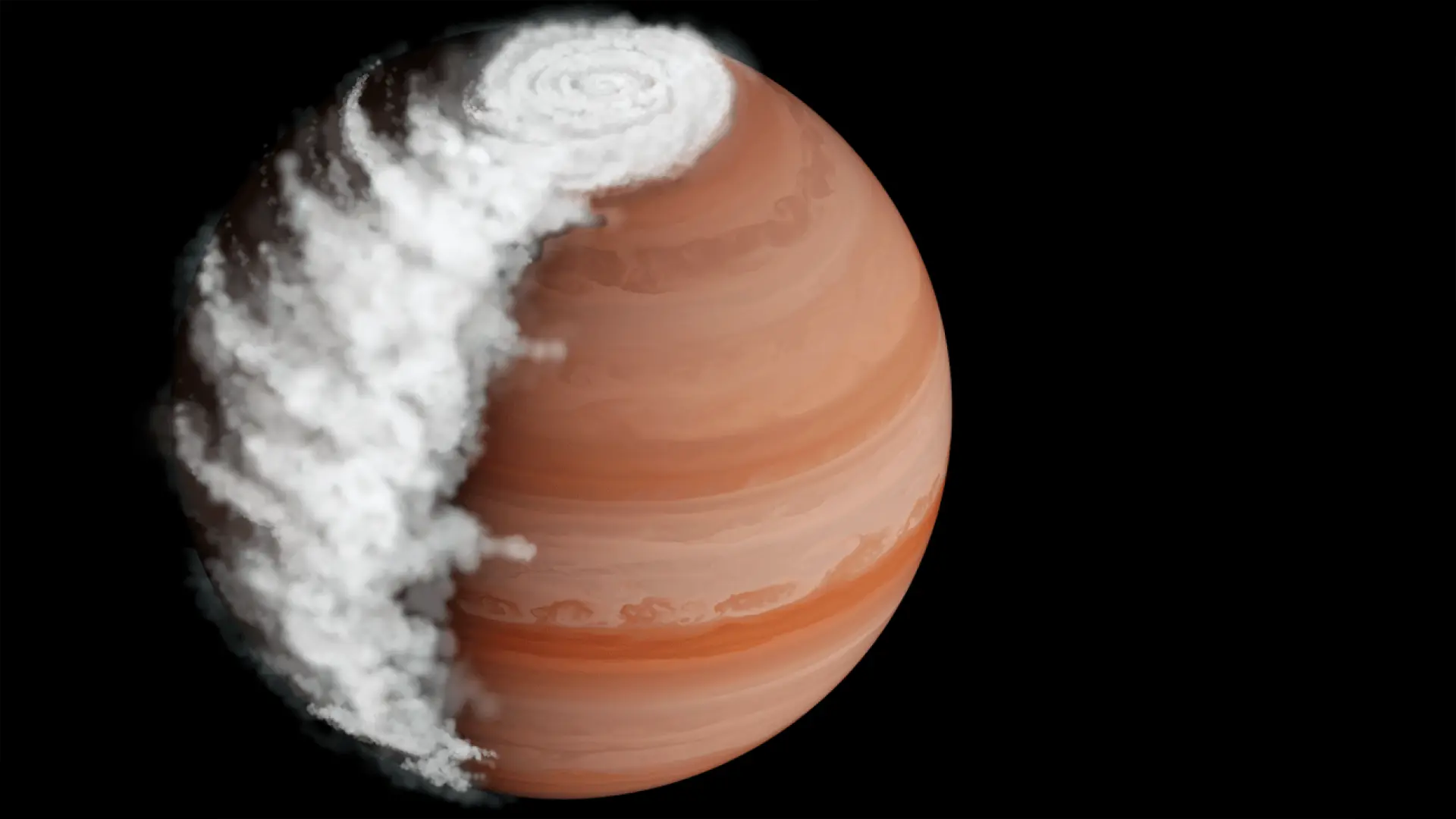
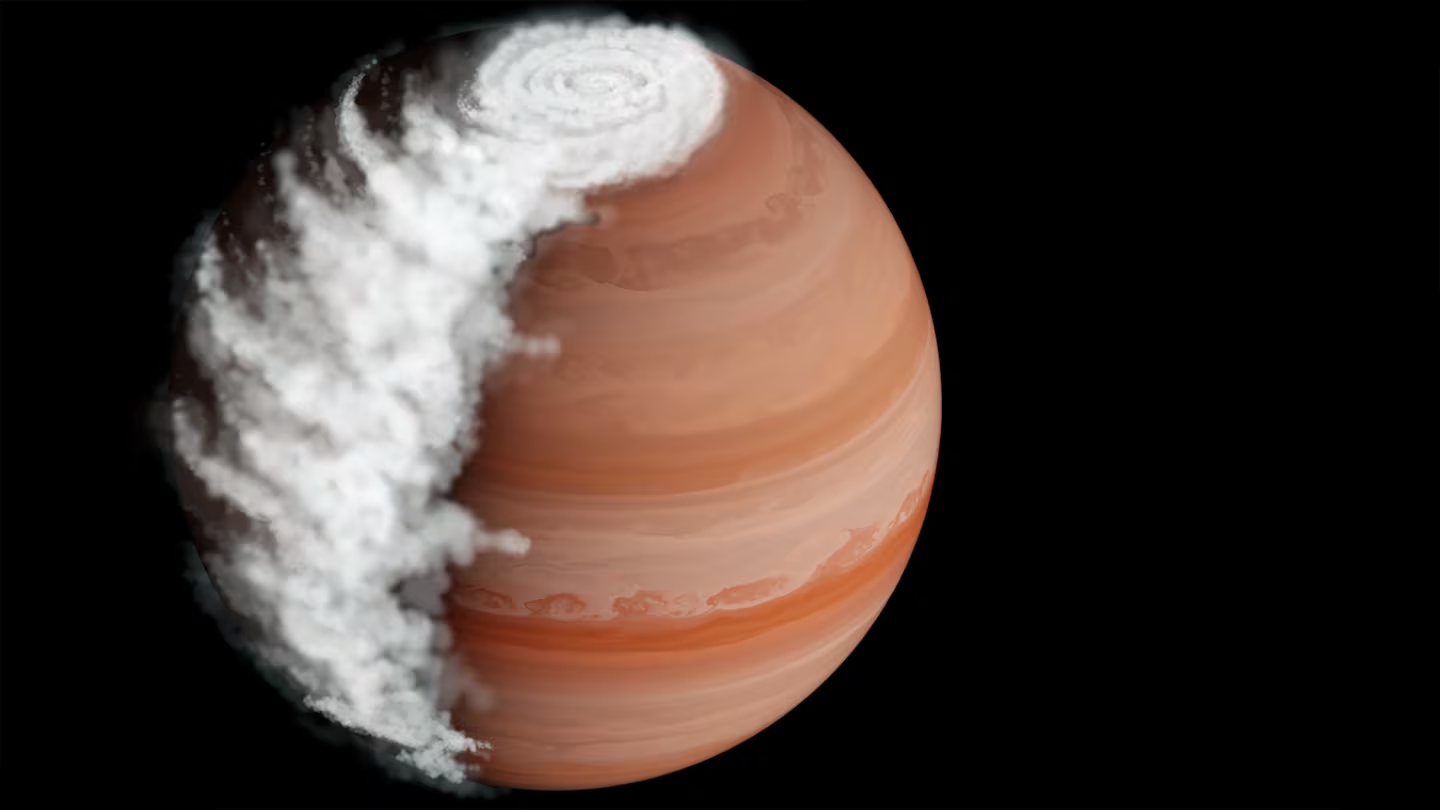
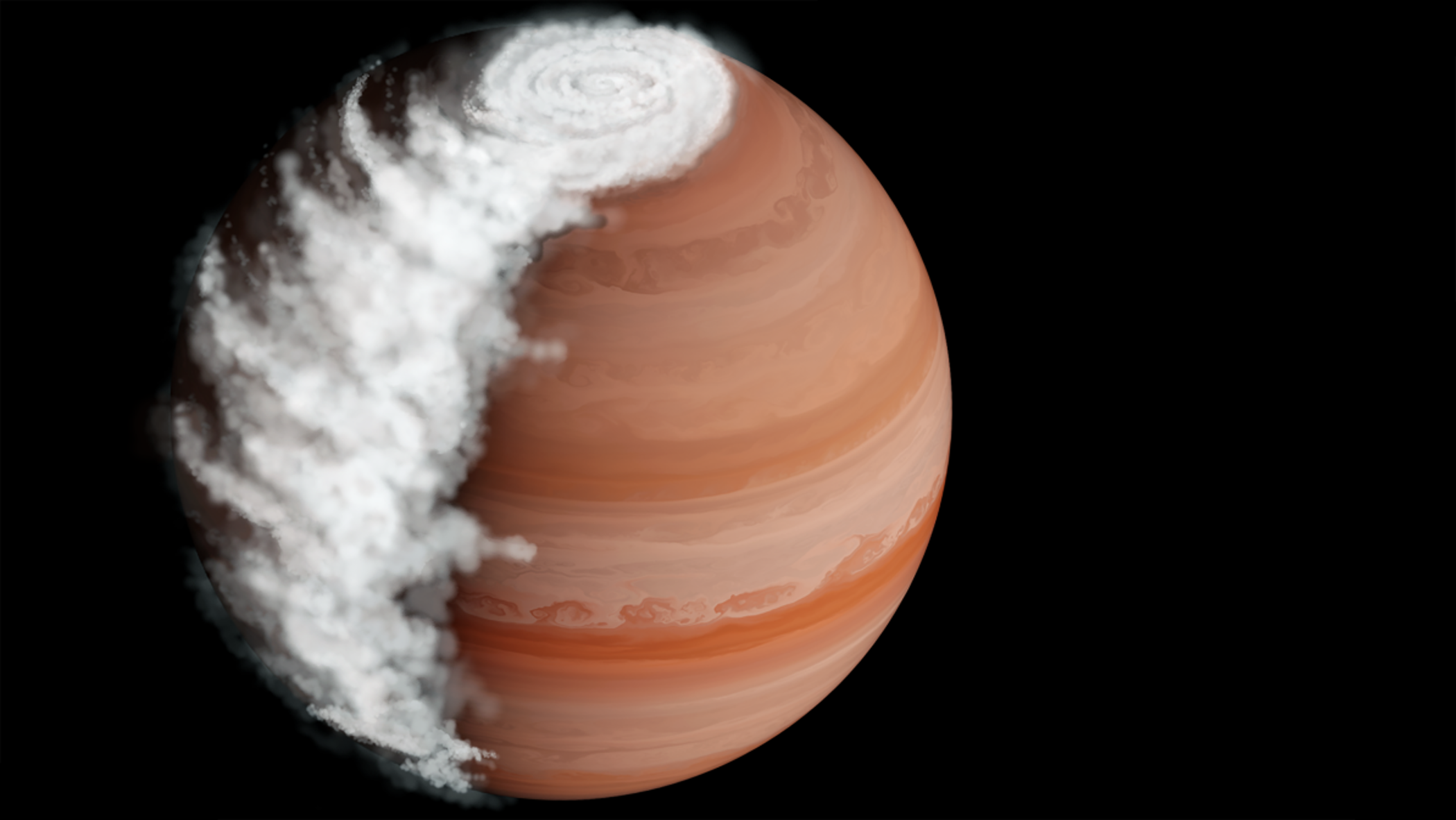
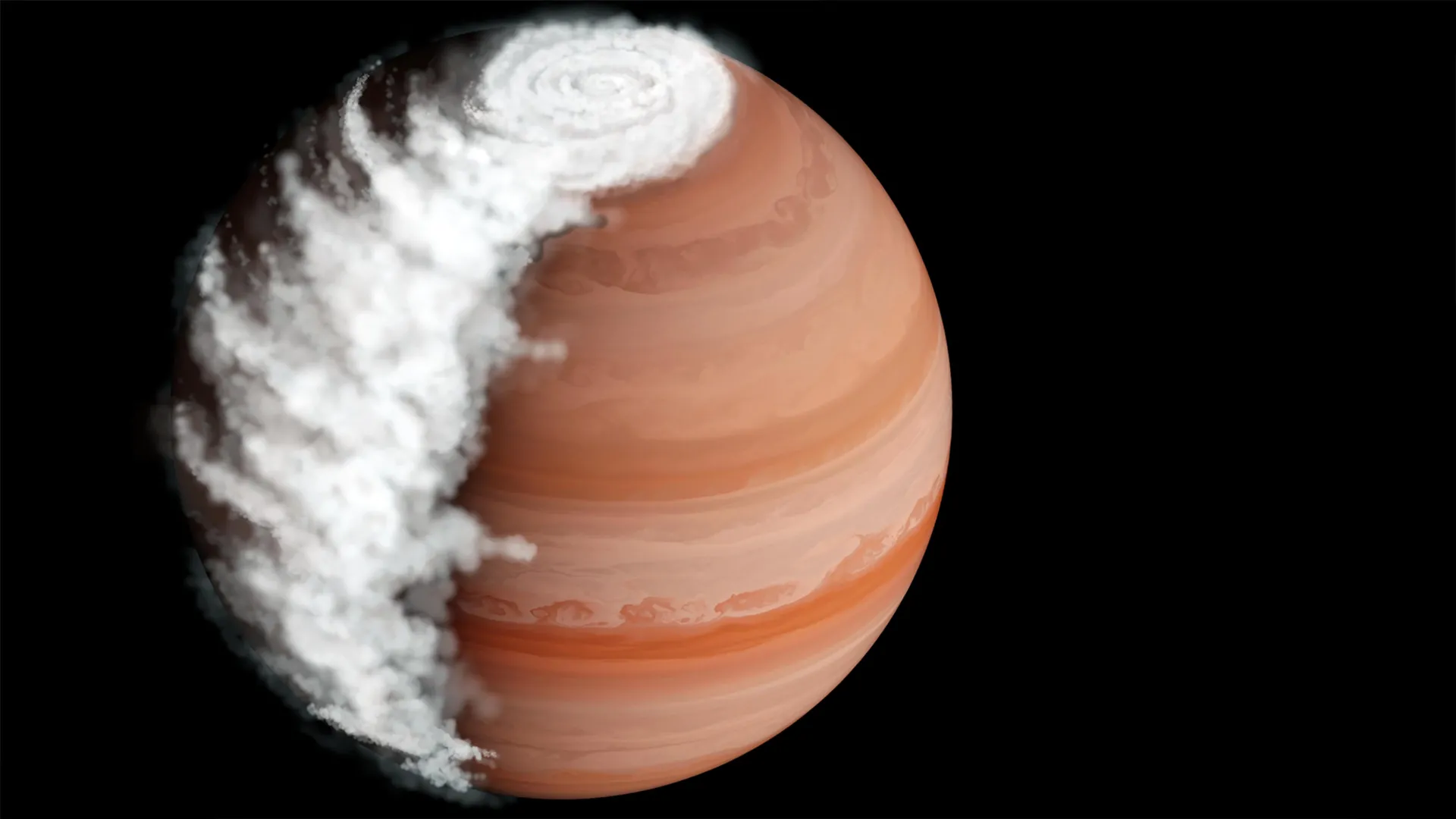
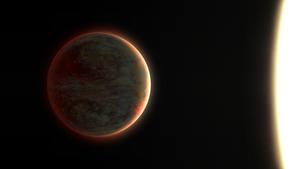
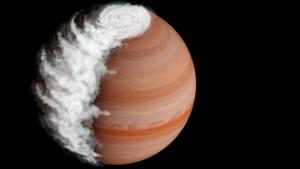
Sand clouds form every morning but clear up by nightfall on WASP-94A b, a well-studied gas giant in a constellation located nearly 700 light years away from Earth.
The research, which uses data from the James Webb Space Telescope (JWST), is among the first to detect cloud cycles on a Hot Jupiter exoplanet. By isolating the clouds, researchers can more accurately measure the planet’s atmosphere and provide one of the clearest pictures to date of the planet’s composition — a significant advance in planetary science.
“I've been looking at exoplanets for 20 years, and general cloudiness has been a thorn in our side. We’ve known for quite a while that clouds are pervasive on Hot Jupiter planets, which is annoying because it’s like trying to look at the planet through a foggy window,” said co-author and program PI, David Sing, a Bloomberg Distinguished Professor of Earth and Planetary Sciences at Johns Hopkins. “Not only have we been able to clear the view, but we can finally pin down what the clouds are made out of and how they’re condensing and evaporating as they move around the planet.”
The results are published today in the journal Science.