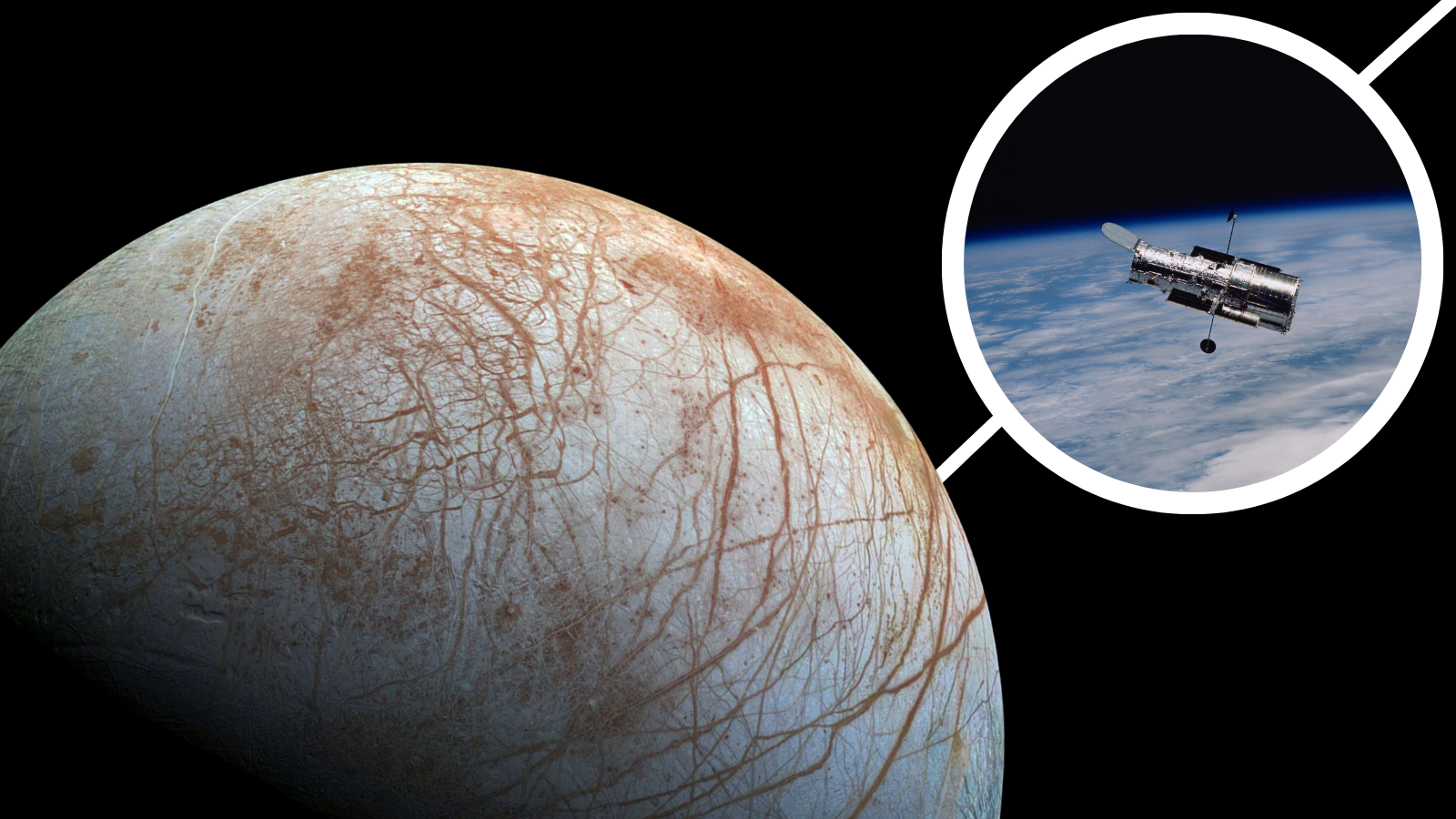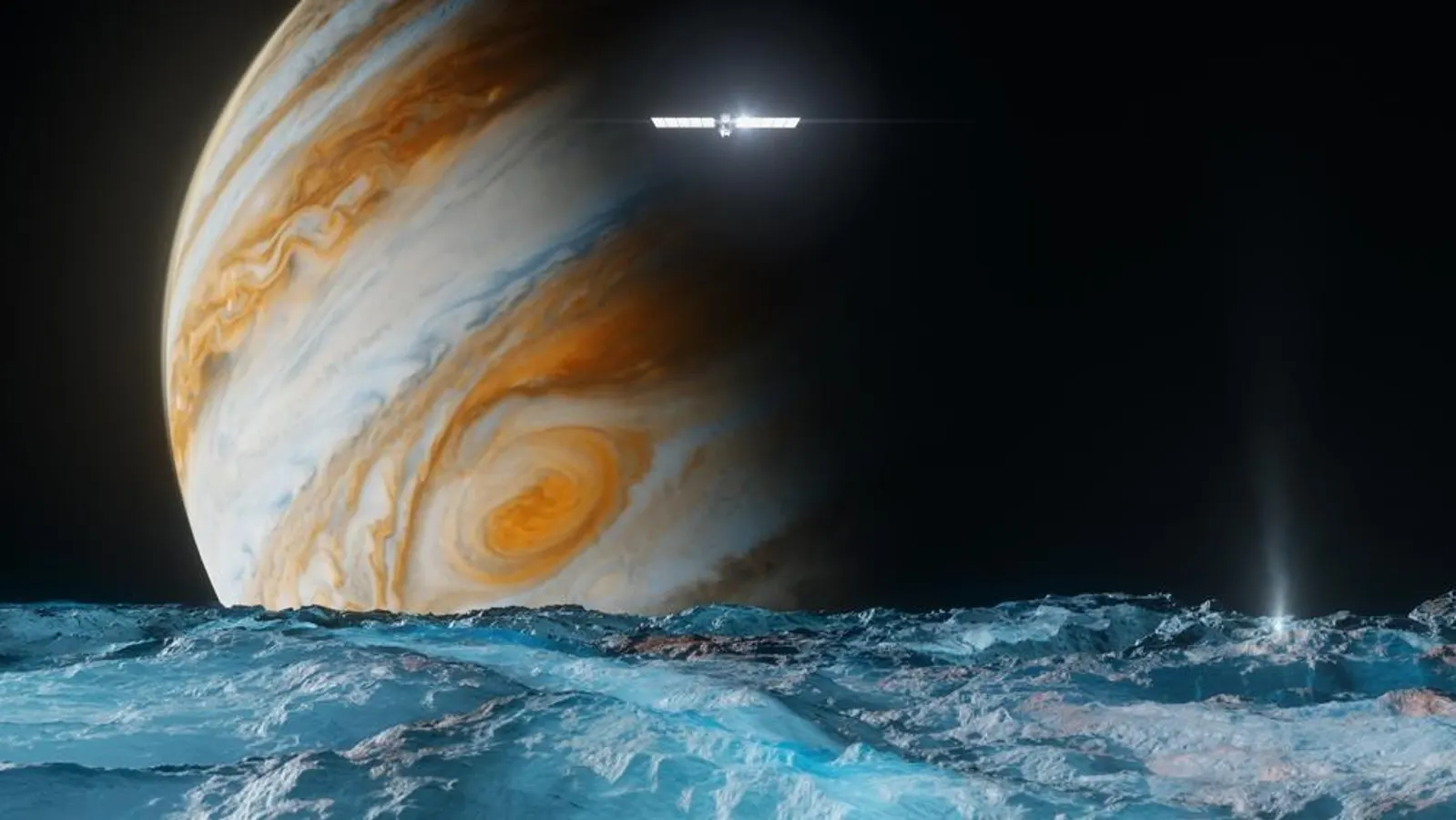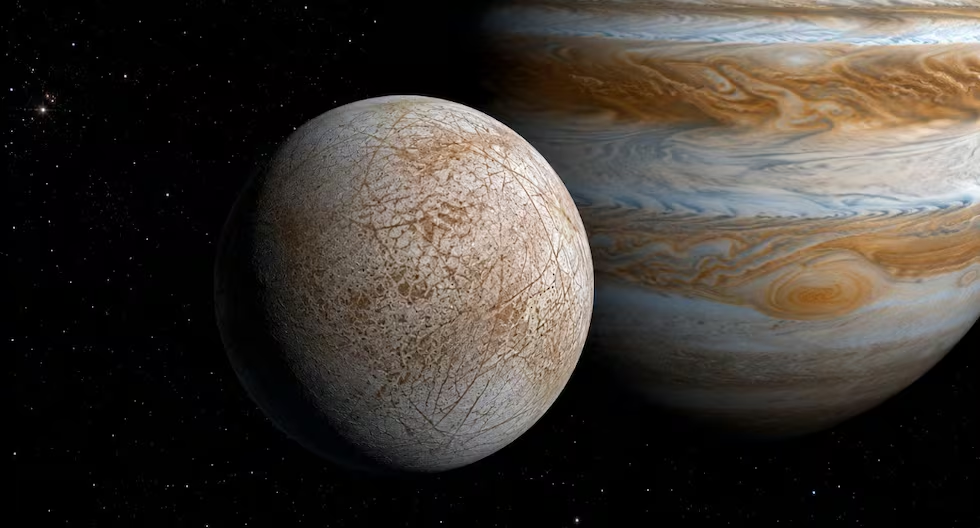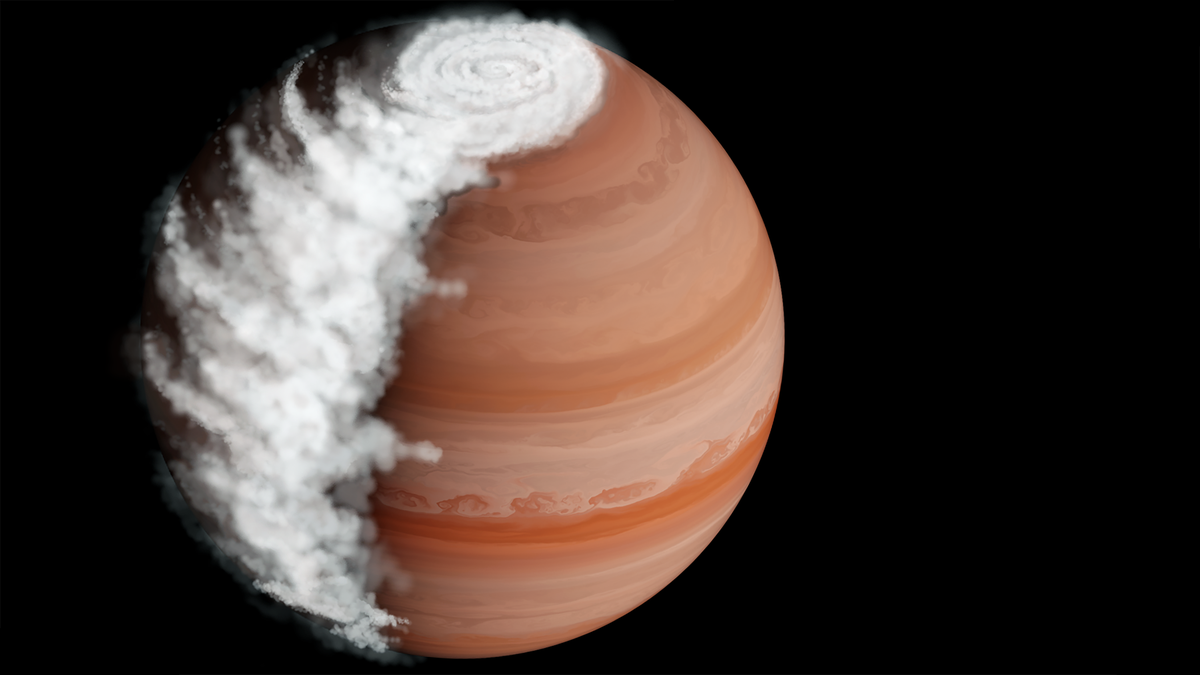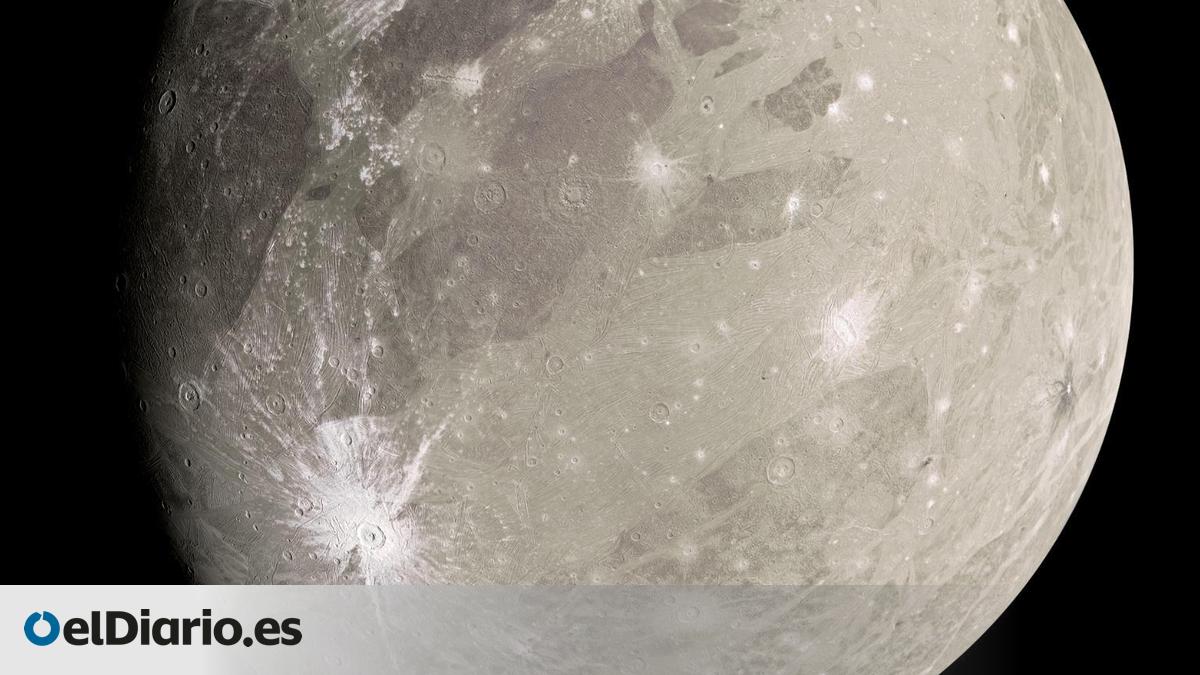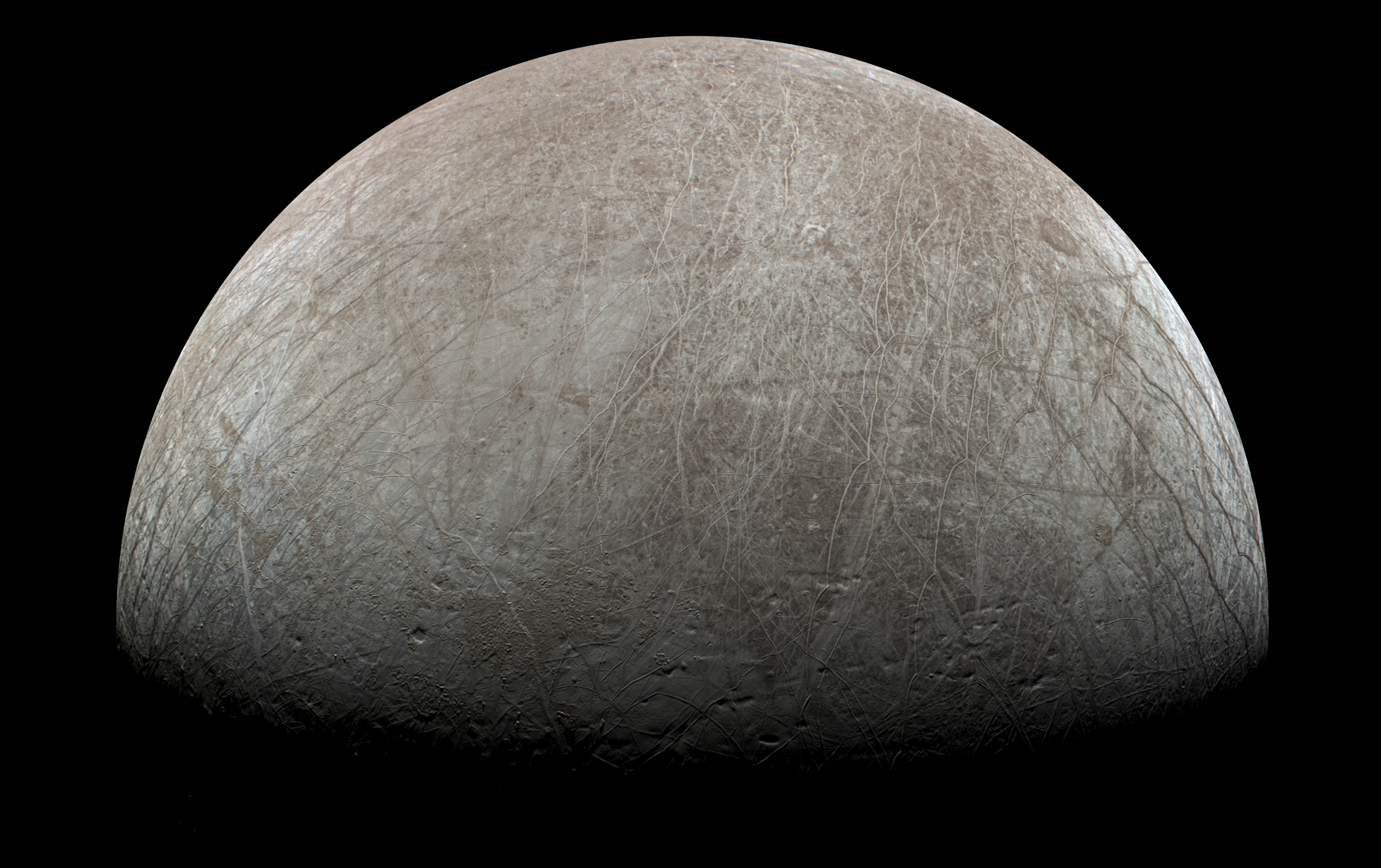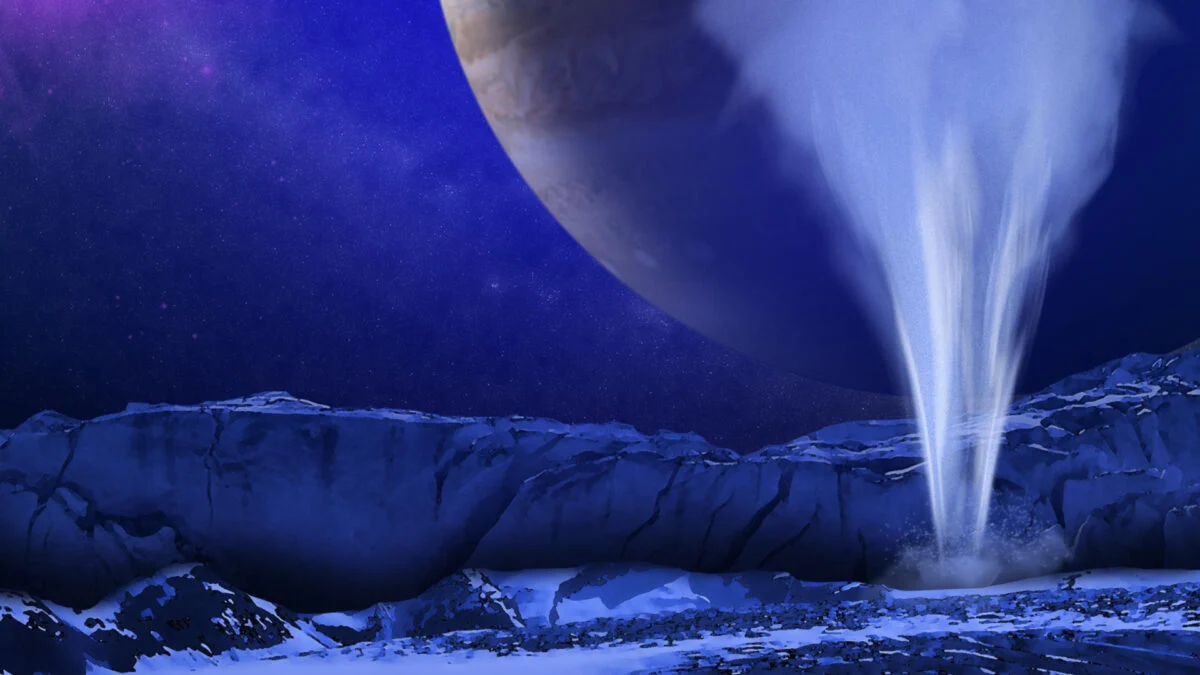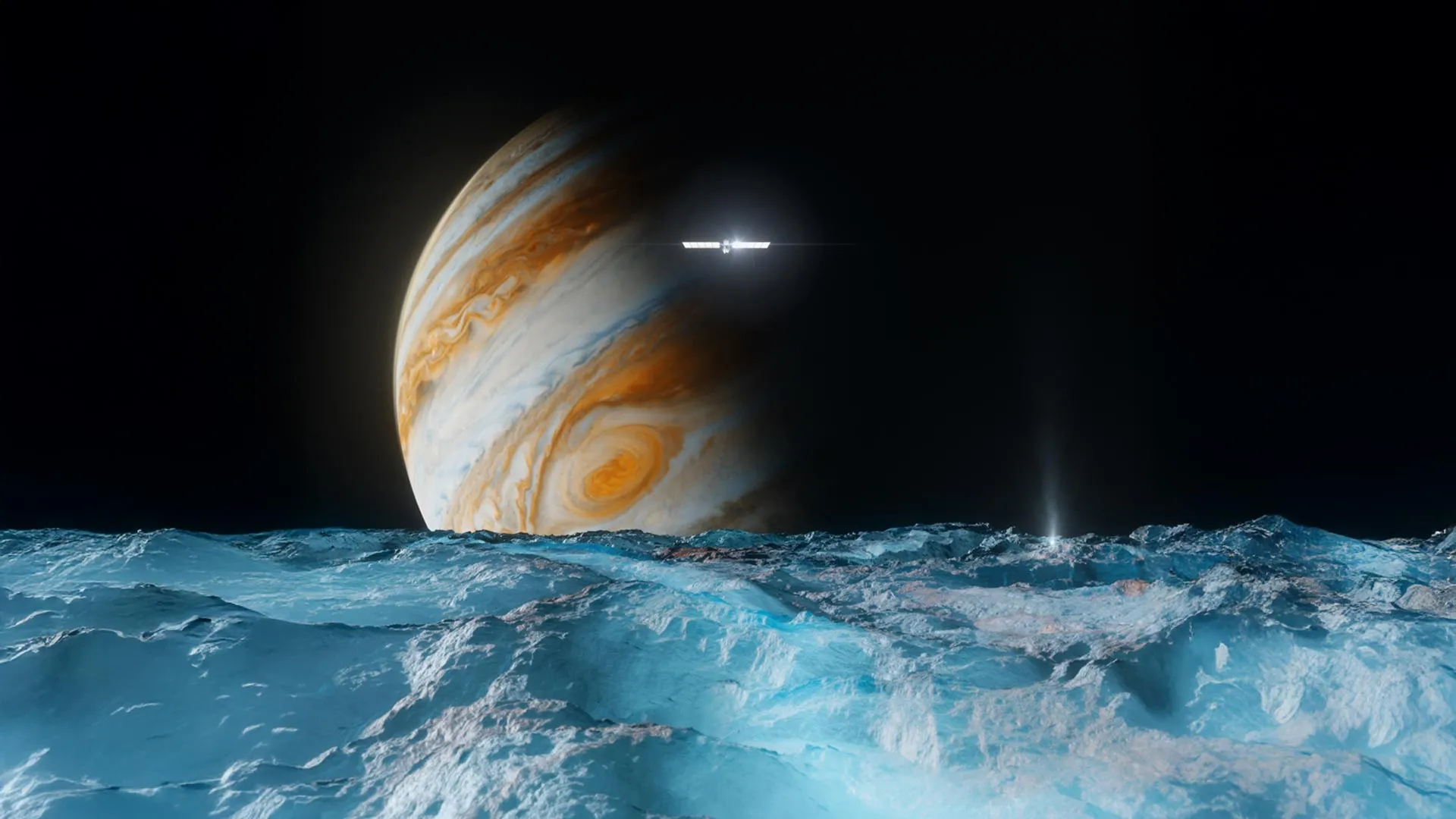
In 2014, a monumental Science paper showed that Hubble data pointed to intermittent plumes of water vapor on Europa, one of Jupiter’s many moons. Twelve years later, the same researchers revisited data from the same observatory. Now, they’re not so sure. Technically speaking, Europa’s surface could indeed release these fumes of water vapor, as suggested in 2014 and later by a different group in 2016. But the latest analysis, recently published in Astronomy & Astrophysics, takes down the certainty of the 2014 results by several notches; the plumes could exist, but the evidence presented before may well have been statistical noise misinterpreted as something significant. “The discrepancy with earlier results arises primarily from differences in the assumed position of Europa’s disk on the detector,” the researchers wrote in the paper. “We find evidence to support a persistent hydrogen exosphere at Europa, but no evidence of localized water vapor.”
99.9% confidence The team was already “pushing the limits of the Hubble telescope’s capabilities” between 2012 and 2014, according to a statement from the Southwest Research Institute. At the time, the team studied Lyman-α and OI emissions detected by Hubble, which were signatures of hydrogen and oxygen, respectively.