view more
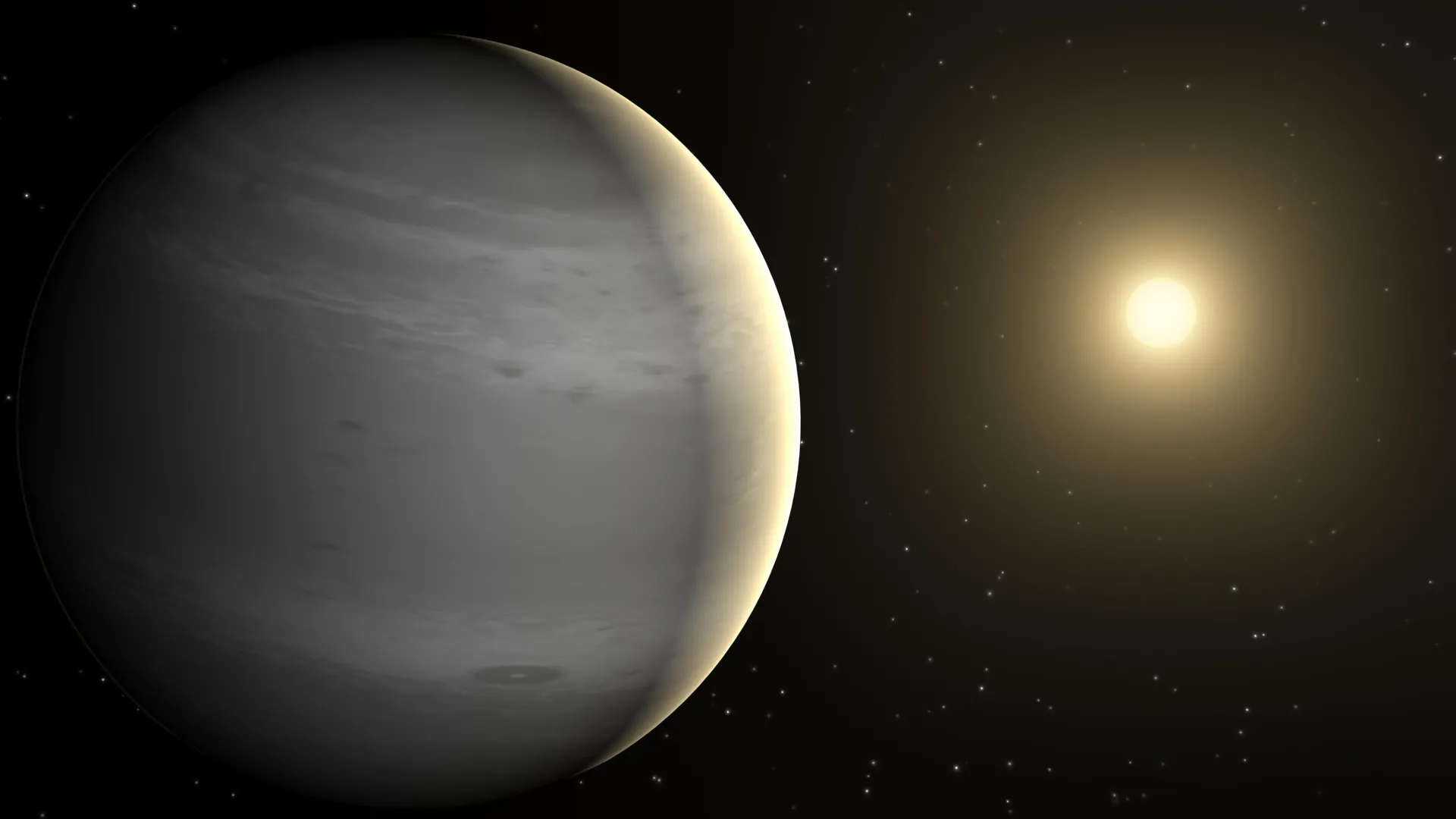
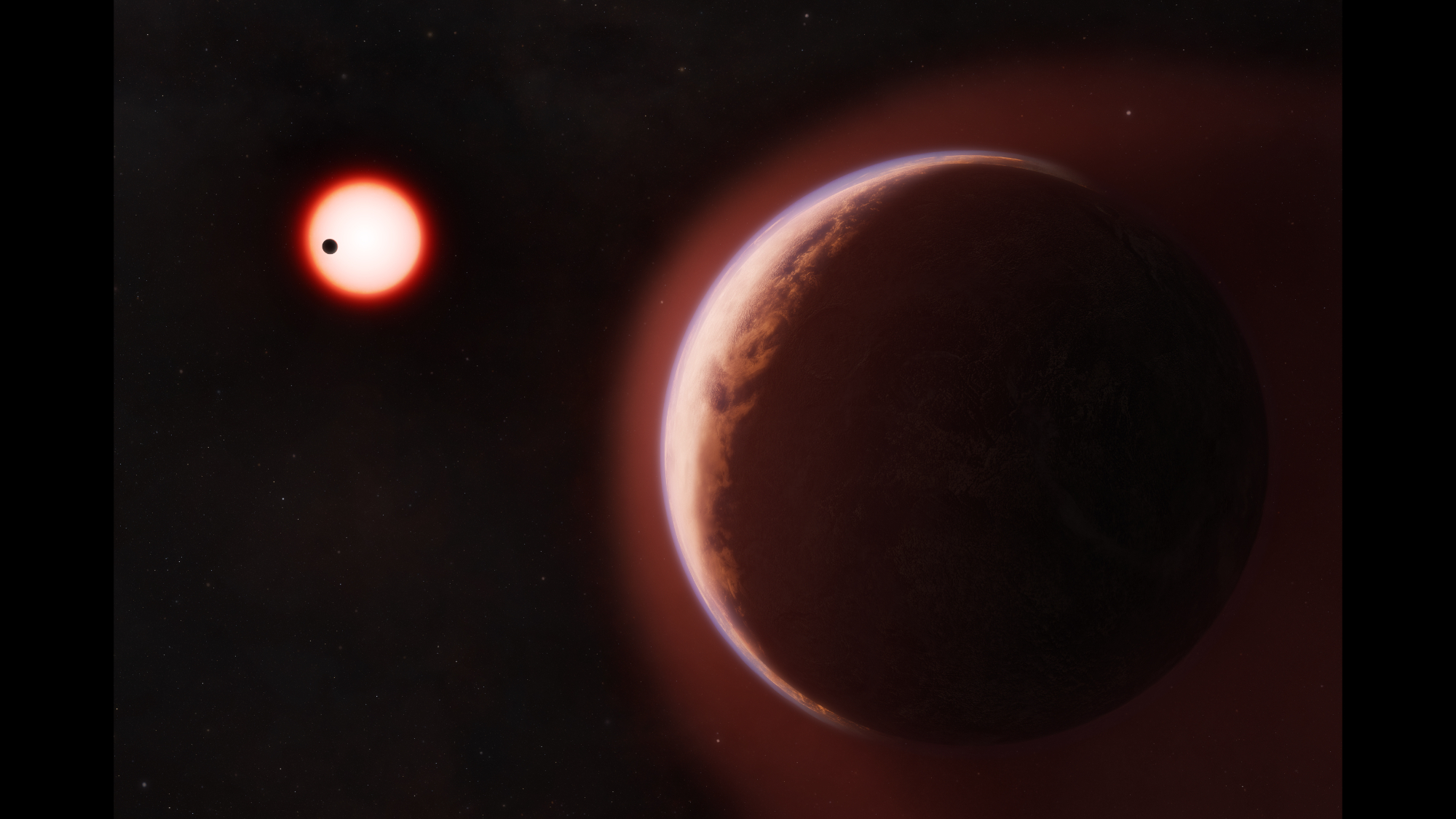
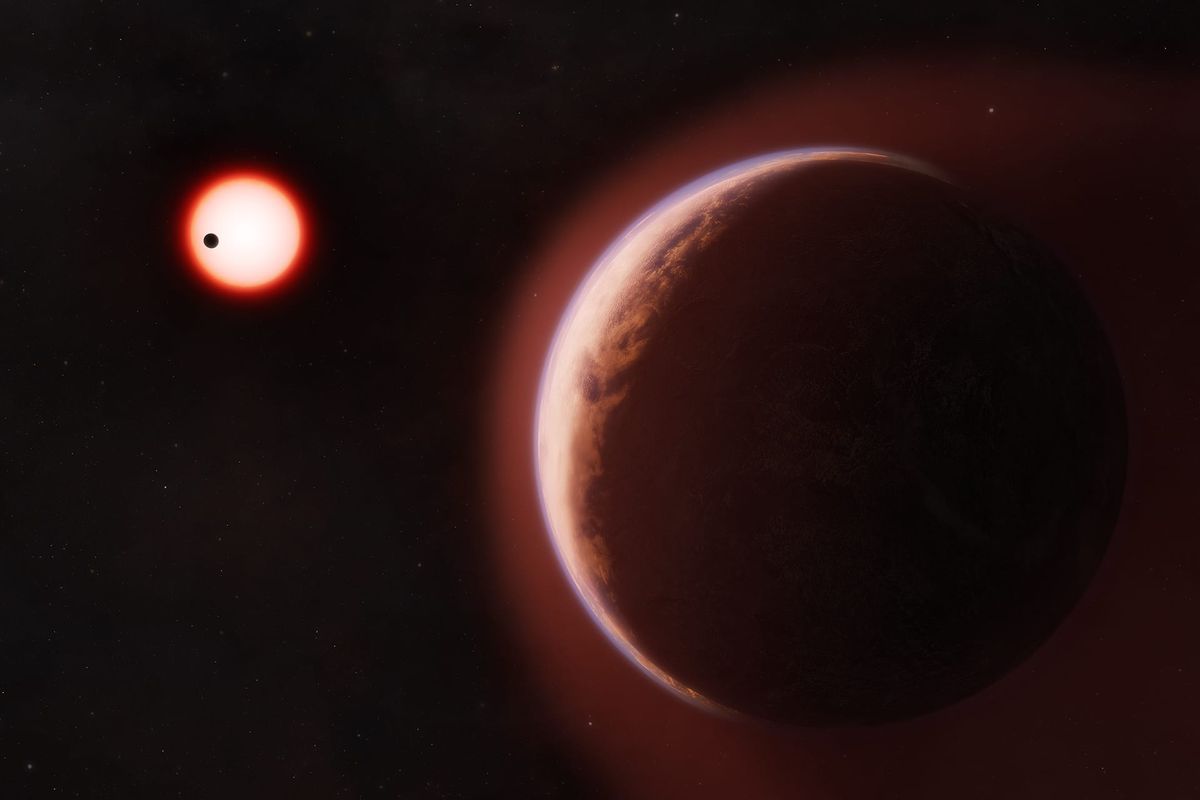
UNIVERSITY PARK, Pa. — A planet that is about the size of Saturn, but with a temperature more like Earth’s, has an atmosphere rich in methane, according to a new study using NASA’s James Webb Space Telescope (JWST). Unlike the gas giant planets — Jupiter and Saturn — in Earth’s solar system, which are distant from the sun and therefore extremely cold, and so-called “hot Jupiters” — giant planets beyond the solar system that are scorching hot due to their proximity to the stars they orbit — the planet is one of only a handful of known temperate, giant planets and the first to have its atmosphere analyzed. The new details about the composition of the planet’s atmosphere will inform models of planetary formation and evolution and could improve astronomer’s understanding of how Earth’s atmosphere works, according to the research team.
A paper describing the study, by a team of researchers led by astronomers at Penn State and NASA’s Jet Propulsion Laboratory (JPL) at the California Institute of Technology, published today (May 20) in the Astronomical Journal.
“One of the main advantages of studies of planets beyond our solar system, known as exoplanets, is the ability to study many different types of planets — especially ones that we don’t see in the solar system — to learn about how planetary systems form and evolve,” said Renyu Hu, associate professor of astronomy and astrophysics in the Penn State Eberly College of Science and leader of the research team. “Since the first exoplanet was discovered in 1992 by a team that included Aleksander Wolszczan at Penn State, astronomers have found thousands of exoplanets. But only a few giant, temperate exoplanets are known and this is the first time that we have been able to study the atmosphere of one of them in detail.”