Experts say thick slabs of cloud in YSES-1 system could consist of mineral dust and iron, which would rain down
Should humans ever venture to a particular planet that circles a sun-like star in the constellation of the fly, they would do well to keep an eye on the weather.
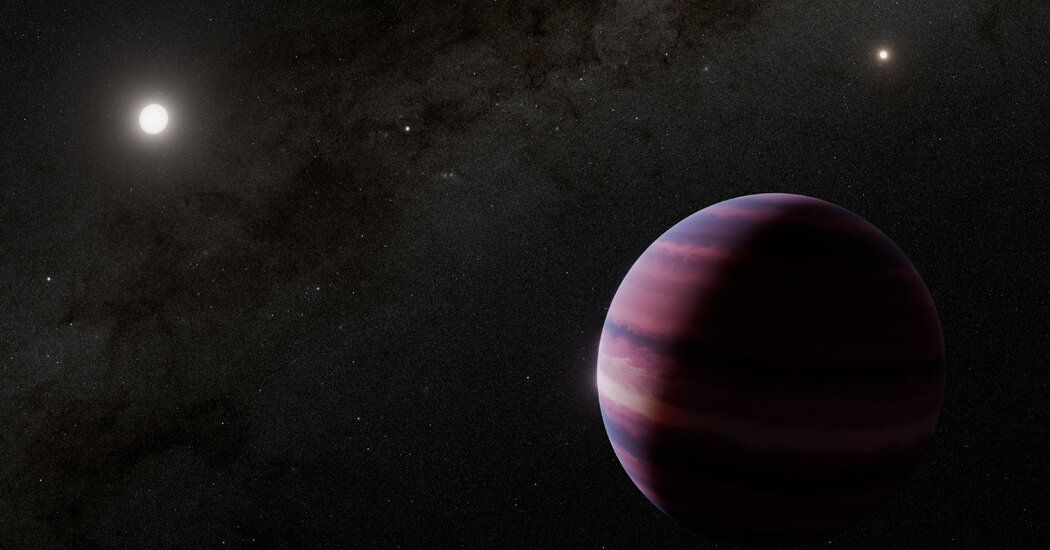
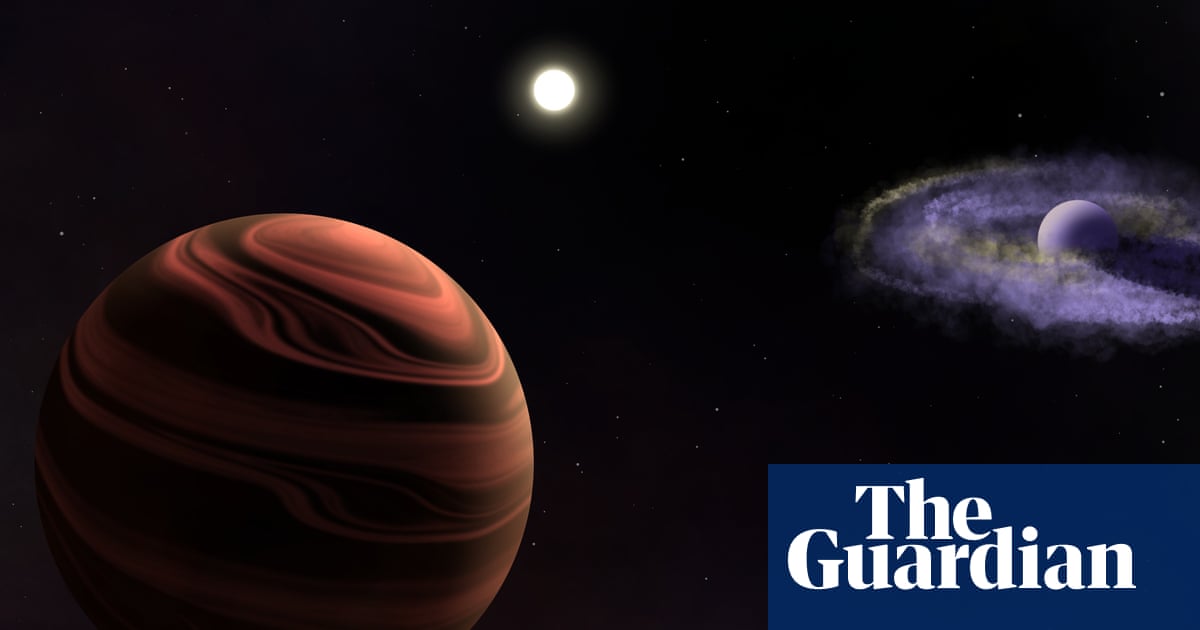
The thick slabs of cloud that blot the planet’s skies are mostly made from mineral dust, but astronomers suspect there may be iron in them, too, which would rain down on the world below when the clouds break.
Astronomers spotted the high-altitude clouds when they trained the James Webb space telescope (JWST) on the young star system, which lies 307 light years away in the deep southern sky.
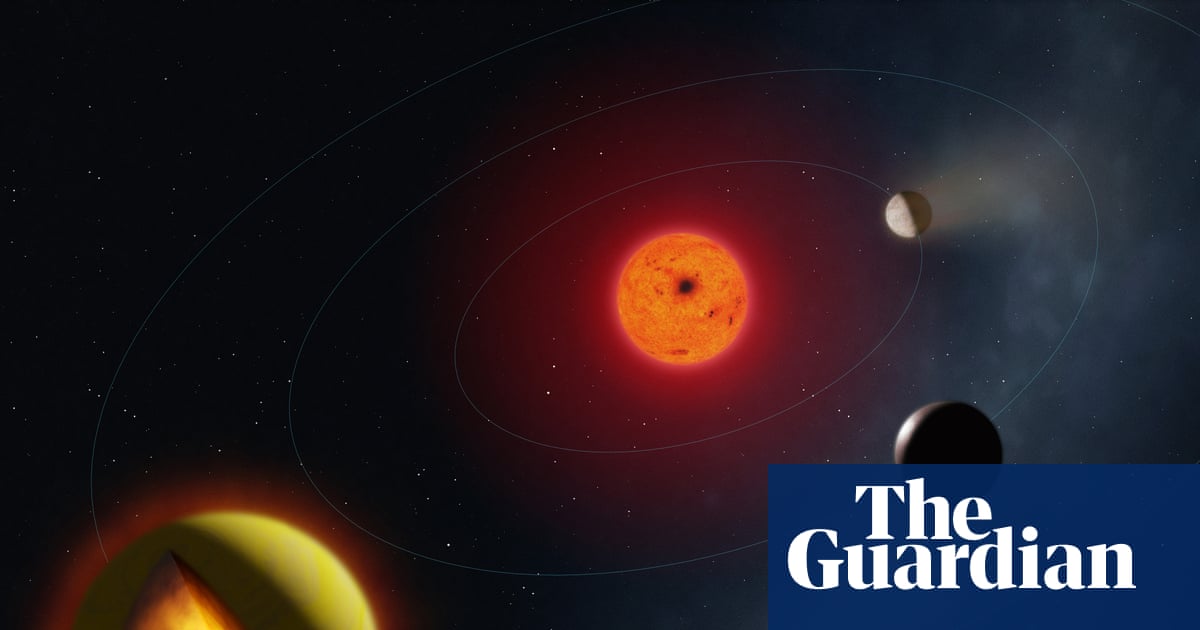
The star, YSES-1, is a newbie by cosmic standards, a mere 1m years old compared with the 4.6bn-year-old sun. The star is circled by two gas giants, both still forming and both larger than Jupiter, the biggest planet in the solar system.