Latest observations of L98-59d, about 35 light years from Earth, suggest it could be different to anything seen before
Astronomers have identified a planet composed of molten lava, suggesting the existence of an entirely new category of liquid planet.
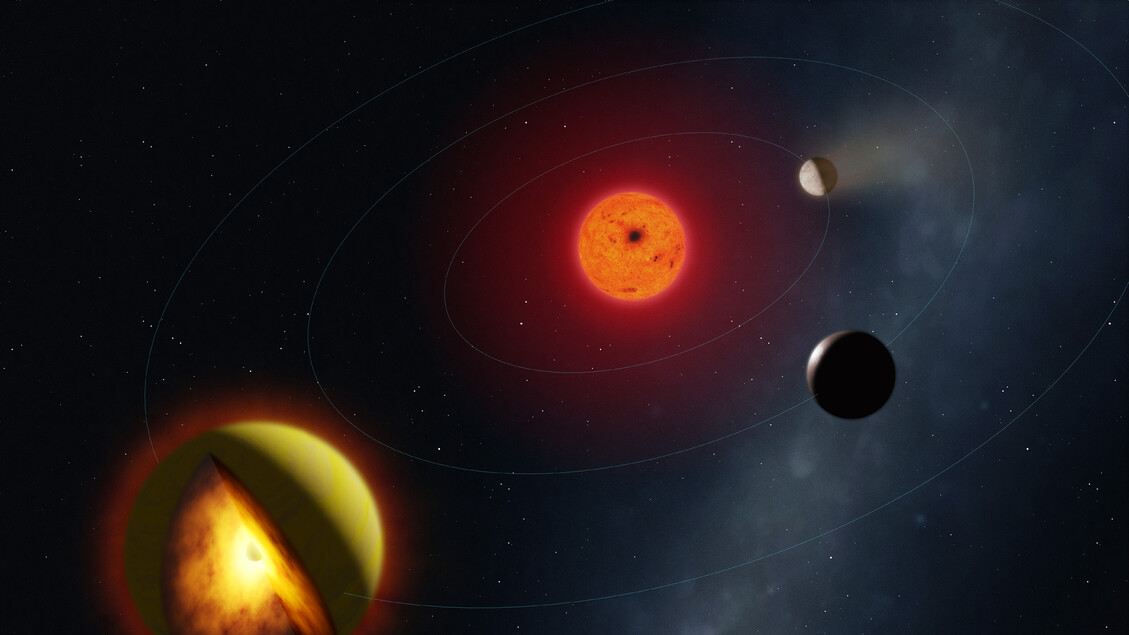
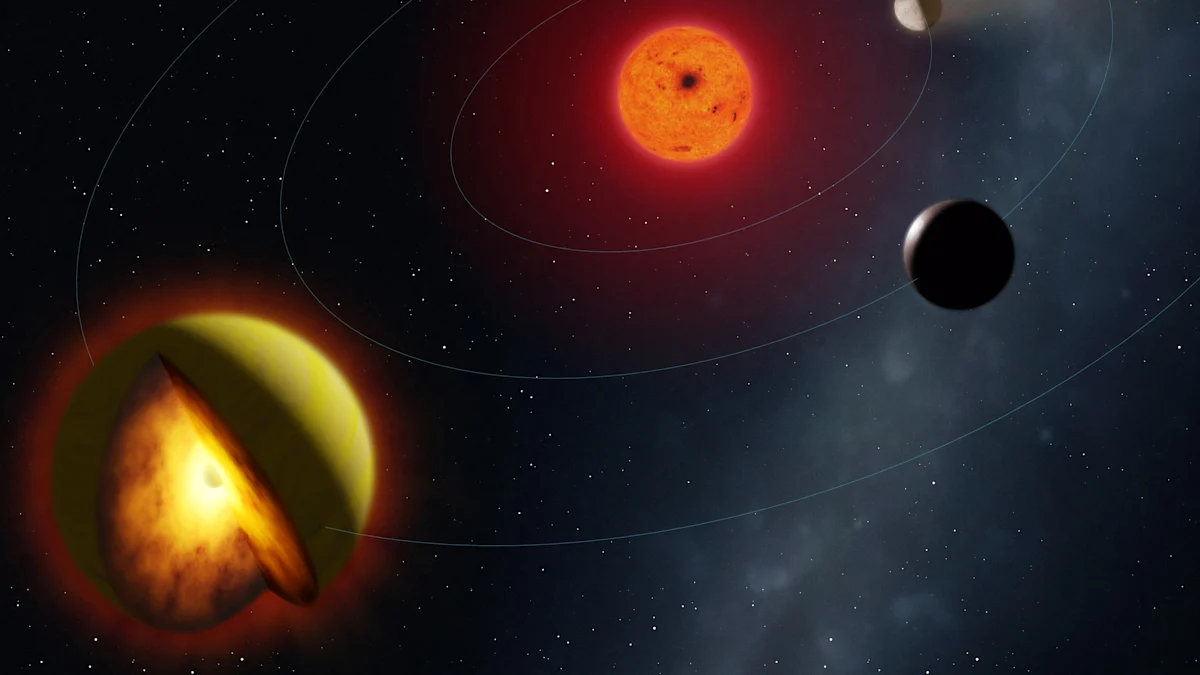
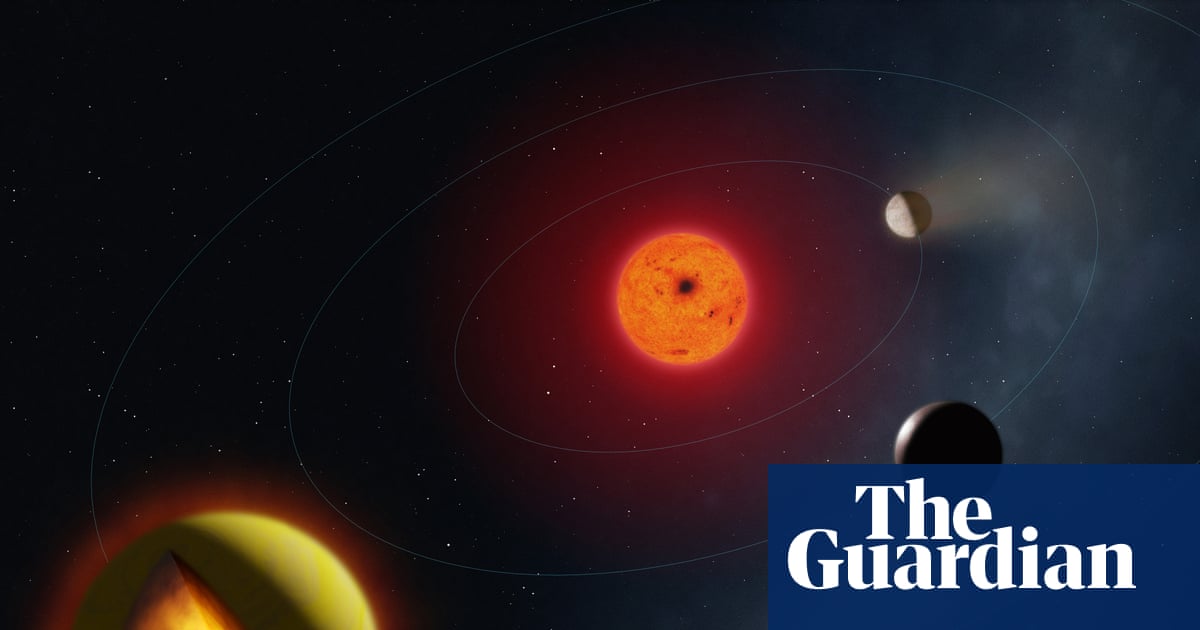
The distant world, known as L98-59d, is about 1.6 times the size of Earth and orbits a small red star 35 light years away. Astronomers initially thought the planet might harbour a deep ocean of liquid water, but the latest analysis suggests that it could be fundamentally different to anything seen before.
“The whole thing really is in a mushy, molten state,” said Dr Harrison Nicholls, an astrophysicist at the University of Oxford. “It’s like molasses. It’s likely that this planet’s core would also be molten.”
Surface temperatures would reach a blazing 1,900C (3,500F), large waves are likely to roll over the magma ocean caused by the tidal forces of neighbouring planets, and there would be a pervasive stench of rotten egg thanks to an atmosphere rich in hydrogen sulphide. The overall conditions are not viewed as favourable for hosting life.