HomeAI · summaries
Storia in 2 fonti
James Webb reveals two completely different twilights on an alien world
JWST has revealed dramatic differences between the dawn and dusk regions of the scorching exoplanet WASP-121 b. Fierce winds appear to carry heat from the planet’s permanent dayside, making the evening side hotter and more expanded. Scientists also found signs that water is being broken apart by extreme temperatures and that mysterious mineral clouds may be shaping the cooler side’s atmosphere.
Confronto fonti
2 prospettive sulla stessa storiaTimeline cronologica
- ·
sciencedaily.com
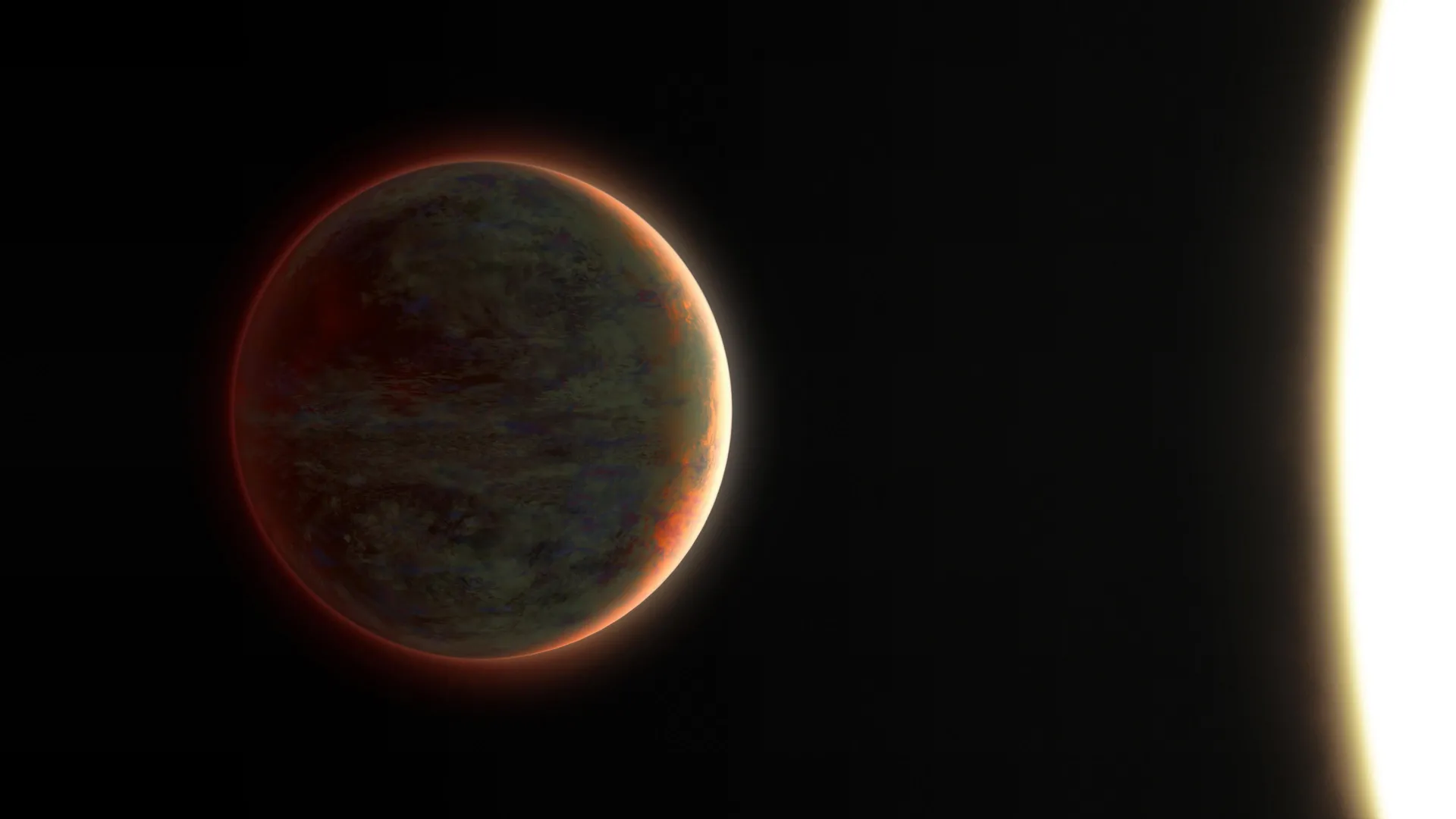
James Webb reveals two completely different twilights on an alien world
JWST has revealed dramatic differences between the dawn and dusk regions of the scorching exoplanet WASP-121 b. Fierce winds appear to carry heat from the planet’s permanent…
- ·
economictimes.indiatimes.com
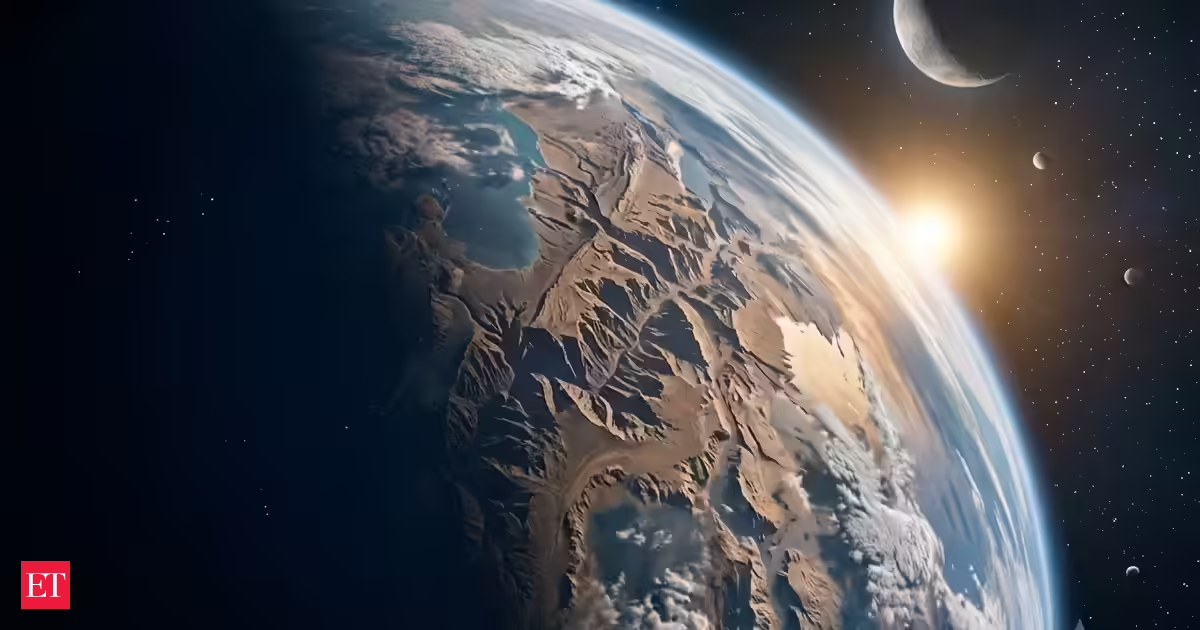
On this planet, clouds emerge every morning and disappear by night: James Webb Space Telescope reveals daily cloud cycle on WASP-94A b
On this planet, clouds emerge every morning and disappear by night as astronomers study the giant exoplanet WASP-94A b using the James Webb Space Telescope. Researchers found that…