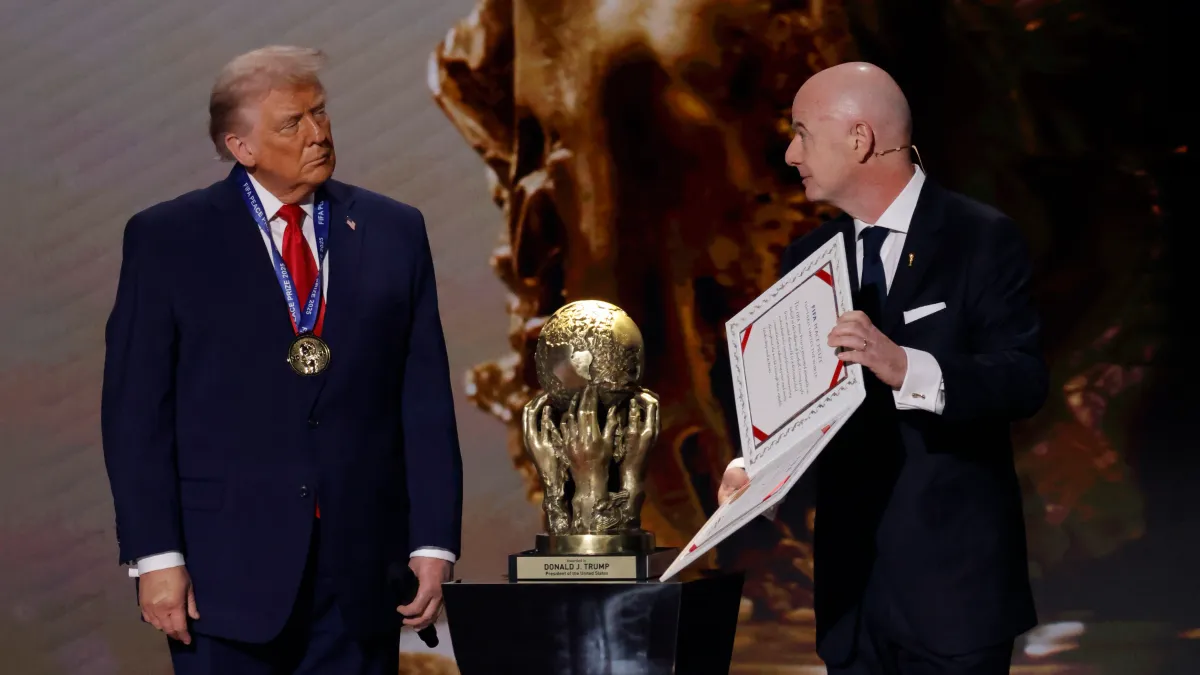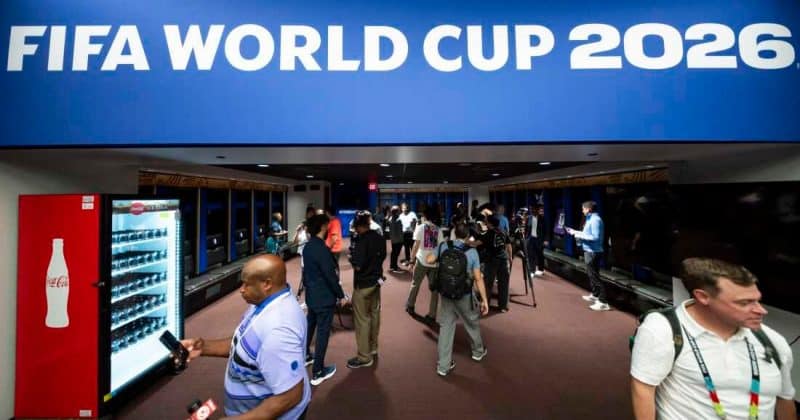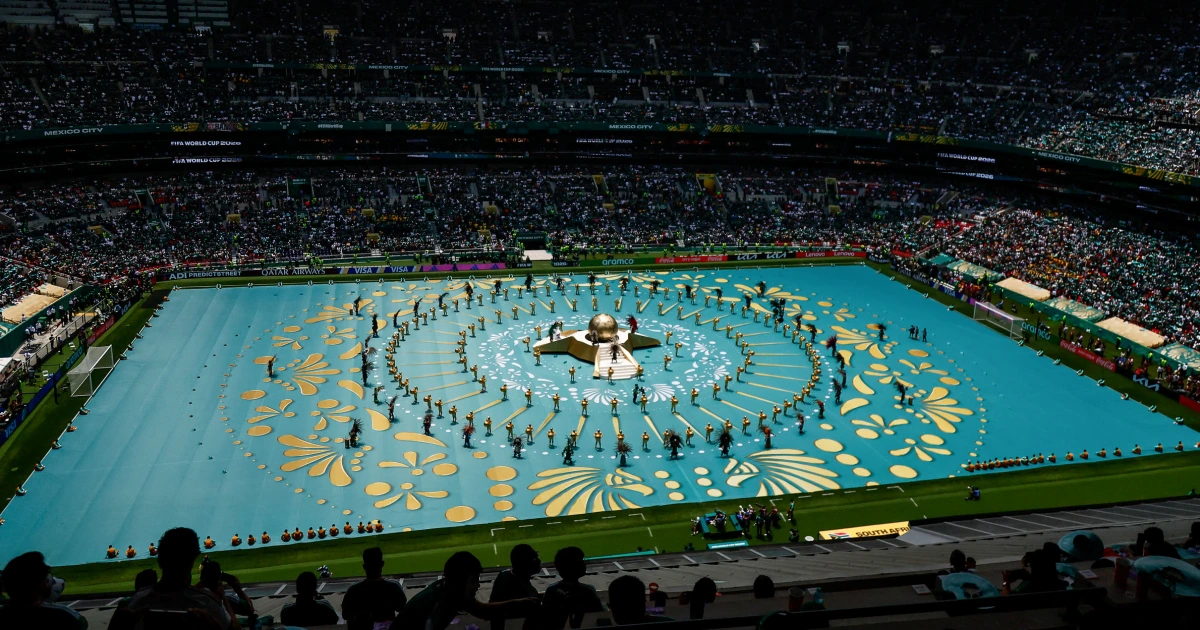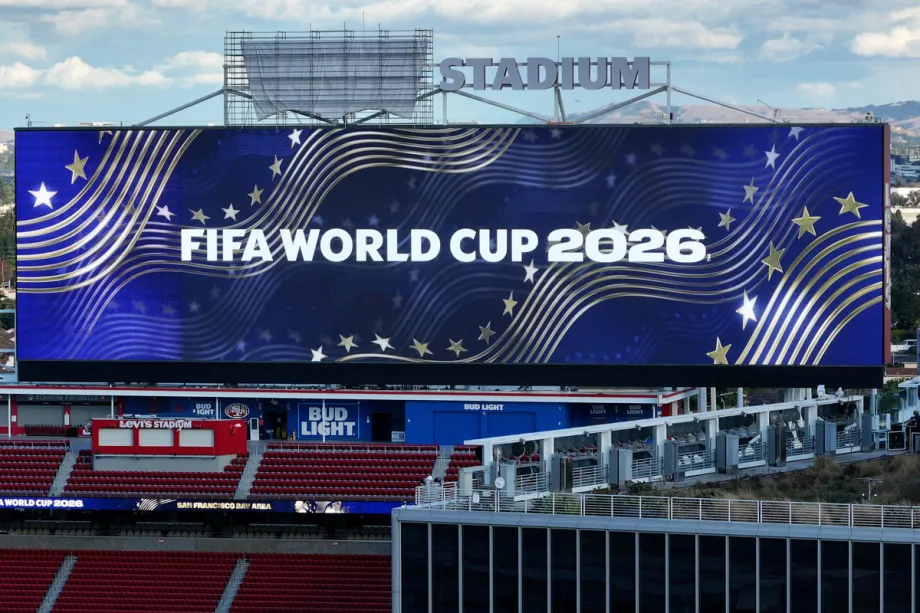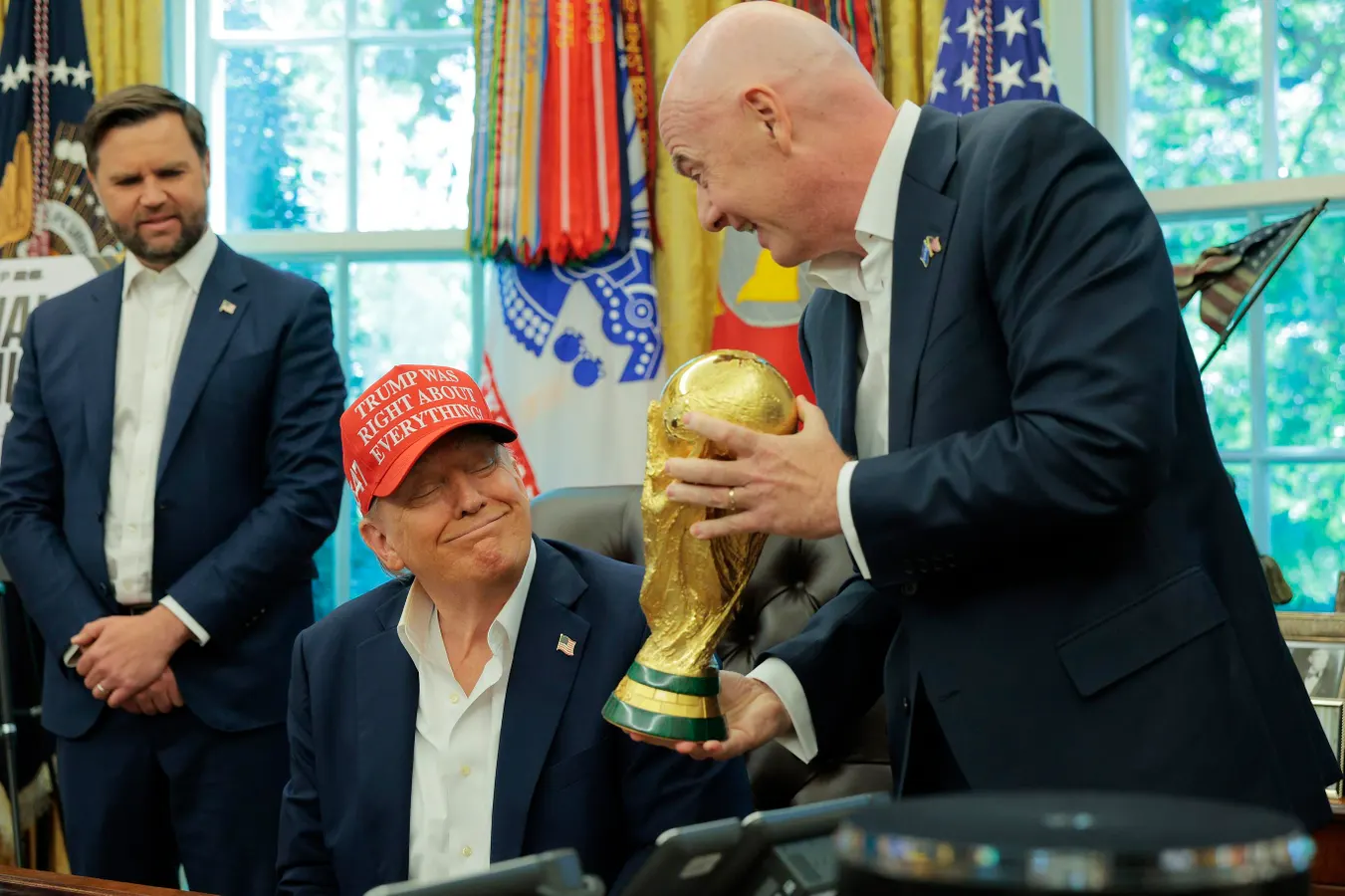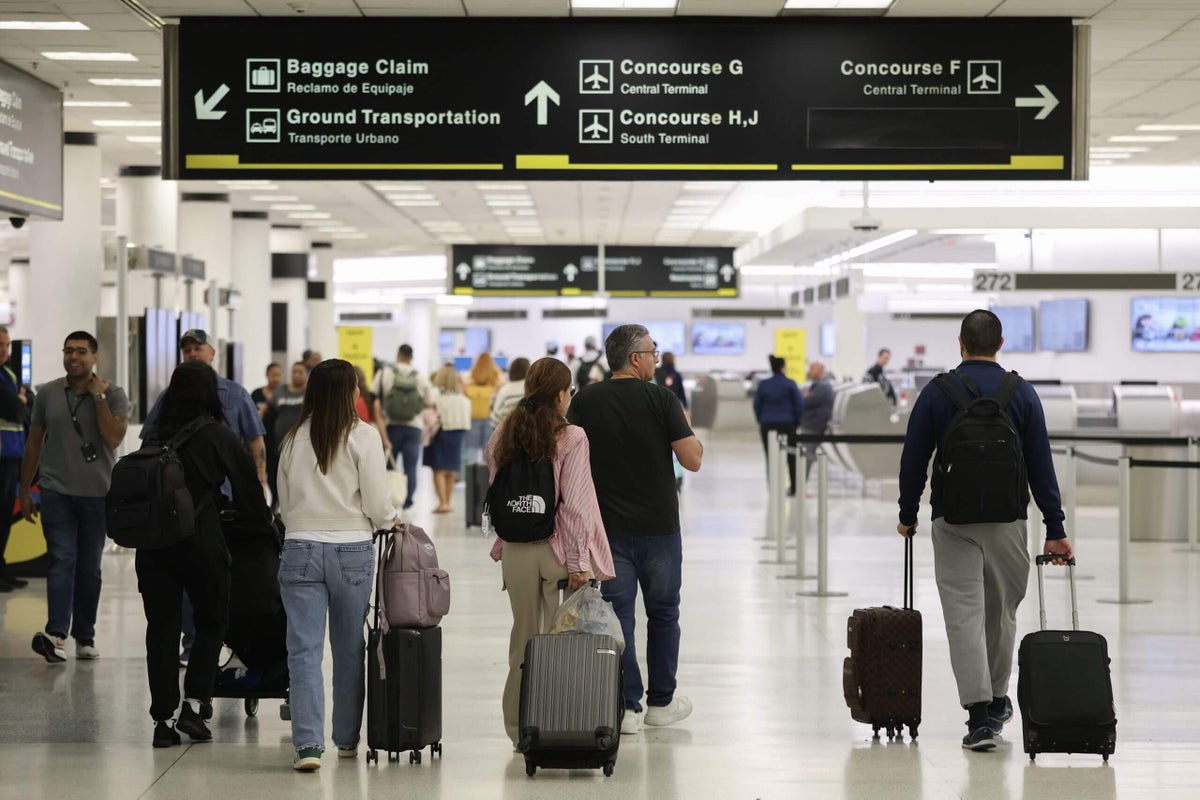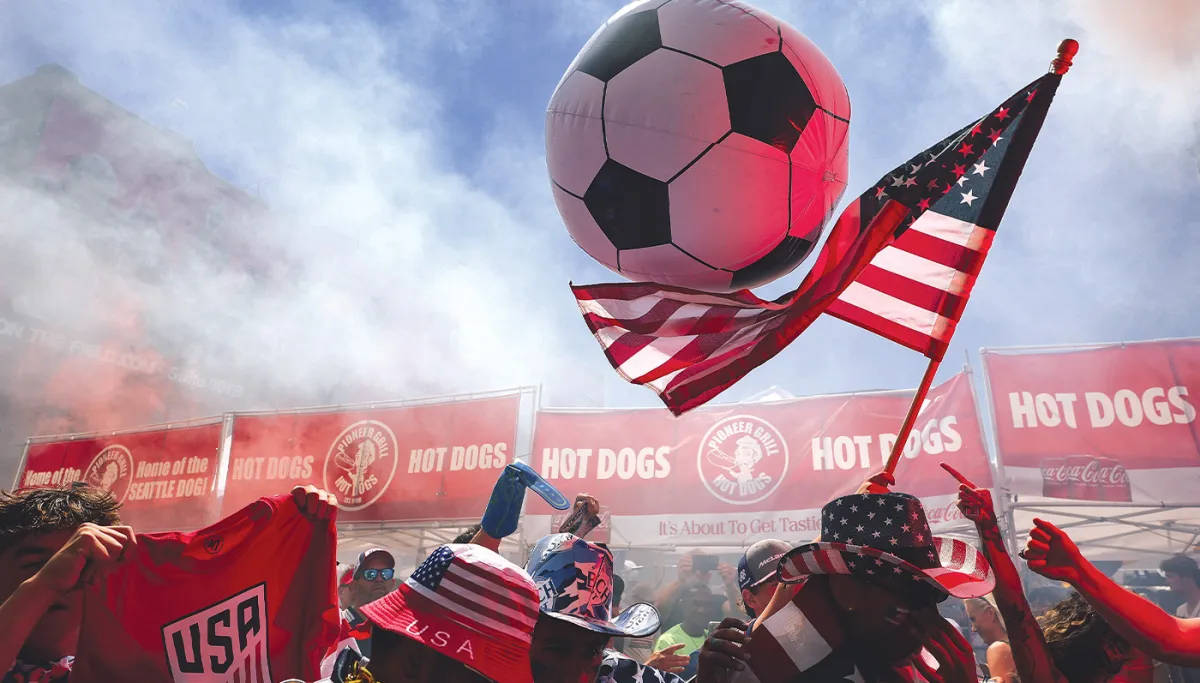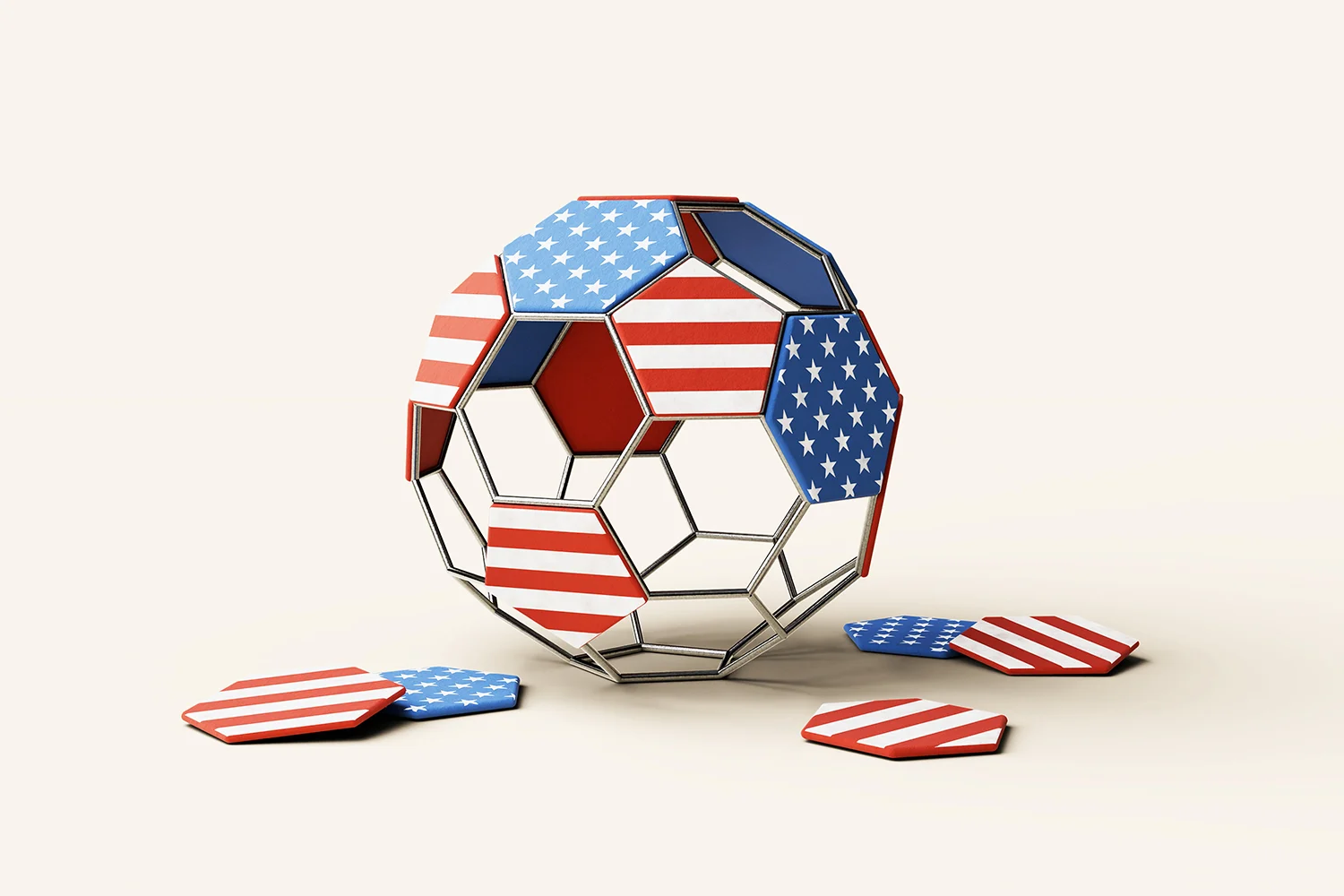
From June to July, the United States will co-host the FIFA World Cup alongside Canada and Mexico. The tournament will overlap with the 250th anniversary of U.S. independence. It also arrives in a political moment in which the administration hosting the tournament has, through its broader immigration agenda, created significant barriers to attendance for fans from many of the qualifying nations. The United States is hosting the World Cup and obstructing the World Cup’s fans at the same time.
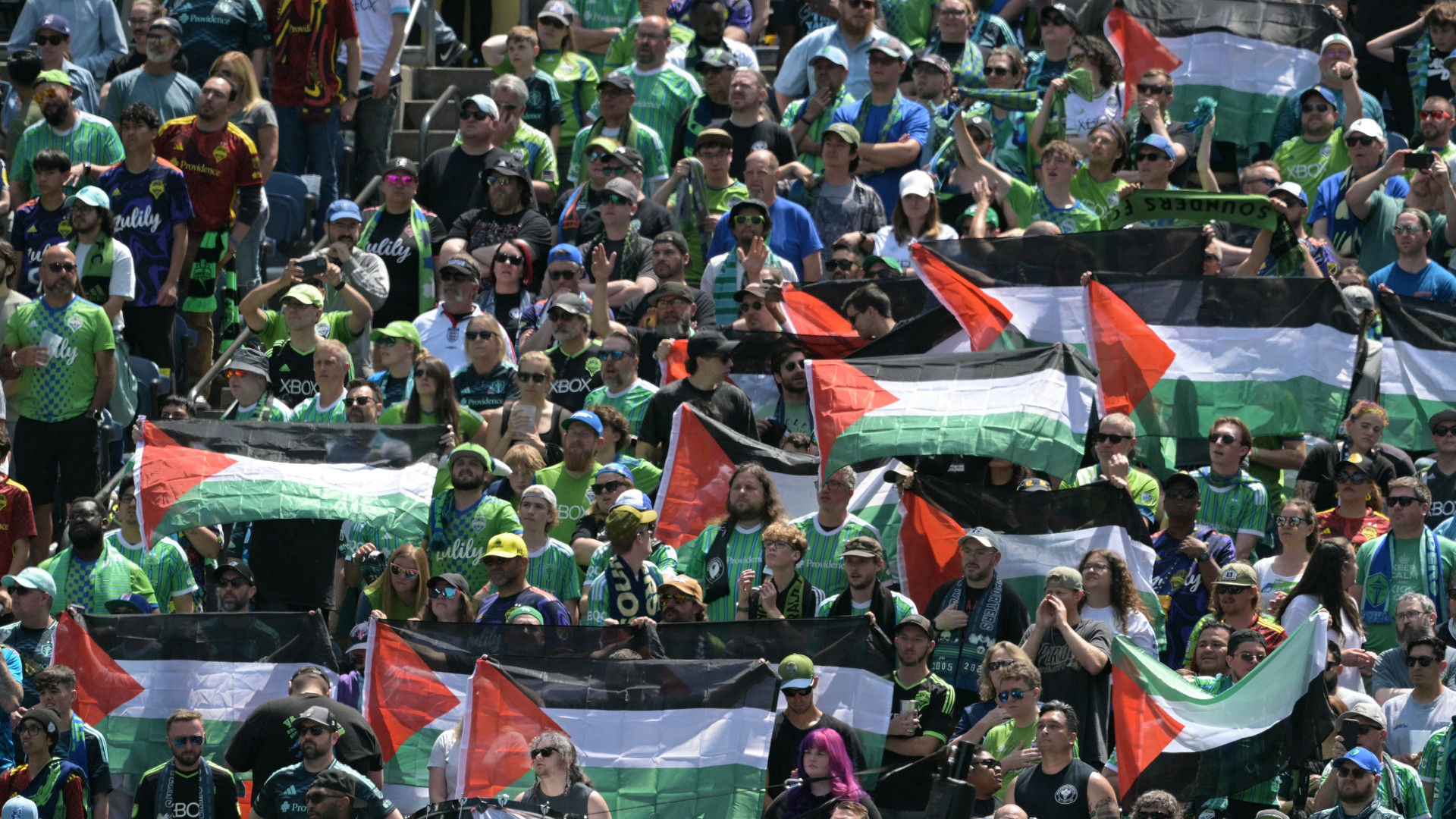
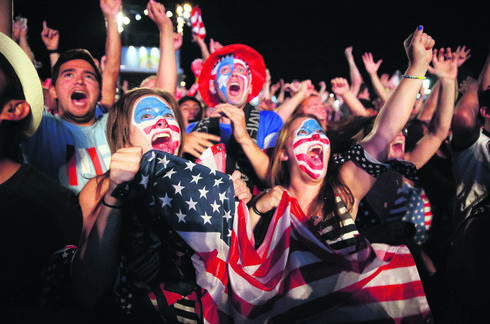
This contradiction has been repeatedly observed, but what has gone less remarked upon is that this is just the latest chapter in an argument that U.S. soccer has been having with itself since the 1870s—an argument, conducted through the sport, about who belongs in this country and who the country belongs to. At every stage of the last 150 years, whether Americans have played soccer, watched it, or refused it has been a way of answering a more fundamental question: who counts as an American.
From June to July, the United States will co-host the FIFA World Cup alongside Canada and Mexico. The tournament will overlap with the 250th anniversary of U.S. independence. It also arrives in a political moment in which the administration hosting the tournament has, through its broader immigration agenda, created significant barriers to attendance for fans from many of the qualifying nations. The United States is hosting the World Cup and obstructing the World Cup’s fans at the same time.