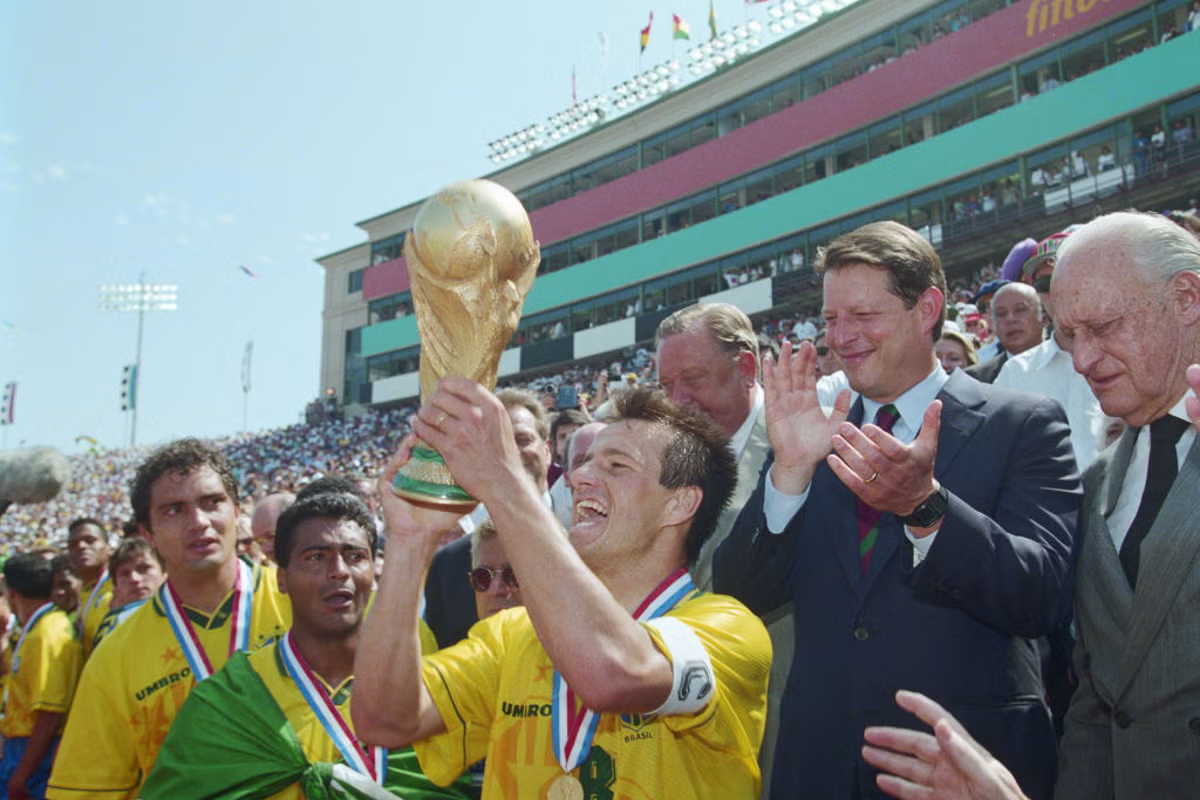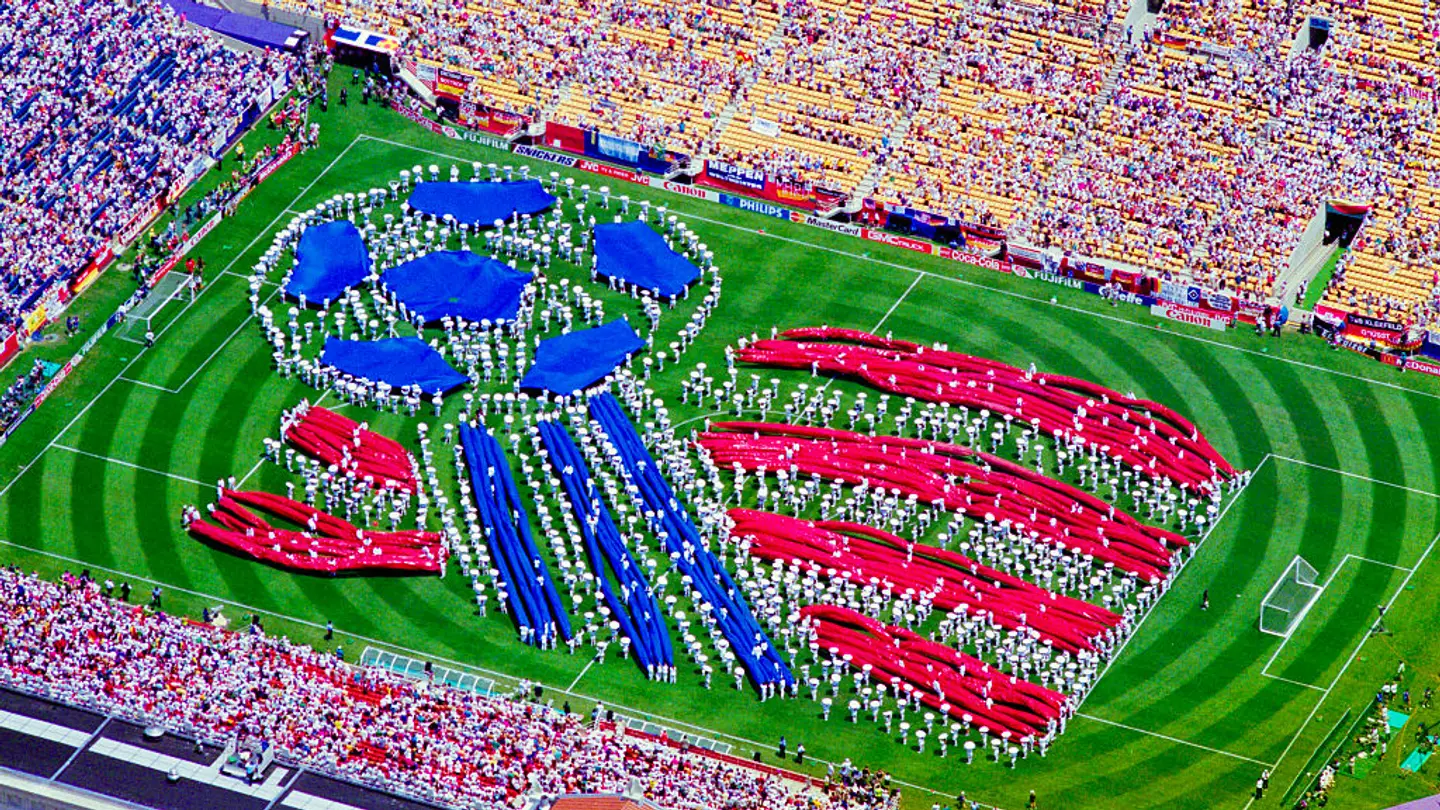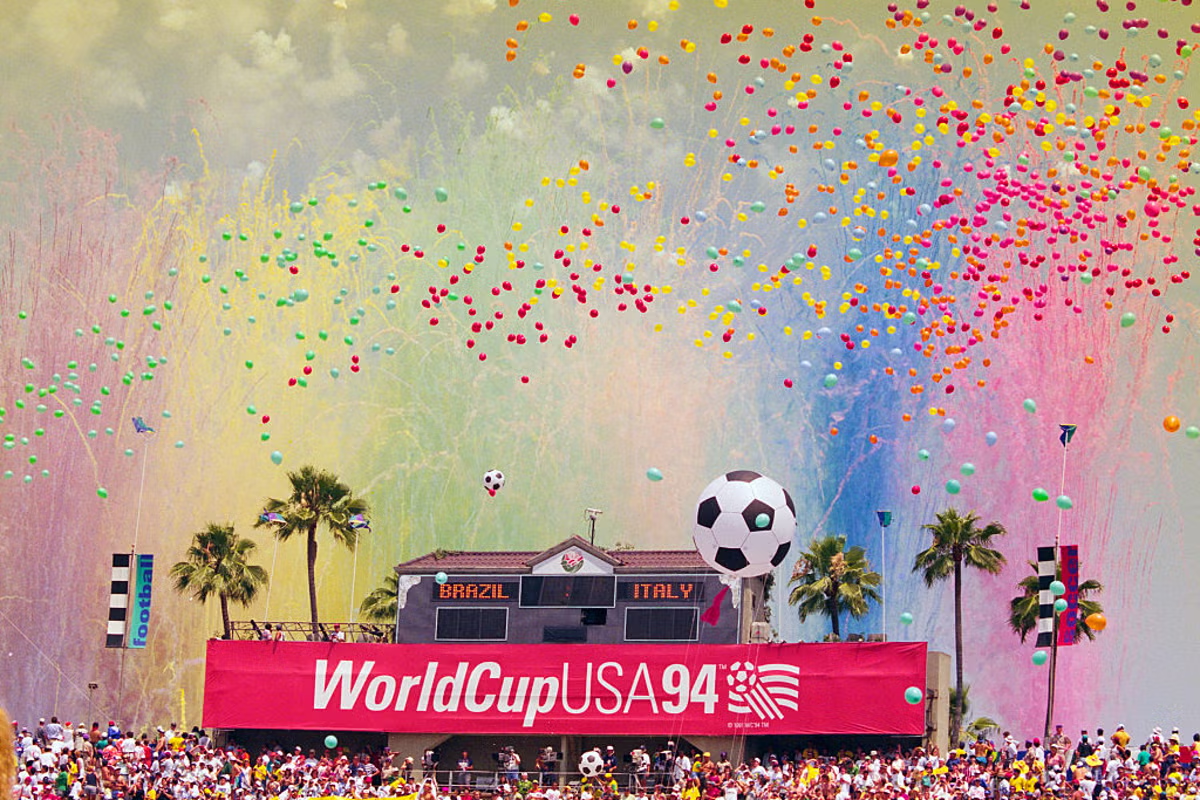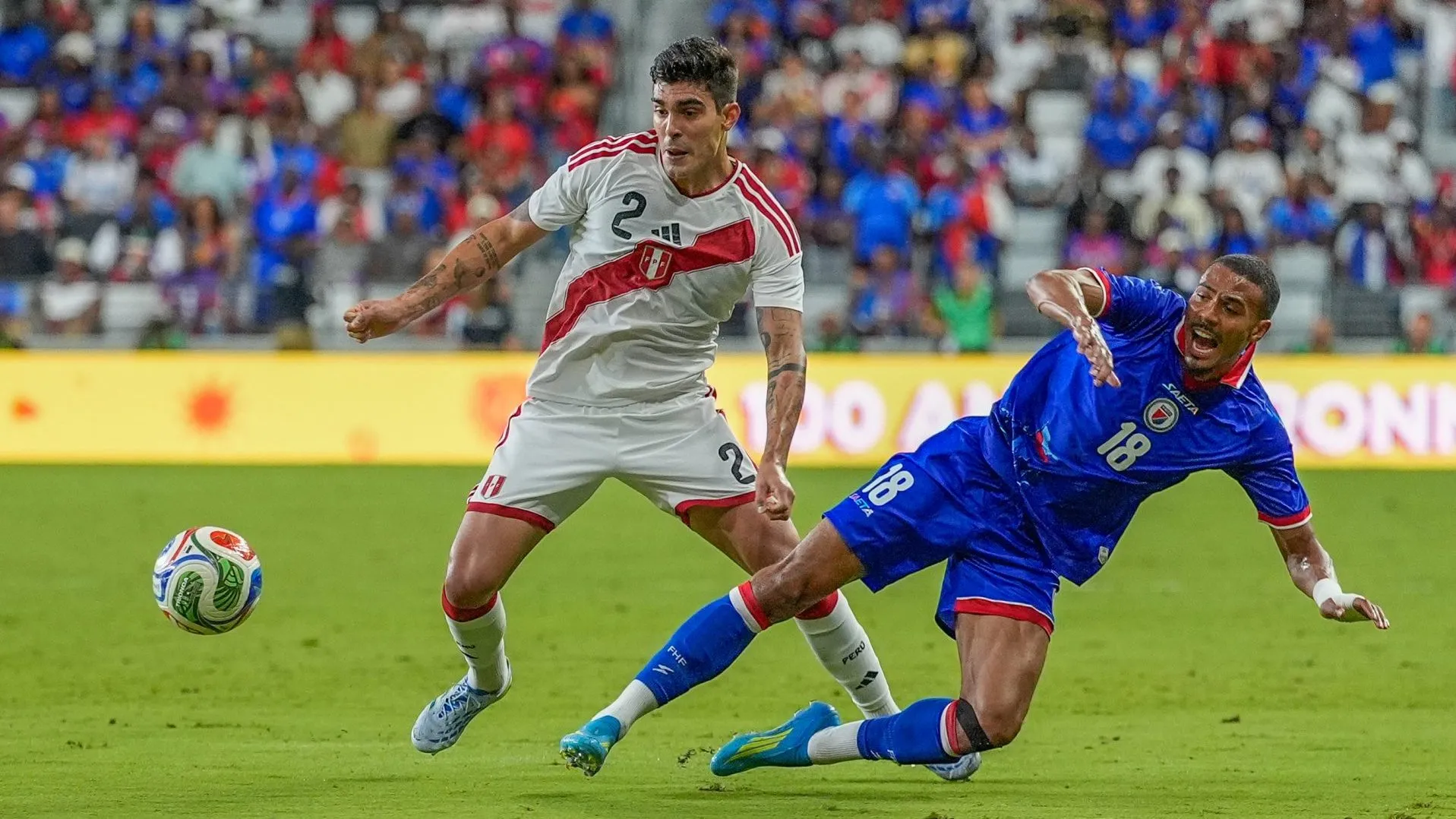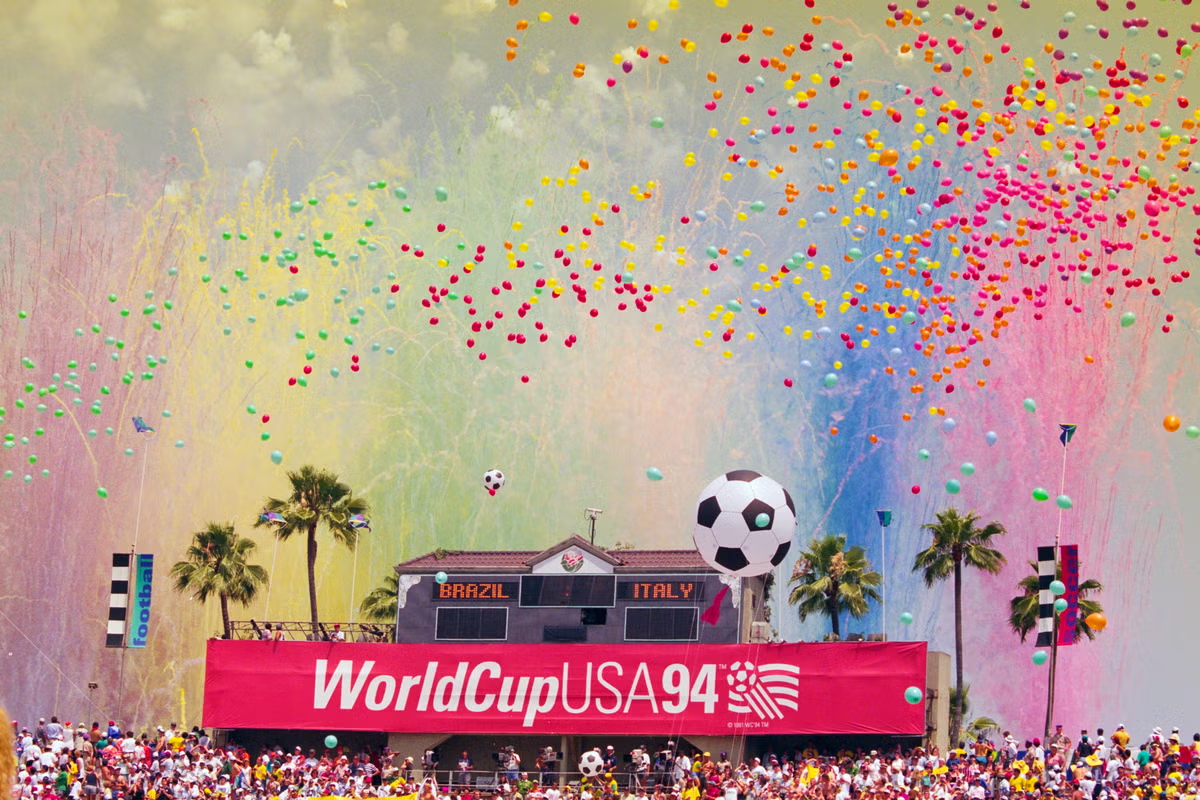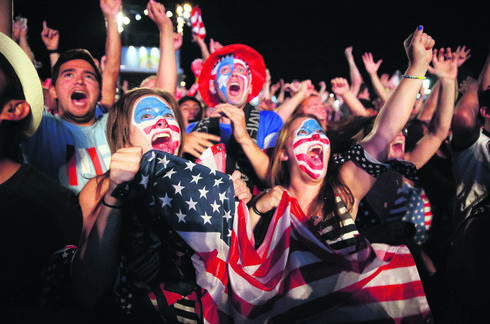
How the 1994 World Cup helped make soccer America’s No. 2 youth sport — and why many US fans may still feel like guests at their own party this yearTzipi Shmilovitz/New York|The 1994 World Cup felt to the United States like an alien spacecraft landing in the hills near the Hollywood sign. It was the first time a country had been awarded the tournament without even having a professional league, and it had to commit to creating one.The U.S. national team players were then mostly college amateurs or players in small leagues abroad. Most Americans knew nothing about soccer. Some resented it as a foreign game, while those who tried to get into it did not understand how a match could end without a winner, why there were no timeouts to grab something from the fridge, or how a game could end without a single goal.5 View gallery American fans are crazy for soccer(Photo: Joe Raedle/Getty Images)All of that meant the organizing committee for the 1994 World Cup faced a challenge probably unlike any other host: building a World Cup from scratch, truly from scratch.“We weren’t sure how much pure soccer fan support we would have,” Alan Rothenberg, chairman of the 1994 organizing committee, recalled in an interview with Yedioth Ahronoth. “All we knew was that Americans love a big event. We said: ‘Maybe we can count on immigrants who came from soccer countries and know what the World Cup is, but for the broader public to know and get excited, we’ll have to give them a very big American event, regardless of soccer.’”And so Oprah Winfrey hosted the opening ceremony in Chicago; Diana Ross performed and took a penalty kick that was supposed to split the goal in two with a Hollywood effect straight out of the blockbuster “Speed,” which had come out at the same time, but she missed spectacularly; the gala before the group-stage draw included performances by Smokey Robinson and James Brown; at the draw itself, the balls were pulled, among others, by boxer Evander Holyfield, Olympic gymnastics champion Mary Lou Retton and Robin Williams, whose expected chaos became a cult moment. Whitney Houston performed at the closing ceremony.“We made people understand that this was a major event you couldn’t miss,” Rothenberg said. “We were also pretty smart about how we distributed tickets. We released them at different times, but in relatively small quantities, so we could always say they were sold out. When you see story after story in the media about tickets being snapped up, you start to worry you’re missing something big.”FOMO before the internet?
The World Cup that changed America’s relationship with soccer
How the 1994 World Cup helped make soccer America’s No. 2 youth sport — and why many US fans may still feel like guests at their own party this year
2,653 words~12 min read