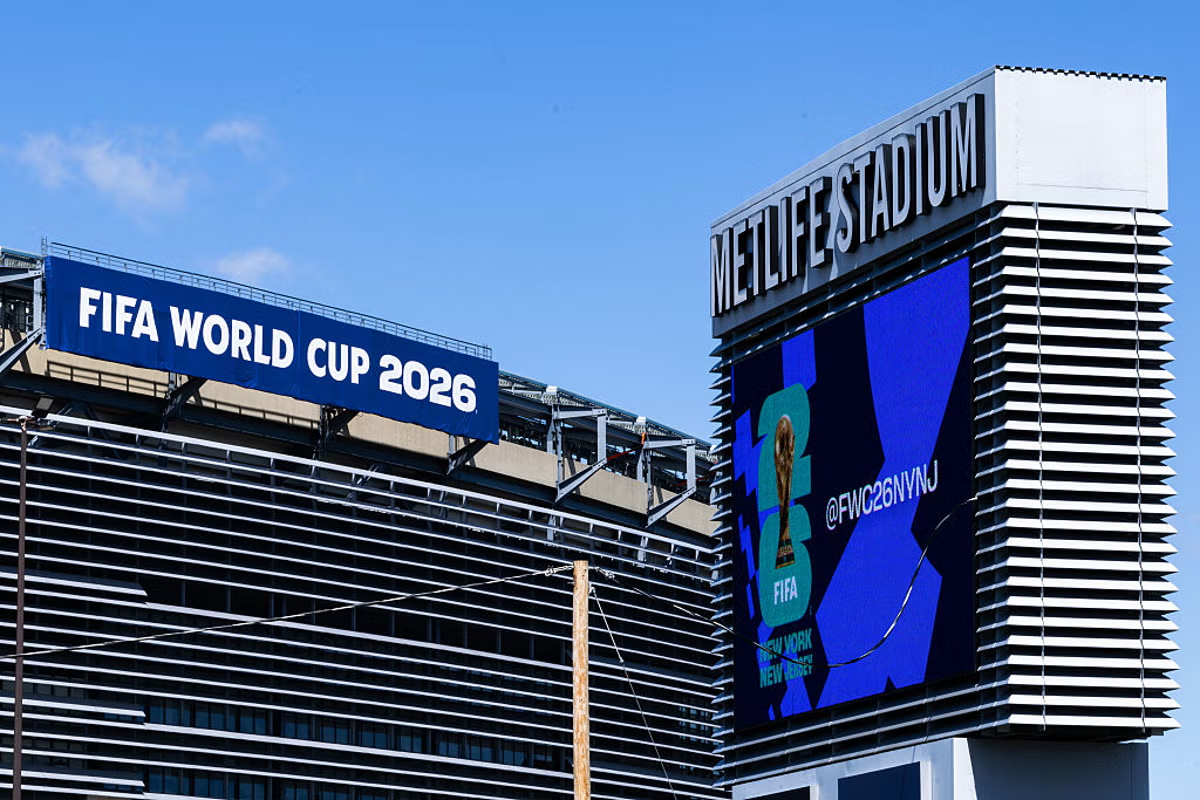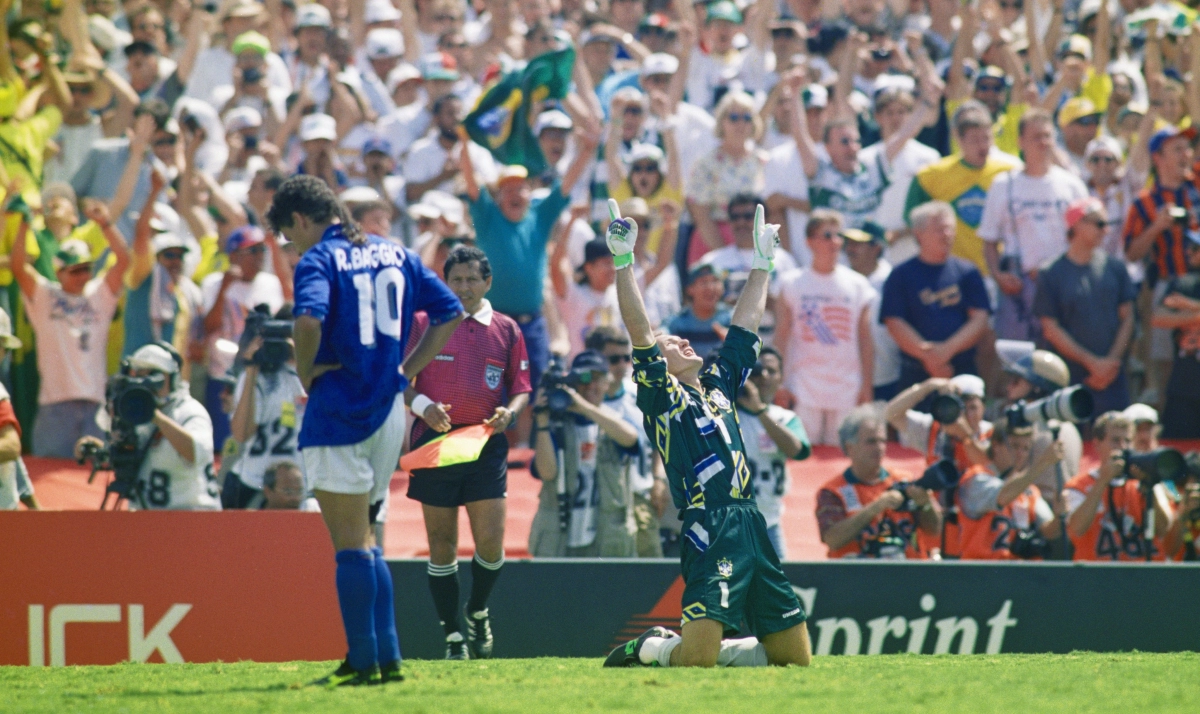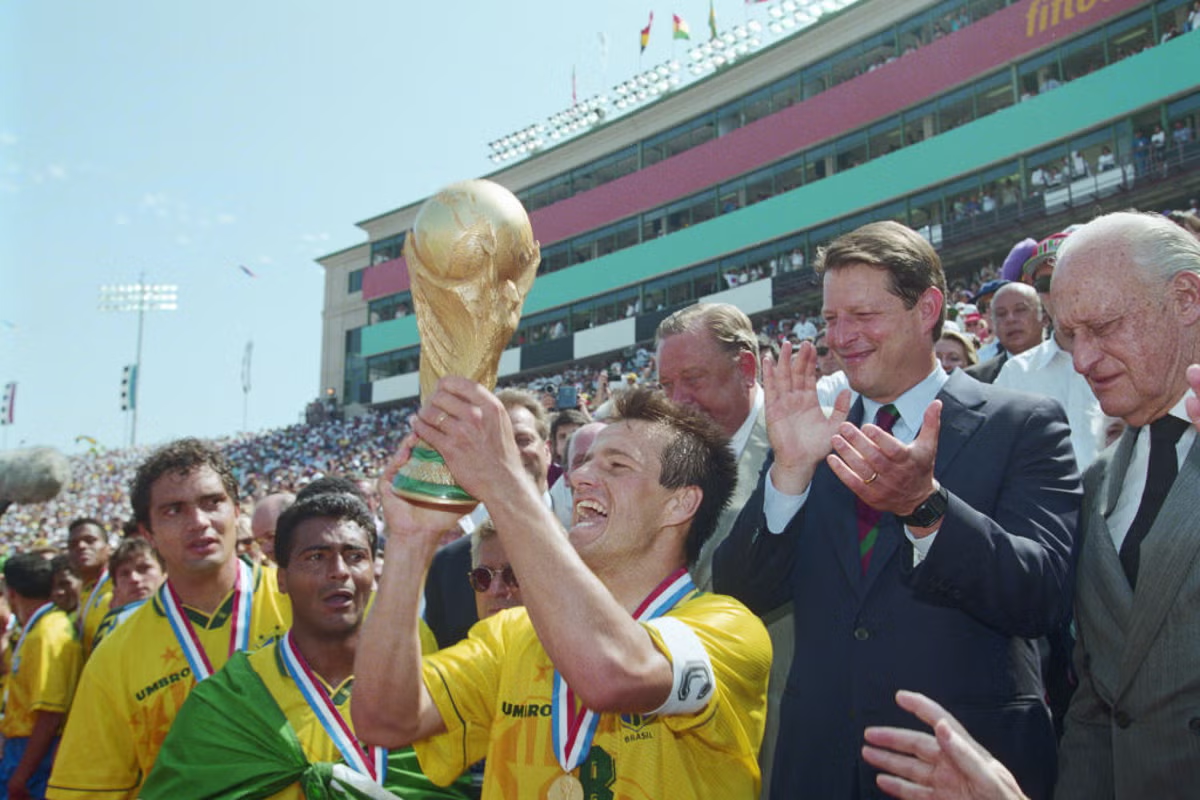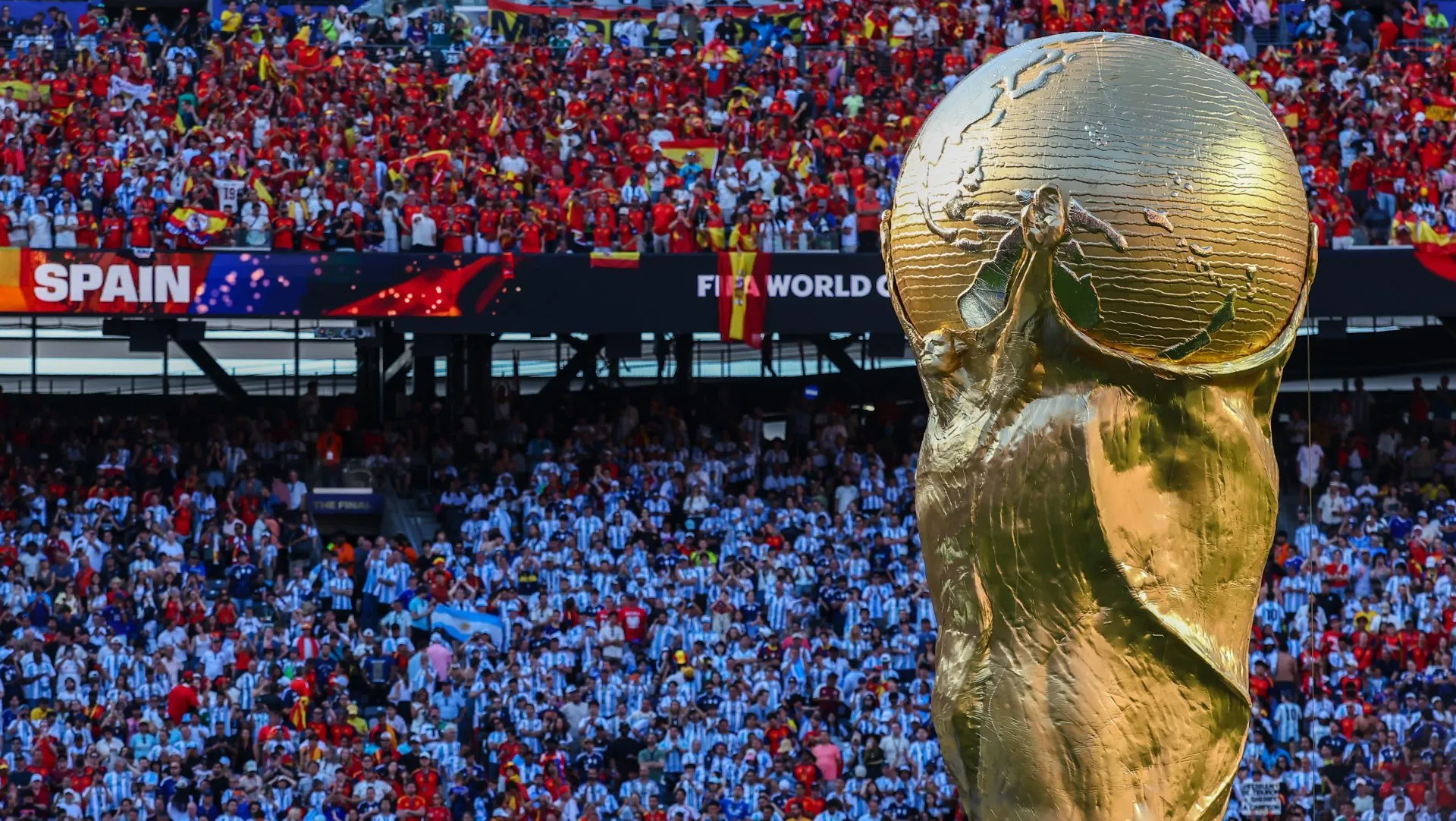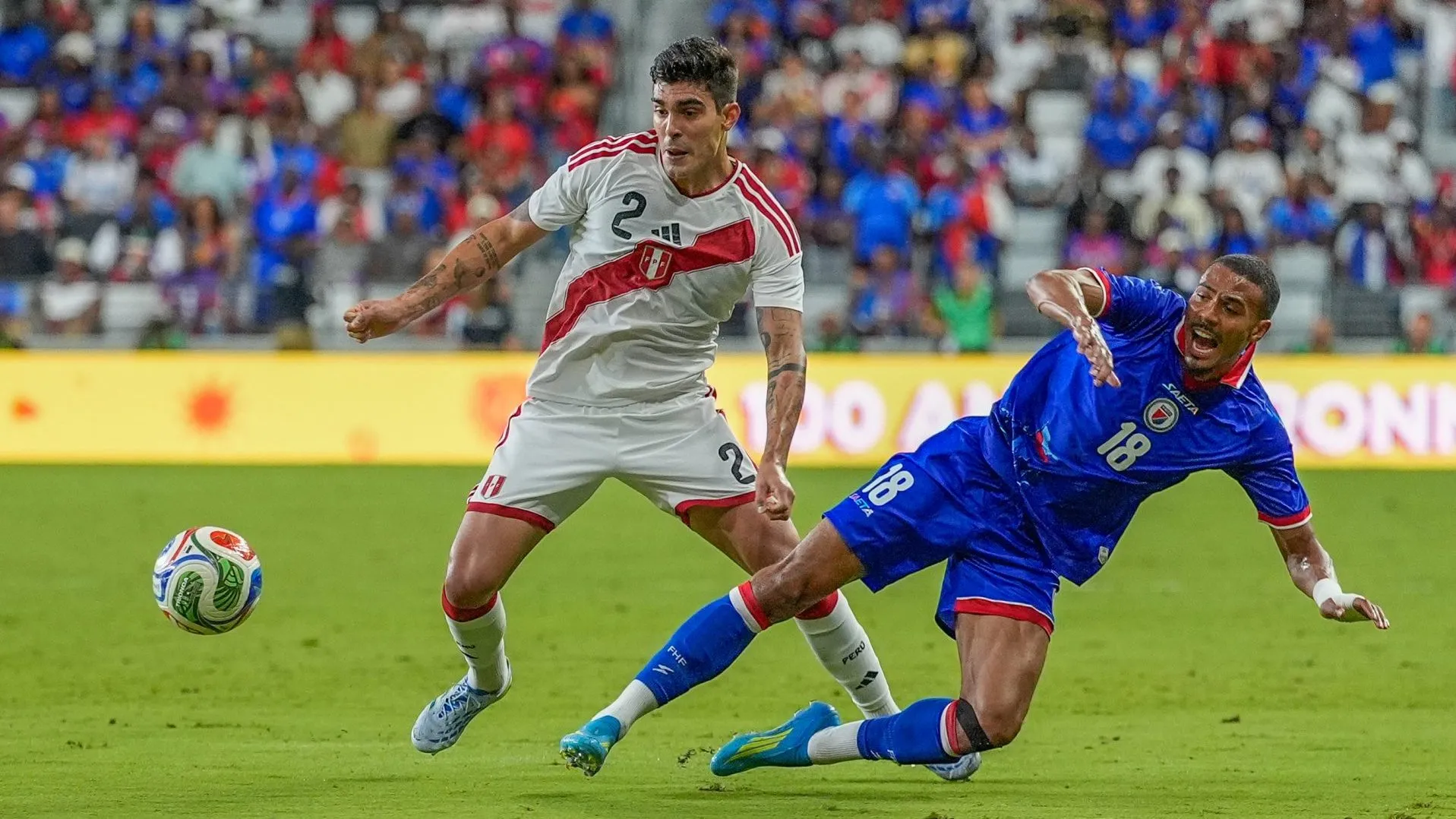
When FIFA first brought the World Cup to the U.S. in 1994, it was making a long-term bet that America would eventually become a soccer country. Among FIFA’s conditions was that the U.S. would launch a professional domestic league, which led to the creation of Major League Soccer in 1996. It proved a smart wager, and three decades later, FIFA is cashing in.
Everything about this World Cup comes back to money: More teams (48) means more matches (104), which means more tickets (an estimated 6.7 million), which means more money to extract from fans and sponsors.
FIFA is confident it will hit its revenue target of $13 billion for the 2023–26 four-year cycle, compared with $7.6bn in 2019–22. It is pushing to do so in all types of ways: working both sides of the resale market, dragging its feet on allowing fans to bring their own water bottles, and trying to persuade supporters to pay $79 to put their names on the screen before the game. FIFA’s desire to monetize the game every step of the way is leaving Europeans, at least, aghast.
For better or worse, FIFA has already changed the World Cup as we know it, and as the tournament starts, fans and players will see the impact of its tournament expansion on the pitch, too.