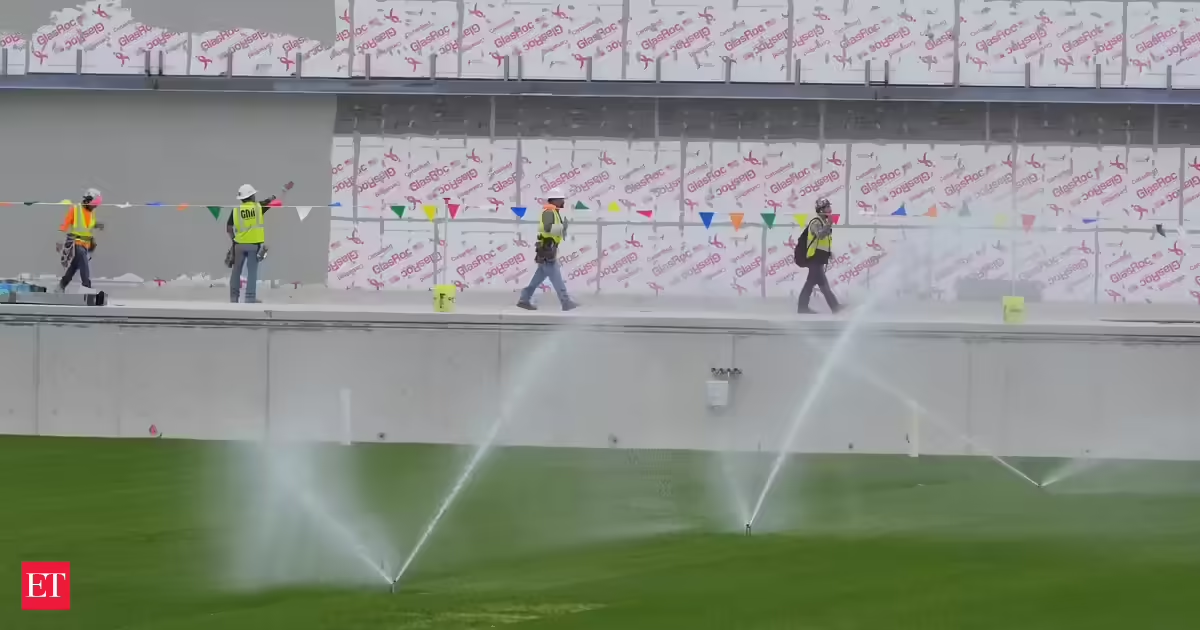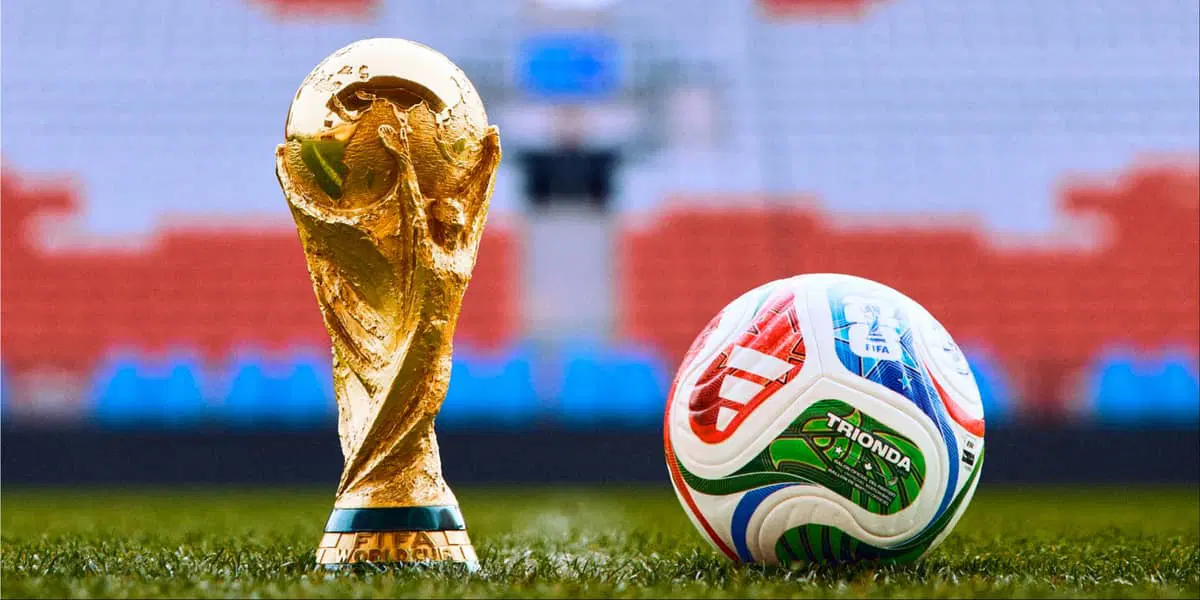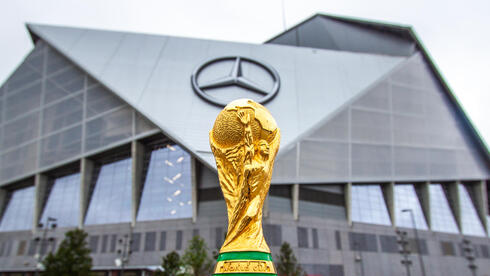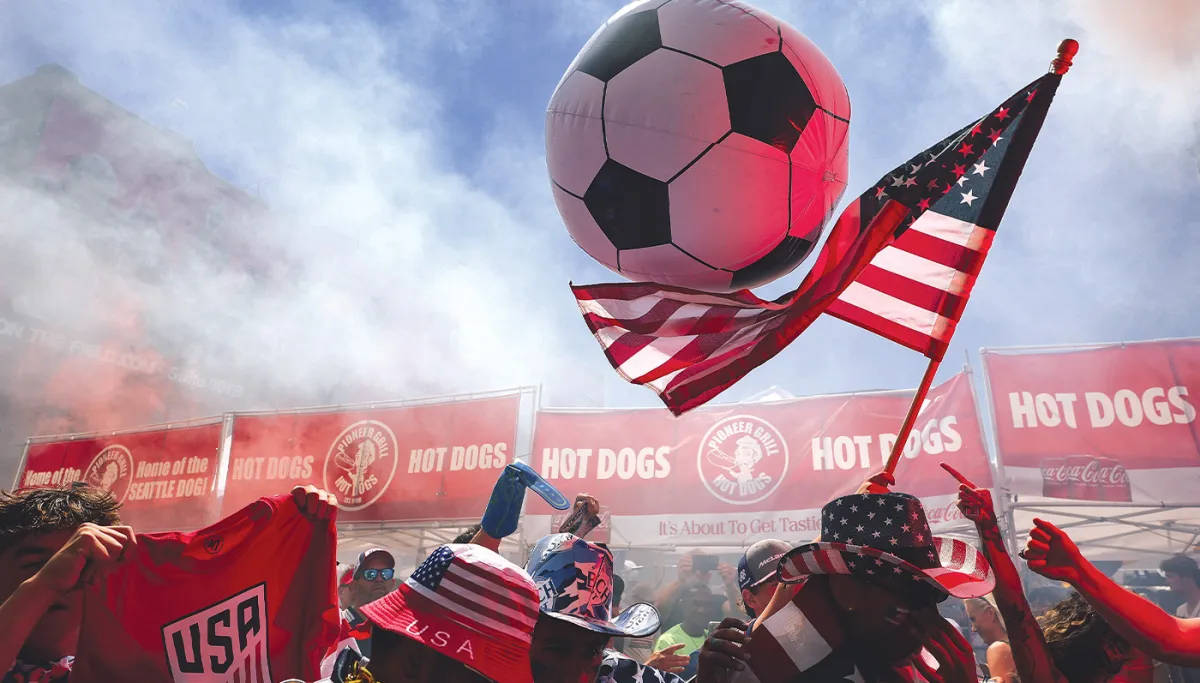
The 2026 FIFA World Cup stands as the largest edition in the tournament’s history, featuring 48 teams and 104 matches across 16 venues in the United States, Canada, and Mexico. It opened on June 11 against the backdrop of America’s 250th anniversary celebrations, a milestone that President Donald Trump has explicitly linked to the event through the creation of a dedicated White House task force charged with coordinating federal efforts. Trump has described the tournament as an opportunity to showcase the nation’s greatness while ensuring robust security for participants and spectators alike. The scale alone — several million visitors have poured through the country over the tournament’s five-week run — has made the World Cup both a massive sporting spectacle and a test of logistical and policy coordination on an unprecedented level.This gathering has arrived at a moment when the United States is simultaneously hosting the world and handling our own domestic priorities. Just days after the opening matches, on Flag Day and the president’s 80th birthday, the South Lawn hosted another high-profile athletic event framed as part of the semiquincentennial observances, which I wrote about in these pages several weeks ago. The World Cup has extended that emphasis on competition and national pageantry across soccer‘s global platform, where teams from every continent compete under the same rules with outcomes decided solely by skill, preparation, and execution on the field. If sports is the last arena in life in which pure meritocracy still reigns, during the World Cup, this arena expands to encompass the entire globe — and those of us here in the U.S. have had the once-in-a-generation chance to watch it all play out right here in our backyard.During the opening weeks of the tournament, the U.S. secured a convincing 4-1 victory over Paraguay in our Group D opener, with Folarin Balogun scoring twice during the first half alone. Former U.S. soccer star Alexi Lalas, now broadcasting for Fox Sports, characterized it as the greatest half of group-stage play that a U.S. men’s team has produced at a World Cup. Two days later, the Netherlands and Japan delivered a 2-2 draw in Arlington, Texas, with Japan twice fighting back from deficits — and their fans, continuing a longstanding tradition, stayed behind after the final whistle to collect litter, leaving the venue cleaner than they found it. (Even after they lost a heartbreaker to Brazil, their fans still stayed behind to clean up the stadium. Japan may’ve lost in the World Cup, but it surely won this year’s international etiquette award.)
The World Cup comes to America
If sports is the last arena in life in which pure meritocracy still reigns, during the World Cup this arena expands to encompass the entire globe.
2,687 words~12 min read