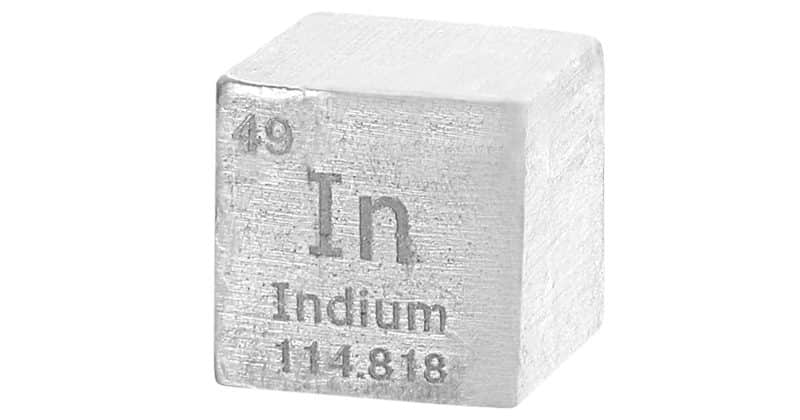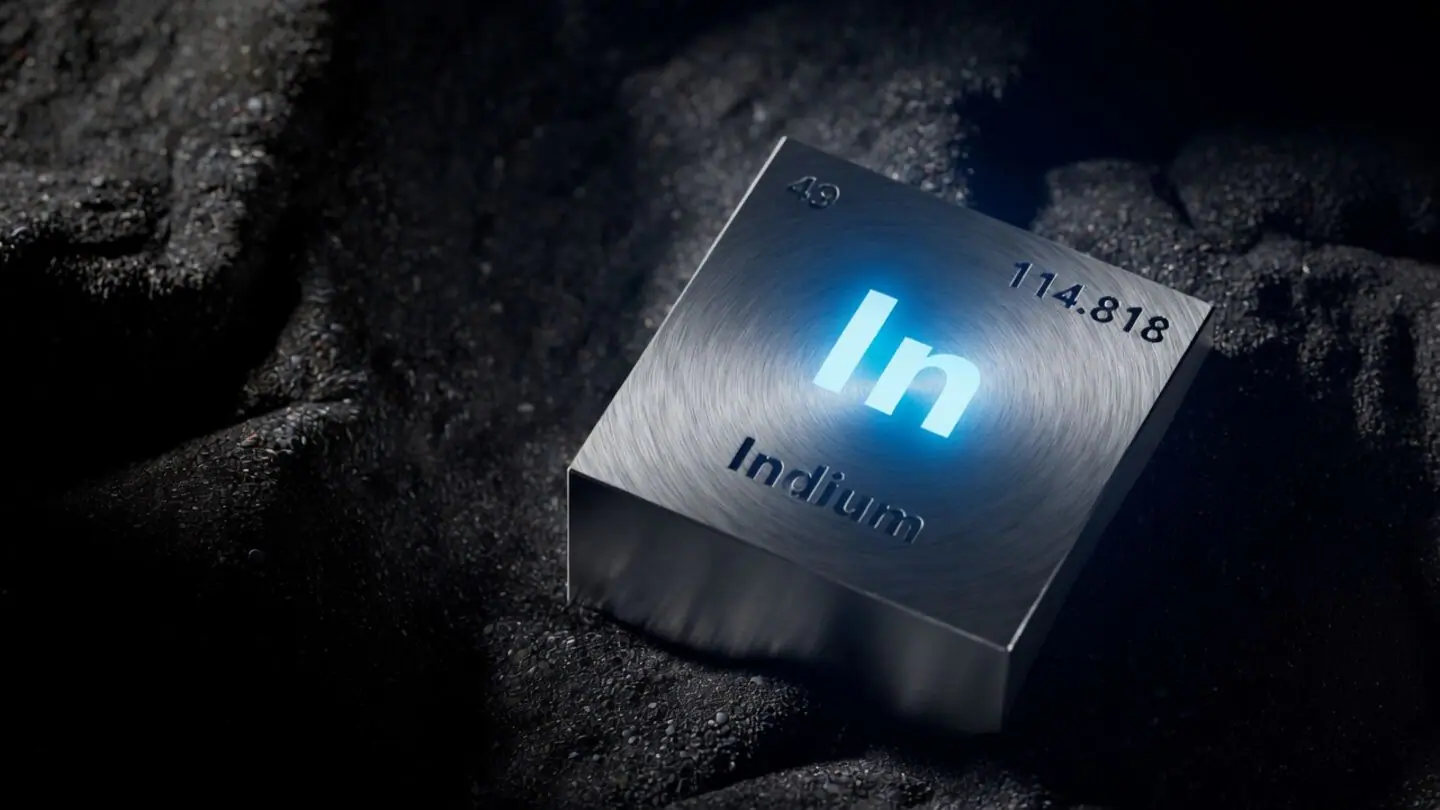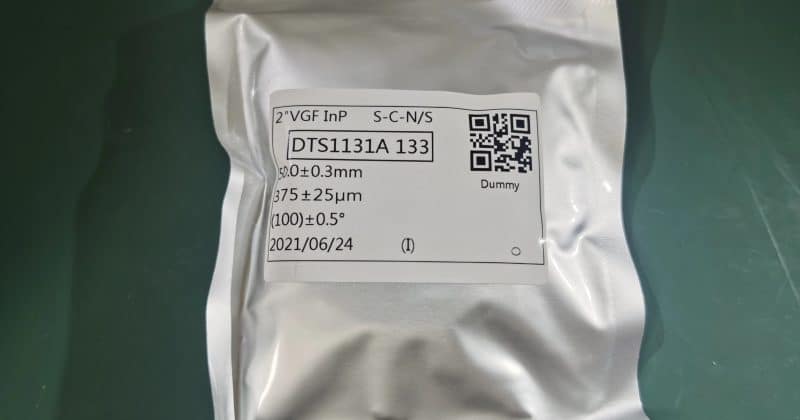
There’s a compound called indium phosphide that you’ve probably never thought about. It sits inside the optical transceivers that let AI data centers move massive amounts of data at blistering speeds. And right now, China has its hand firmly on the supply valve.
Beijing added indium phosphide, commonly referred to as InP, to its export control list on February 4, 2025. The move created a permitting bottleneck that has rippled through the global supply chain for high-speed optical components, the kind needed to wire up the hyperscale AI clusters that every major tech company is racing to build.
The chokepoint no one saw coming
Inside a modern AI data center, thousands of accelerators need to communicate with each other at extraordinary speeds. That communication happens through optical transceivers, and the highest-performance versions of those transceivers, the 800G and beyond models that next-generation AI clusters require, rely on indium phosphide substrates.
Over 60% of InP consumption goes to optical communications and AI data centers.