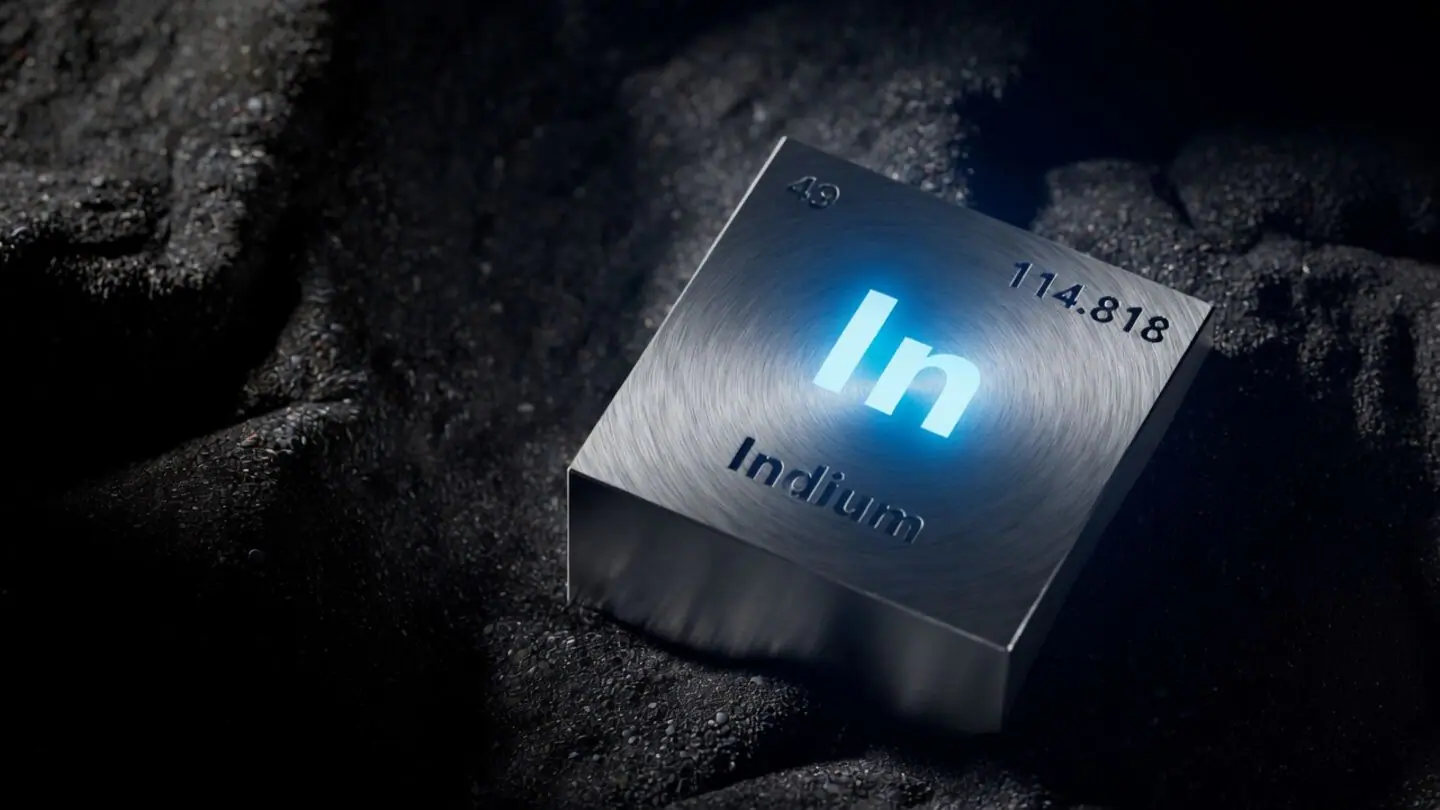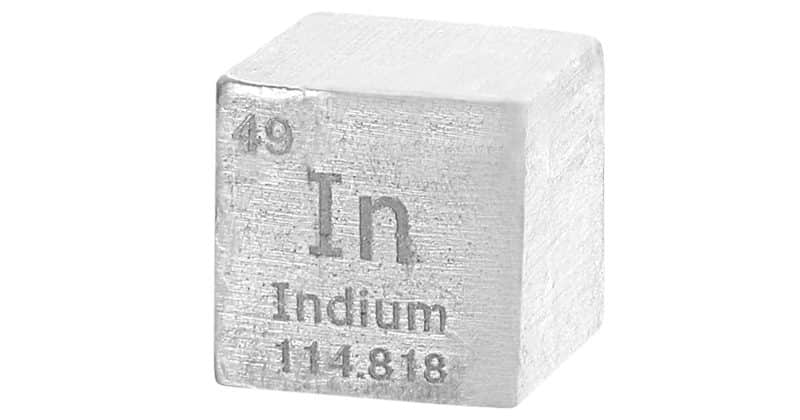
The metal you’ve probably never heard of is quietly becoming one of the most consequential bottlenecks in the AI revolution. China has intensified scrutiny on indium exports, tightening checks on a material that sits at the foundation of the high-speed optical chips powering next-generation AI data centers.
Here’s why that matters: China controls roughly 70% of the world’s indium supply. When the country decides to slow-walk export approvals for a critical semiconductor input, the entire global tech supply chain feels the squeeze.
From obscure metal to geopolitical lever
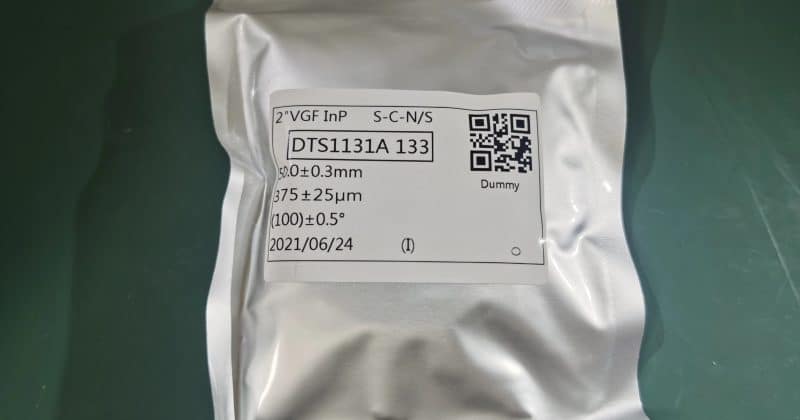
The story starts in February 2025, when Beijing added indium phosphide (InP) to its export control list. InP is the compound semiconductor material used to manufacture the high-speed optical chips that shuttle data around inside AI data centers. In practice, license delays have functioned as a soft restriction, choking supply to international buyers who depend on Chinese-sourced indium as feedstock.
The results have been dramatic. Prices for 6-inch InP wafers have surged roughly 250%, climbing from around $1,429 to $5,000 since the restrictions took effect in early 2025.