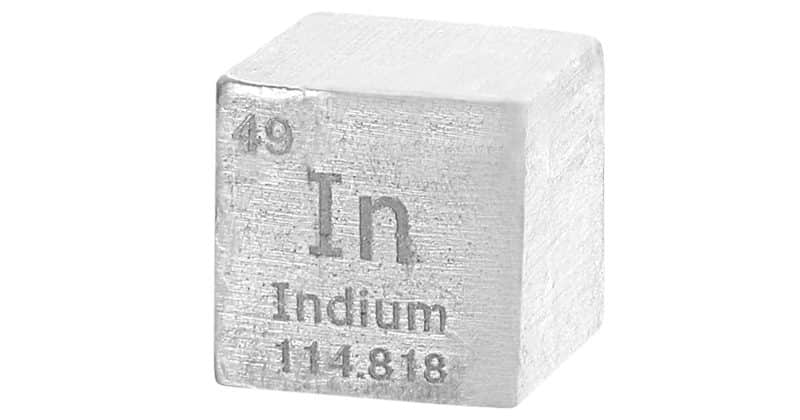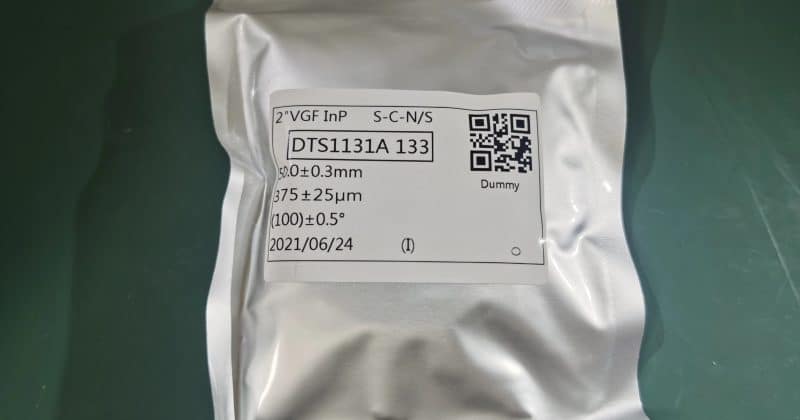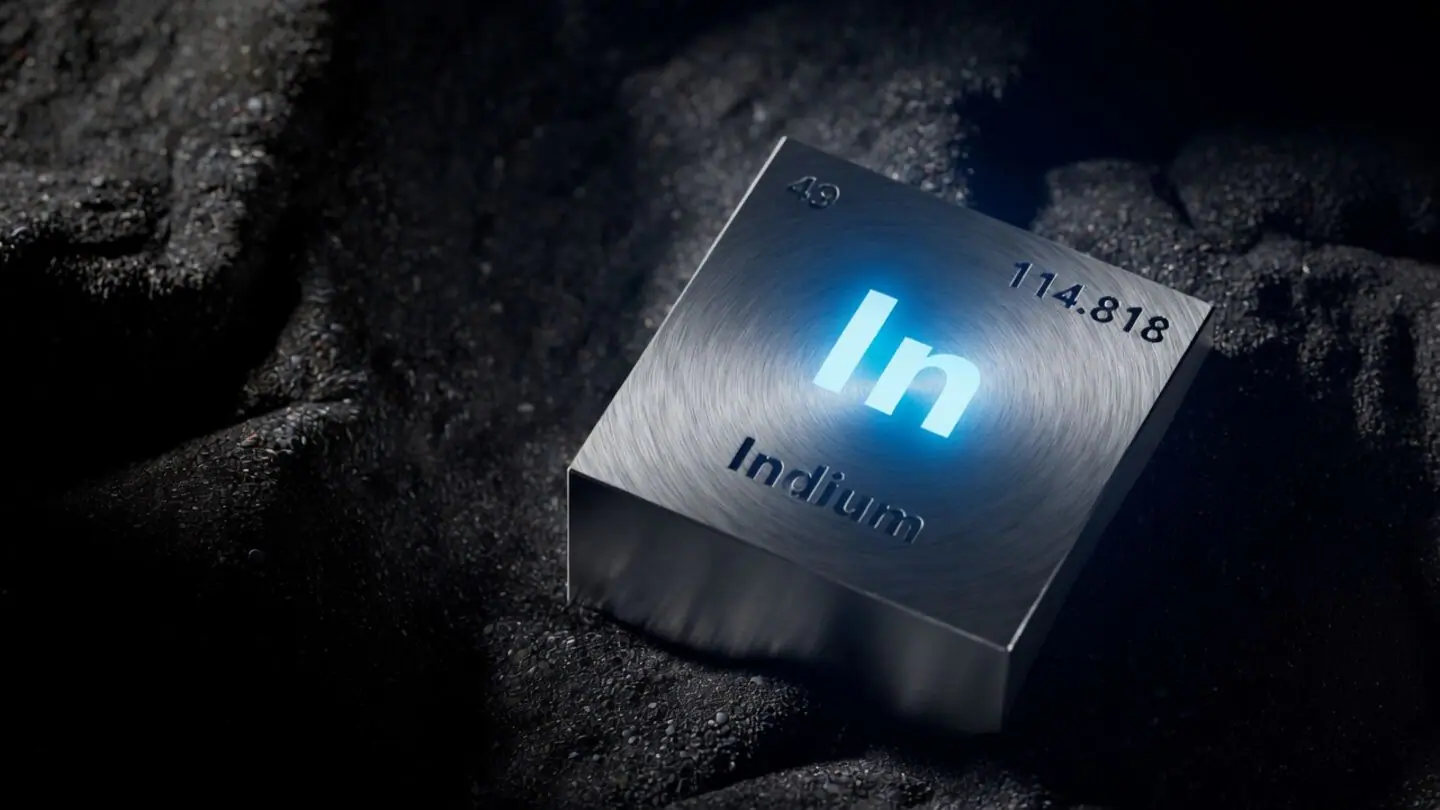
The bottleneck in the AI buildout is turning out to be a metal most people have never heard of. China has tightened its scrutiny of exports of indium phosphide, a compound essential to the high-speed optical chips that move data inside AI data centres, in a move that threatens to slow the very infrastructure the technology depends on.
Indium phosphide, or InP, is not a household material, but it is becoming a strategic one. As data-centre operators shift from pushing electrical signals through copper to sending light through optical fibres, a technique known as photonics, InP has become the core material with no ready substitute.
The faster the AI industry wants to move data between chips, the more it needs the compound, and China sits at the chokepoint.
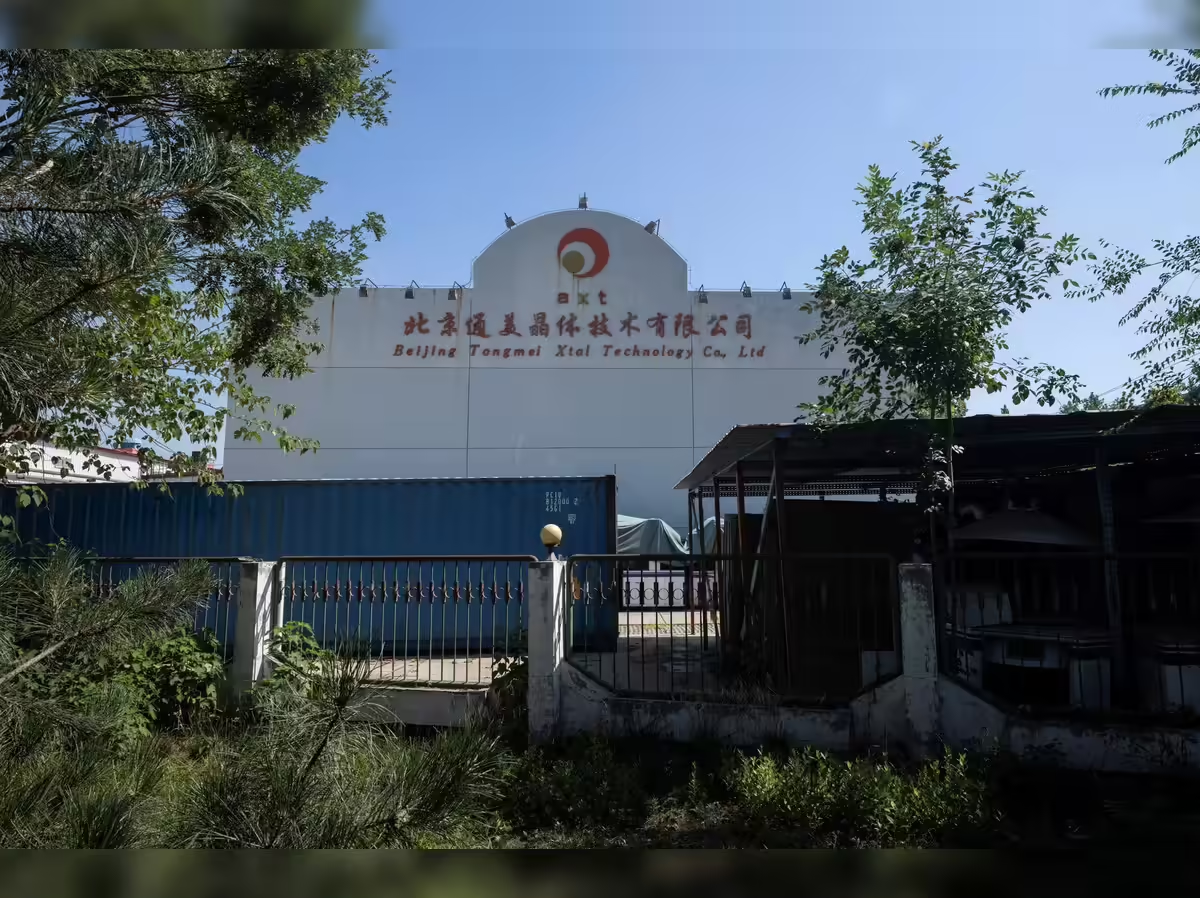
That position is a matter of geology and processing. China produces around 70% of the world’s indium, and since export controls on InP took effect in early 2025, Beijing has been slow to approve the licences that let the material leave the country.
The delays, rather than an outright ban, are the lever: a permit that does not arrive is as effective as a prohibition, and harder to challenge.