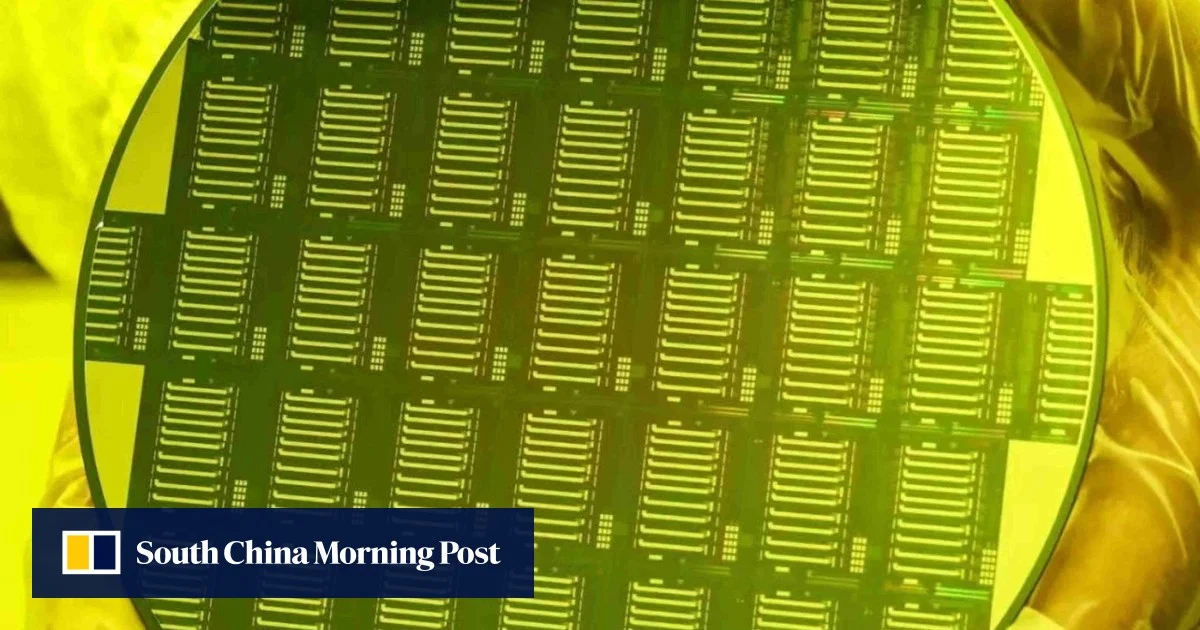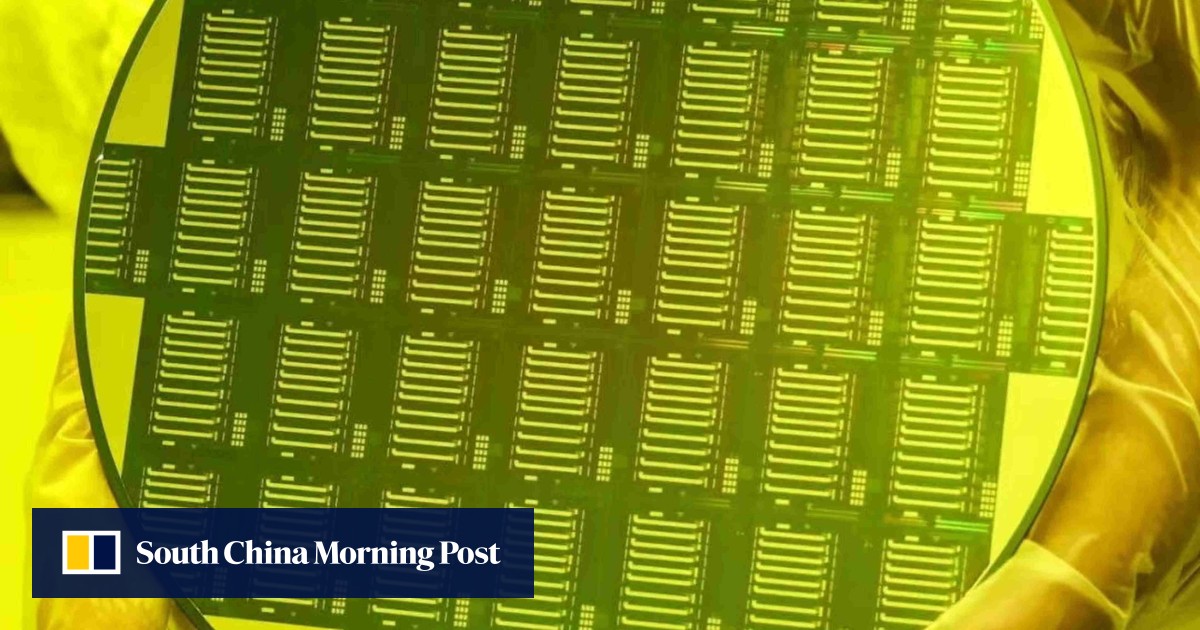
TL;DRChina has opened its first dedicated photonic computing lab in Shanghai, a joint venture between Shanghai Jiao Tong University and startup Lightelligence. The facility signals Beijing’s bet on light-based chips as a strategic workaround to US semiconductor export controls that have restricted access to conventional AI hardware.
China has launched its first dedicated photonic computing laboratory in Shanghai, signalling that Beijing sees light-based chips as a strategic route around Washington’s tightening grip on conventional semiconductor exports. The Shanghai Key Laboratory of Integrated Photonic Computing Chips and Systems opened on 11 June at Shanghai Jiao Tong University, the state-backed Jiefang Daily reported.
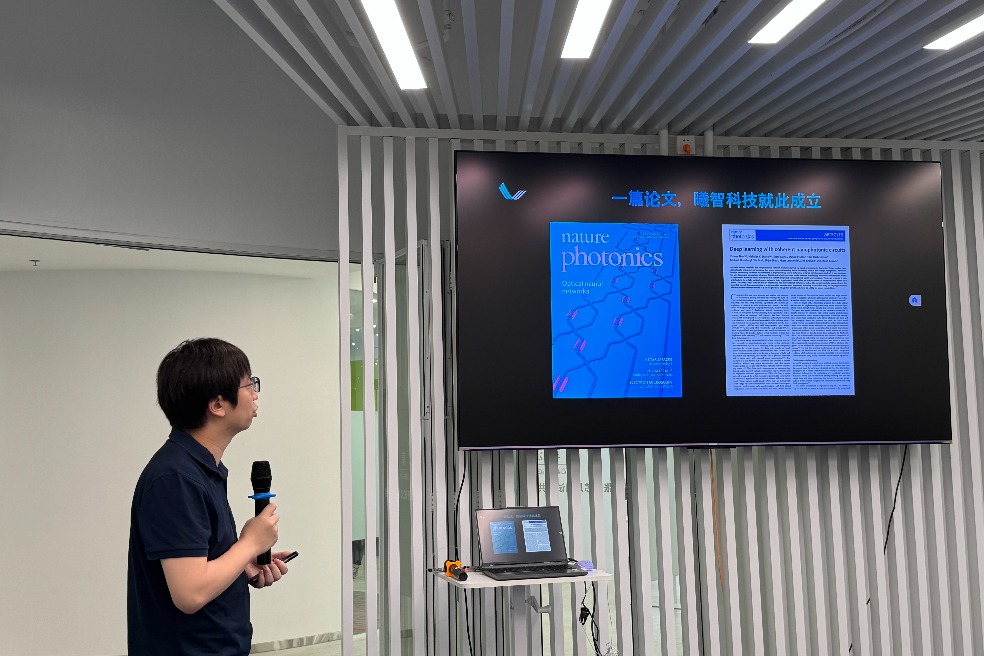
The lab is a joint effort between the university and Shanghai-based Lightelligence, one of the country’s leading photonic computing startups. Lightelligence listed on the Hong Kong stock exchange in April, surging roughly 380% on its first day of trading, and claims to be the first company in the world to achieve large-scale deployment of hybrid optical-electronic computing, though that assertion has not been independently verified.
Why photons could matter for AI
Conventional AI chips push data through silicon circuits using electrons. Photonic chips swap electrons for photons, particles of light that travel faster and generate far less heat.