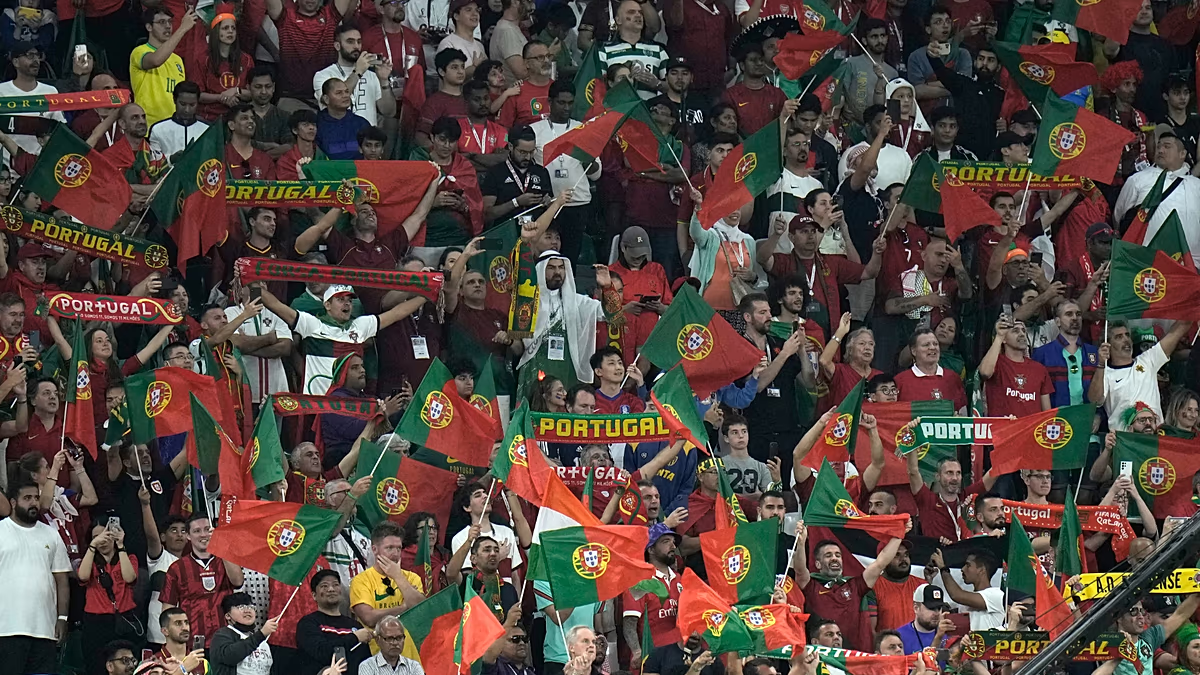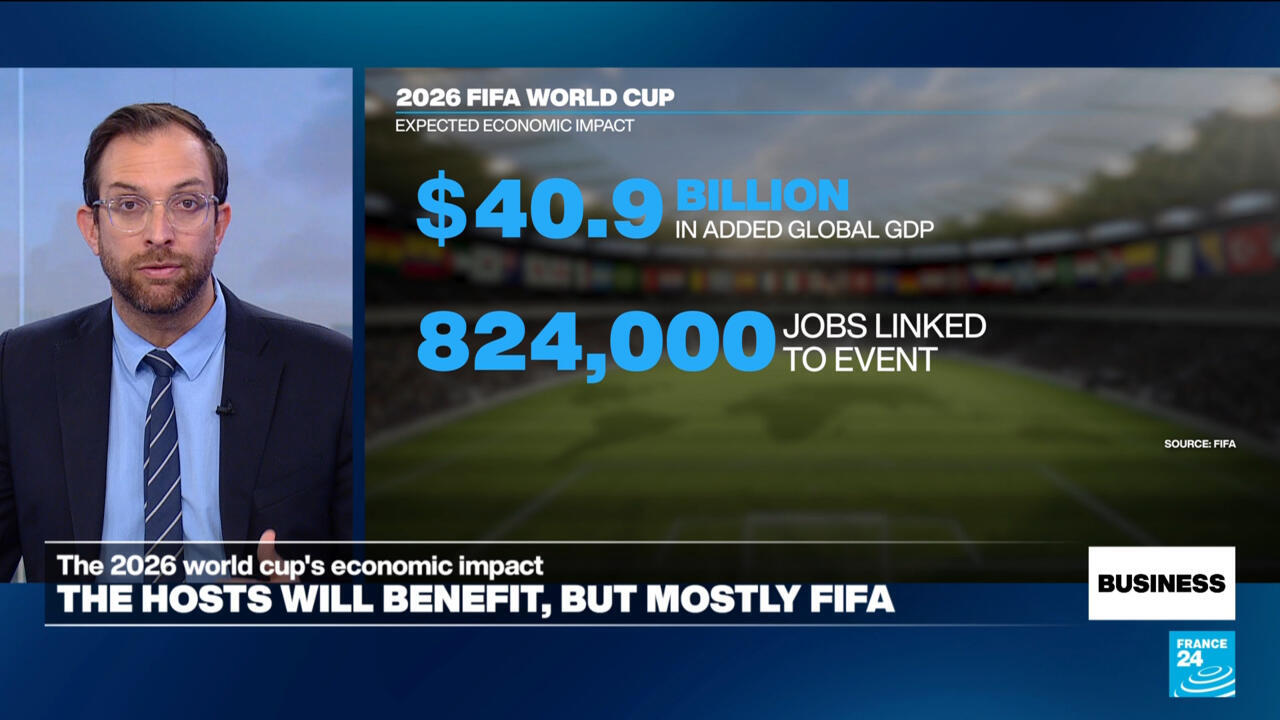
Although it is not a host nation, Portugal could generate up to €945 million from the 2026 FIFA World Cup, according to a study by IPAM, the Portuguese Institute of Marketing Administration, which analysed the tournament’s potential impact on the Portuguese economy.
The study points to a structural shift in football’s economic model, arguing that its impact no longer depends on geography but on the ability of fans, brands and media to amplify the event before, during and after matches.
The analysis, conducted by IPAM’s Sports Marketing Research Unit, estimates an economic impact of between €378 million and €945 million, depending directly on the Portuguese national team’s performance.
The lowest estimate, corresponding to Portugal being eliminated in the group stage, is €378 million. In an intermediate scenario, with the team reaching the last 16, the impact could rise to €561 million. If Portugal were to win the tournament, it could reach €945 million.
According to the study, the projected growth is driven by four main factors: higher purchasing power; the tournament being hosted in economically strong markets – the United States, Canada and Mexico; the expansion of the World Cup to 48 teams and 104 matches; and the consolidation of the digital economy as a new source of value.