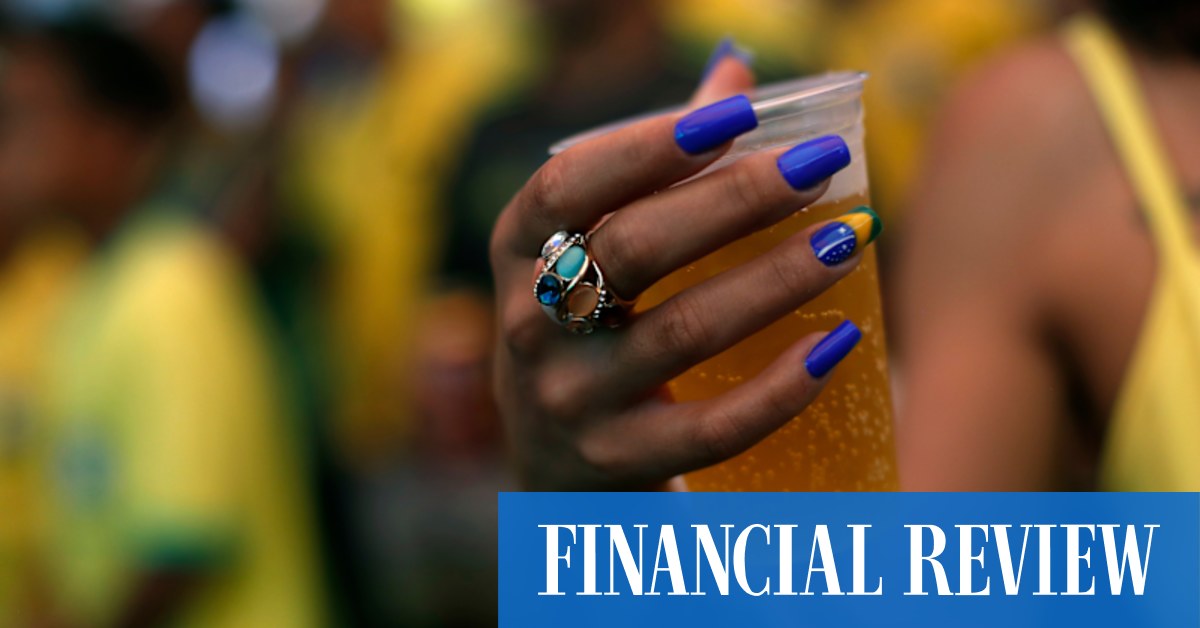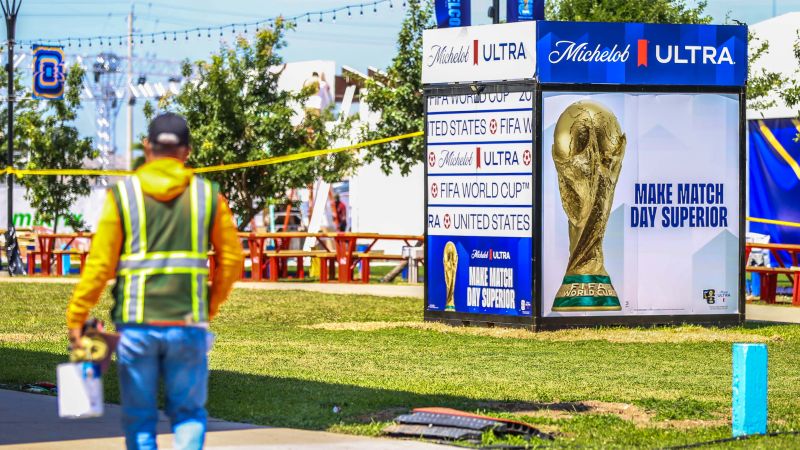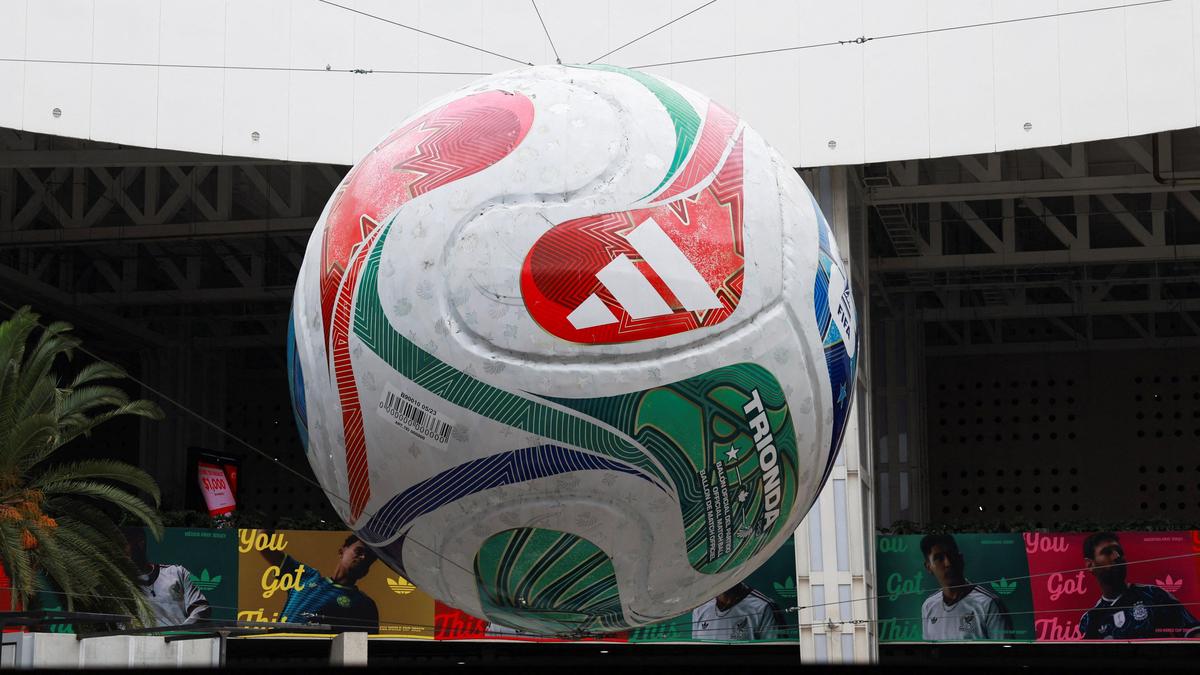
The 2026 FIFA World Cup is expected to provide a significant boost to global beer consumption, with more than 1 billion pints projected to be consumed during the tournament, according to analysts at Jefferies, reports Reuters. The brokerage estimates the event could increase beer industry volumes by 0.3%, with gains anticipated in major markets including the United States, Mexico, Brazil and China. Analysts told Reuters that the month-long tournament is likely to support consumer spending across several industries, ranging from hospitality and travel to retail and sportswear, at a time when broader demand remains relatively subdued. World Cup expected to generate billions in economic activity Scheduled from June 11 to July 19, the 2026 FIFA World Cup will be the largest edition of the tournament and the first to be jointly hosted by three countries: the United States, Canada and Mexico. According to FIFA's socioeconomic impact analysis conducted with the World Trade Organization, the event could contribute approximately $41 billion to global GDP through increased economic activity and consumer spending. Beer industry seen as a major beneficiary Jefferies analysts said the tournament's timing and geographical footprint create favourable conditions for beer consumption, as per Reuters report. The brokerage noted that about 75% of the matches will be played in the United States, while 84% of fixtures involving participating nations are scheduled in time zones considered favourable for beer consumption markets. "After five successive years of volatility, beer should be better in 2026," Jefferies analysts said. The expected increase in demand is likely to benefit beer markets across North America, Latin America and parts of Asia during the tournament period. Hotel and travel companies positioned to gainAccording to analysts that spoke to Reuters expect hospitality and travel-related companies to benefit from the influx of visitors. According to B Riley, the tournament could attract around 13.1 million visitors, including both ticket holders and non-ticketed attendees. The brokerage estimates that these visitors will generate approximately 21.3 million hotel room nights booked through online travel platforms. Hotel operators such as Marriott International, Hilton Worldwide and Hyatt Hotels Corporation are expected to benefit from the increase in travel demand. Online accommodation and booking platforms including Airbnb, Booking Holdings and Expedia Group are also seen as potential beneficiaries. Marriott has indicated that momentum generated by the tournament could extend into the third quarter, while Airbnb expects hosts in the New York-New Jersey area, Boston and Los Angeles to record some of the strongest earnings during the competition. Airlines may receive demand boost despite fuel concerns Analysts at Goldman Sachs said the World Cup could be a net positive for US airlines, as reported by Reuters. The brokerage noted that June is typically a seasonally weaker period for inbound leisure and corporate travel, while peak outbound travel generally occurs later in the summer, after the tournament concludes. However, rising jet fuel prices linked to the war with Iran have increased operating costs for airlines. Higher fares resulting from those costs have prompted some budget-conscious travellers in the United States to postpone or cancel summer travel plans. Consumer spending surge expected during tournament Market analysts believe the World Cup's scale and global reach will generate substantial spending across multiple sectors during the six-week event. With millions of visitors expected to travel across host cities and billions of viewers projected to follow the tournament worldwide, companies tied to beverages, hospitality, accommodation and transportation are expected to see increased demand as the competition unfolds.
FIFA 2026 World Cup to boost beer sales by over 1,000,000,000 pints: Event to boost global GDP by more than $41 billion
The 2026 FIFA World Cup is set to significantly boost global beer consumption, with over a billion pints expected. Analysts predict a 0.3% increase in beer industry volumes. The month-long event will also drive consumer spending across hospitality, travel, and retail sectors. Billions in economic activity are anticipated, benefiting companies like Marriott, Hilton, and airlines.
574 words~3 min read