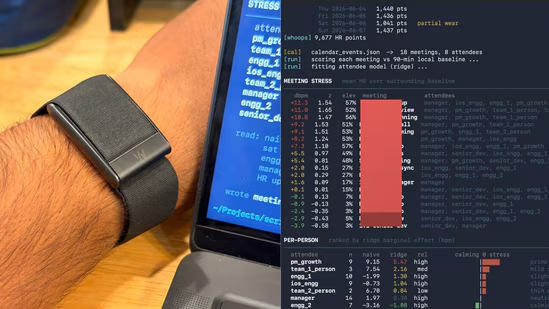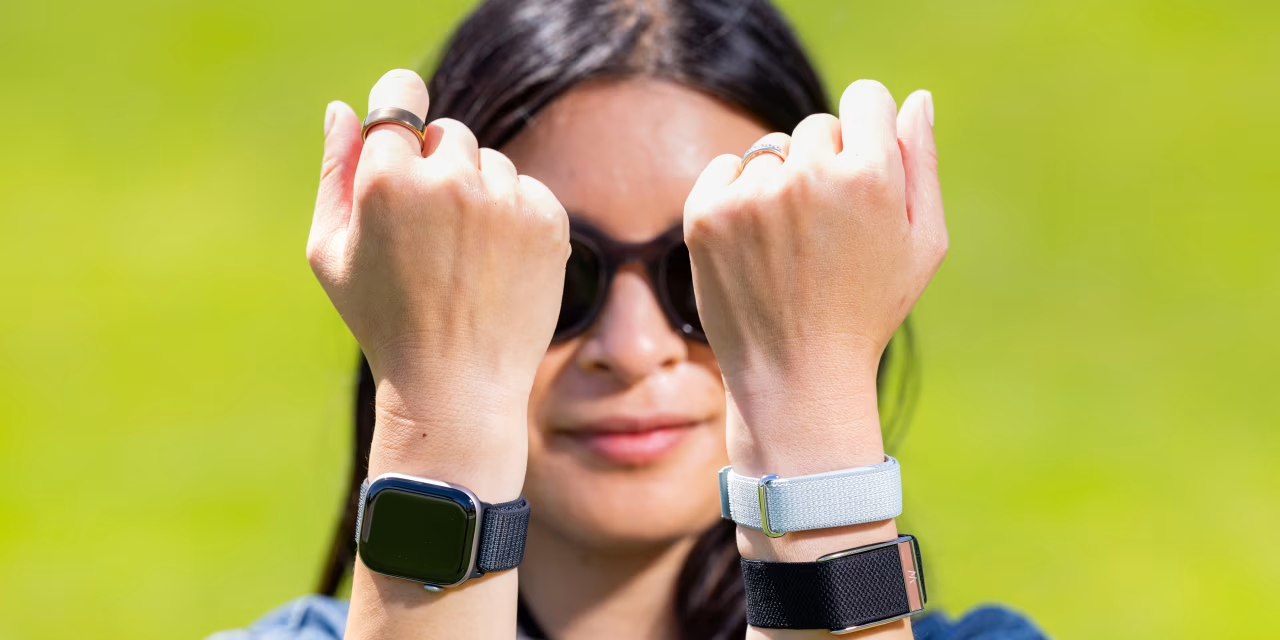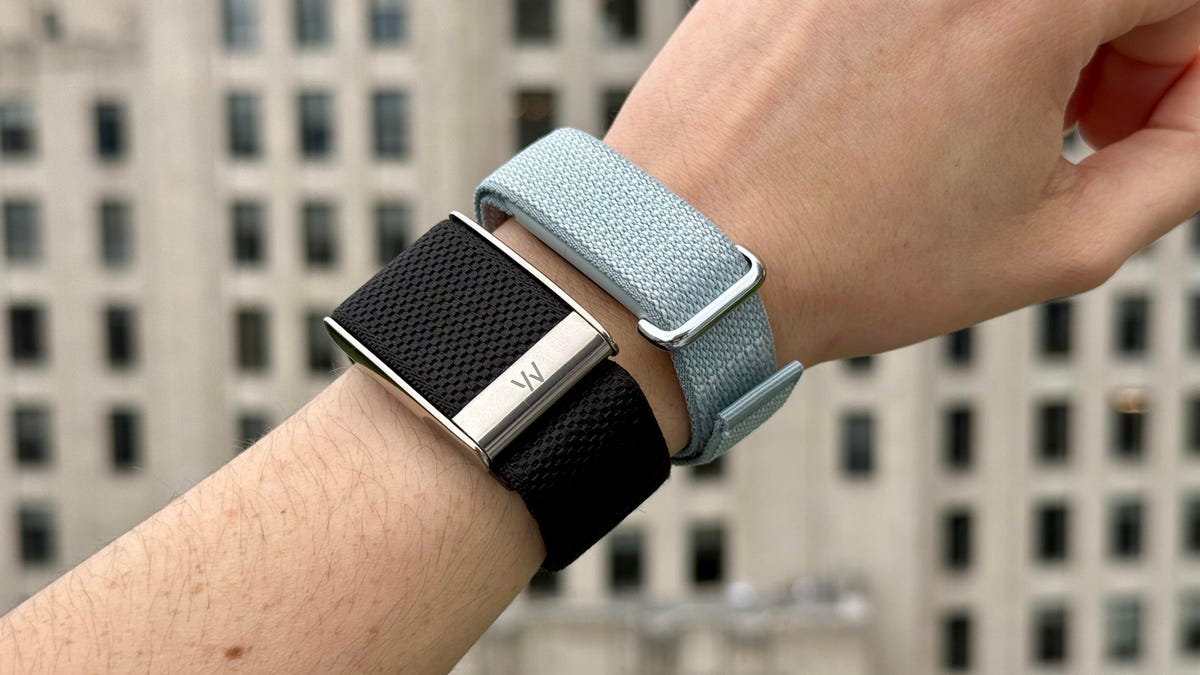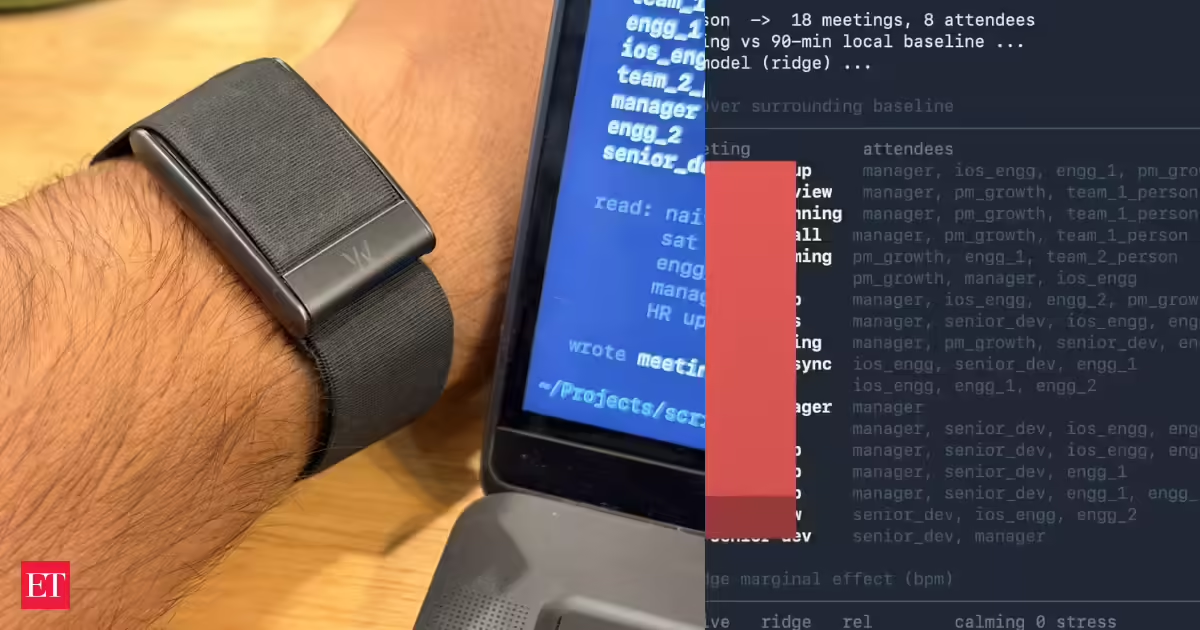
Most employees dread stressful meetings. Software engineer Pankaj Tanwar decided to measure them. By linking his Whoop fitness tracker to his work calendar and analysing minute-by-minute heart rate data, Tanwar built a system that identifies which meetings—and which coworkers—trigger the biggest stress spikes. In a post on X that quickly went viral, Tanwar explained how he used Fable to reverse-engineer his Whoop fitness tracker and access minute-by-minute heart rate data. He then correlated heart rate spikes with entries in his work calendar and meeting attendees to determine which interactions caused the most stress. The analysis culminated in a personal "stress leaderboard" ranking coworkers based on their physiological impact during meetings. Although he obscured identifying details for privacy reasons, Tanwar admitted the results are something he thinks about every day.The post has garnered over 6 million views on X with over 24,000 likes. Read more: AirAsia ordered to pay Rs 90,750 after flight delay damages Kerala man's plantCheck post here:— the2ndfloorguy (@the2ndfloorguy) Recently, Anthropic rolled out a public version of its Mythos AI model, but with guardrails barring its use in risky areas such as cybersecurity, after a preview earlier this year sent shockwaves globally with its ability to find software flaws.Read more: Bengaluru techie got tired of working from office; what he did next is going viralThe new Claude Fable 5 is the most powerful model Anthropic has ever made for wider use, the startup said on Tuesday, touting its performance in software engineering and analytics.Anthropic has so far limited its access to a group of about 200 organizations including the U.S. government under the Glasswing program, after announcing in April that Mythos had uncovered thousands of software vulnerabilities.How did people react to the post?The post quickly gained traction on X, with users praising Tanwar's creativity and technical ingenuity. Many were amused by the idea of turning workplace stress into a data-driven leaderboard, while others said they wanted to adapt the concept for their own use cases."Sell this! I will buy it," said one user. "I am stealing this but hooking it up to my kids' screen time," said another user. " "lololololol, you can just build things... and be super dope about it too. LOVE this!" added another user. "turning your cortisol into a coworker leaderboard is insane," said another user.
Techie uses smartwatch to identify the coworkers causing him most stress at work; here's how he did it
Pankaj Tanwar, a software engineer, has developed an innovative system to measure workplace stress. By connecting his Whoop fitness tracker to his work calendar, he analyzed heart rate data. This allowed him to identify specific meetings and colleagues that triggered significant stress spikes.
382 words~2 min read