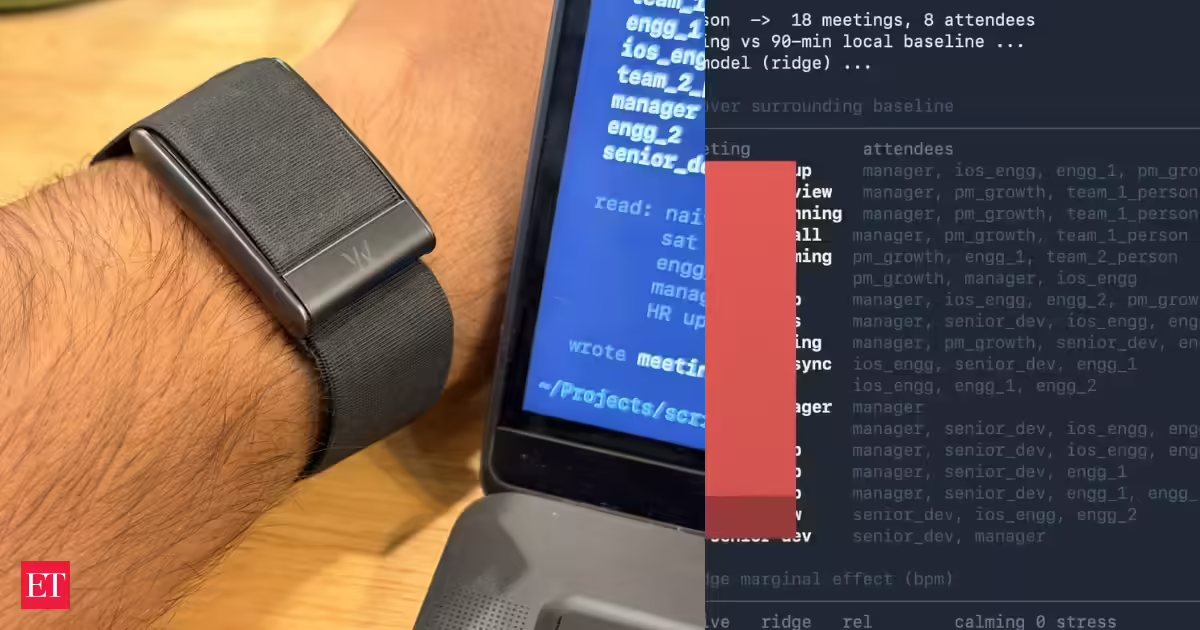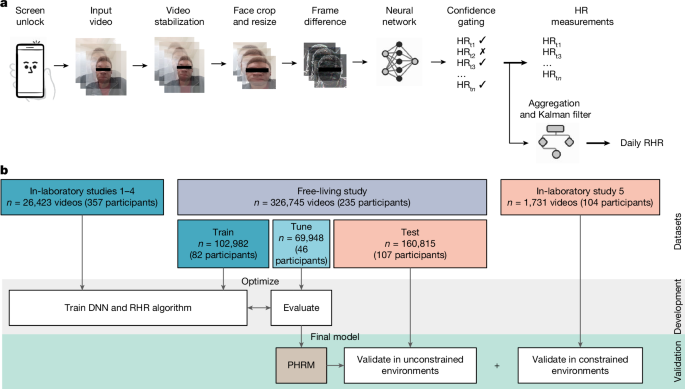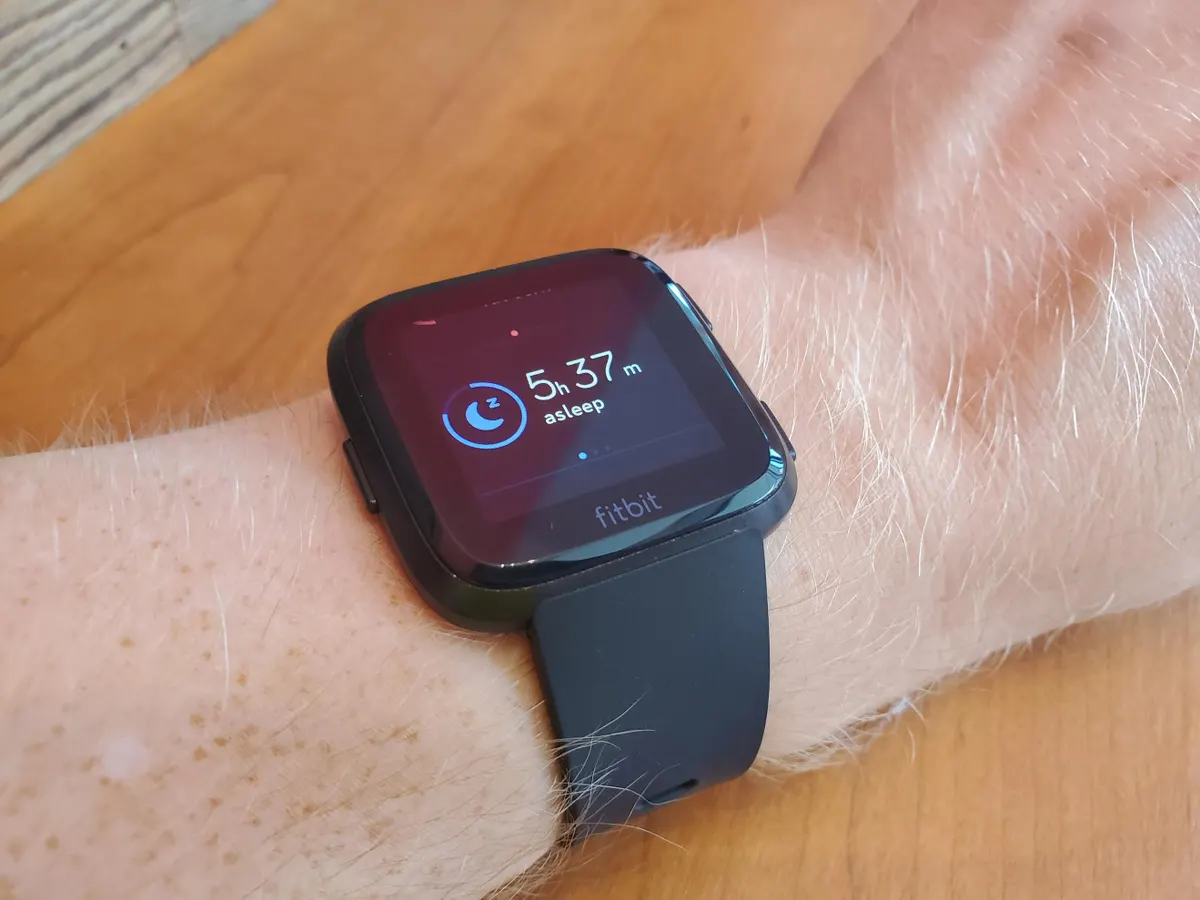
Ever wondered why your Apple Watch or Oura Ring flags a "high stress" day even when you've been sitting at your desk? The secret lies in Heart Rate Variability (HRV). HRV is the gold standard for measuring the autonomic nervous system, but raw data is incredibly noisy. In this tutorial, we are building a robust HRV Anomaly Detection pipeline using Isolation Forest and LSTM-Autoencoders to turn chaotic time-series data into actionable physiological insights.
By combining traditional statistical methods with deep learning, we can distinguish between a healthy post-workout recovery and genuine chronic stress. If you're looking for more production-ready examples and advanced biometric processing patterns, be sure to check out the deep-dive articles over at the official WellAlly Tech Blog, which served as a major inspiration for this architecture.
To handle real-time data from wearables, we need a decoupled architecture. We use MQTT as the transport layer and Node-RED for orchestration, feeding data into a Python-based ML engine.
graph TD
A[Wearable: Apple Watch / Oura] -->|Bluetooth/API| B(Mobile App)