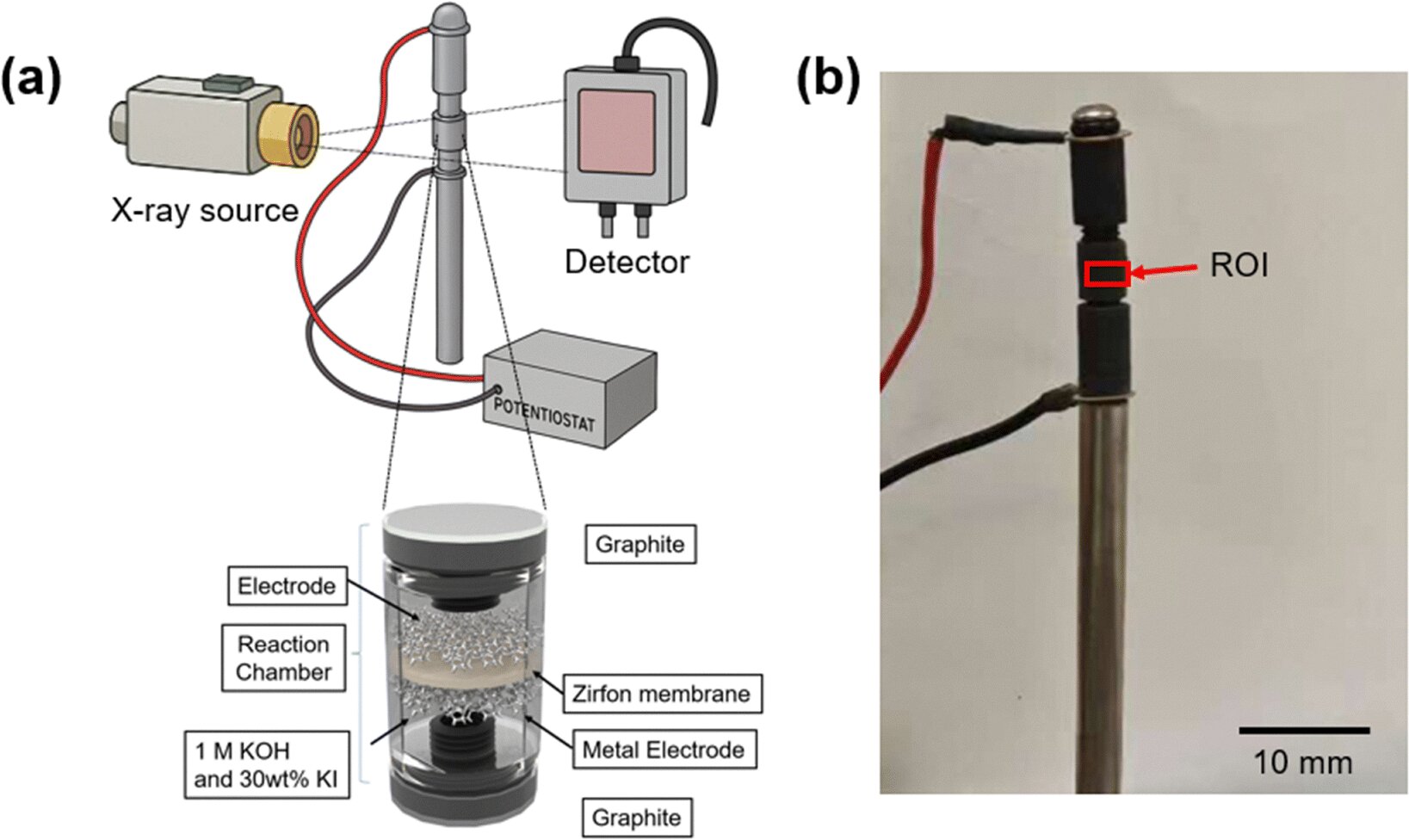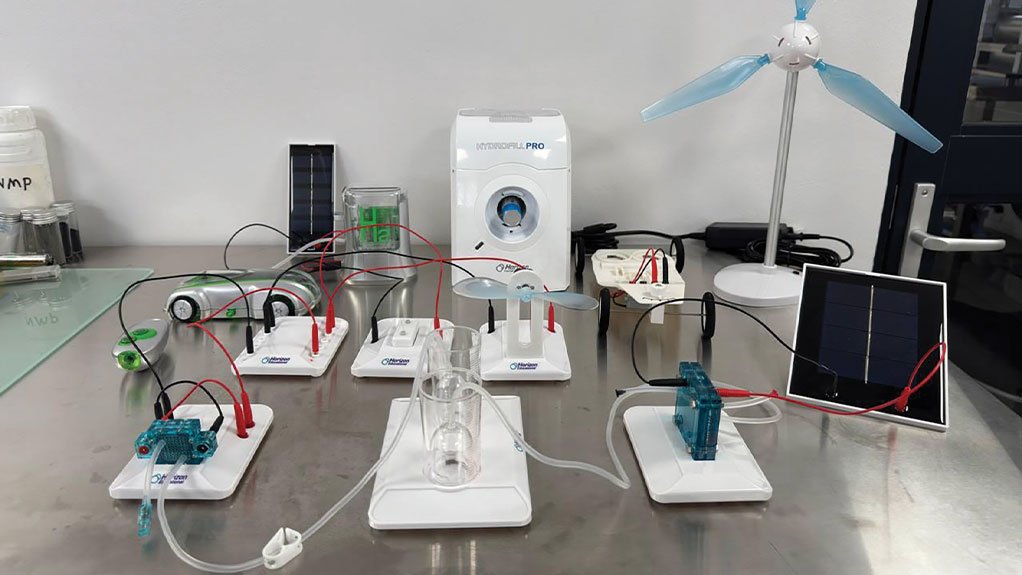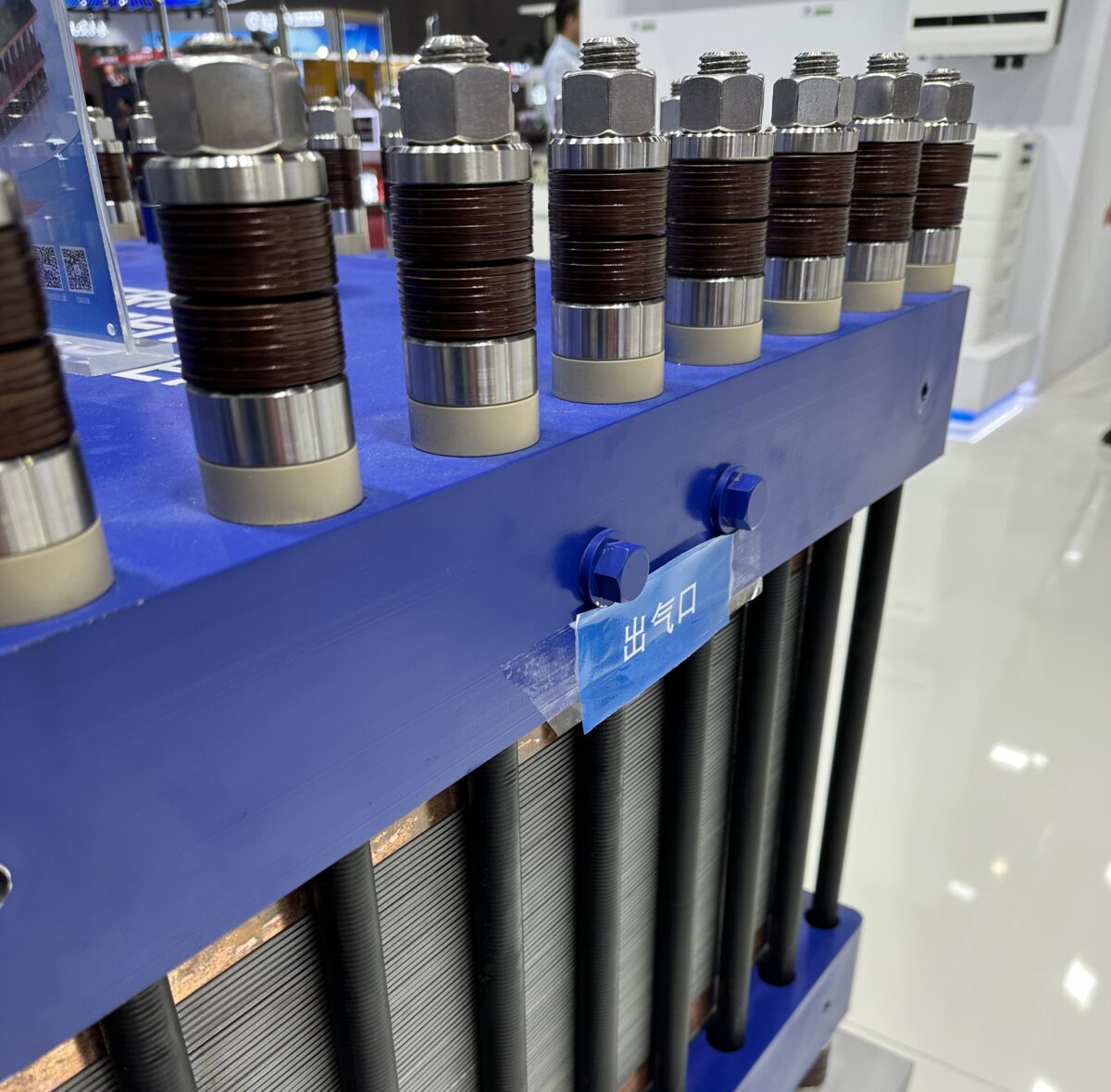
UNSW researchers have used 3D imaging to see how trapped bubbles affect the efficacy of electrolysers in the production of green hydrogen, smoothing the way for decarbonising hard-to-abate sectors such as steelmaking and heavy-duty transport.
University of New South Wales (UNSW) Sydney researchers have used precise 3D imaging to show how trapped bubbles affect the efficacy of electrolyzers in the production of green hydrogen.
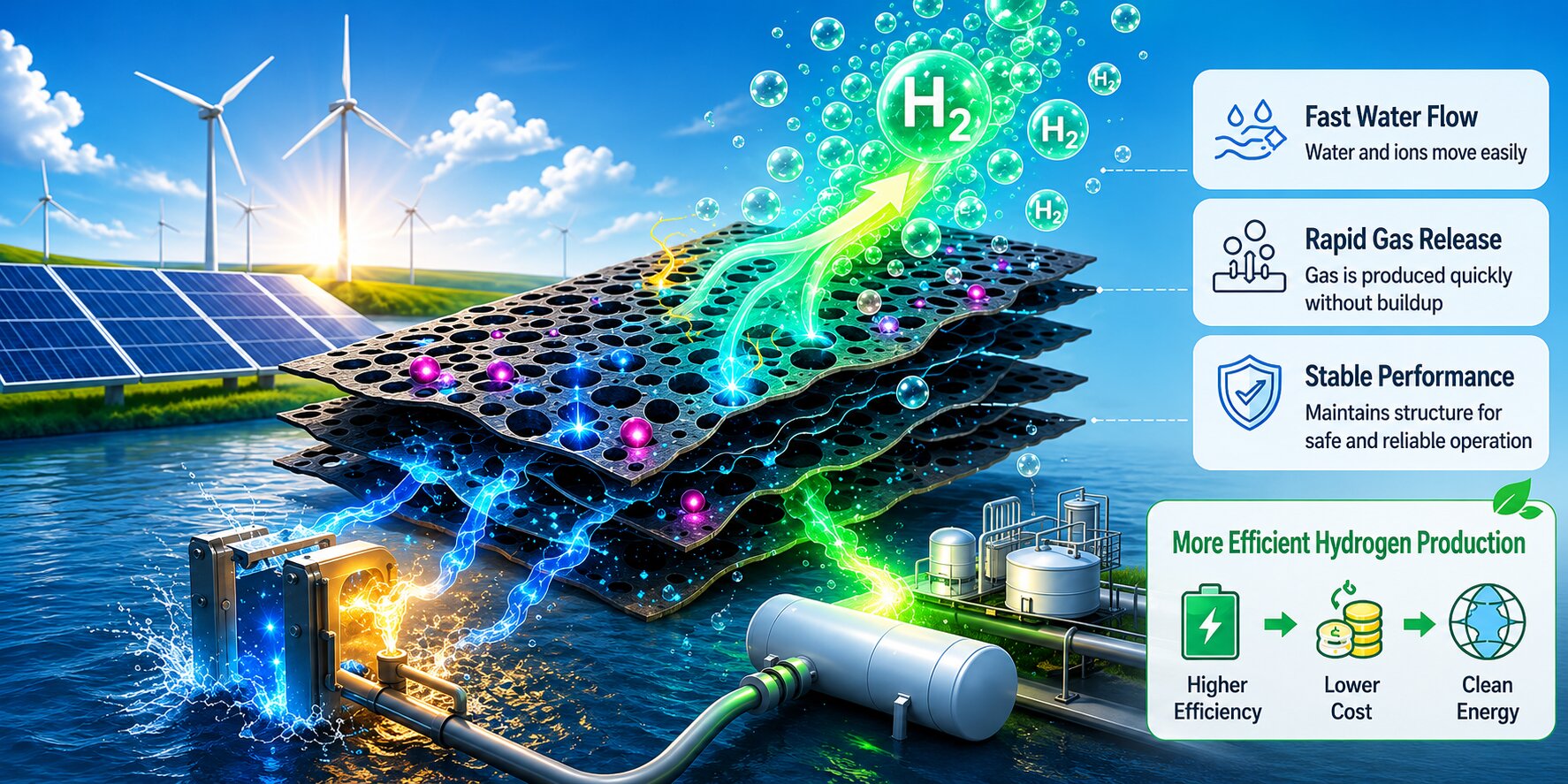
The research addresses a critical bottleneck in industrial-scale electrolyzers, where hydrogen bubbles are generated in the electrolyzer during the operation and accumulate on the porous electrode, blocking reaction sites and limiting mass transport at high current densities.
UNSW School of Civil and Environmental Engineering (SCEE) Professor Payman Mostaghimi said the researchers found that the shape and structure of the porous electrode are just as important as the electrochemistry.
“If the structure is designed properly, you can stop bubbles from clogging the system and make it much more efficient,” Mostaghimi said.