An international research team, including scientists from the University of Adelaide, have developed a highly efficient microscopic iridium catalyst that could represent an important step toward more affordable and efficient green hydrogen production.
University of Adelaide researchers, along with scientists from Japan’s Tohoku University, the Tokyo University of Science, and Vanderbilt University in the United States, have successfully developed microscopic iridium catalysts that could result in improved production of green hydrogen.
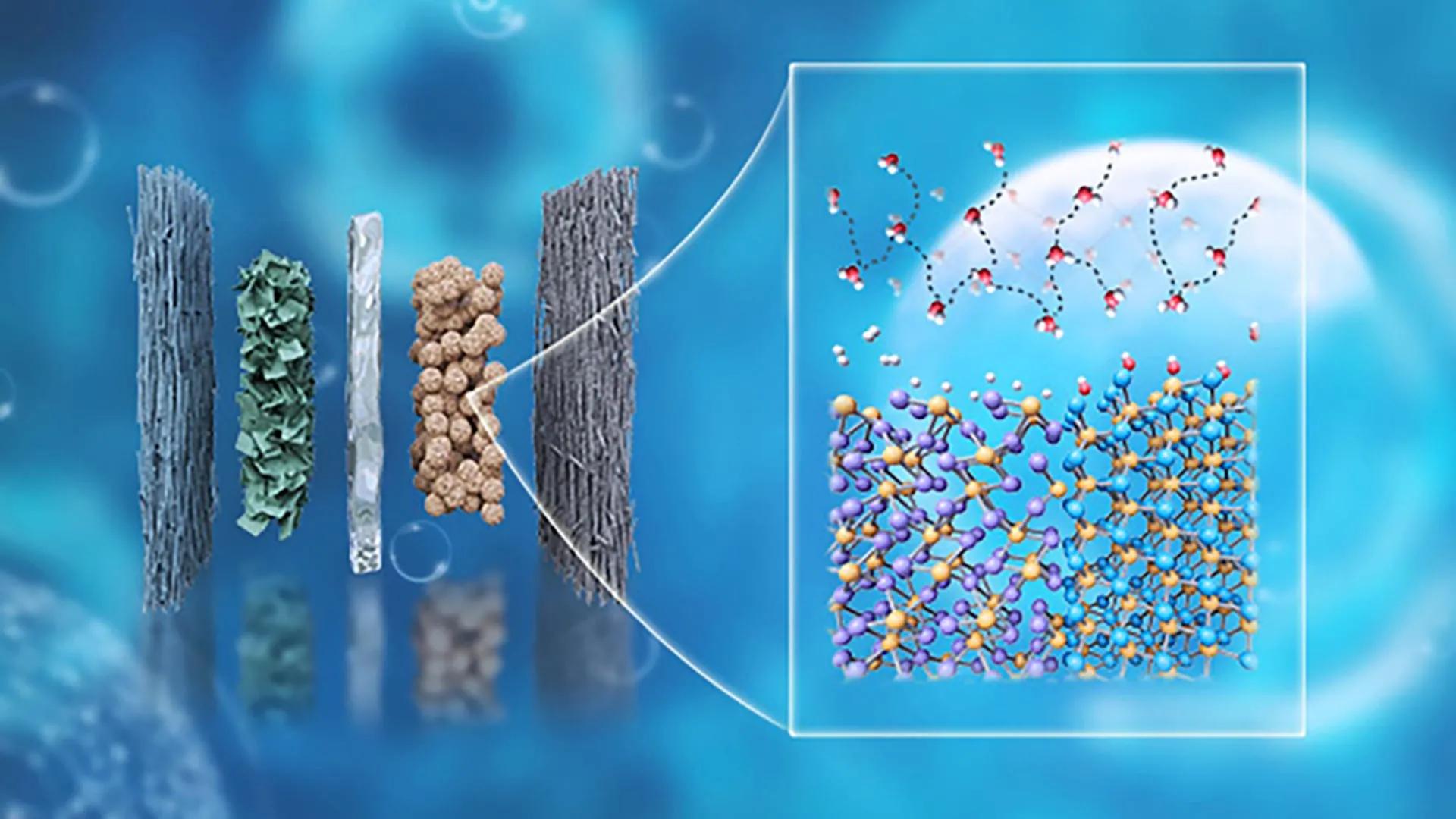
The researchers said the tiny catalysts comprise only 15 atoms of iridium and outperform commercially available iridium catalysts by 1.5 times in mass activity while demonstrating excellent durability.
Green hydrogen is produced by splitting water into hydrogen and oxygen using renewable electricity. One of the biggest challenges associated with the process is oxygen evolution reaction (OER). This chemical reaction takes place in a highly acidic and corrosive environment and iridium has proven one of the few catalysts capable of enduring that environment but due to costs and limited availability, there have been attempts to reduce the amount of the rare metal used while maximizing its reaction activity.