Researchers from RMIT University in Victoria have used an upgraded titanium dioxide catalyst to increase the production of green hydrogen by more than 80 times compared to when using an untreated commercial version.
Researchers from RMIT University in Victoria and collaborators in China have demonstrated a low-cost way to significantly increase green hydrogen production utilising upgraded titanium dioxide (TiO2), a material already widely used in energy technologies.
Green hydrogen is seen as a key tool for decarbonizing heavy industry, but the cost and efficiency of production remain major barriers. One promising approach to hydrogen production uses light to split water into hydrogen and oxygen but in practice, much of that energy is lost before it can do useful work.
Lead researcher Dr Derek Hao, from RMIT’s School of Science, said this research focuses on reducing that waste, helping more of the energy go into producing hydrogen rather than being lost along the way.
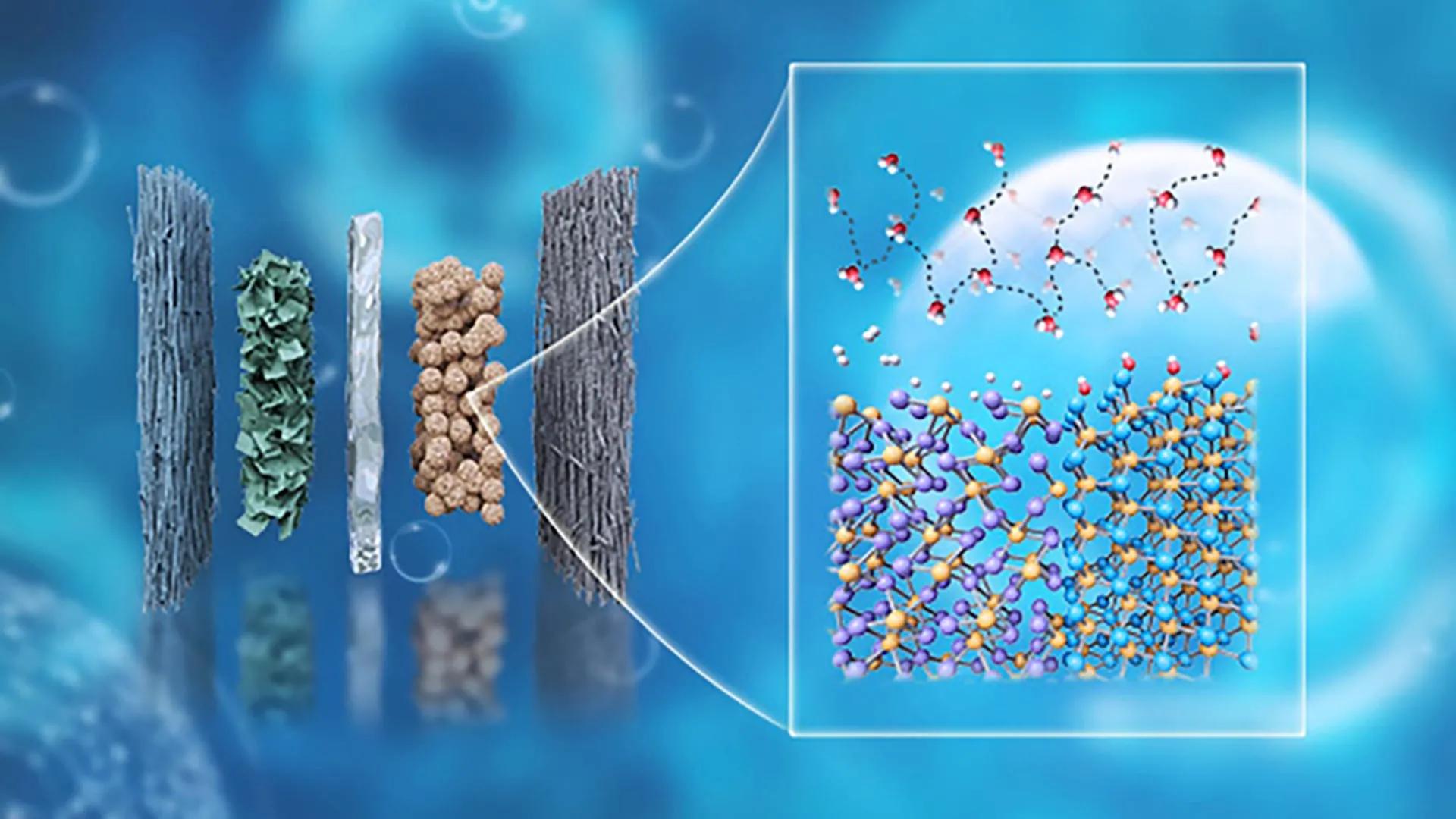
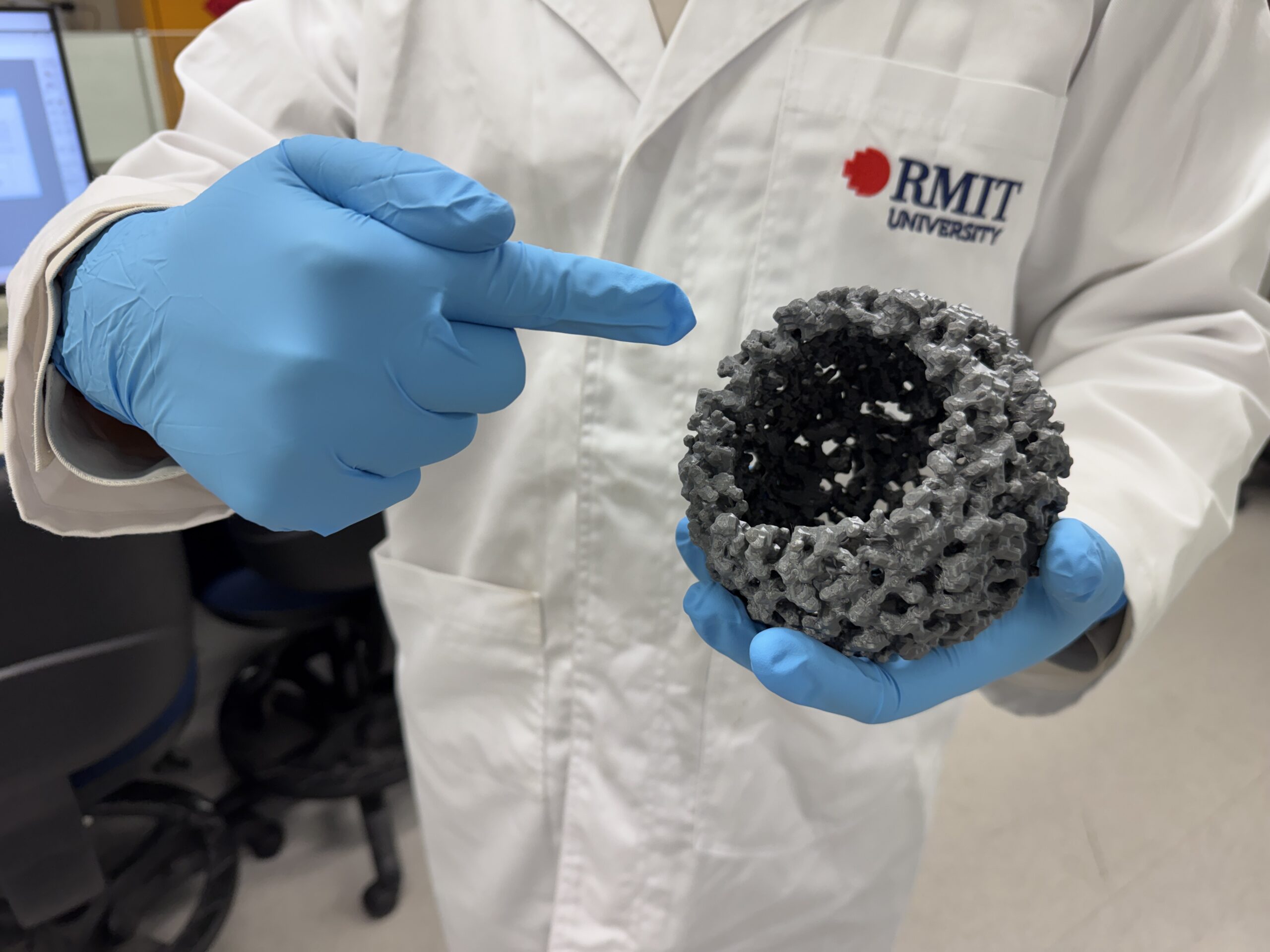
The team developed a TiO2 nanosphere catalyst through a series of targeted modifications including the addition of nickel atoms, the introduction of defects that help guide how energy moves, and shaping the material into tiny hollow spheres to better capture light.