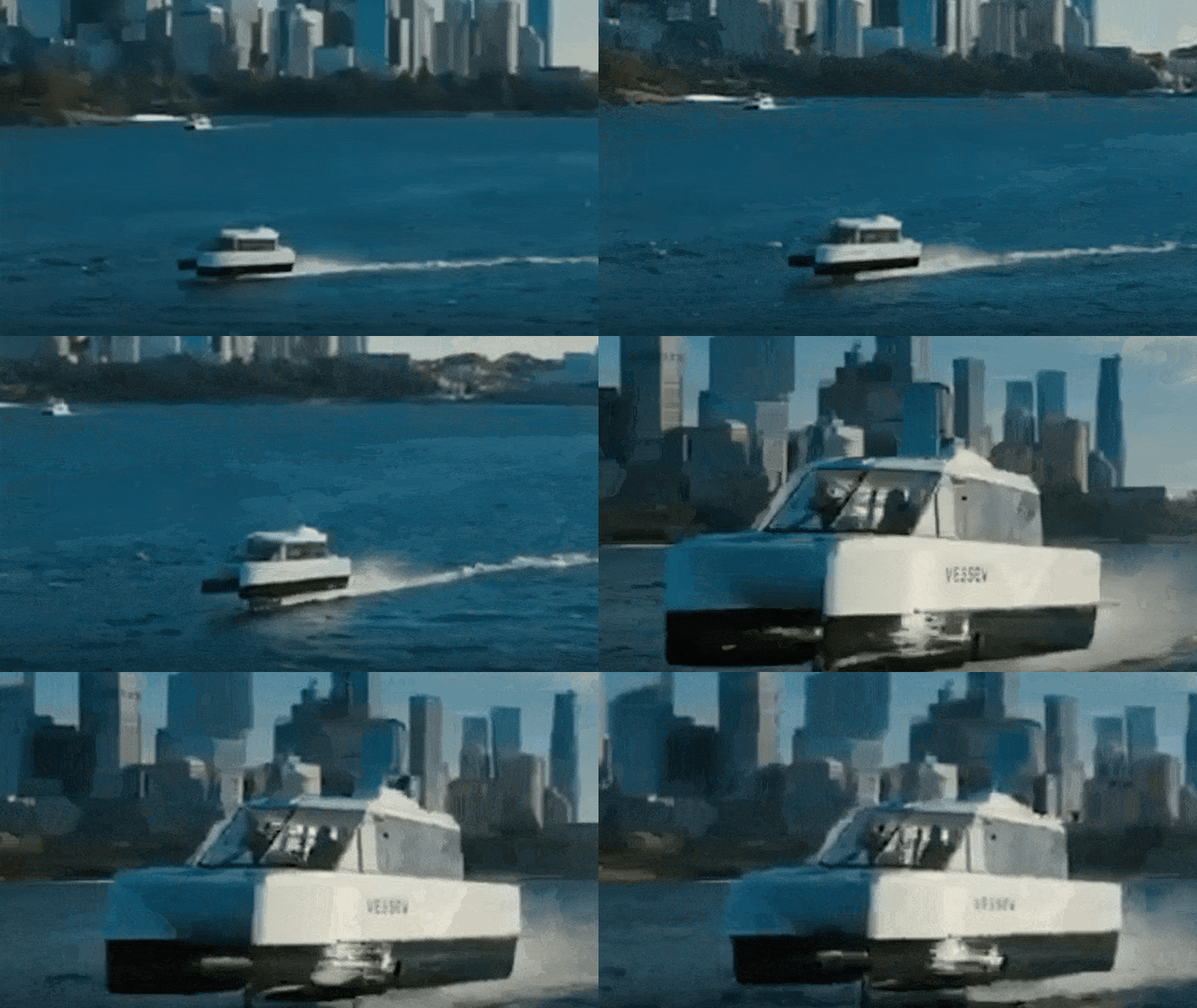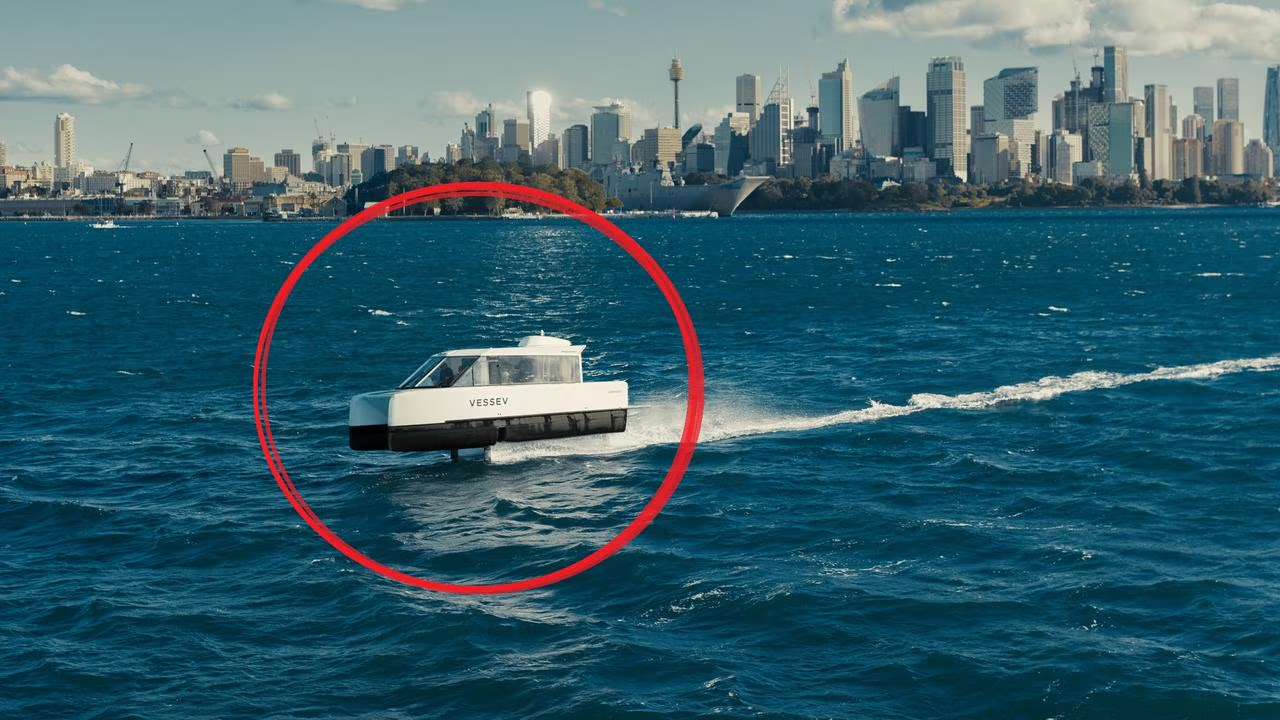
If you spot a futuristic-looking vessel in Sydney Harbour, don’t be alarmed – it’s set to become the latest form of public transport. New Zealand marine technology company Vessev is behind the VS – 12 electric boat expected to whiz around the harbour soon, following a commercial agreement.Currently, its VS – 9 model is gliding around Sydney’s waterways while it’s being showed off to Aussie media and industry and transport stakeholders during a series of on-water preview experiences this month.While the Sydney client of the VS-12 is yet to be disclosed, news.com.au can confirm the aim of the boats is to complement existing public transport infrastructure such as the ferry network – minus the significant noise, emissions or shoreline impact.Vessev CEO Eric Laakmann said the electric hydrofoiling vessel is designed using carbon fibre hydrofoils to lift the hull above the water.“By removing the boat from the water using these hydrofoils, we substantially reduce the drag by about three times, so we make the boat three times more efficient,” Mr Laakmann told news.com.au.“And when you pair that with batteries, you get longer range, you get faster charging, you get all these things that are incredibly beneficial for making a useful electric boat.”He explained the tech allows for a smoother, quieter passenger experience compared with conventional boats, adding the tech also produces virtually no wake, helping minimise shoreline erosion. According to Mr Laakmann, in cities such as Sydney, where large sections of the harbour are surrounded by heritage-listed foreshore and national park, low-wake hydrofoiling tech could help unlock new mobility corridors while minimising environmental impact. “Behind me is Rose Bay and if I look out to the harbour, it’s completely empty. So this is a highway that has potential to be unlocked.”He said the opportunity for electric hydrofoiling goes far beyond simply replacing one fuel source with another.“What we’re really talking about is a completely new model for how cities use their waterways and how people move, something much closer to a subway system on the water, with more routes, more departure points and more frequent services.”Until the client is disclosed, we won’t know what the system and routes will look like – but according to Vessev, the future of waterway transport looks promising. “For decades, cities have relied on smaller, more frequent and more agile transit networks on land because it’s the most effective way to move people. We believe waterways can evolve in the same way,” Mr Laakmann said.“Sydney Harbour is one of the world’s most iconic waterways and has the opportunity to become a global showcase for next-generation sustainable marine transport. We’re thrilled to be part of that journey.” While still in development, the VS-12 will carry up to 30 passengers and will have a 100 per cent electric battery. In Perth, Vessev’s VS – 9 vessels are expected to operate on the Swan River through a partnership with the Enautic Group, initially focused on premium tourism experiences including Swan Valley cruises, twilight sailings and private charters, with longer-term plans to explore commuter applications. Meanwhile, in Hobart, Vessev technology will support the development of Australia’s largest electric hydrofoiling transit network, Fly Derwent, reconnecting communities along the Derwent River and Hobart’s thriving waterfront tourism hub.Read related topics:Sydney
Futuristic-looking boat spotted on Sydney Harbour
If you spot a futuristic-looking vessel in Sydney Harbour, don’t be alarmed – it’s set to become the latest form of public transport.
537 words~2 min read