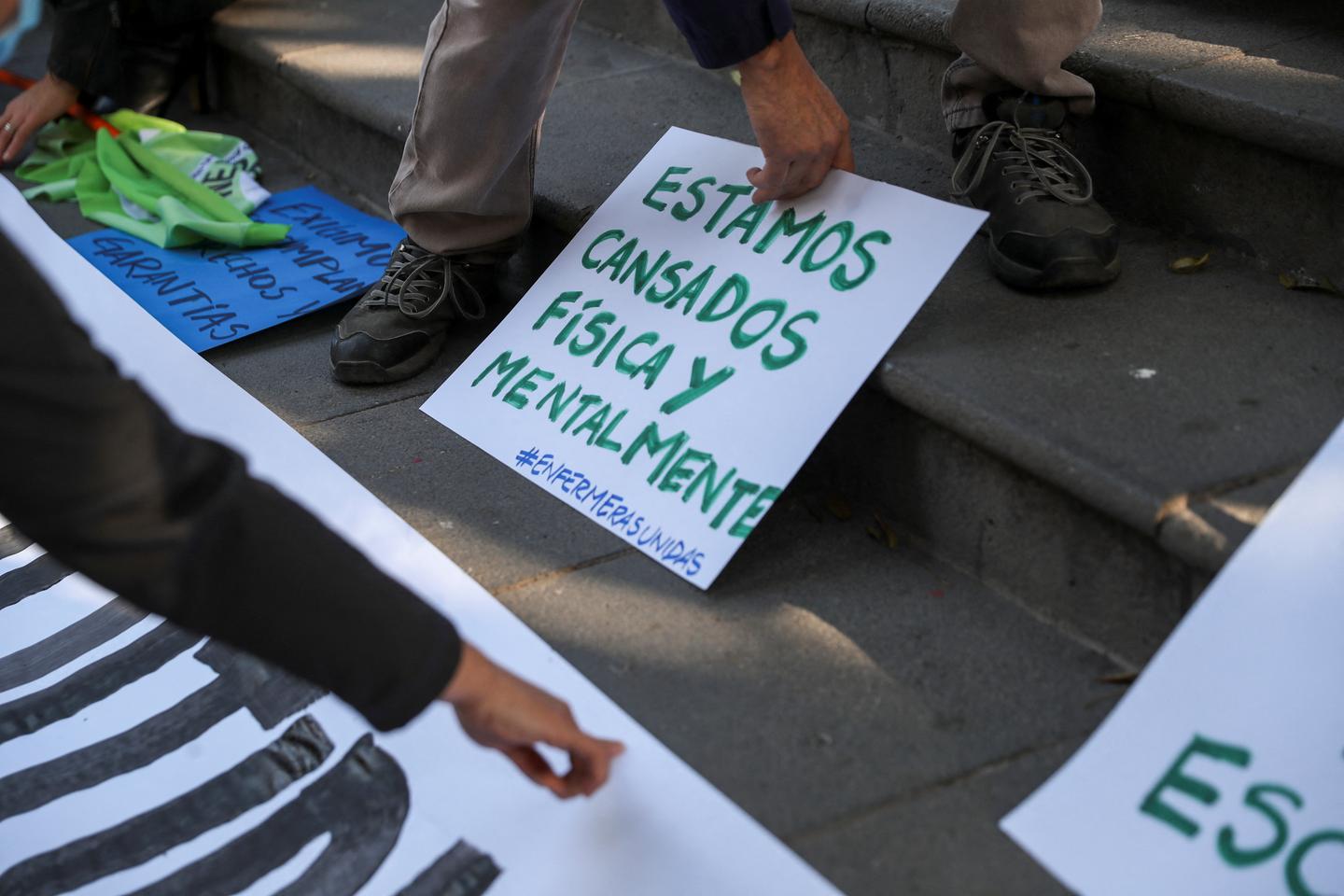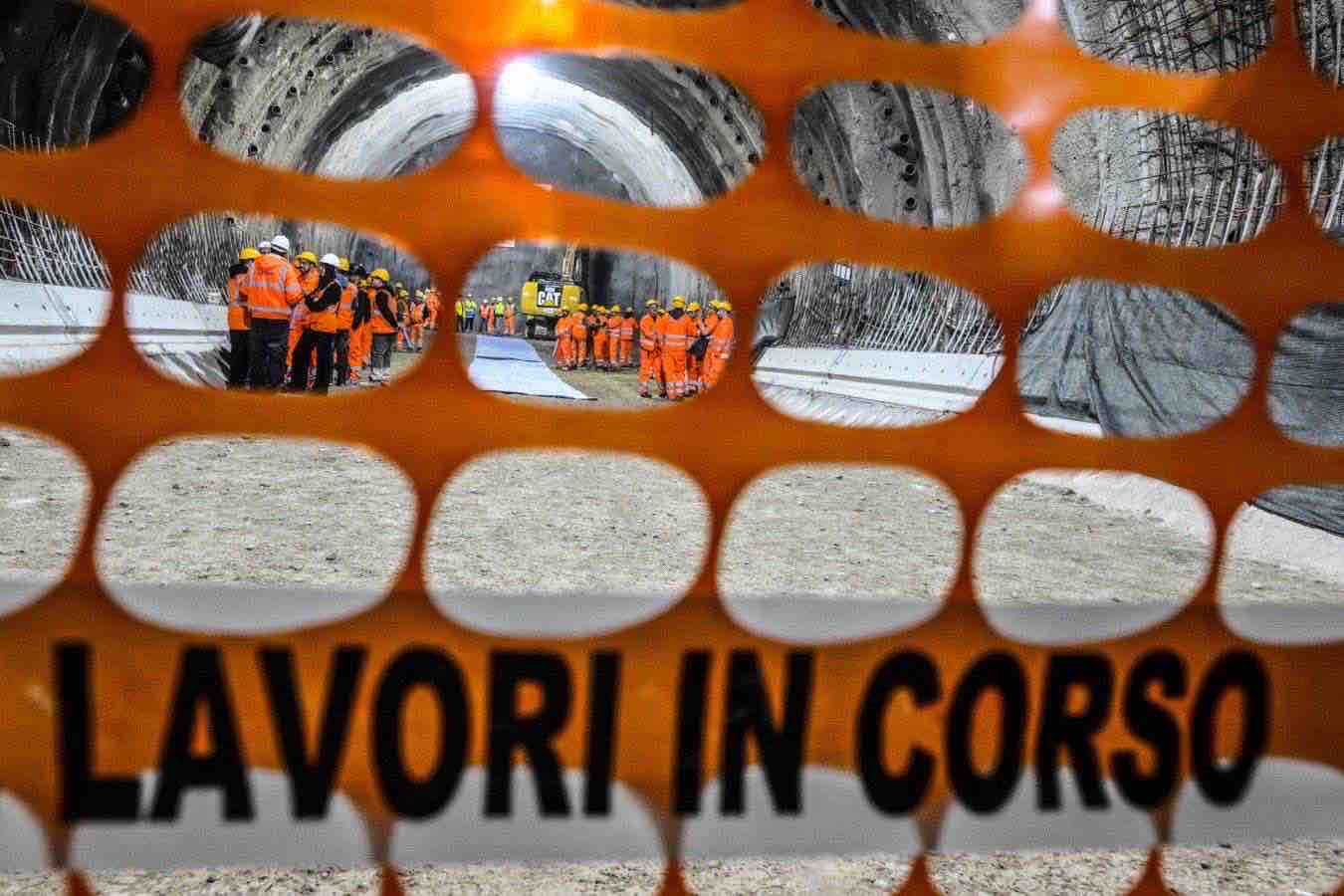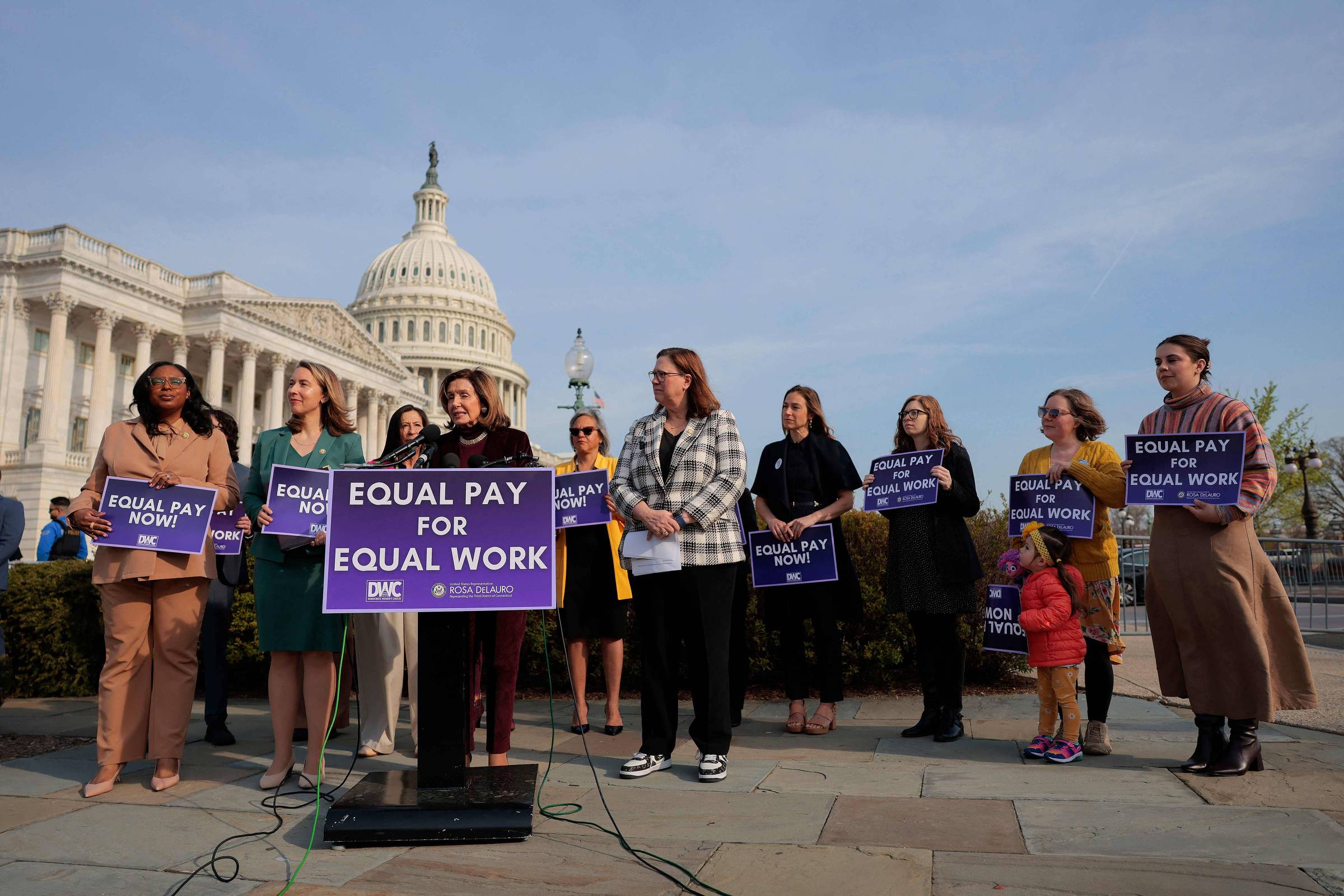
These are not isolated stories. They are signals of a deeper crisis, one that is too often invisible, unspoken and underestimated: the impact of psychosocial hazards on workers.
The impact of physical work-related hazards such as manual handling of heavy loads or working at heights are well recognized and understood. Psychosocial hazards are invisible but just as dangerous. Long working hours, workplace stress, violence and harassment, low pay and lack of job security – to name but a few – can all take a toll on both the physical and mental health of workers.
A new International Labor Organization (ILO) report, "The psychosocial working environment: Global developments and pathways for action", highlights the scale of the impact.
It reveals that work-related psychosocial factors are responsible for more than 840,000 deaths annually due to associated cardiovascular diseases and mental disorders and lead to the loss of nearly 45 million disability-adjusted life years (DALYs) each year.
Office workers take a nap at their desk at a company in China. Photo by Reuters