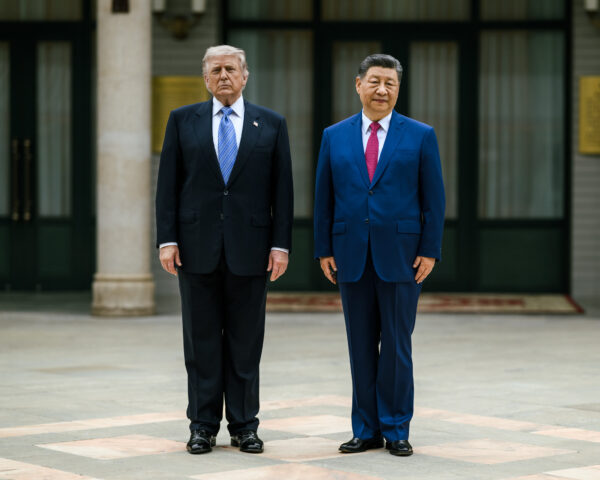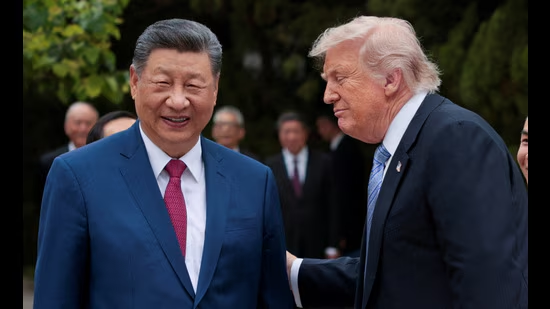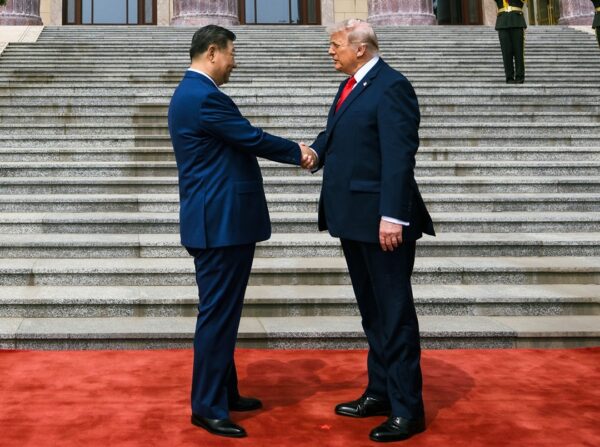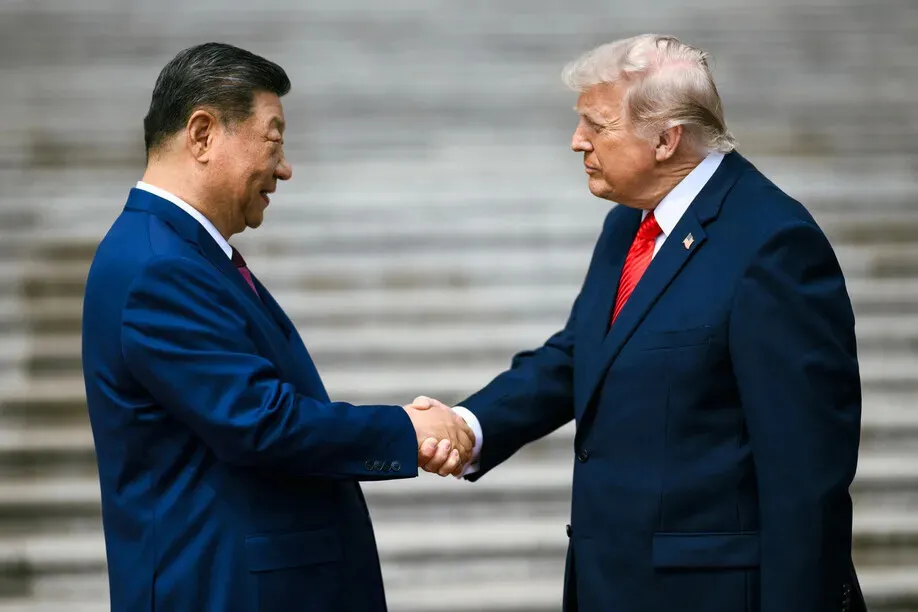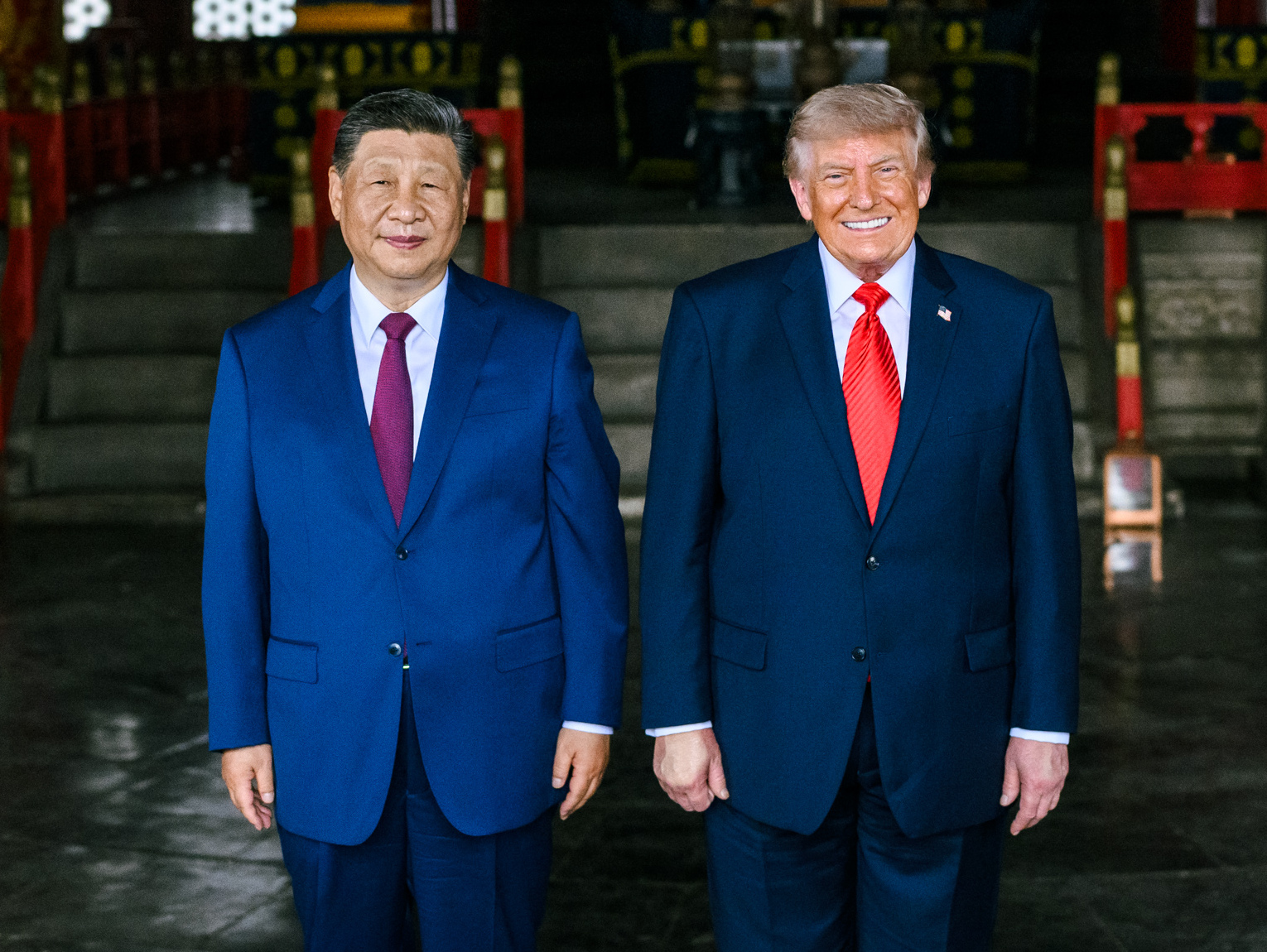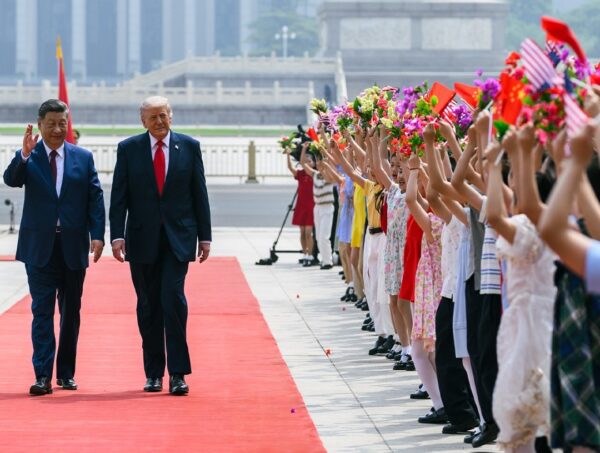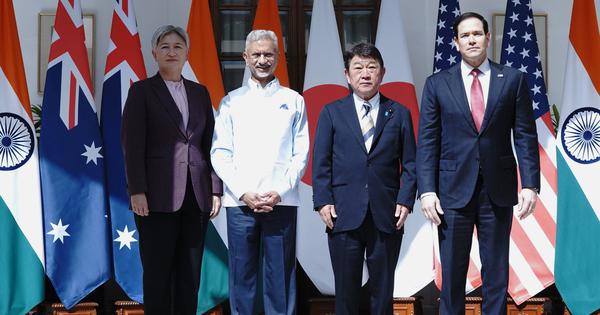
On May 16, Presidents Donald Trump and Xi Jinping formally acknowledged what has long been in motion: a paradigm shift in US-China relations. Beijing frames it as “constructive strategic stability”; US Secretary of State Marco Rubio calls it a “strategic stability point.”For the first time in decades, the United States concedes that China now matches it in both economic and military weight – an equilibrium no other nation has achieved since the Cold War.This recognition cements US-China ties as the axis of global order and international security. It also signals a new deterrent reality: China can now enforce its red lines, especially on Taiwan, curbing unilateral US moves. Confrontations have cooled – for now – ushering in a phase of managed competition across the Indo-Pacific.In this context, the Quadrilateral Security Dialogue formed in 2007 by Australia, India, Japan and the US with the intent of countering Chinese power, is being given a secondary role.The role envisaged for QUAD was dictated by US Secretary of State Marco Rubio in the QUAD Foreign Ministers meeting in Delhi (May 26, 2026); the US wants the QUAD members to assist access to critical minerals, enhance US energy sales, and help boost maritime surveillance and port infrastructure across the Indo-Pacific.Yet, this functional repositioning comes against the backdrop of a larger strategic shift. While Washington and Beijing have declared a new phase of “strategic stability,” fundamental differences remain.The Quad, an important alliance in the Indo-Pacific, we’ve had multiple meetings of those, of that group, including a meeting just last week in India and a follow-up that’s going to occur later this year, including a leaders’ meeting before the end of the year: Rubio— Sidhant Sibal (@sidhant) June 3, 2026
Quad and India take second place as US, China cement ties
Washington has restructured its foreign policy but remained firm on US interests that keep New Delhi in an asymmetrical position and lower grade.
1,077 words~5 min read