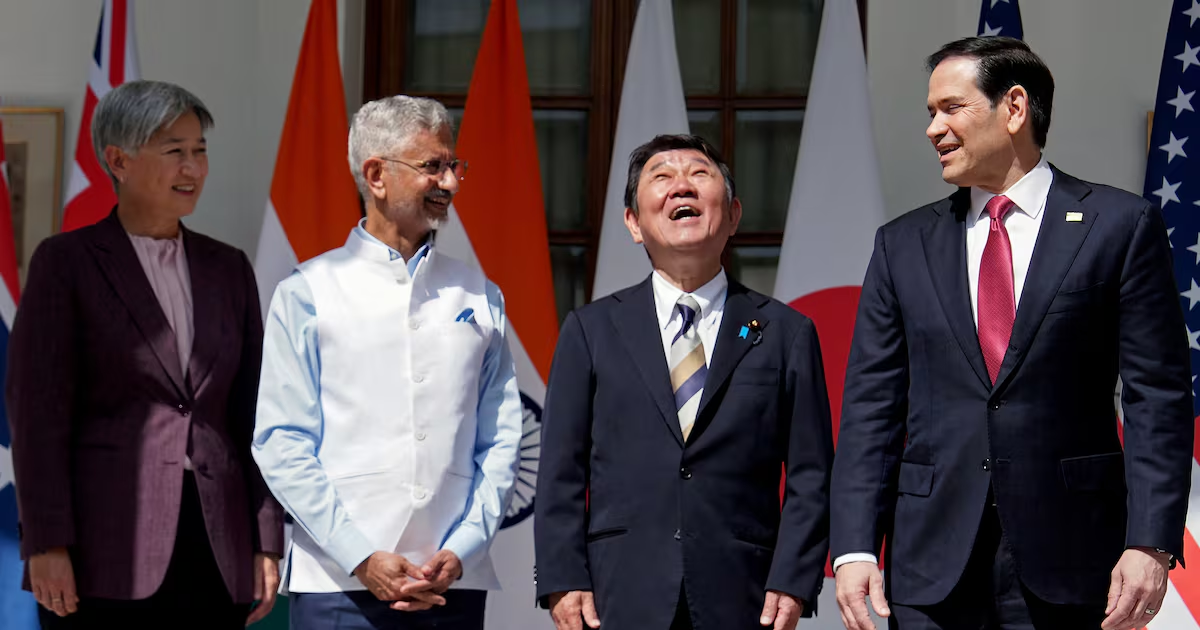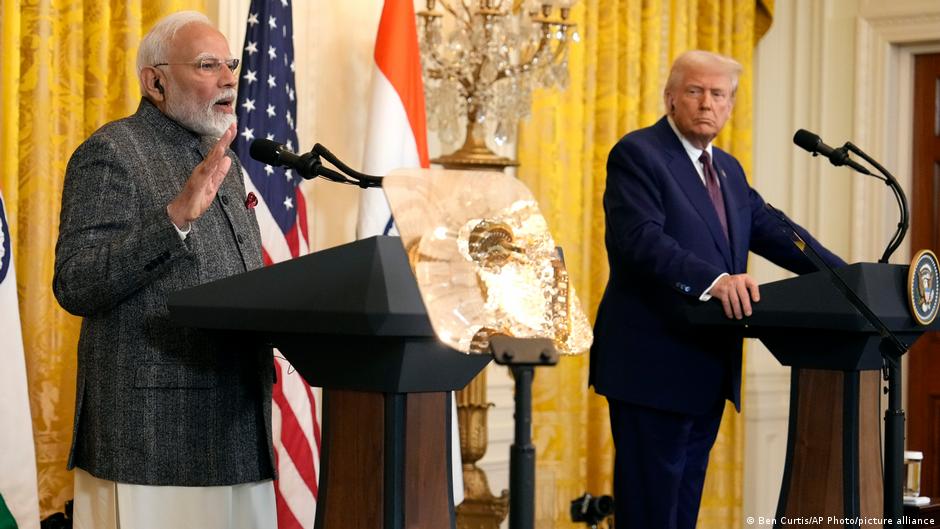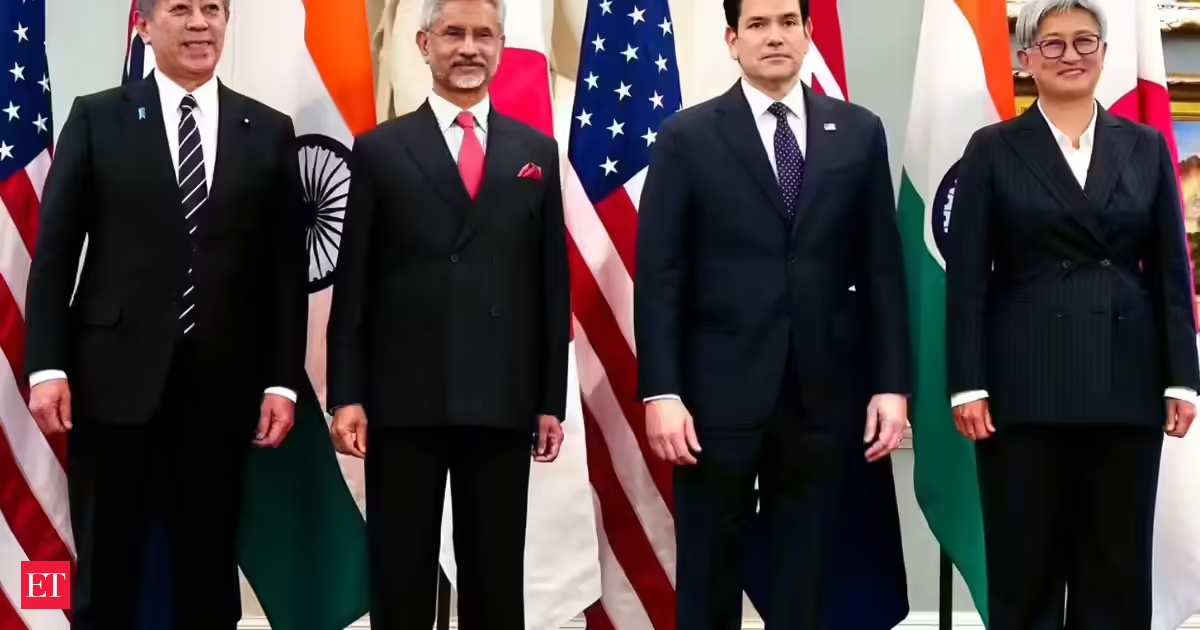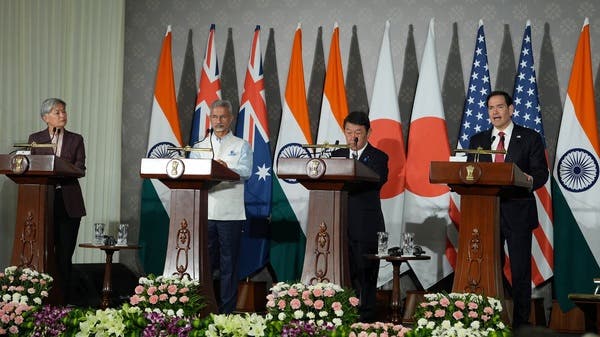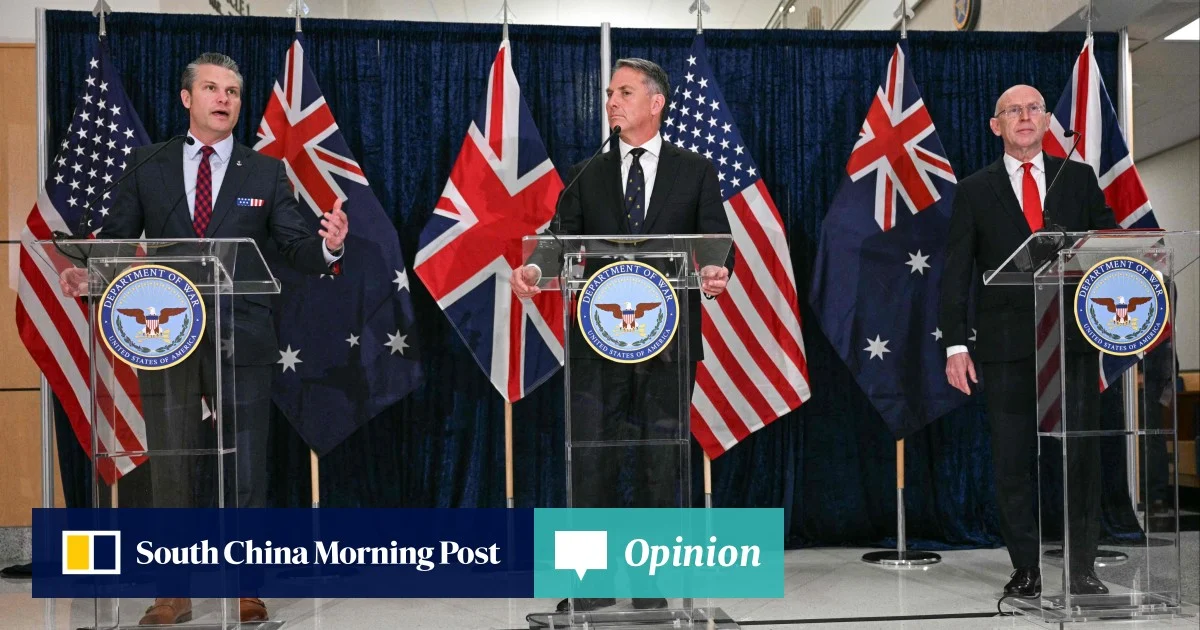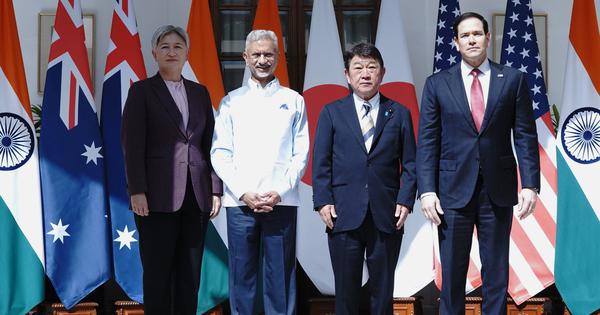
With the shift in US–China relations, India is emerging as the strategic cog in the US wheel, Pakistan as a tactical partner, NATO as the anchor of the Atlantic alliance, and QUAD countries as a tool to serve the Indo‑Pacific.
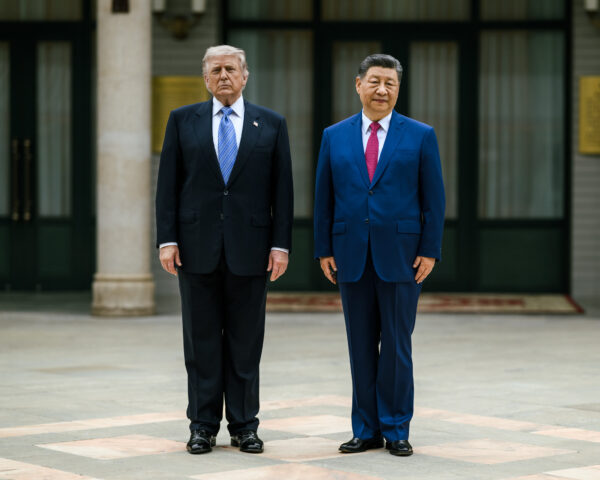
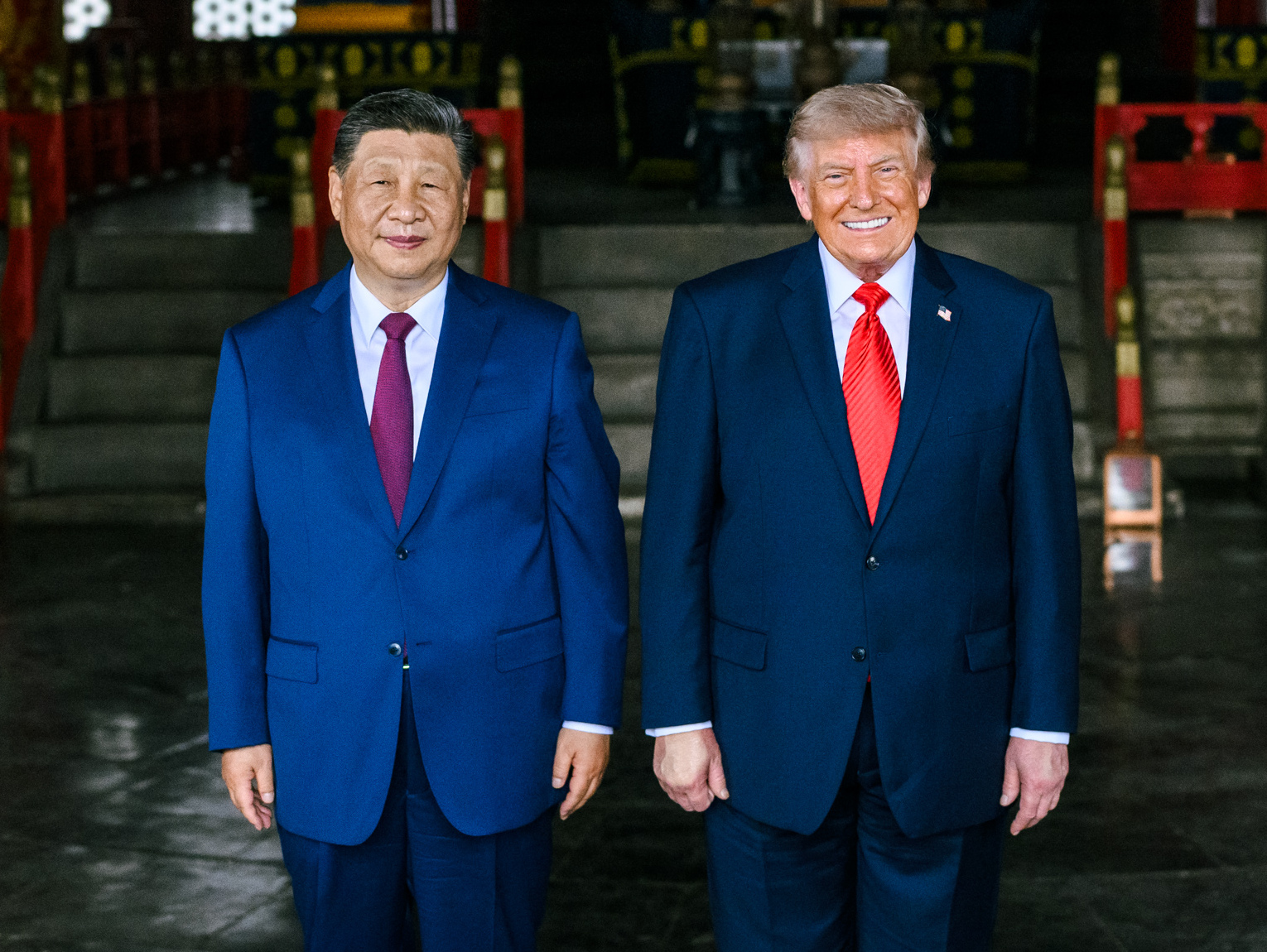
US President Donald J. Trump tours the Hall of Prayer of Good Harvest with President Xi Jinping of the People’s Republic of China, Thursday, May 14, 2026, at the Temple of Heaven in Beijing. Official White House Photo by Daniel Torok. The White House. Public Domain.
With the shift in US–China relations, India is emerging as the strategic cog in the US wheel, Pakistan as a tactical partner, NATO as the anchor of the Atlantic alliance, and QUAD countries as a tool to serve the Indo‑Pacific.
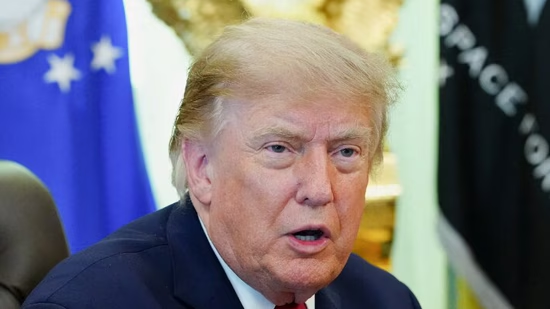
On May 16, 2026, Presidents Donald Trump and Xi Jinping formally acknowledged what has long been in motion: a paradigm shift in US–China relations. Beijing frames it as “constructive strategic stability”; US Secretary of State Marco Rubio calls it a “strategic stability point.”
For the first time in decades, the United States concedes that China now matches it in both economic and military weight—an equilibrium no other nation has achieved since the Cold War.