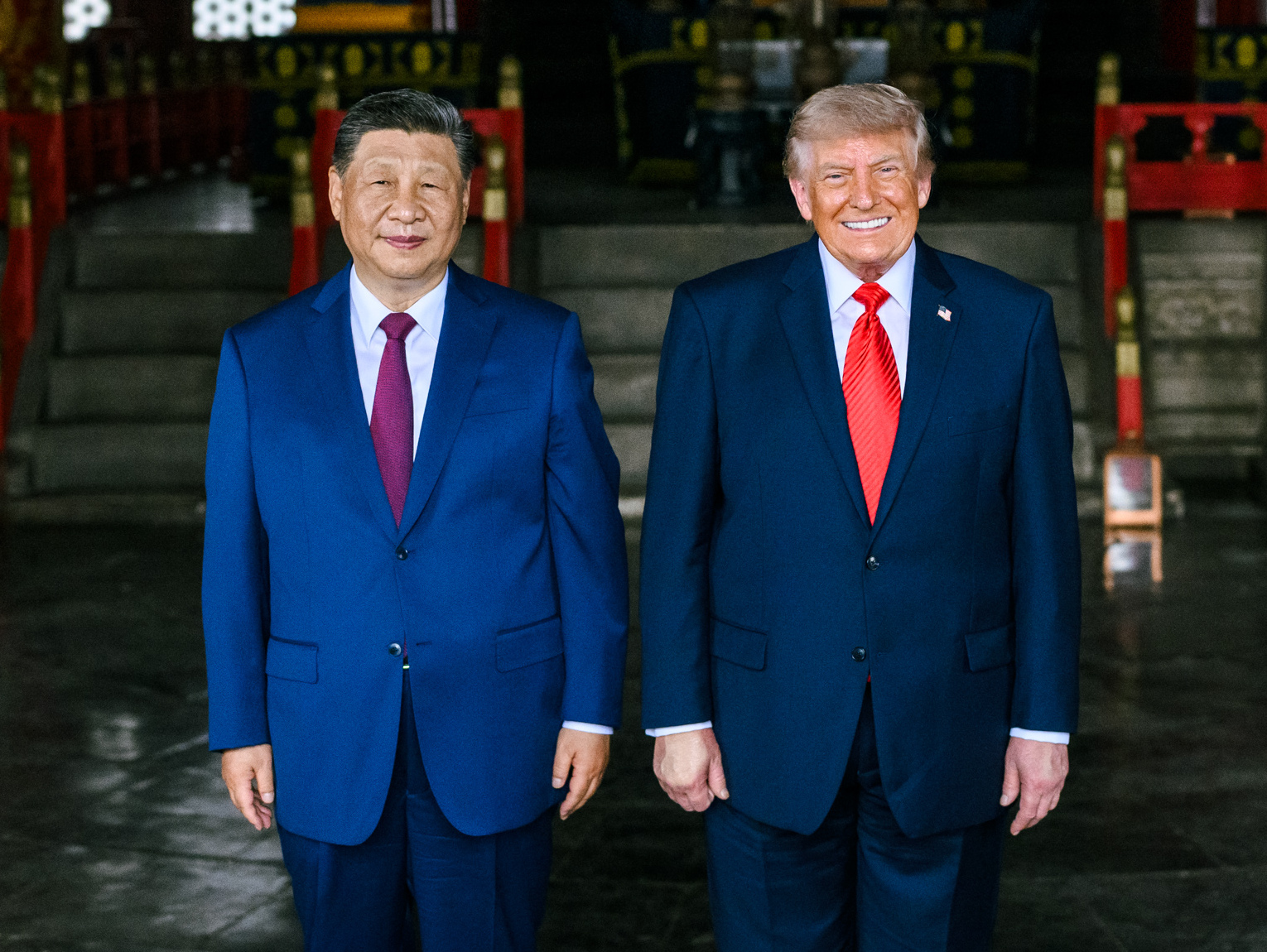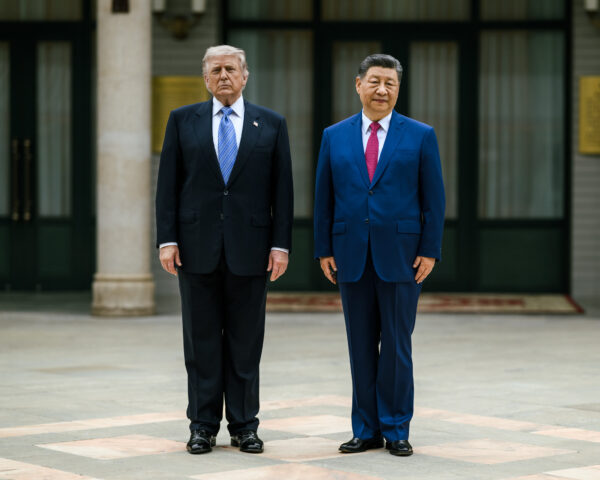
On May 16, 2026, Presidents Donald Trump and Xi Jinping formally acknowledged what has long been in motion: a paradigm shift in China-U.S. relations. Beijing frames it as “constructive strategic stability”; U.S. Secretary of State Marco Rubio calls it a “strategic stability point.”
For the first time in decades, the United States concedes that China now matches it in both economic and military weight – an equilibrium no other nation has achieved since the Cold War.
This recognition cements China-U.S. ties as the axis of global order and international security. It also signals a new deterrent reality: China can now enforce its red lines, especially on Taiwan, curbing unilateral U.S. moves. Confrontations have cooled – for now – ushering in a phase of managed competition across the Indo-Pacific.
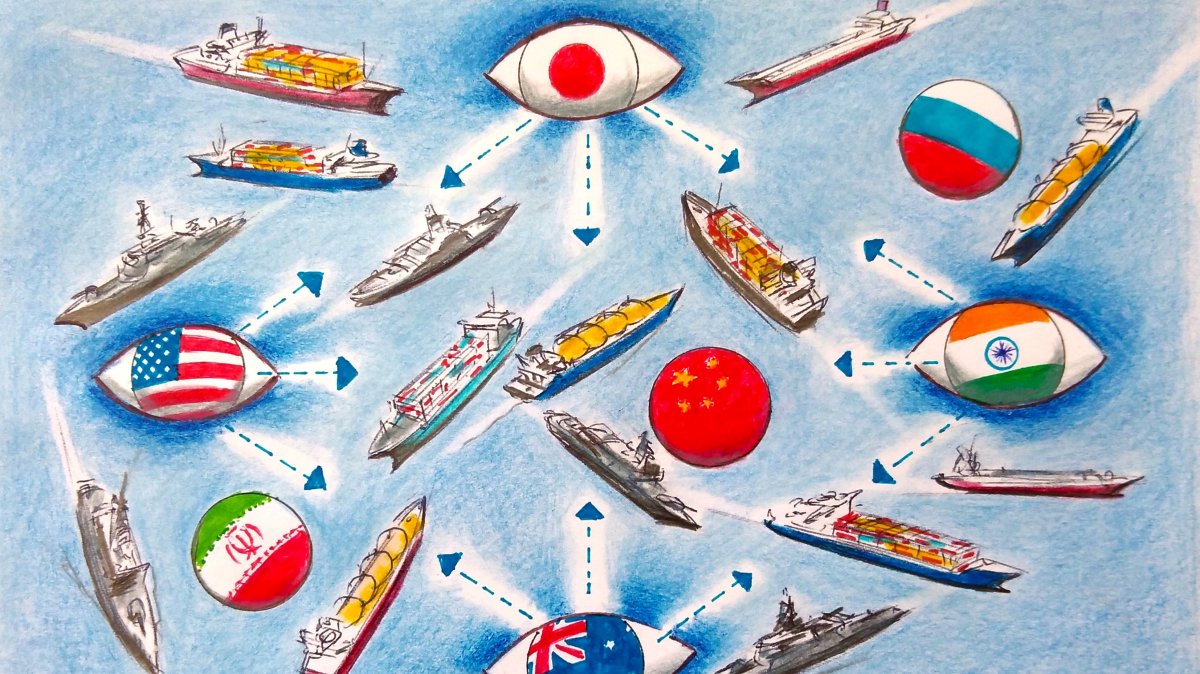
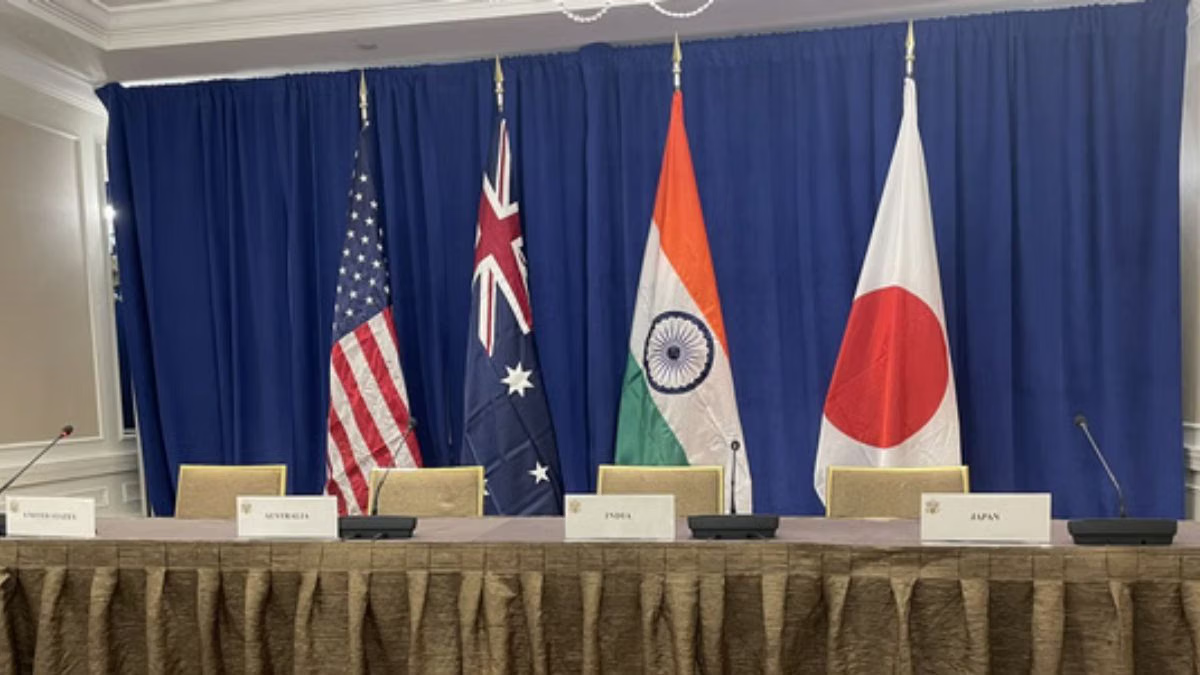
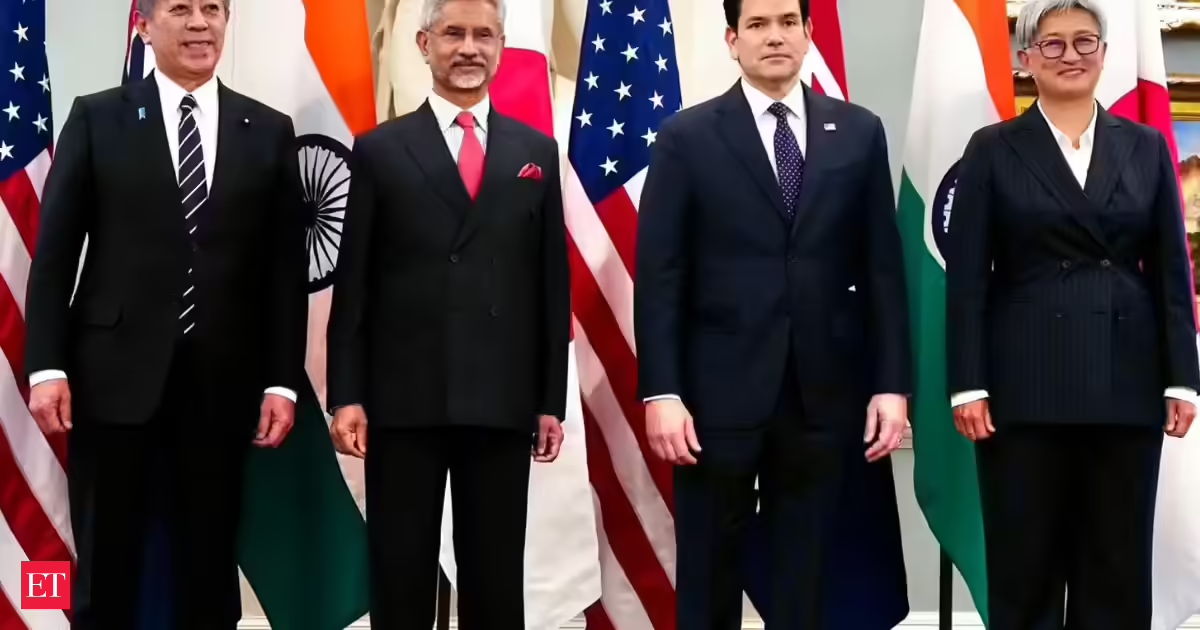
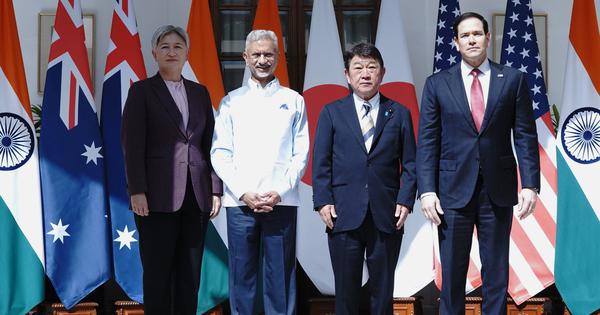
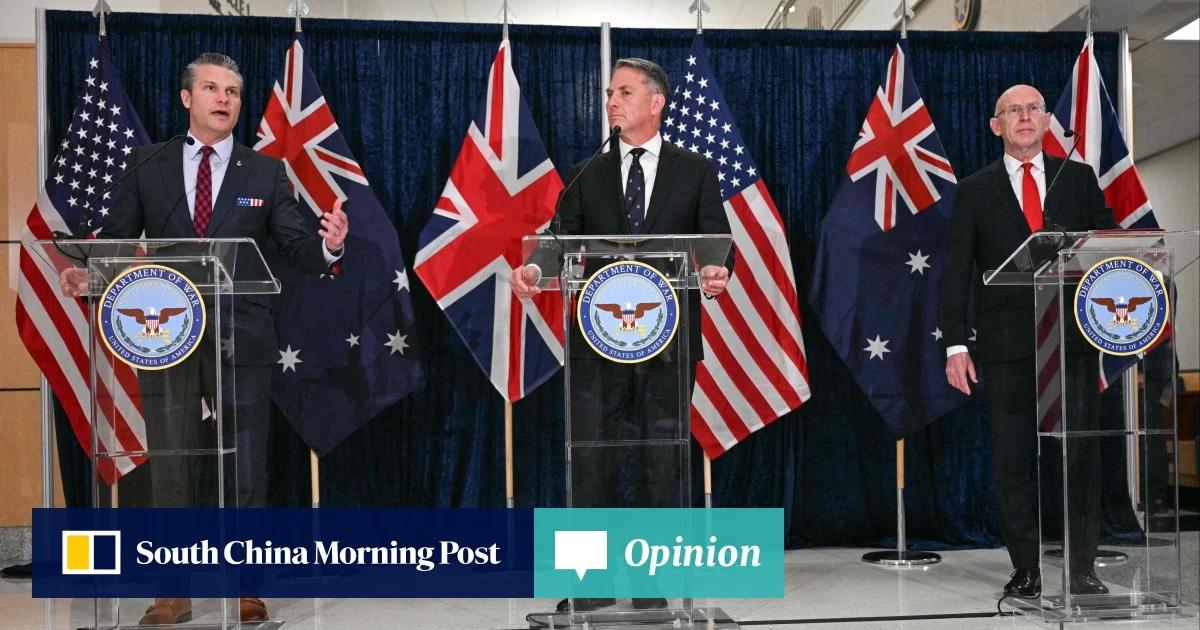
In this context, the Quadrilateral Security Dialogue (the Quad) formed in 2007 by Australia, India, Japan, and the United States with the intent of countering Chinese power, is being given a secondary role.
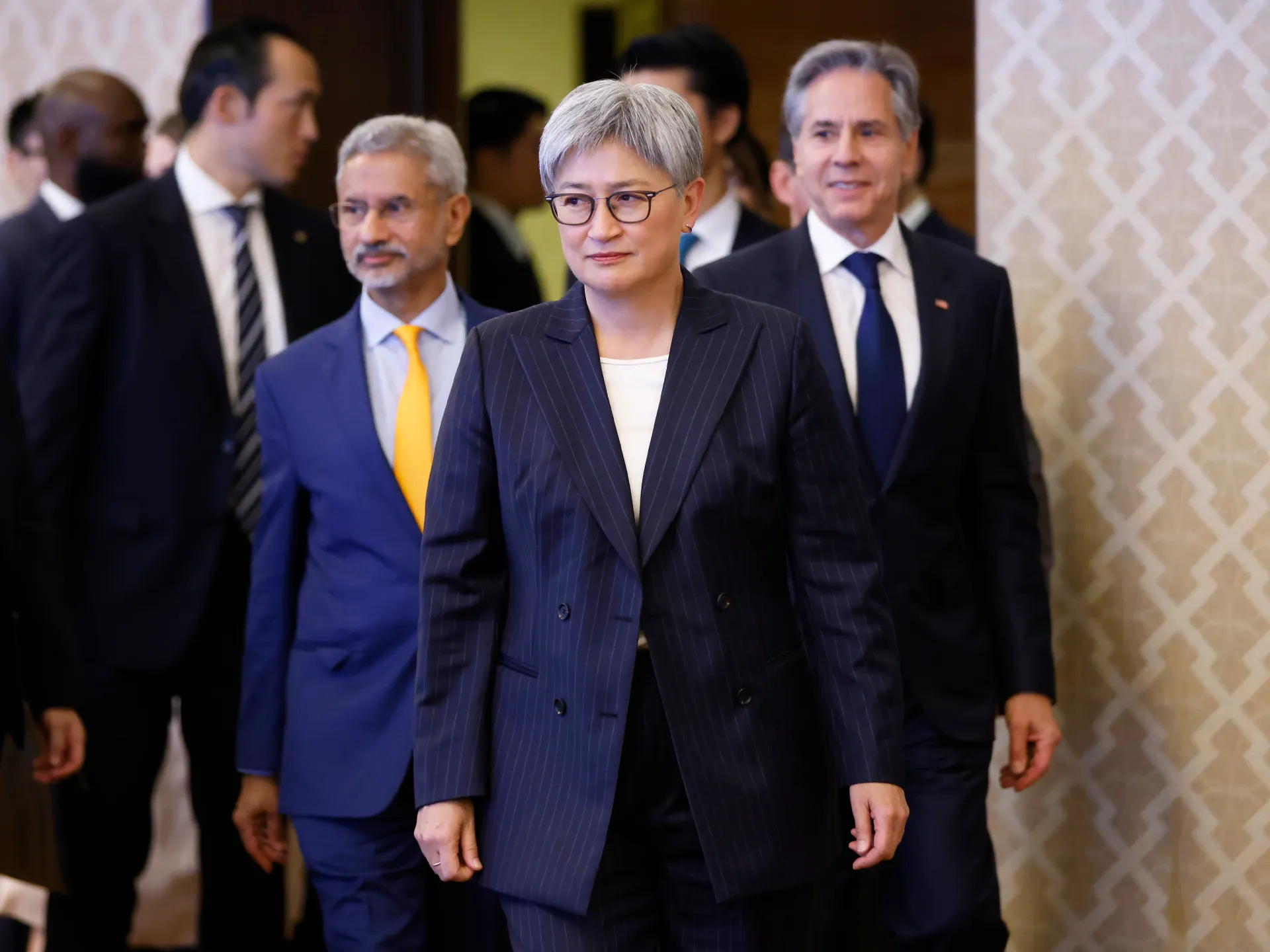
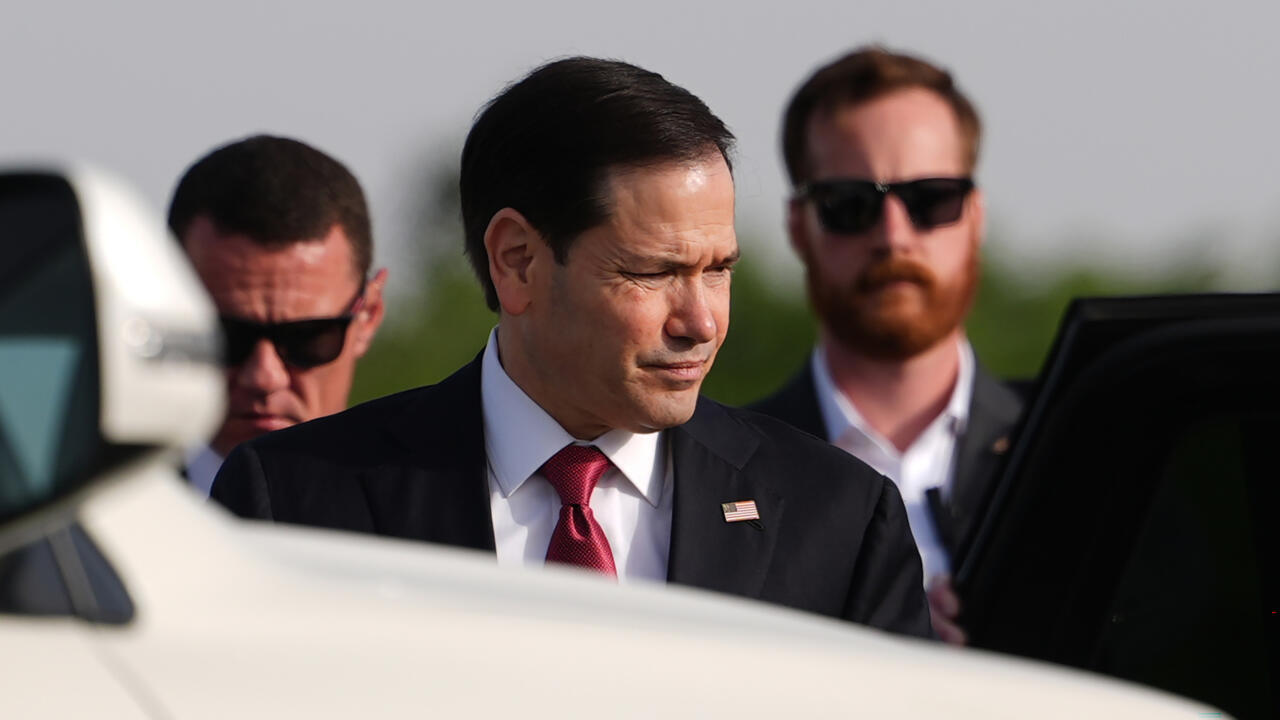
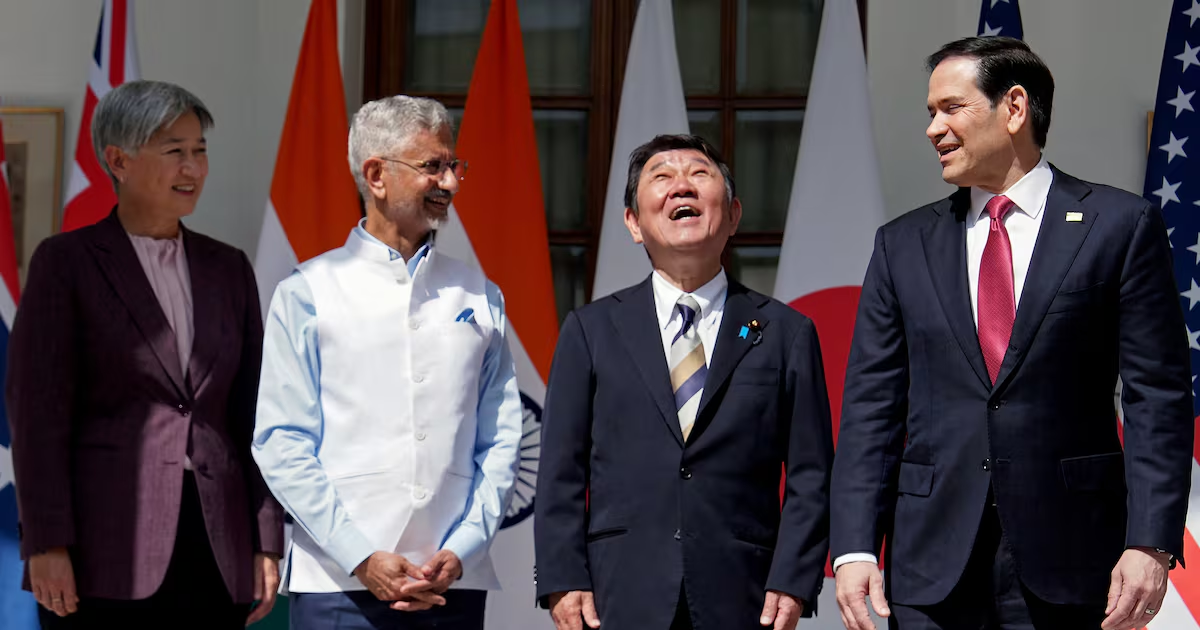
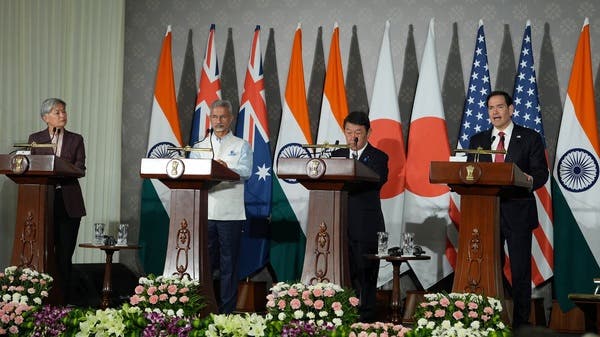
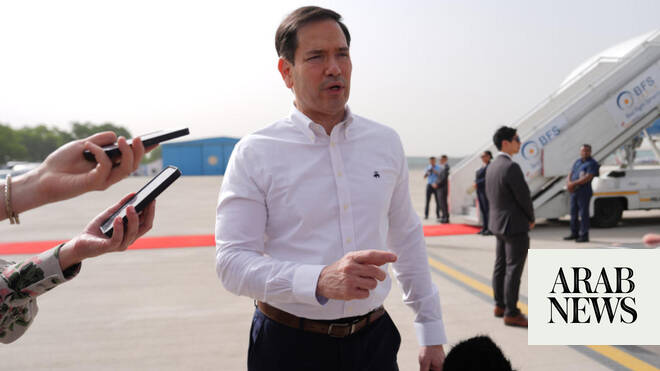
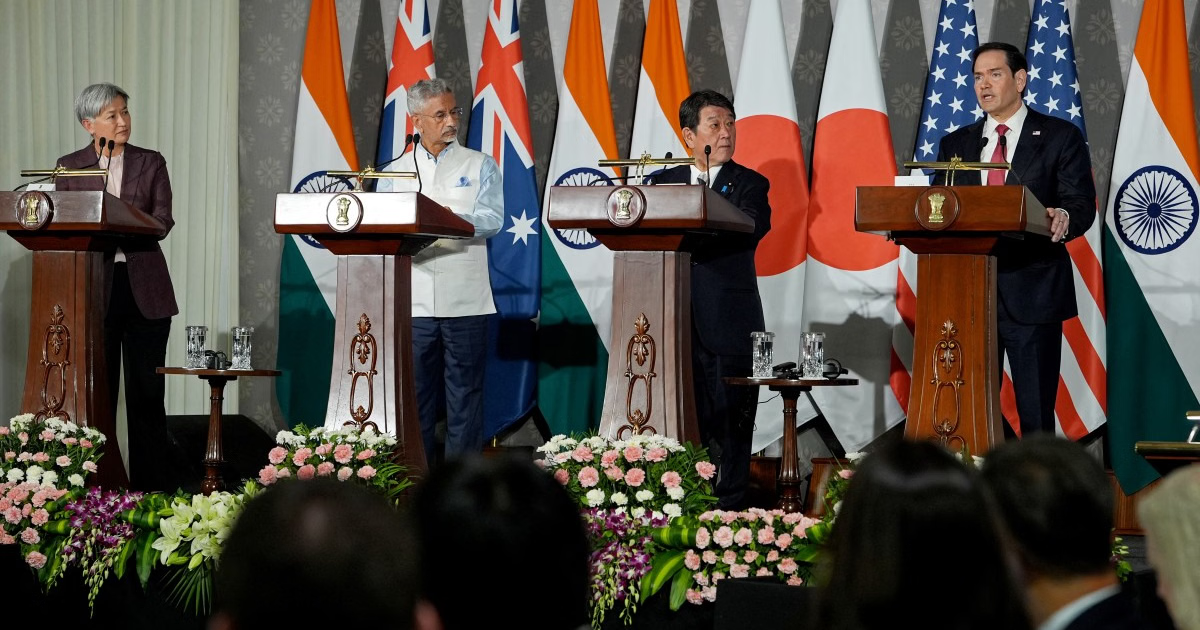
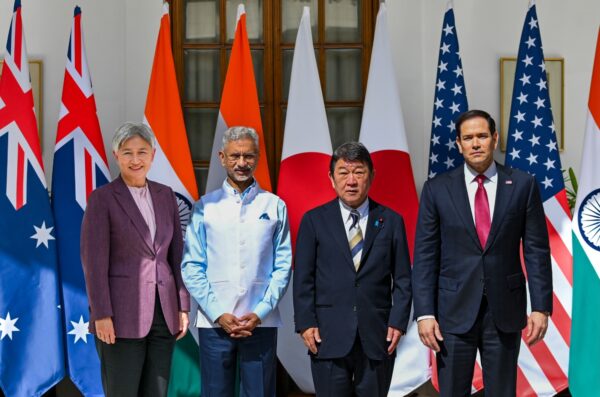
The role envisaged for the Quad was dictated by U.S. Secretary of State Marco Rubio in the Quad Foreign Ministers meeting in Delhi on May 26, 2026: the U.S. wants the Quad members to assist access to critical minerals, enhance U.S. energy sales, and help boost maritime surveillance and port infrastructure across the Indo-Pacific.