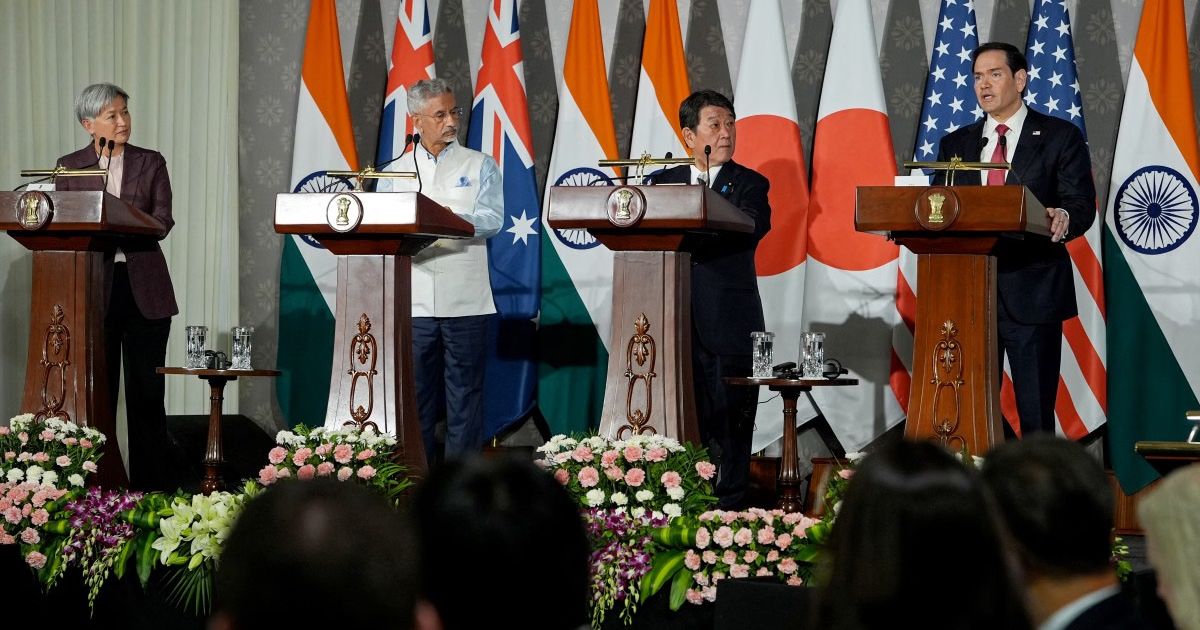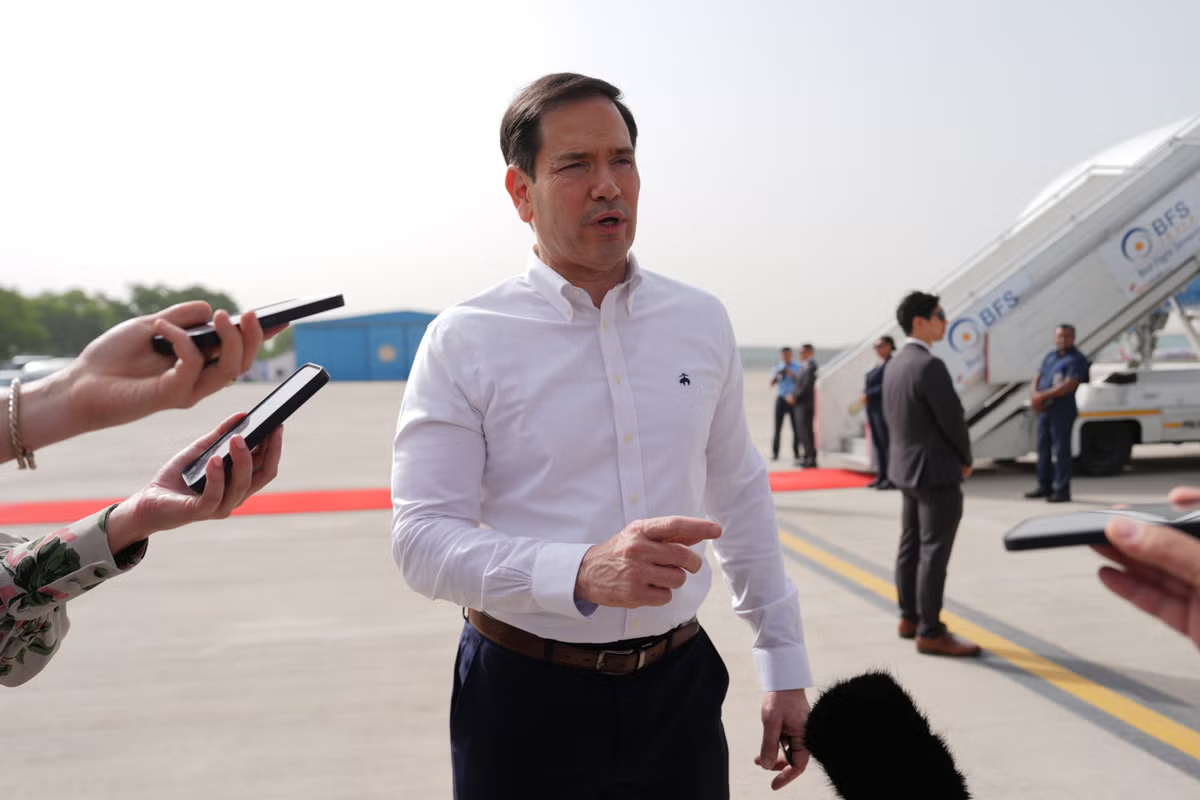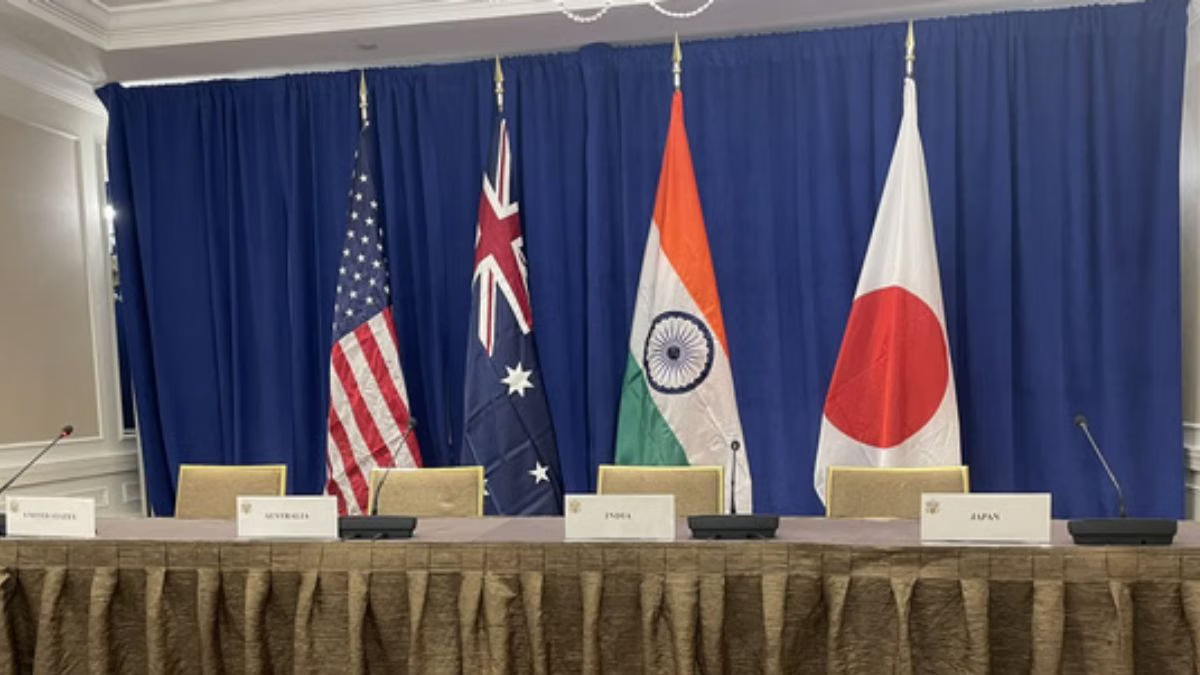
Also Read: From Kolkata to Quad, Marco Rubio’s India visit sparks anxiety and mockery in China
Bilateral momentum
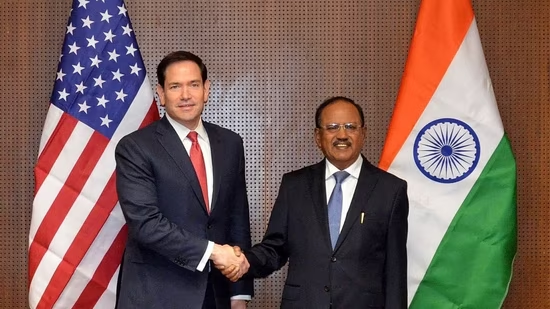
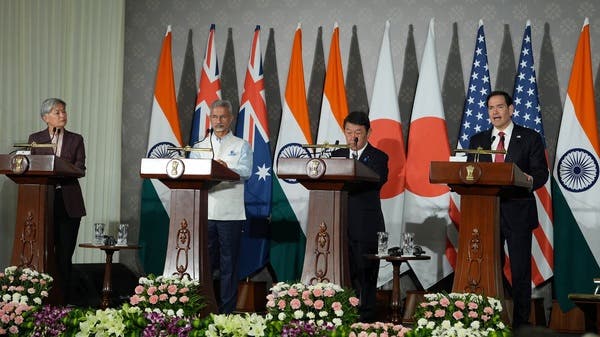
The numbers speak for themselves. America is India’s largest export market, a major defence partner, and among the country’s biggest investors. It recently overtook Mauritius to become India’s second-largest source of FDI. The US is also a critical source of remittances, an often-understated but vital pillar for an economy where remittance inflows remain higher than FDI.The relationship is also driven by technology, with the US emerging as India’s most important technological partner — from semiconductors and AI to critical and emerging technologies.Despite political friction, the strategic architecture has continued to deepen. India recently renewed the long-term defence cooperation framework with Washington and, albeit later than some others, joined the US-led Pax Silica, an initiative to strengthen supply chains for AI-era technologies. Simultaneously, the US has become an increasingly important actor in India’s energy imports as well, particularly in the context of energy diversification after the Hormuz crisis.There is also a renewed push on the economic front. Commerce Minister Piyush Goyal’s visit to the United States was aimed at progressing negotiations on finalising the long overdue bilateral trade agreement.The crux is that despite tariff disputes and Trump’s unpredictability, the India-US relationship continues to move through institutional continuity.Plurilateral woes—the Quad