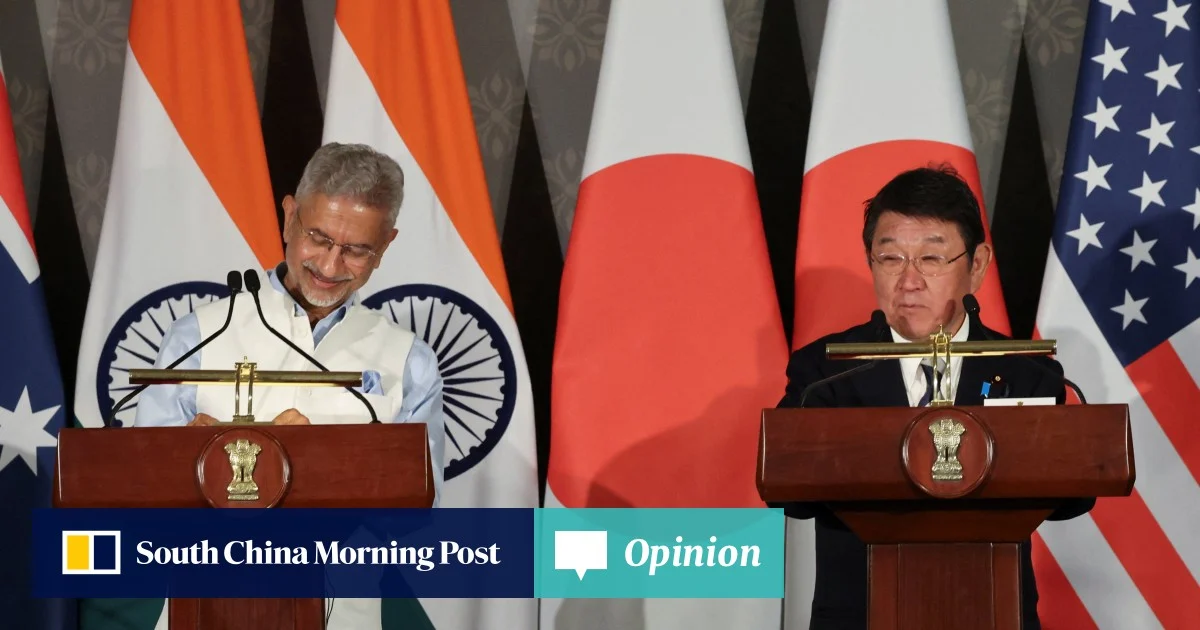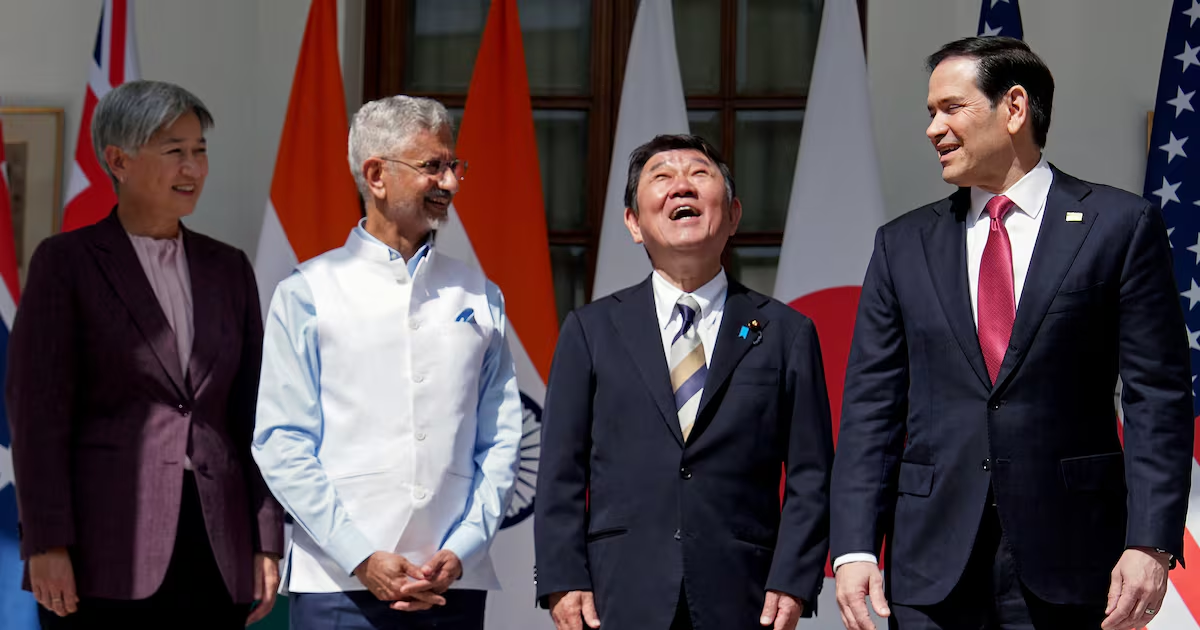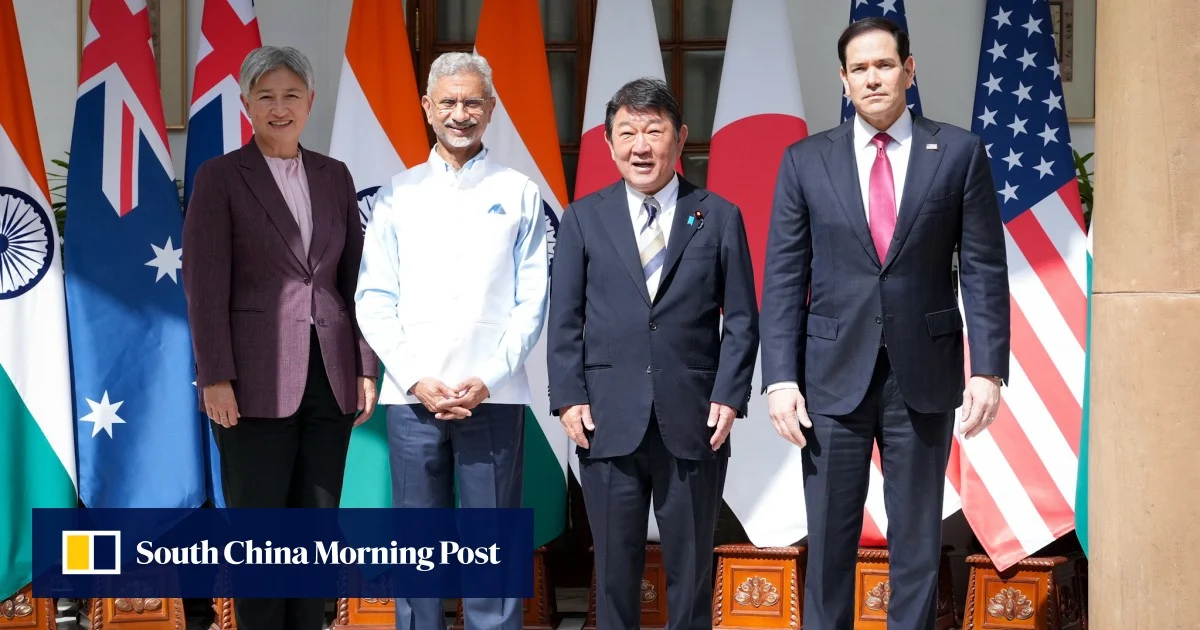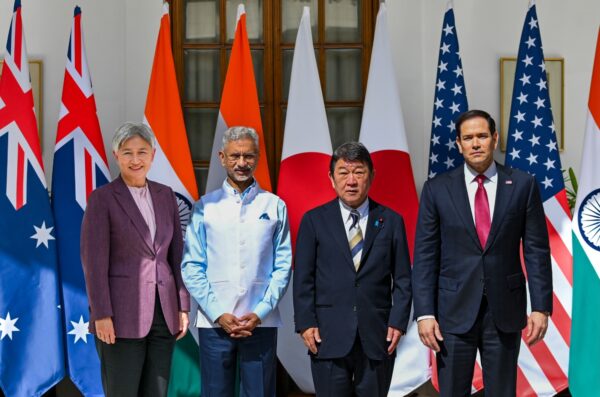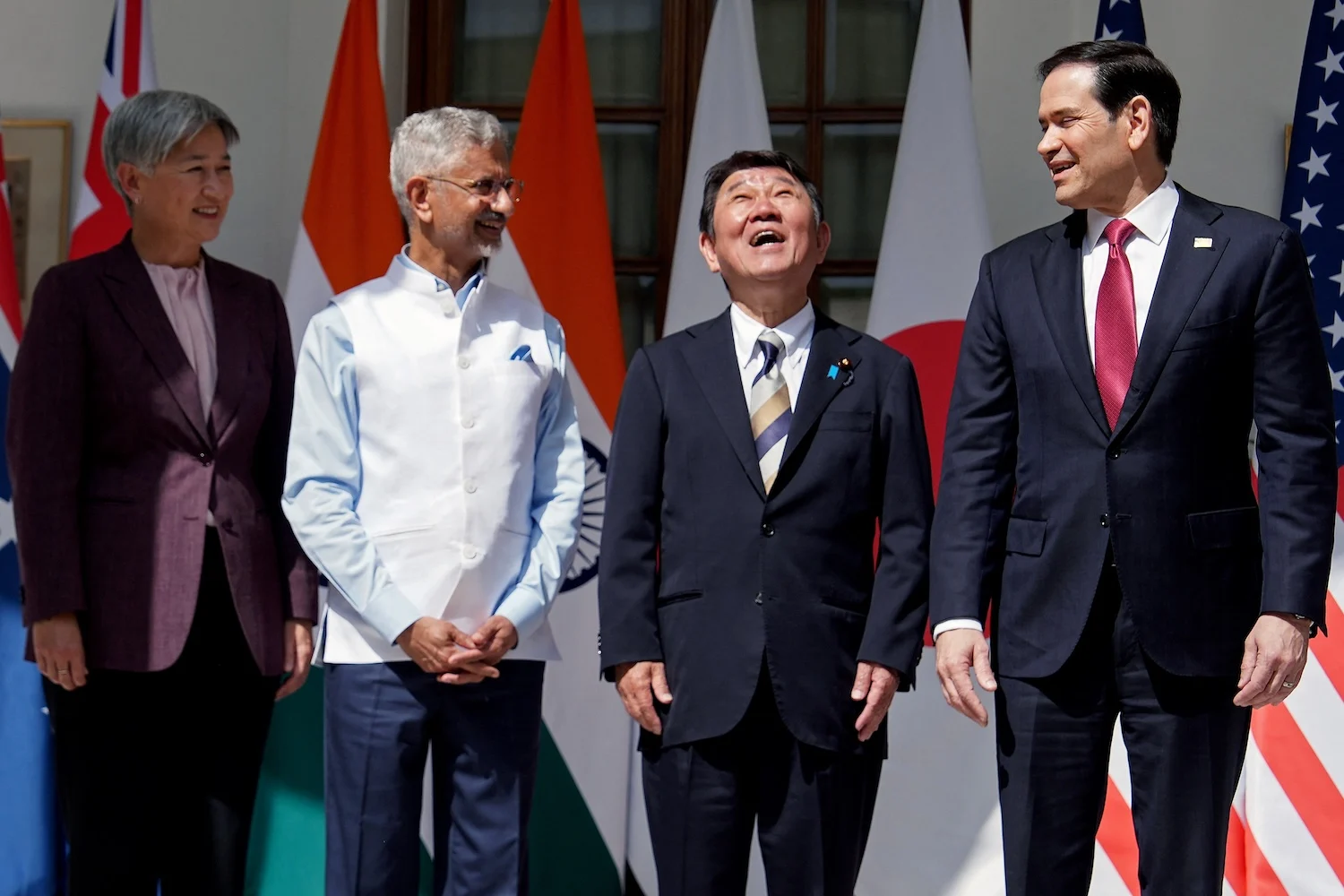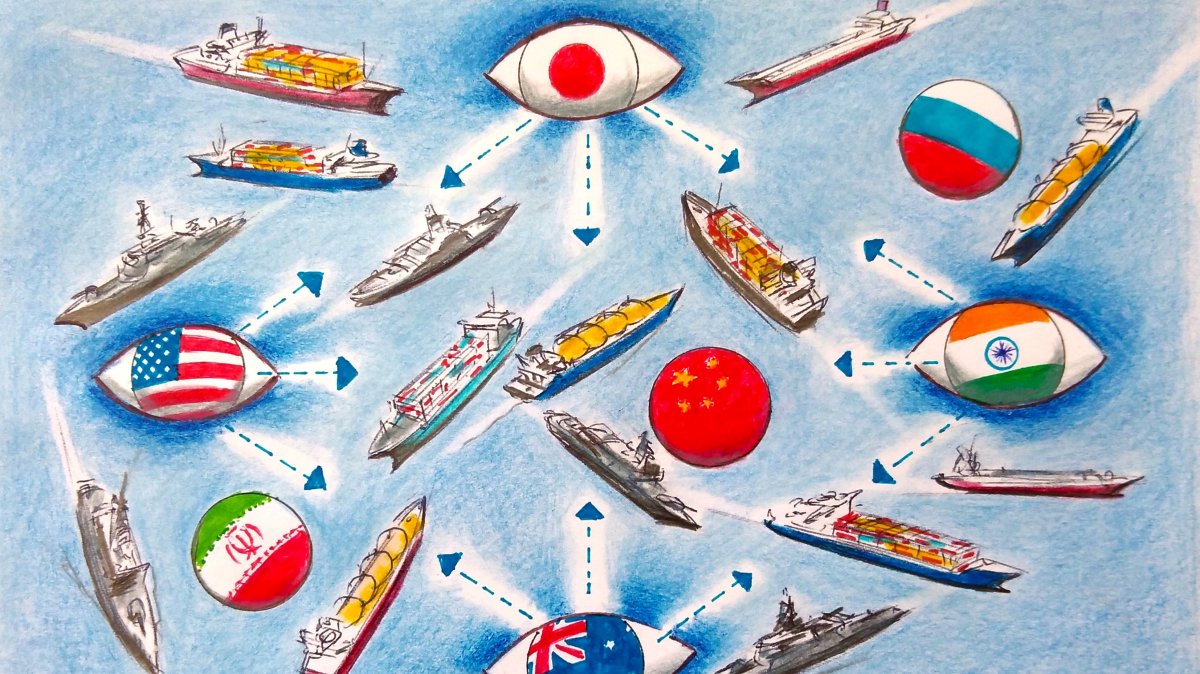
The discussions held at the recent summit of the Quad – which comprises the United States., Australia, Japan and India – were originally expected to focus on countering China’s expanding influence in the Indo-Pacific. Instead, the escalating Iran war shifted attention toward maritime security, energy stability and vulnerable supply chains, exposing how rapidly wider geopolitical crises can reshape the grouping’s priorities.
India, interestingly, raised concerns over free maritime movement, fertilizer supplies and energy chokepoints affecting regional trade, partially because nearly half of India’s crude imports pass through the Strait of Hormuz. Any prolonged disruption in the waterway risks increasing shipping insurance costs, delaying cargo movement and placing additional pressure on India’s already sensitive domestic fuel market. Rising oil prices carry political consequences for the BJP’s government, where inflation and energy affordability remain closely tied to public sentiment and economic stability.
U.S. Secretary of State Marco Rubio called for deeper Quad cooperation on energy security, maritime coordination and resilient supply chains, while Australia warned that instability in West Asia was creating broader economic stress across the Indo-Pacific, particularly for trade-dependent economies. The grouping also opposed any move toward tolling commercial shipping through the Strait of Hormuz, reflecting wider concerns that strategic waterways are increasingly becoming instruments of geopolitical leverage.