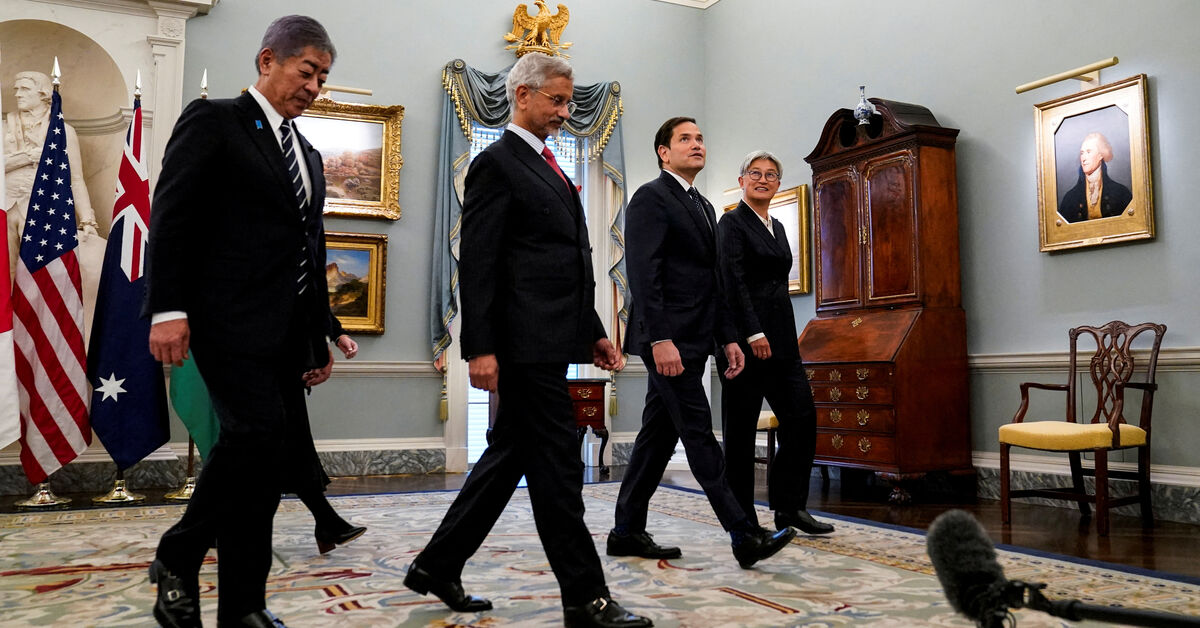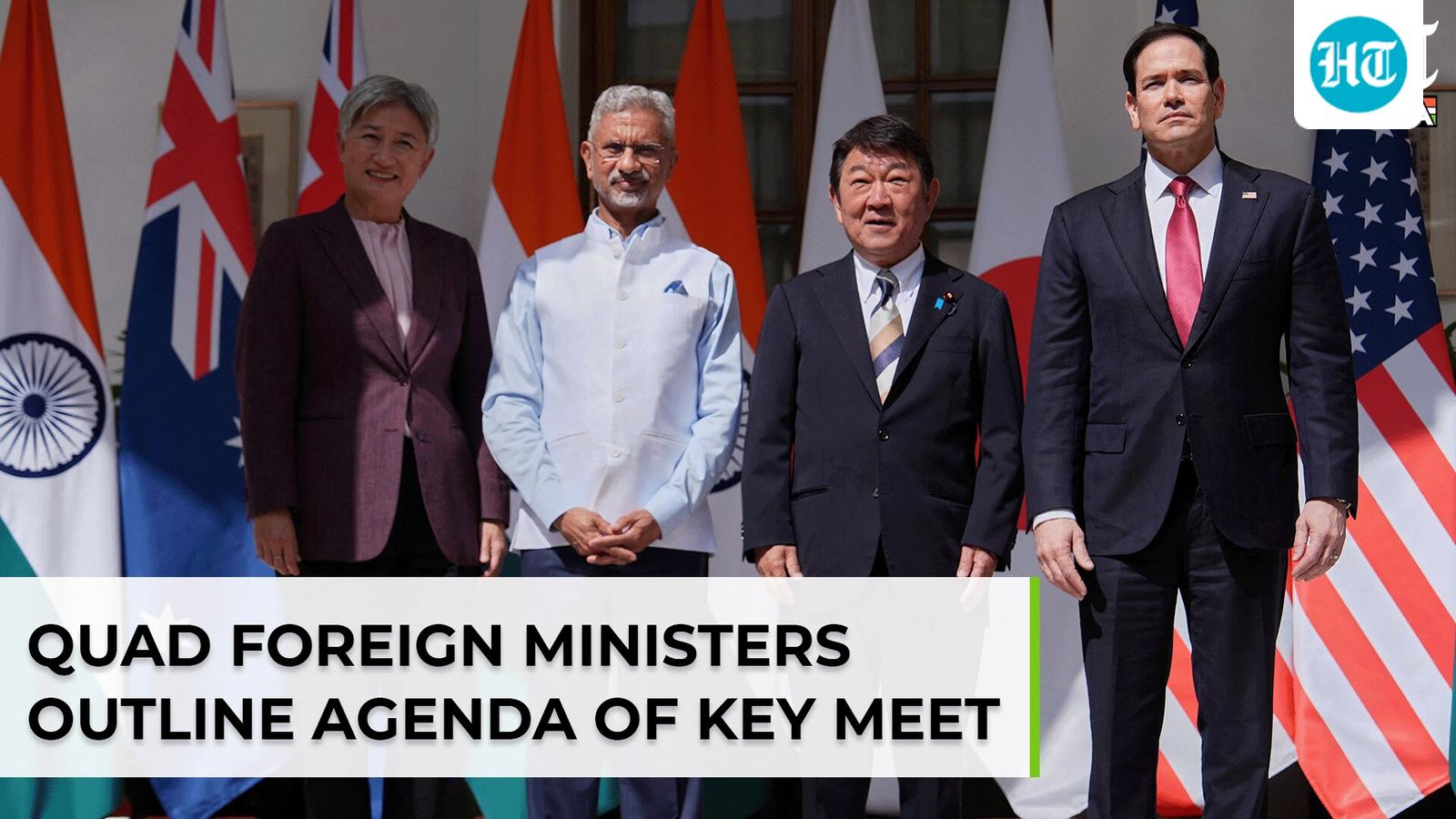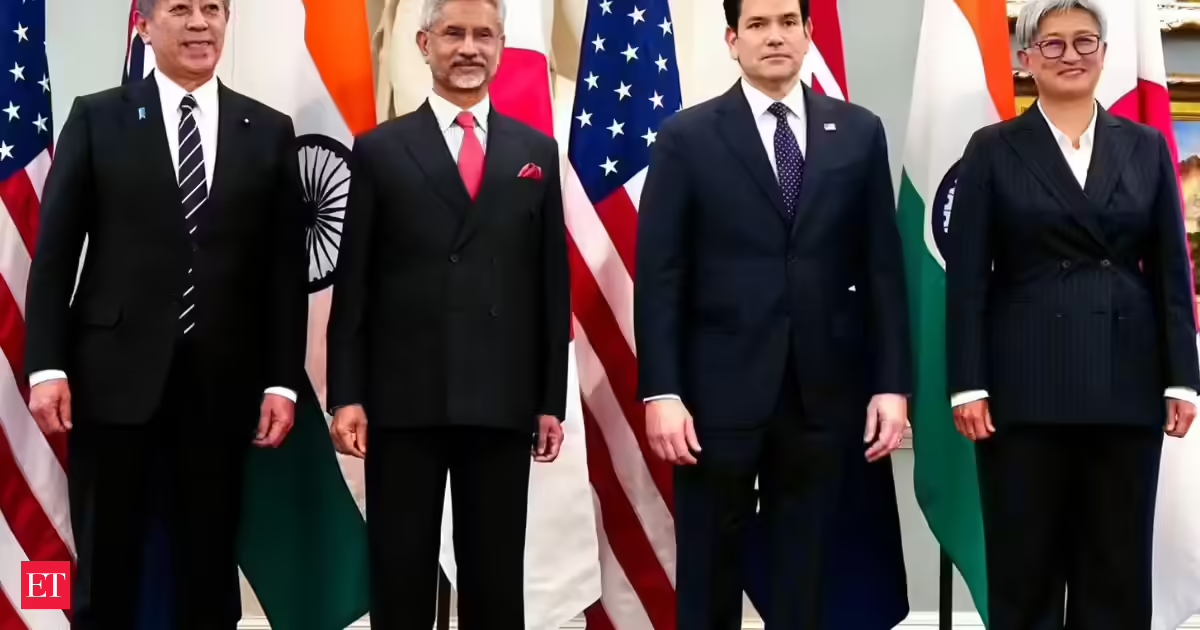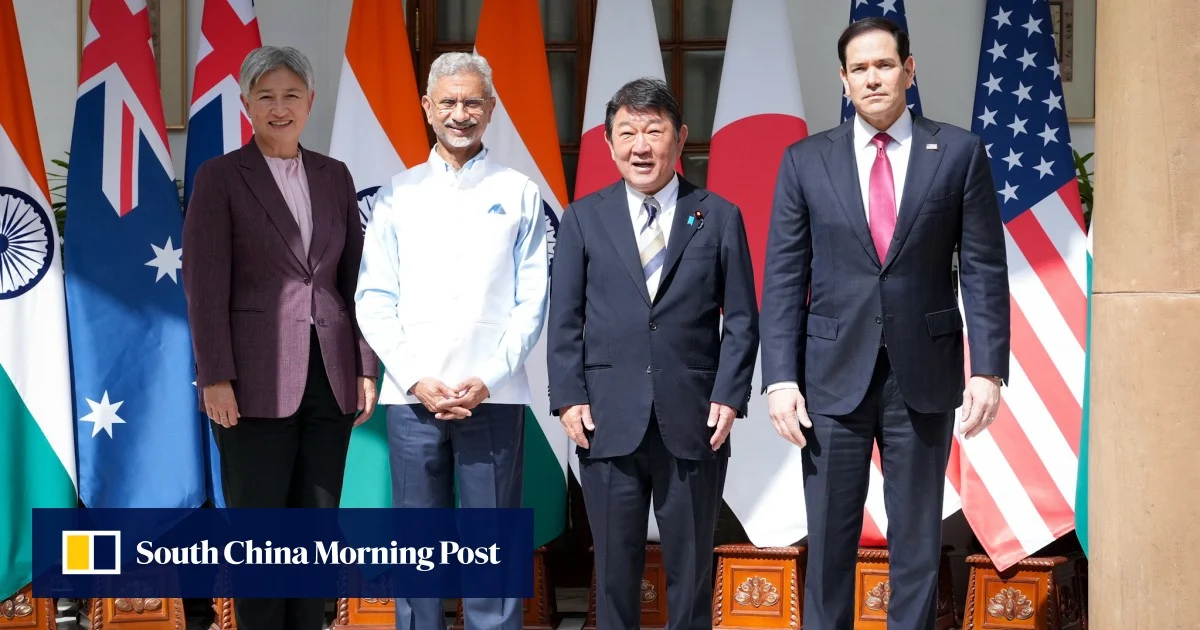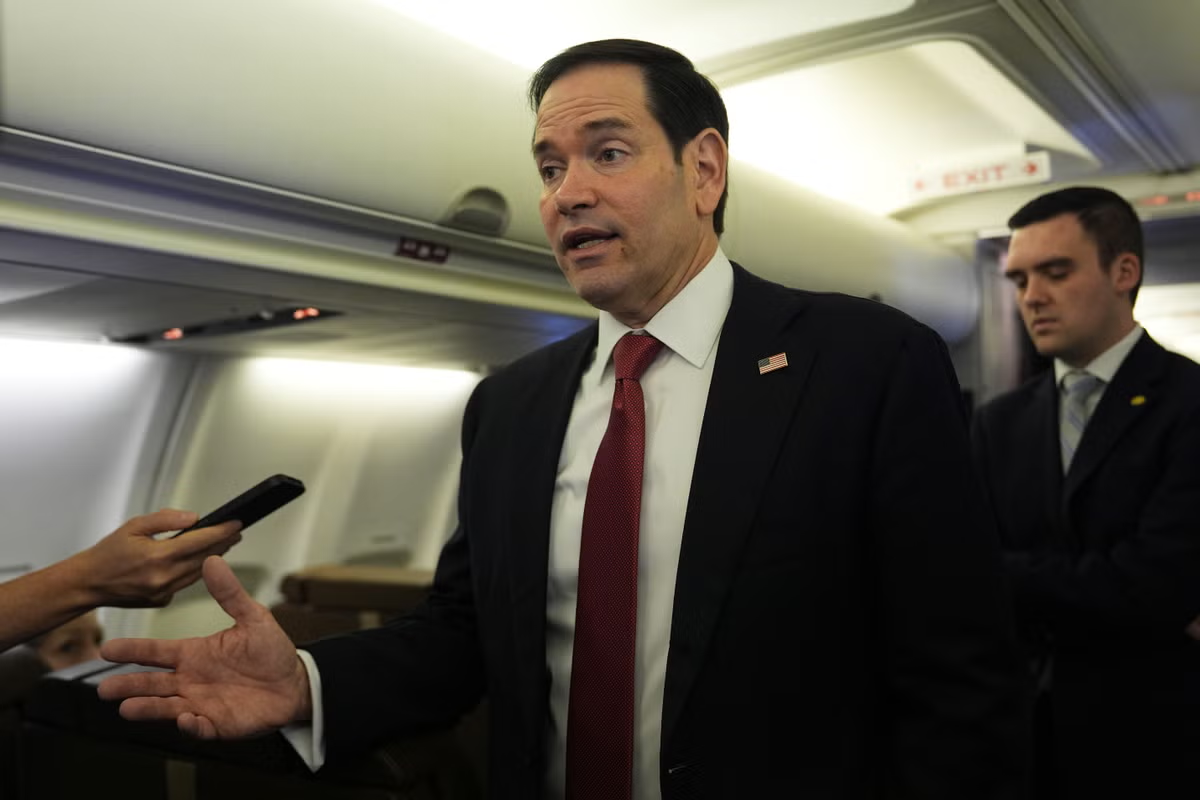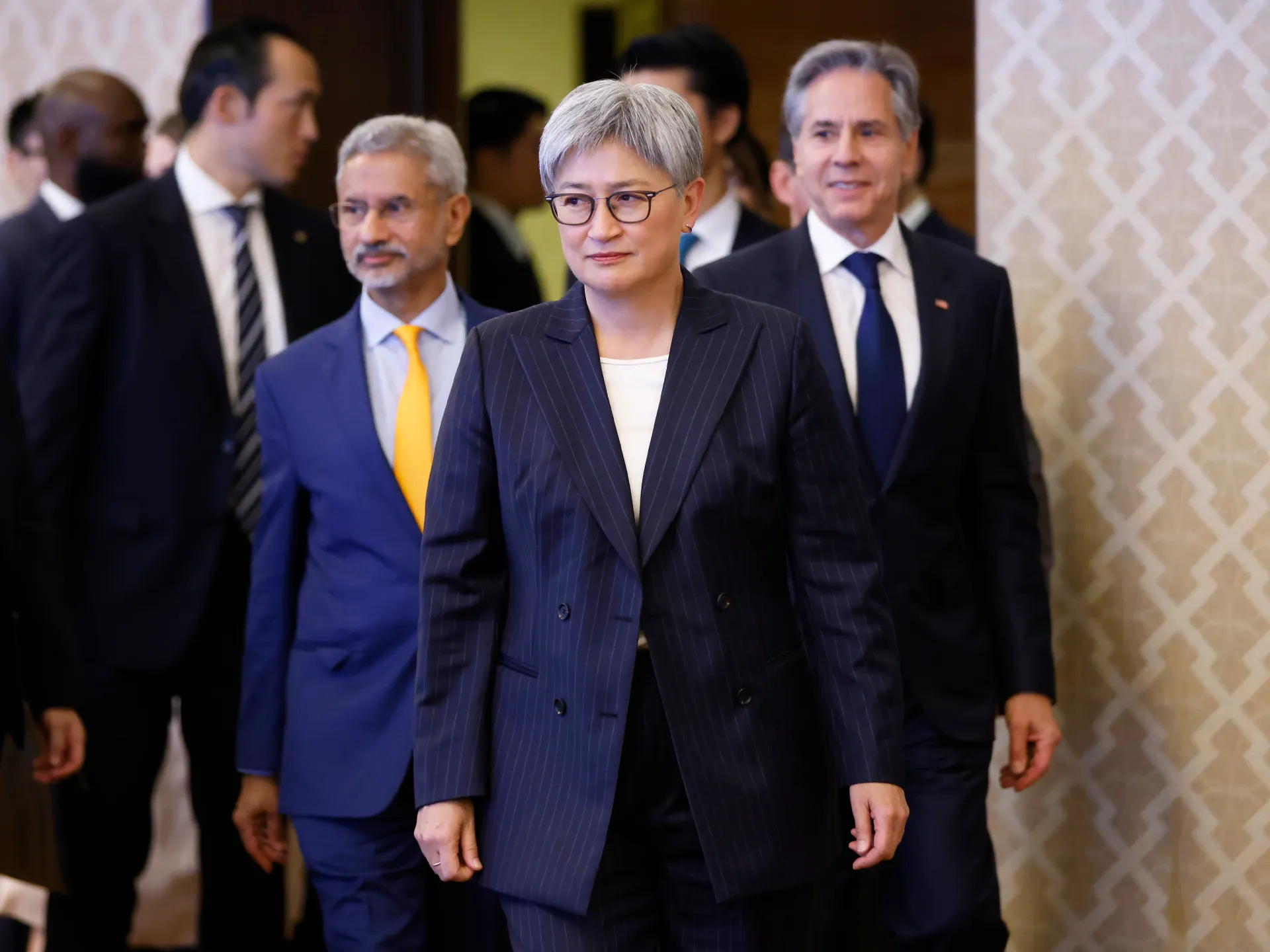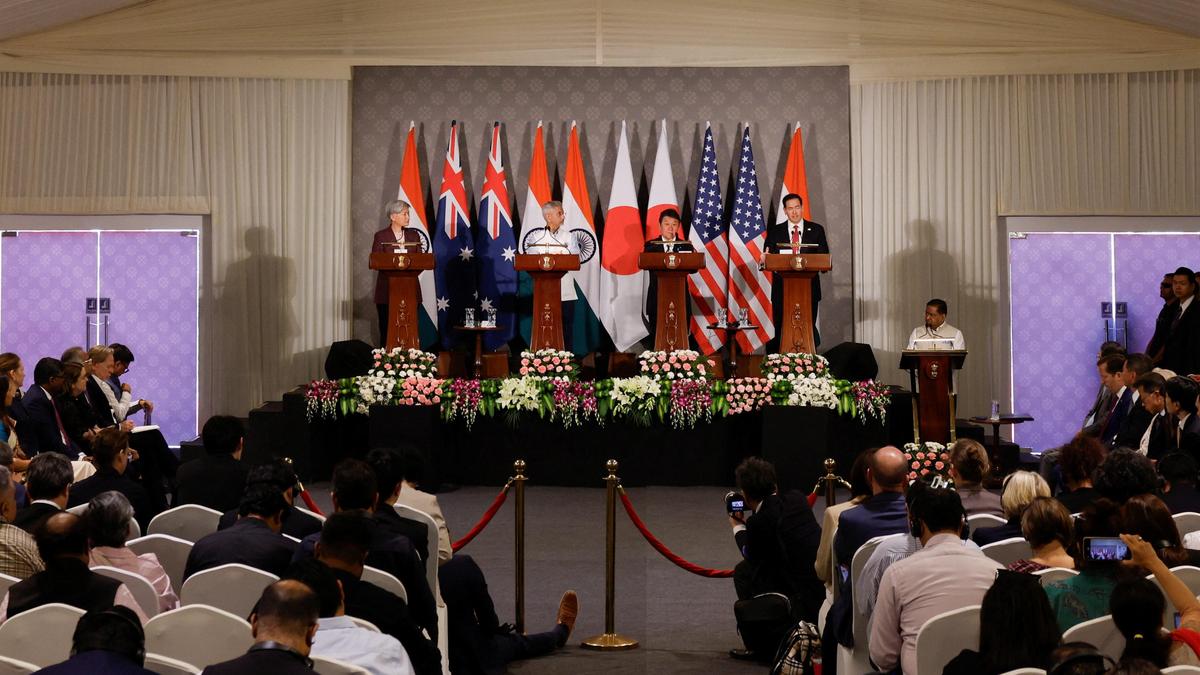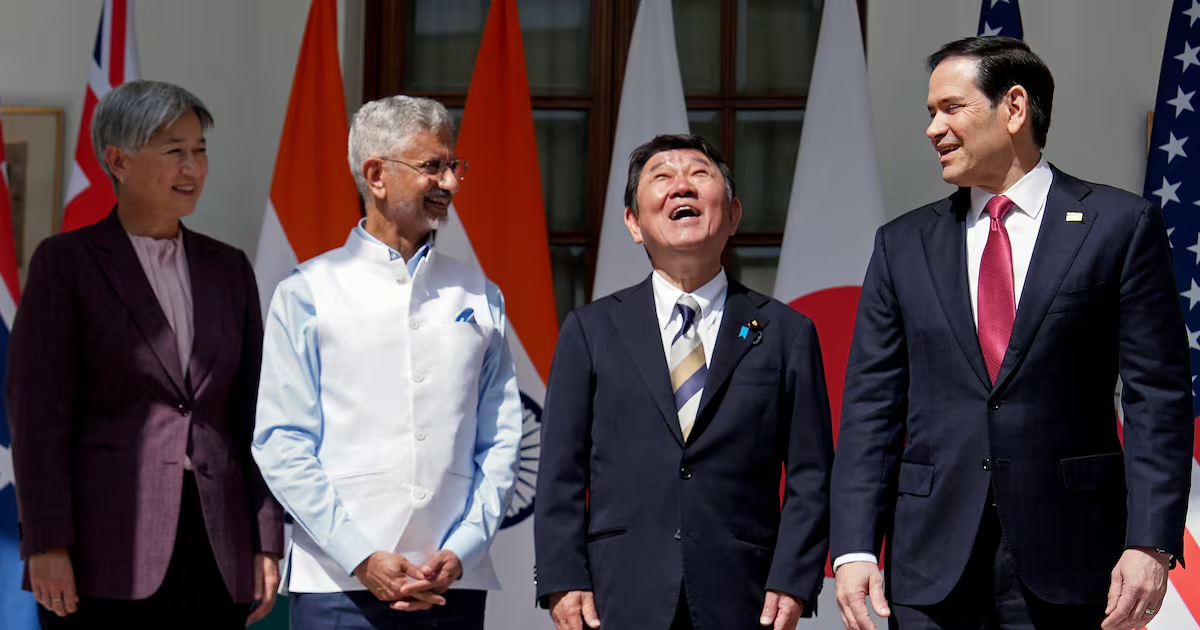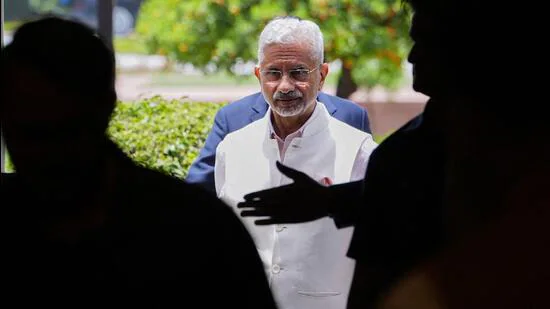
The Quad Foreign Ministers’ Meeting this week, the third such engagement since U.S. President Donald Trump began his tenure, was meant to reassure all partners — India, Australia, Japan and the U.S. — that the grouping remains valid and viable, despite all the rapid geopolitical developments. To that end, U.S. Secretary of State Marco Rubio, Australian Foreign Affairs Minister Penny Wong and Japanese Foreign Affairs Minister Toshimitsu Motegi, who were hosted by External Affairs Minister S. Jaishankar in Delhi, agreed to firm up a number of initiatives. On Indo-Pacific maritime security, they agreed on three initiatives including one for Maritime Surveillance Collaboration (IPMSC), a Partnership for Maritime Domain Awareness (IPMDA), and a Quad-at-Sea Ship Observer Mission. They also finalised a Quad Critical Mineral cooperation initiative, an energy security partnership, and the first ever Quad infrastructural project to build a port in Fiji. The joint statement reiterated their commitment to the Quad’s geopolitical positions: a Free and Open Indo-Pacific (FOIP); respecting territorial integrity; countering cross-border terrorism; and upholding international law with a focus on UNCLOS. The statement expressed concern over the Pahalgam attack, developments in the East and South China Seas, and the Strait of Hormuz blockade. Yet, there were also clear constraints on the language, which appeared to arise out of the U.S.’s new engagement with China and Russia. Quad partners decried Iranian actions in the conflict but made no mention of the U.S.-Israel’s initiation of the conflict with Iran, the U.S. torpedoing of an Iranian ship in the Indian Ocean, or Washington’s talks with Tehran using Pakistan as mediator. Each of these newly developed vectors poses a challenge to Quad unity, while the lack of consultation before and during the West Asia conflict raises questions about the Quad’s relevance.The future of the Quad engagement emerged as another concern. The Quad began at an official-level in 2007, was reborn in 2017 at a higher official level, and was upgraded to leader-level engagement in 2021. India assumed the Quad chair in 2024, but has since faced difficulties in hosting the summit. In 2024, tensions with the U.S. over the Pannun-Nijjar case delayed the summit and the Biden administration insisted on holding it in Baltimore. In 2025, tensions over tariffs, sanctions, trade, and Operation Sindoor claims disrupted plans for Mr. Trump and other leaders to meet in Delhi. Mid-way through 2026, that meeting is yet to be scheduled, and if India demits the Chair to Australia without holding a Summit, it may indicate a downgrade in engagement. The Quad’s regional initiatives on climate change, health, debt financing, infrastructure and maritime security remain a force for good in the Indo-Pacific. However, the grouping’s internal contradictions, particularly in the face of the U.S.’s unilateral moves across the world, are a challenge. The Quad could benefit from some reflection on how to ensure that the grouping moves forward in tandem on its worthy objectives, not as one that pulls in different directions. Published - May 30, 2026 12:10 am IST
Different directions: on the Quad, Foreign Ministers’ Meeting
The Quad could benefit from some reflection on how to ensure that the grouping moves forward in tandem on its objectives
495 words~2 min read