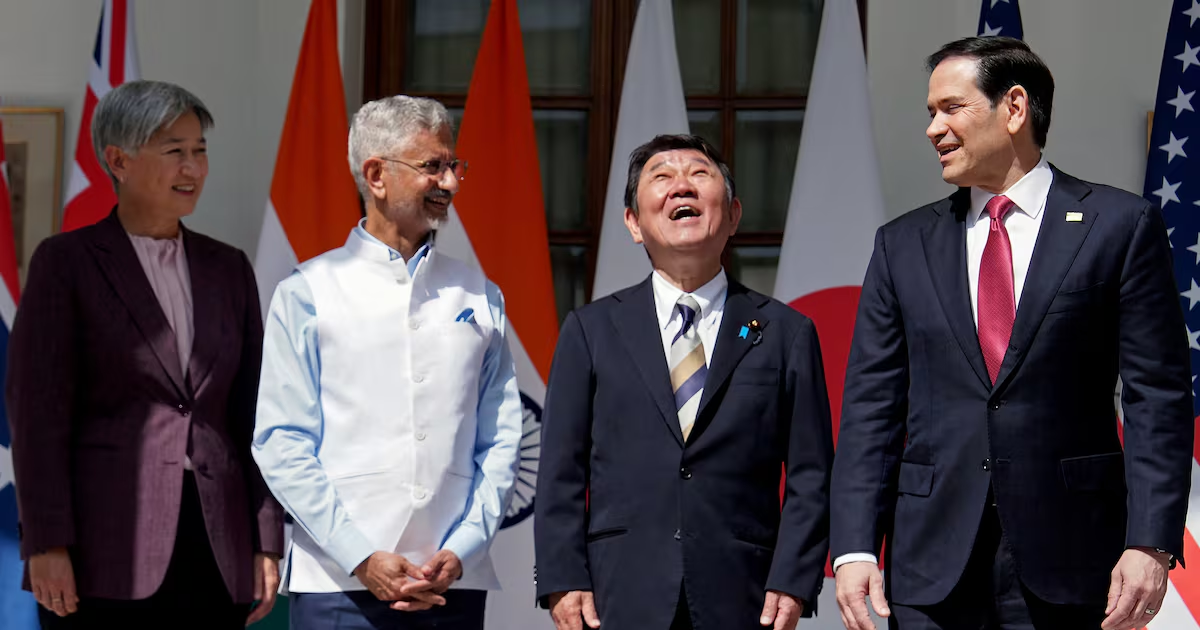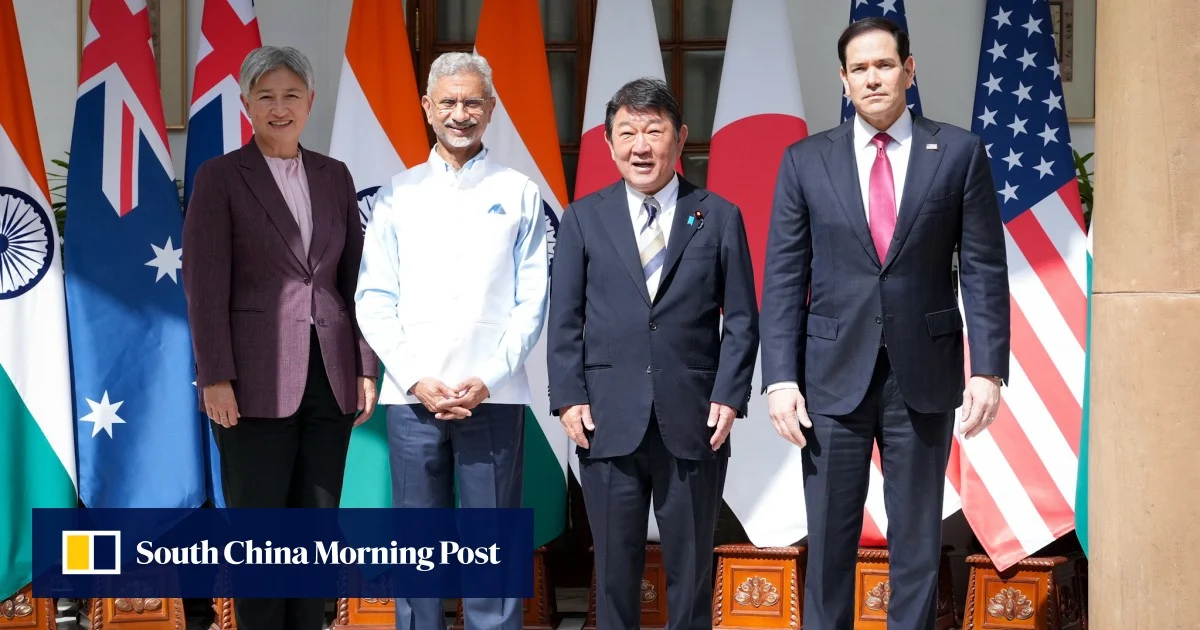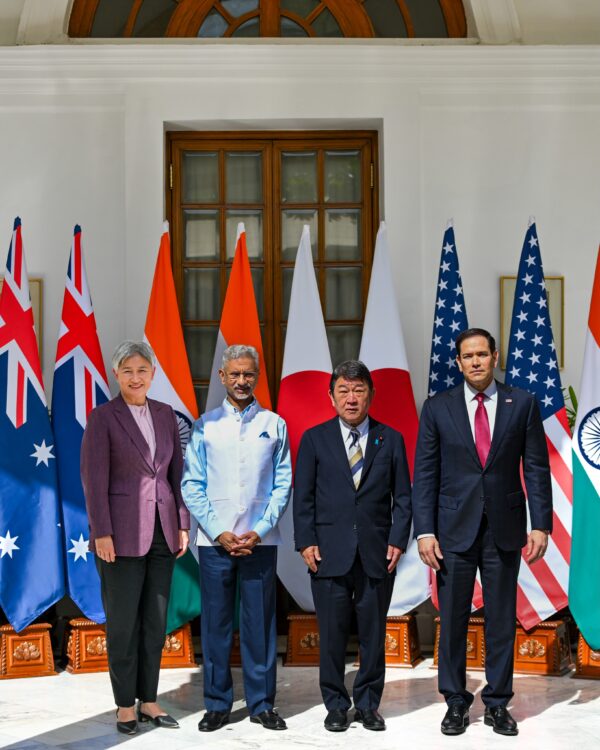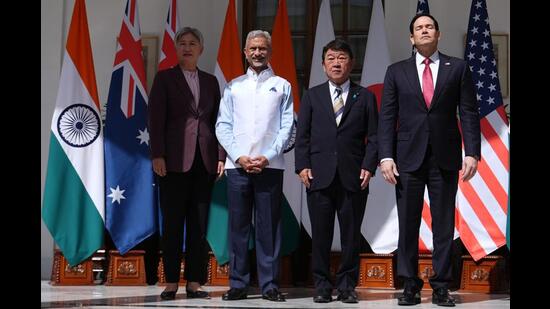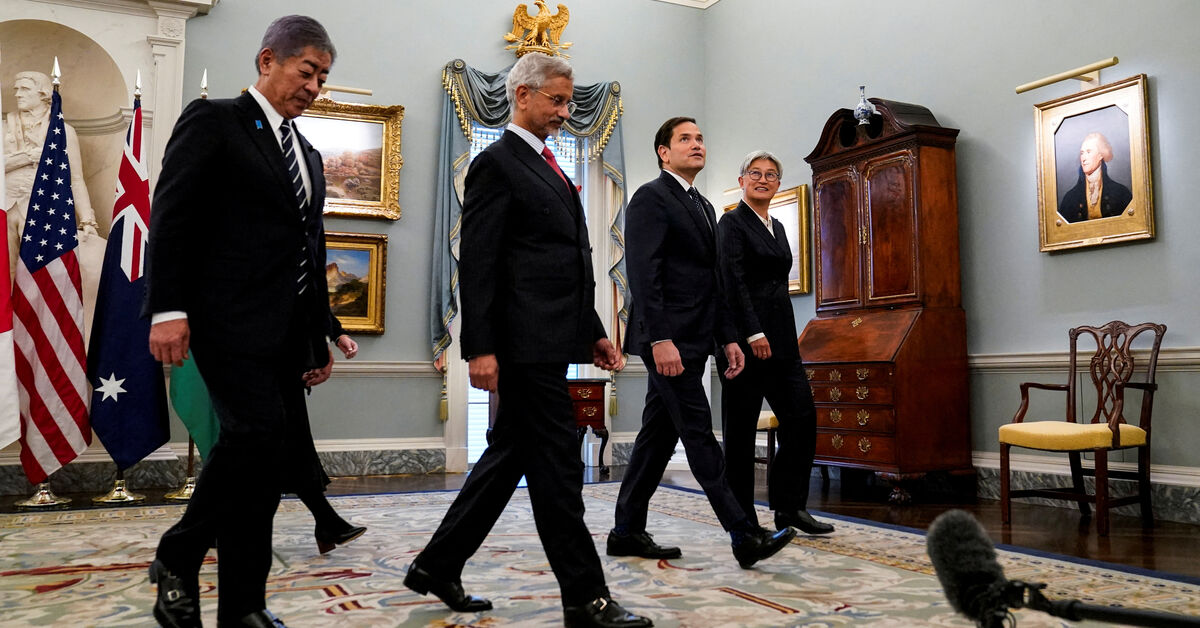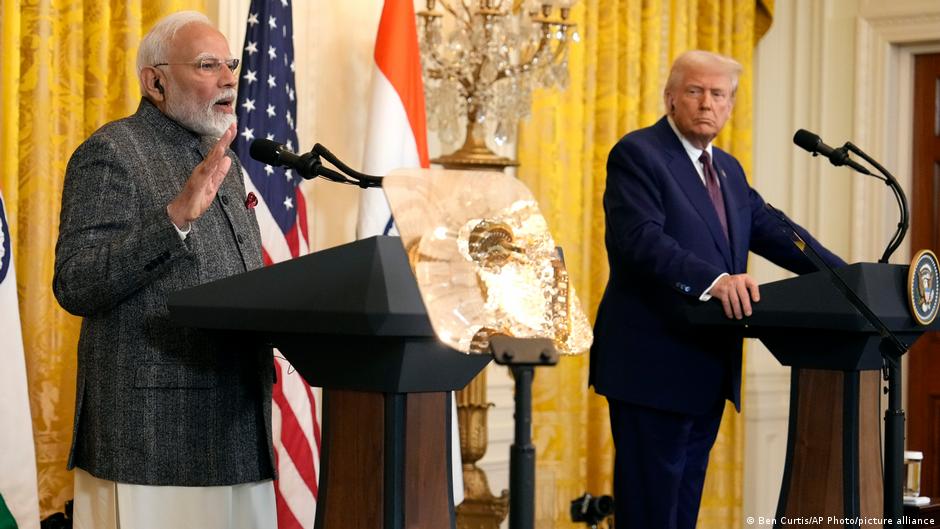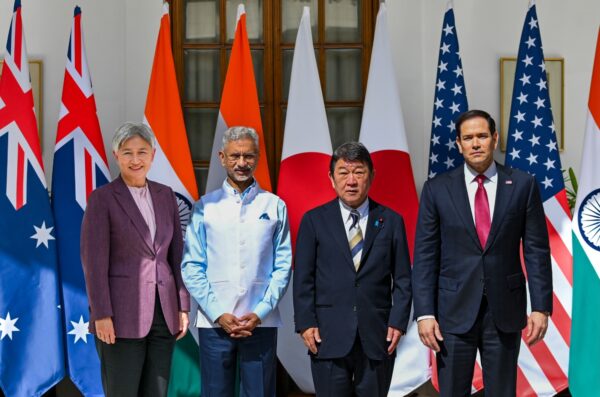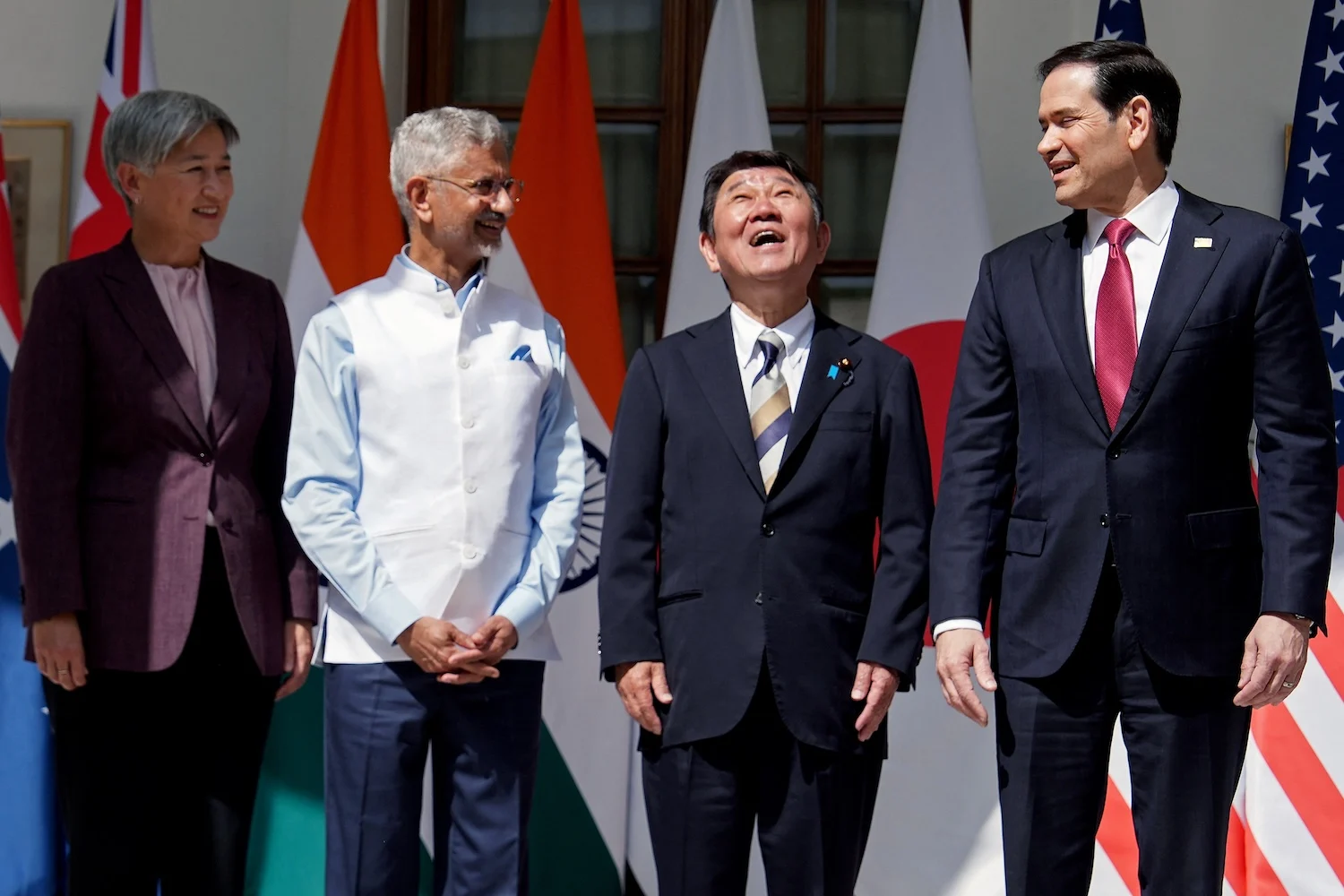
The recently concluded Quad foreign ministers’ meeting should help to ease some of the recent anxieties around the group. Analysts have been tempted to measure the vitality of the group—comprising Australia, India, Japan, and the United States—by the frequency of its summitry or mentions in American strategic documents. But that would be a mistake. Granted, much of the Quad’s pomp and pretense have been stripped away, but what remains is a group that is more narrowly focused and self-interested—and therefore more credible.
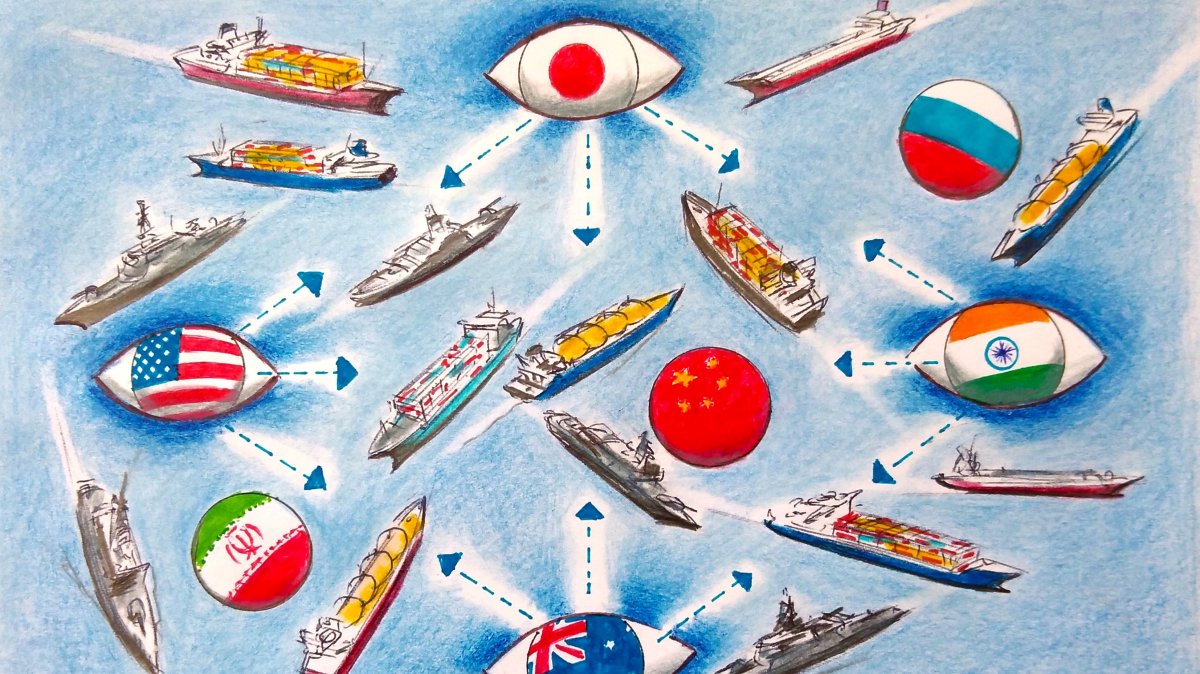
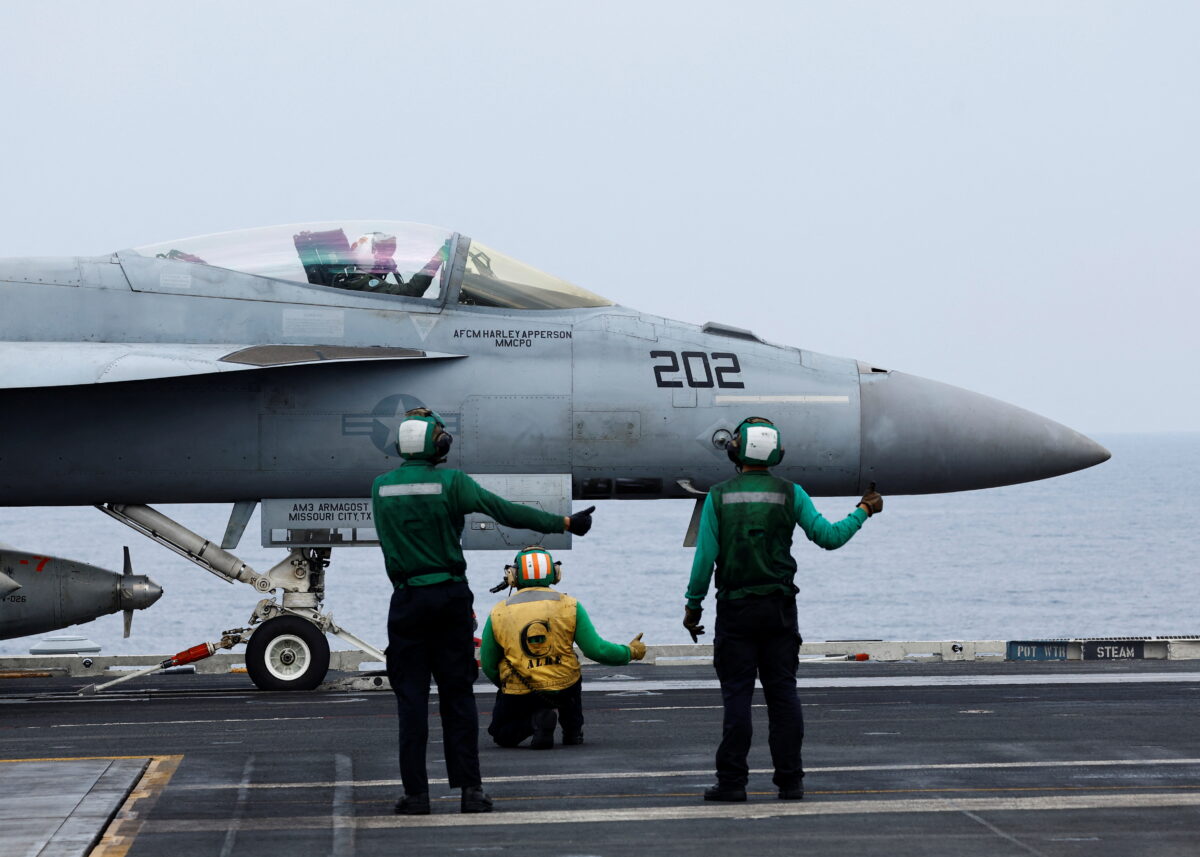
Until last year, the Quad boasted a dizzyingly broad agenda, from climate change to curing cancer, with paltry results. Then, at the last foreign ministers’ meeting, in July 2025, it streamlined its work to four security-related efforts: maritime security, economic security, critical and emerging technology, and emergency assistance. Thus, this week’s meeting yielded potentially important outcomes on maritime security, with the announcement of the Indo-Pacific Maritime Surveillance Collaboration (IPMSC) and a new maritime common operating picture.
The recently concluded Quad foreign ministers’ meeting should help to ease some of the recent anxieties around the group. Analysts have been tempted to measure the vitality of the group—comprising Australia, India, Japan, and the United States—by the frequency of its summitry or mentions in American strategic documents. But that would be a mistake. Granted, much of the Quad’s pomp and pretense have been stripped away, but what remains is a group that is more narrowly focused and self-interested—and therefore more credible.