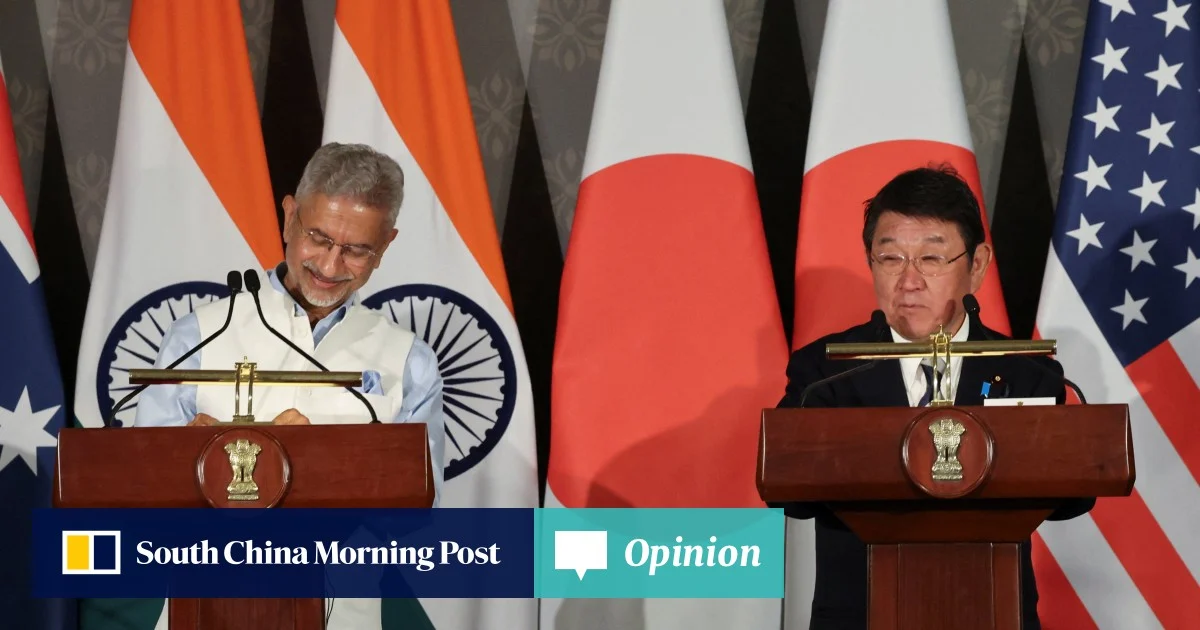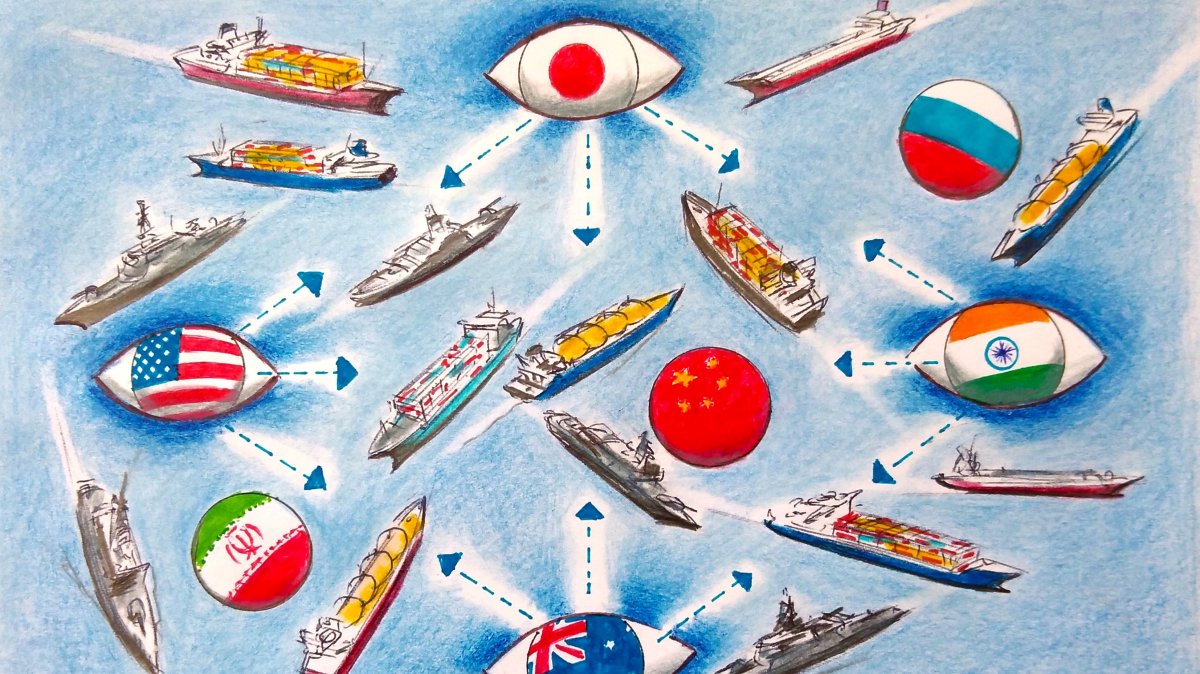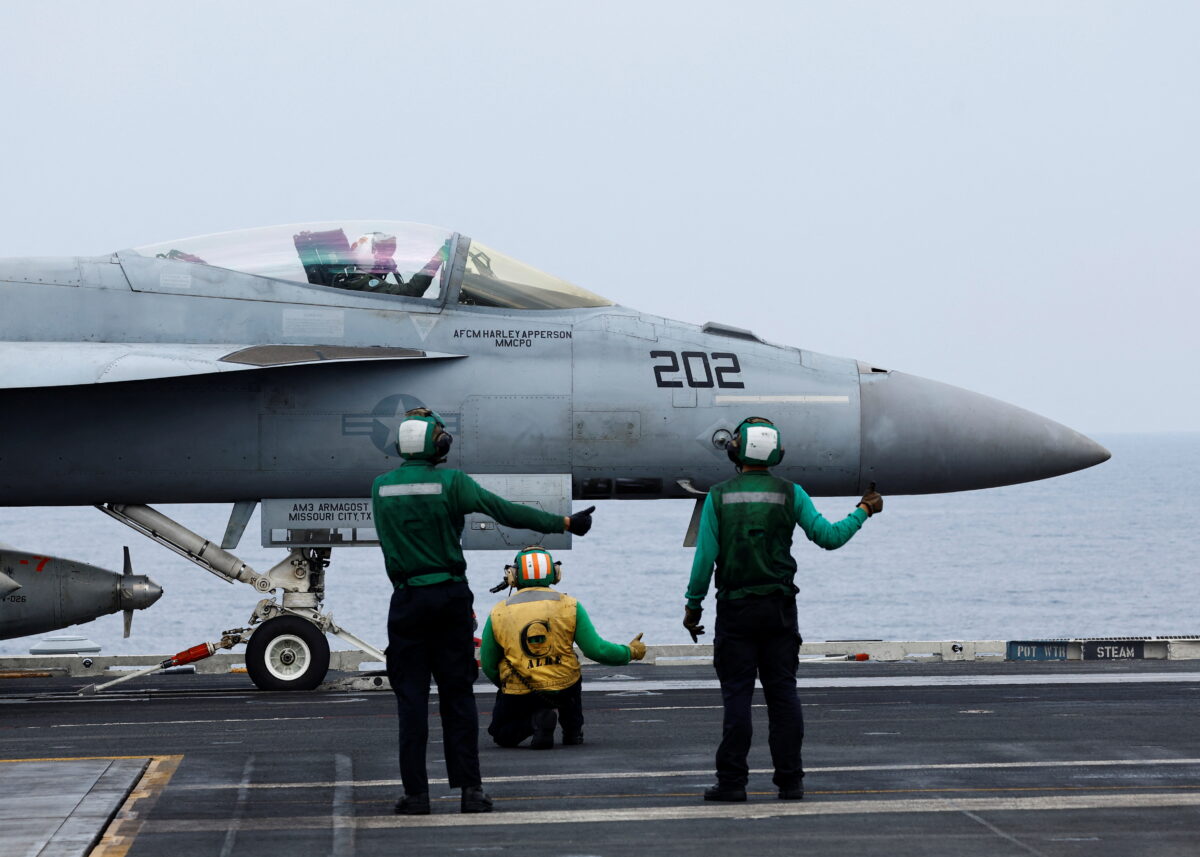
The primary strategic challenge confronting the Quad — comprising the United States, Japan, Australia and India — is uneven delivery. While there is no lack of ambition in Quad factsheets across administrations, the future of the minilateral depends on consistently delivering trusted, tangible and scalable solutions to regional challenges without imposing substantial political costs or forcing countries into costly geopolitical choices.
Addressing questions of state capacity, implementation gaps, institutional latency, operational credibility and strategic timelines beyond diplomatic attention spans is imperative to delivering durable functional outcomes amid recurring systemic shocks.
While the Quad has woven an expansive agenda since 2017, its focus should move from performative diplomacy to delivery anchored in strategic risk reduction and resilience. The Quad’s success will not be determined by the number of initiatives announced — encompassing economic security, emerging technologies, critical minerals, maritime security and logistics cooperation — but the outcomes delivered. In an increasingly complex Indo-Pacific, the challenge is proving that existing priorities can work.
The Quad’s delivery deficit becomes even more consequential as US–China relations enter a phase of ‘constructive strategic stability’ — a period of managed competition and selective accommodation. During periods of heightened geopolitical rivalry, the Quad’s value could often be inferred from strategic signalling and balancing behaviour. But under conditions of managed competition, its legitimacy will increasingly depend on whether it can deliver practical outcomes that strengthen regional resilience. The Quad is transitioning from a balancing-oriented minilateral to a resilience-oriented one whose legitimacy increasingly depends on delivery.