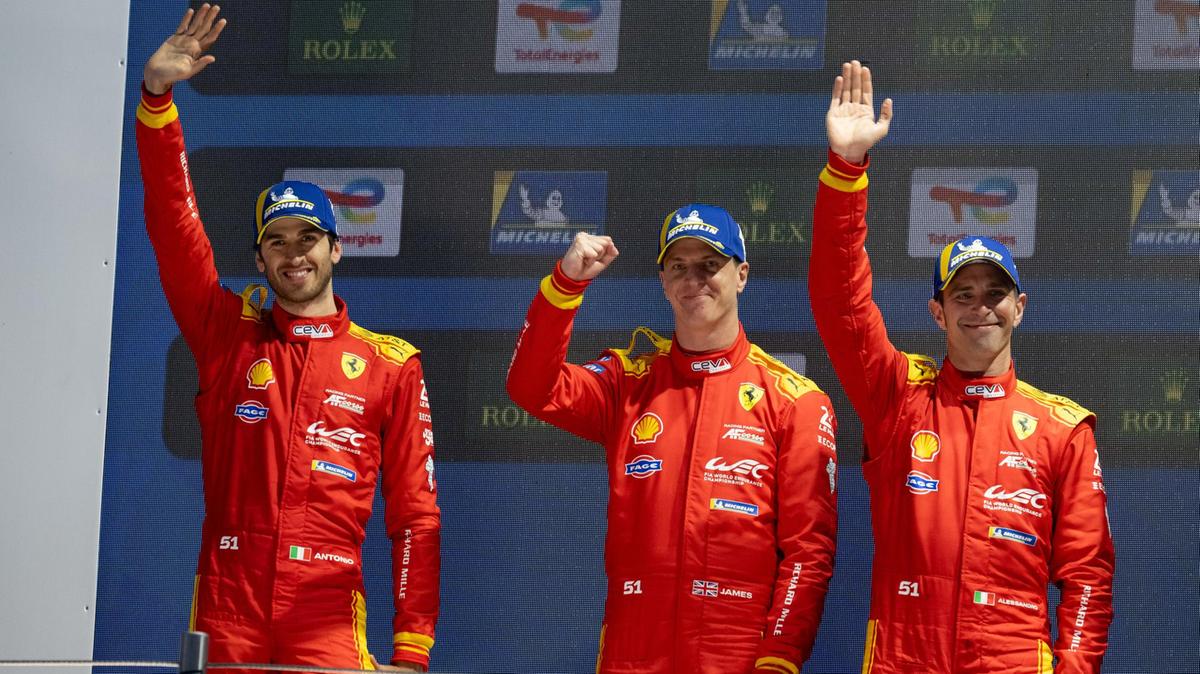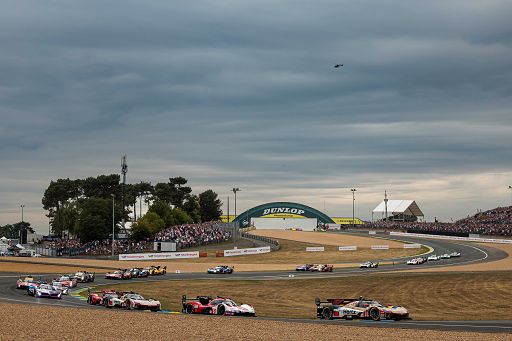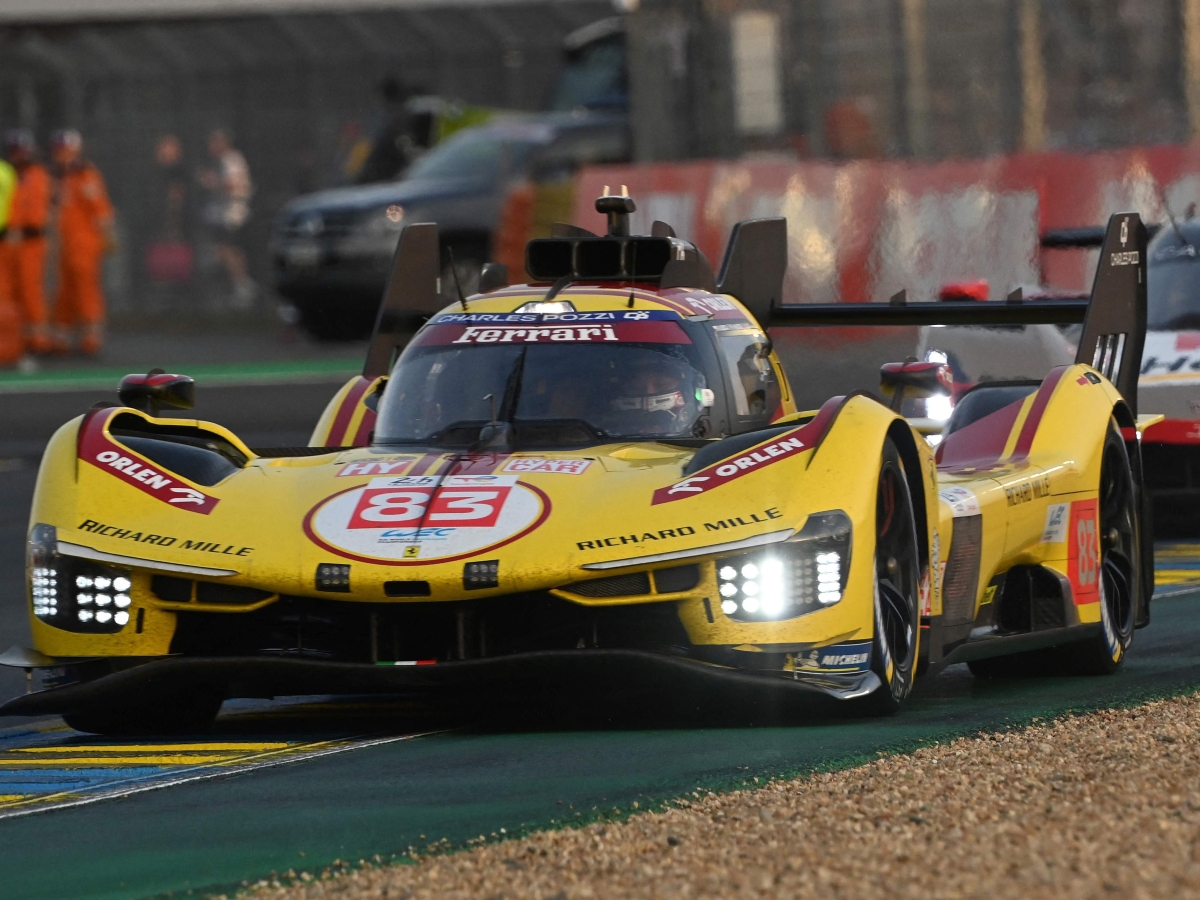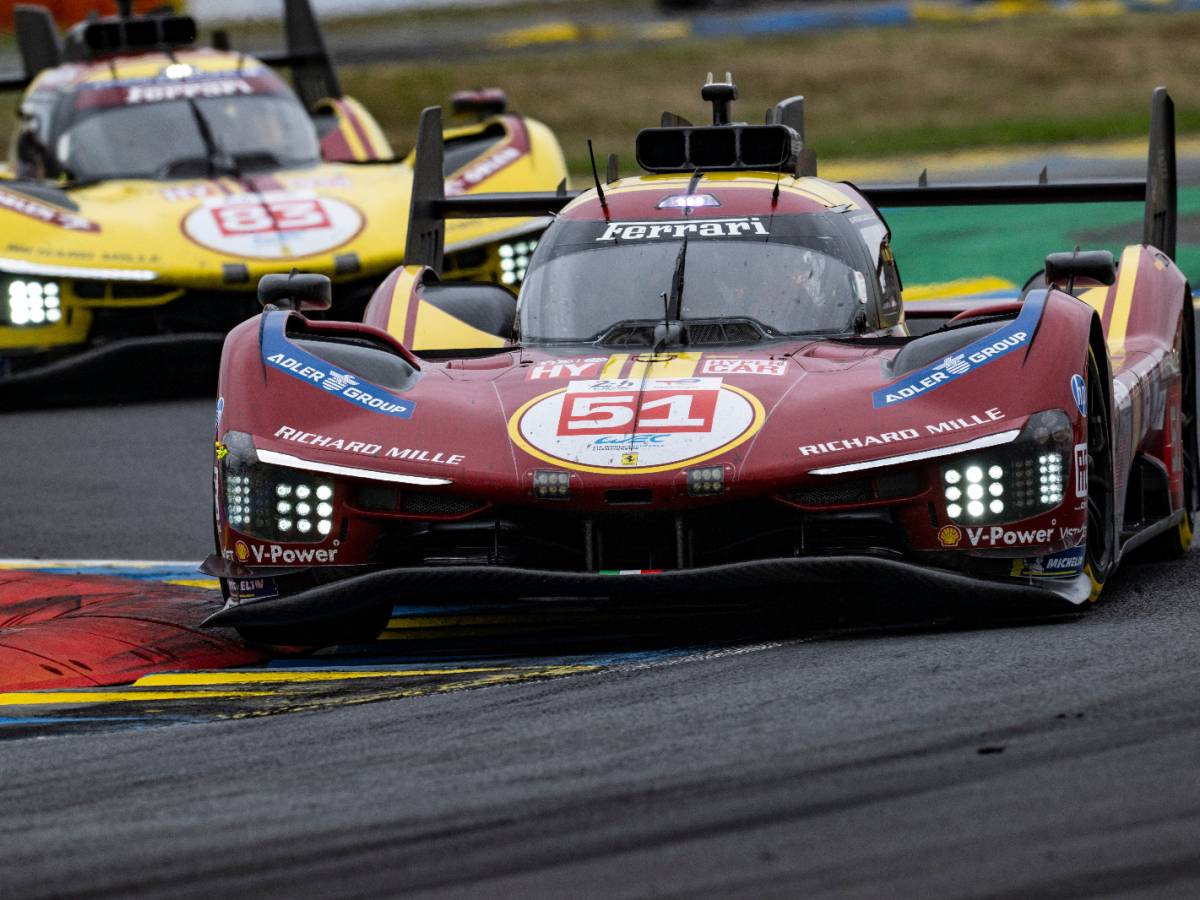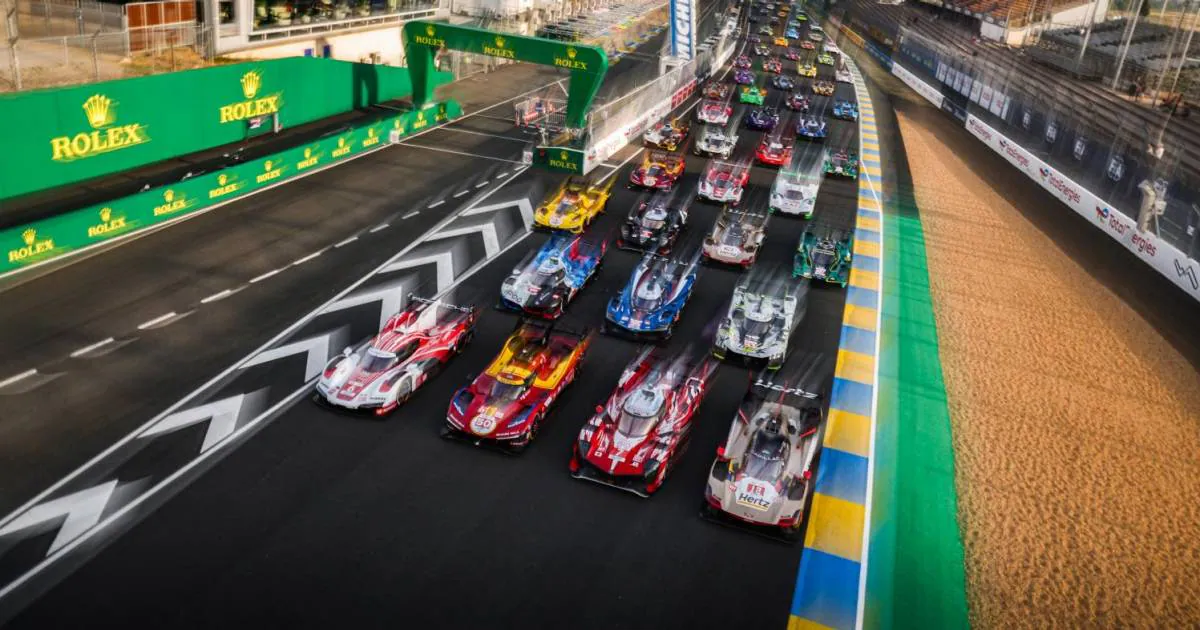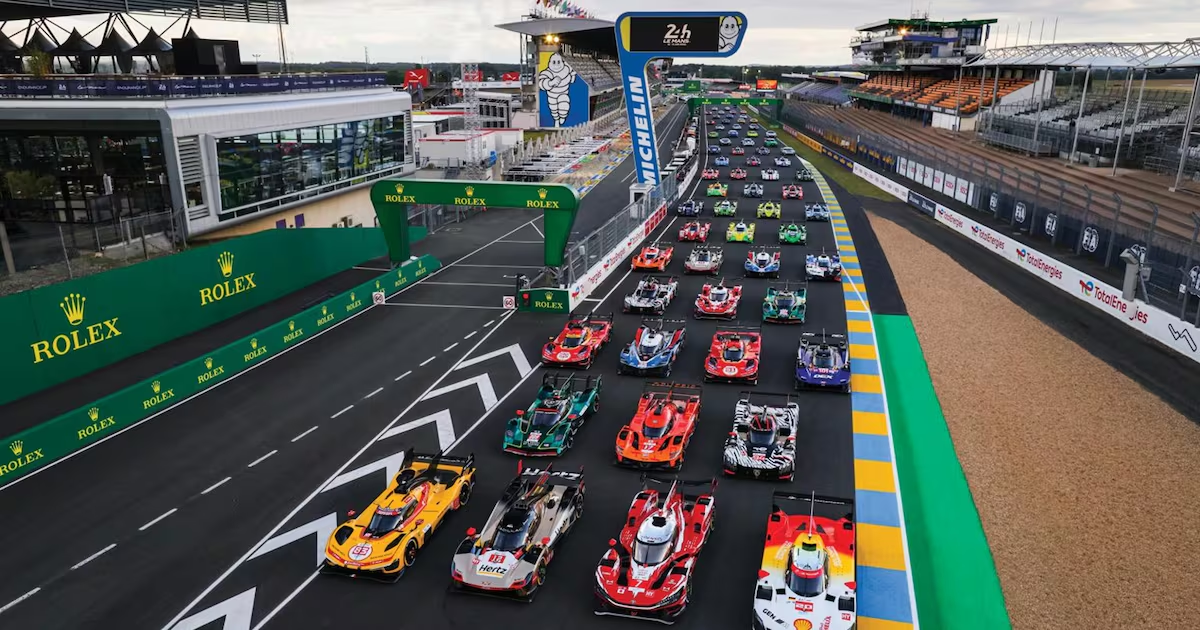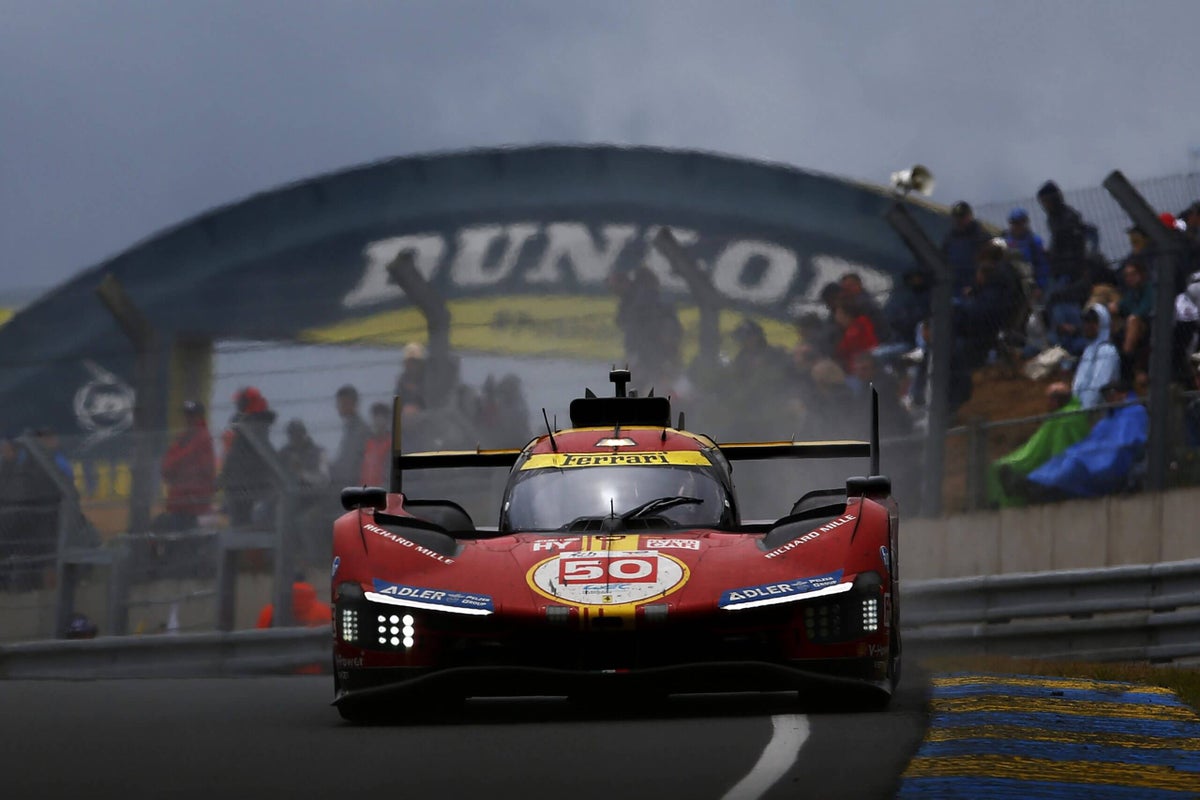
“When you are Ferrari, you need to win. This is the only target you can have.”Those are the words of Antonello Coletta, the global head of Ferrari’s World Endurance Championship (WEC) operation, who has become accustomed to meeting such targets.Ferrari has won the famous Le Mans 24 Hours sports car race for three years in a row and is seeking a fourth this weekend at the Circuit de la Sarthe track in northern France. All the while, its Formula 1 team has flattered to deceive.The renowned Italian team has two top-tier motorsport programs — F1 and the WEC. But, in recent years, only one has achieved championship glory.So, why is Ferrari so good at endurance racing?“I receive the same question many times,” Coletta, keen to highlight how long the Ferrari WEC project had been in operation before finally racing in 2023, told The Athletic.
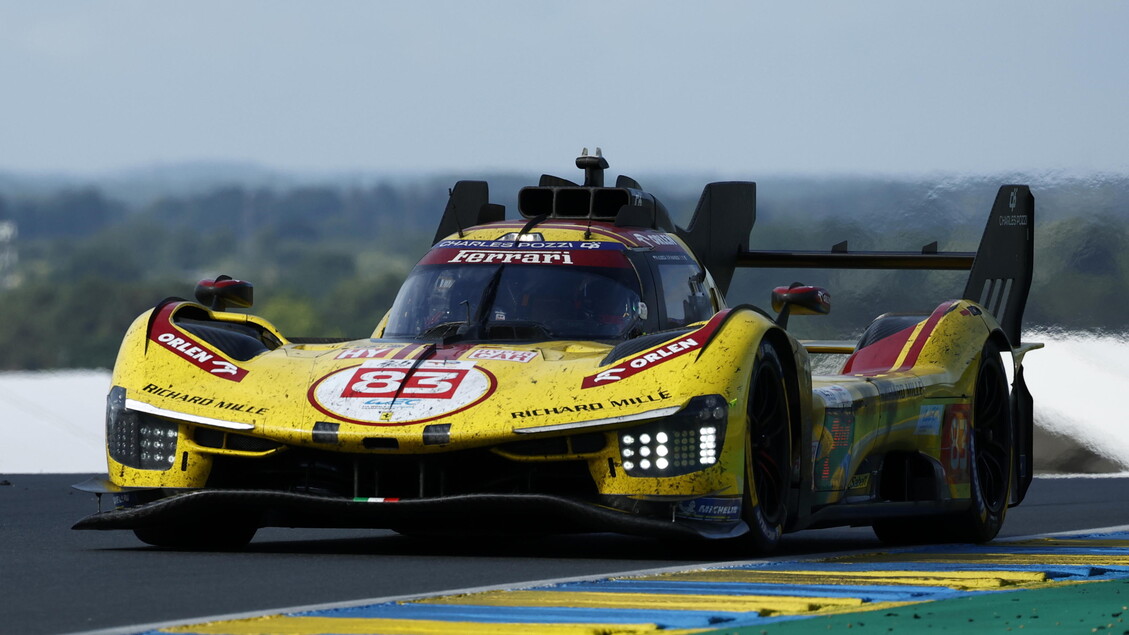
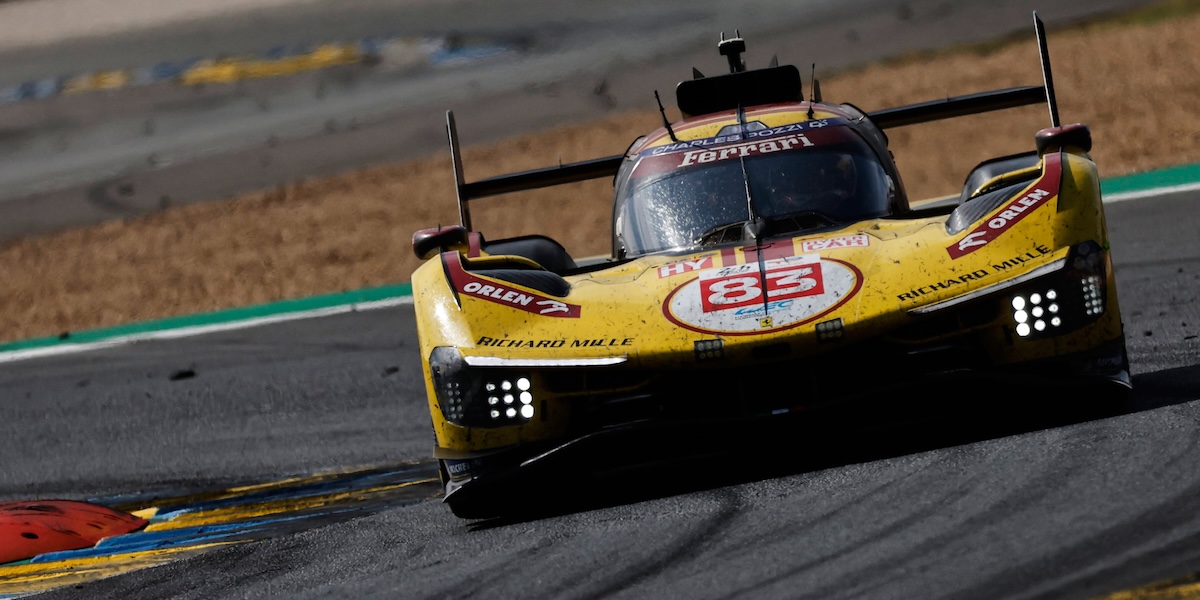
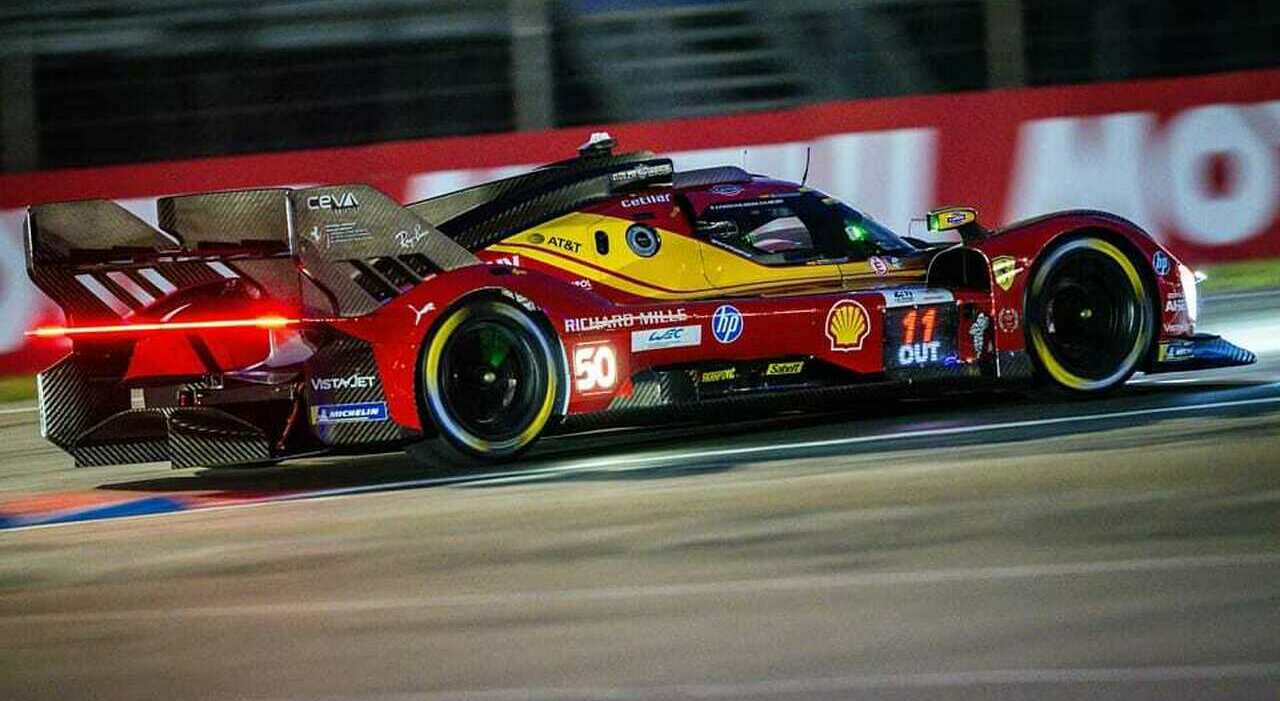
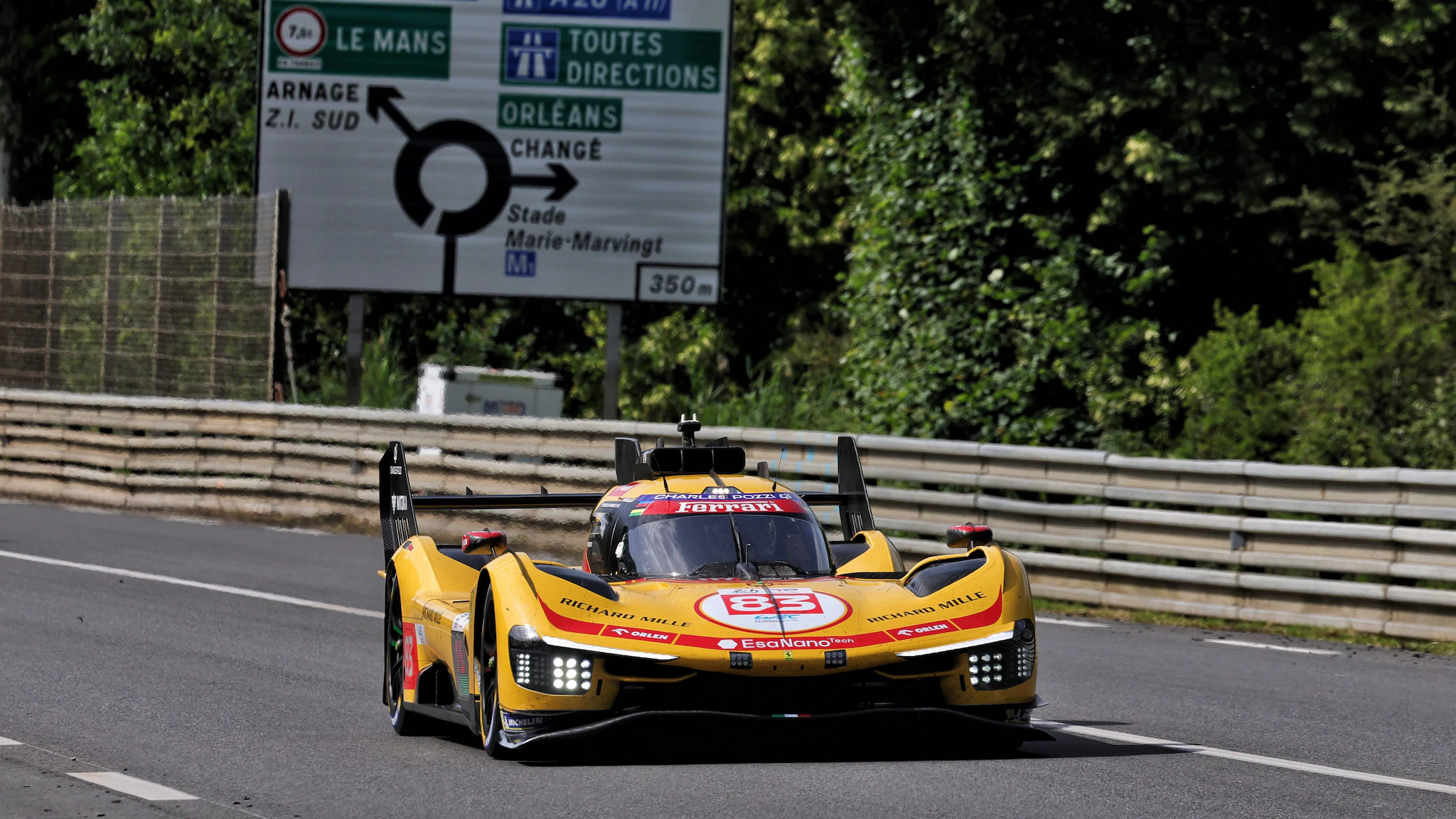
They were a dominant force at Le Mans in the 1950s and, especially, the 1960s. When the championship returned in its current form in 2012, Ferrari was still active in supplying GT cars to race in the slower categories.By 2018, major manufacturers, including Porsche — one of only two car companies that has more Le Mans wins than Ferrari’s 12 (19, ahead of Audi’s 13) — had left the top class, then known as Le Mans Prototype 1 (LMP1).Ferrari subsequently joined other manufacturers in shaping the rules that succeeded LMP1, which led to the Hypercar class — now the top category at Le Mans. The cars that compete in this category remain prototype racing machines designed to resemble road cars. (To find out more about the cars and classes, read our guide here.)Ferrari’s 499P hypercar pictured during practice at the 6 Hours of Spa in Belgium last month (Ivan Couturier / Hans Lucas / AFP via Getty Images)The Hypercar rules effectively mirror the Le Mans Daytona h (LMDh) category in the United States-based International Motor Sports Association series (IMSA).But there is a difference. Both require entrants to pit hybrid engine-powered sports cars against each other over long-distance races, but LMDh cars are built around certain off-the-shelf components and are rear-wheel drive only.Porsche joined Ferrari in returning to top-level global sports car racing in 2023, but did so with an LMDh design. Ferrari’s program — formally in the works since 2021, although aerodynamic concept work began in 2018 — was a Hypercar.In choosing a Hypercar design, Ferrari retained full control over the development of every car part. No LMDh car has won at Le Mans.Before 2023, Ferrari had last fielded a prototype at Le Mans in 1973. “After half a century that we missed the prototype (class), we grew and grew very fast,” Coletta said.“We created a strong base in our team (in 2021 and through initial car testing in 2022), in our professionalism, in our knowledge. We put it all together.“After months of intensive tests, we created the real base of our program. And after we maintained this attitude, we continue to grow and our results are the mirror of our intense work.”Antonello Coletta, the global head of Ferrari’s WEC operation, at Le Mans in 2024. (Fred Tanneau / AFP / Getty Images)In 2020, when the cost cap that would require the biggest F1 squads, such as Ferrari and Mercedes, to downsize and streamline, then Ferrari F1 team boss Mattia Binottto said his team was looking “at further other options for deploying our racing DNA.”A few months later, the Ferrari Hypercar program was green lit, producing just one car design, the 499P, which has been upgraded over the years.Ferrari’s aerodynamic development on the car ahead of the 2025 season was a key factor in its success last year, which also included WEC drivers’ and manufacturers’ titles, in addition to the third successive Le Mans win.“The 499P is a very competitive car,” said Robert Kubica, the ex-F1 driver who was in the winning Ferrari team last year.But at Le Mans, luck can never be discounted. This is an extreme endurance test that can be decided by seconds, or lost on the last lap.James Calado, part of the 2025 WEC drivers’ title-winning crew and a 2023 Ferrari Le Mans winner, told The Athletic “you need a lot of luck on your side” to win.Over 24 hours, and usually around 350 laps of de la Sarthe, this means avoiding any mechanical trouble and crashes with rivals in the same category, or when lapping the slower traffic from the other classes (LMP2 and GT3) that compete on the same track.Ten years ago, Toyota’s lead car looked set for certain victory at the start of the final tour before pulling over with an engine turbo issue. That is why Ferrari is taking nothing for granted in 2026 despite its recent success.“The 2025 season was unforgettable,” said Coletta. “But we put all of this behind us and restart with the same motivation and with the same goals: to win the race, to win Le Mans, to win the world championship.”The AF Corse customer Ferrari Hypercar on its way to winning the 2025 Le Mans 24 Hours. (Jean-Francois Monier / AFP / Getty Images)There’s also WEC’s Balance of Performance (BoP) rules to consider, too, implemented to create performance parity between the manufacturers competing in the top class, which is common across sports car racing. For example, engine power restrictions or weight ballast are added to slow faster cars.That F1 has very minor forms of performance balancing in the modern era is a key reason why Ferrari’s F1 team is now approaching 20 years without a title.Unlike Ferrari’s WEC operation, Porsche struggled when it returned in 2023 but strengthened in 2024, to such an extent it won the drivers’ title.In 2025, the two marques fought for Le Mans glory, with Kubica and his AF Corse Ferrari teammates, Phil Hanson and Yifei Ye, winning by just 14 seconds, a tiny margin across a 24-hour race.Porsche considered its lead car to have had a “perfect” race, as its motorsport vice president, Thomas Laudenbach, put it several months later. But the Ferraris were so fast, Kubica and co were able to get back ahead even after many problems.All three 499Ps had issues during the race, but Ferrari’s straight-line speed was mighty, topping the speed traps on the 8.47-mile track, which has three massive straights, when the BoP was supposed to balance top speeds for each car when they were racing above 155mph.Porsche would not have been able to express its frustration publicly even had the team wanted to because, since 2023, WEC teams have been banned from discussing BoP with the media. This year, the BoP will not be made public.“We are not 100 percent happy with the season,” Laudenbach told The Race in September 2025, one month before it was confirmed that Porsche would once again exit the WEC.“We had a second place in Le Mans and, in some way, it’s not bad if you look at the competition. On the other side, it did hurt because (that) car was close to a perfect race. Frankly speaking, it should have won the race.“Do the analysis yourself. You can have all the data of the winning car. We know how quick it was …”But while clearly a factor, not all of Ferrari’s Le Mans success can be put down to BoP alone. After all, Toyota, Aston Martin and Peugeot also field Hypercar designs and yet Ferrari has not been toppled since 2023.“The secret of Ferrari is that they take attention to every detail,” Pierre Fillon, president of the Automobile Club de l’Ouest, which organizes Le Mans, told The Athletic.For Coletta, it is his team’s strength in depth that means he has been able to master the WEC’s key race these last three years — where all Hypercar squads are out to nail the key details.“I would like to remind (everyone) that we won three different Le Mans with three different cars, three different (driver) line-ups,” said Coletta. “This is very strong. The message is important, because our cars are all the same, our drivers are all the best drivers.”Additional reporting by Luke Smith