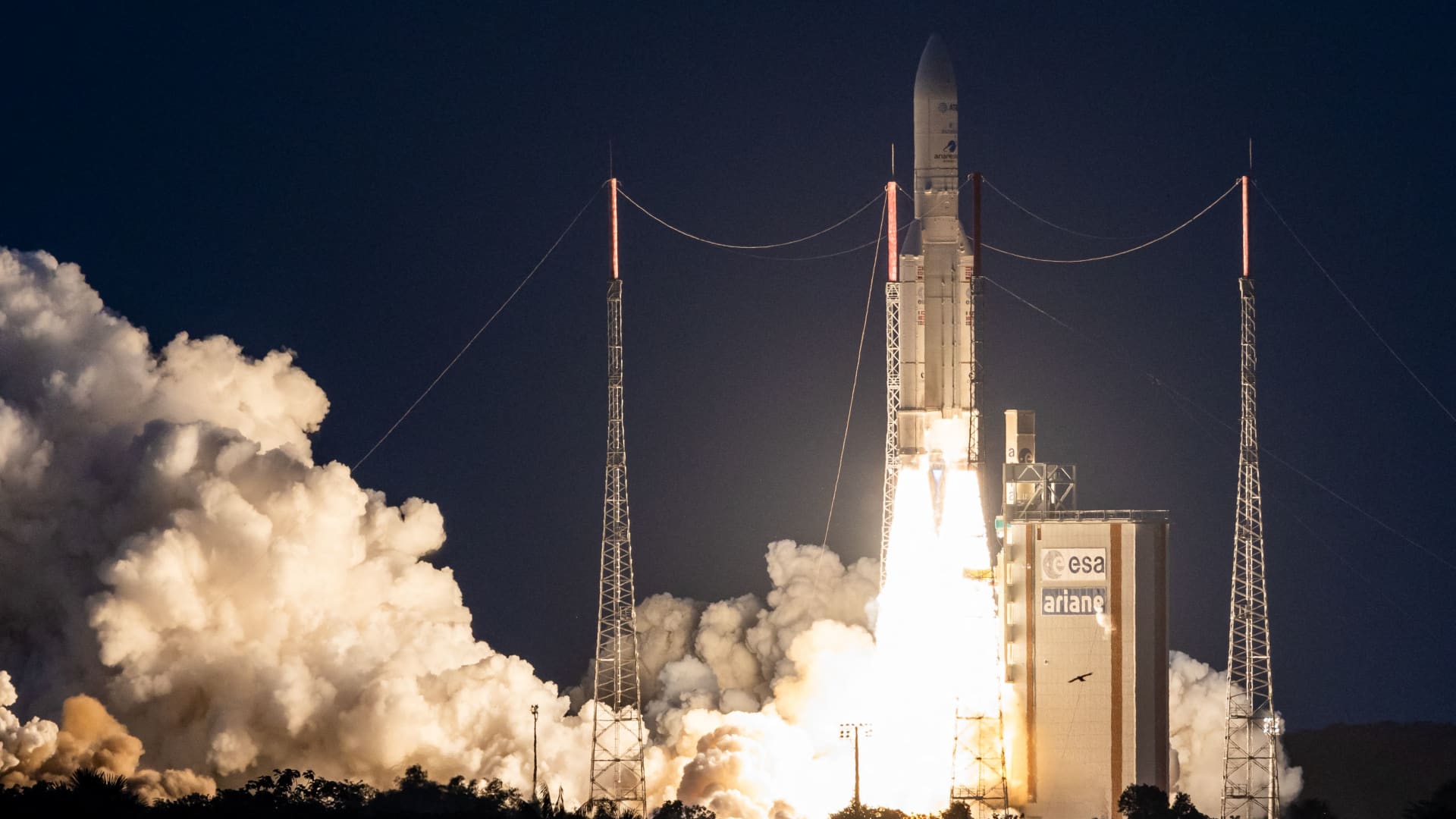
Satellites have become essential infrastructure. Financial markets rely on their timing signals. Military operations depend on their communications and surveillance. Navigation, disaster response, logistics, climate monitoring, most systems that underpin modern economies have some orbital component. Yet the politics and commercial logic of the space industry remain focused on a single question: How do you get things up there?
That is a reasonable preoccupation for a sector still maturing. Sovereign launch capability matters, and Europe’s push to reduce its dependence on non-European rockets makes strategic sense. But as the number of satellites grows and their role in critical infrastructure deepens, a different set of questions is becoming harder to ignore. How do you keep them functioning? What happens when something goes wrong in orbit? And who manages an environment that is becoming steadily more congested?
A gap in Europe’s strategic thinking
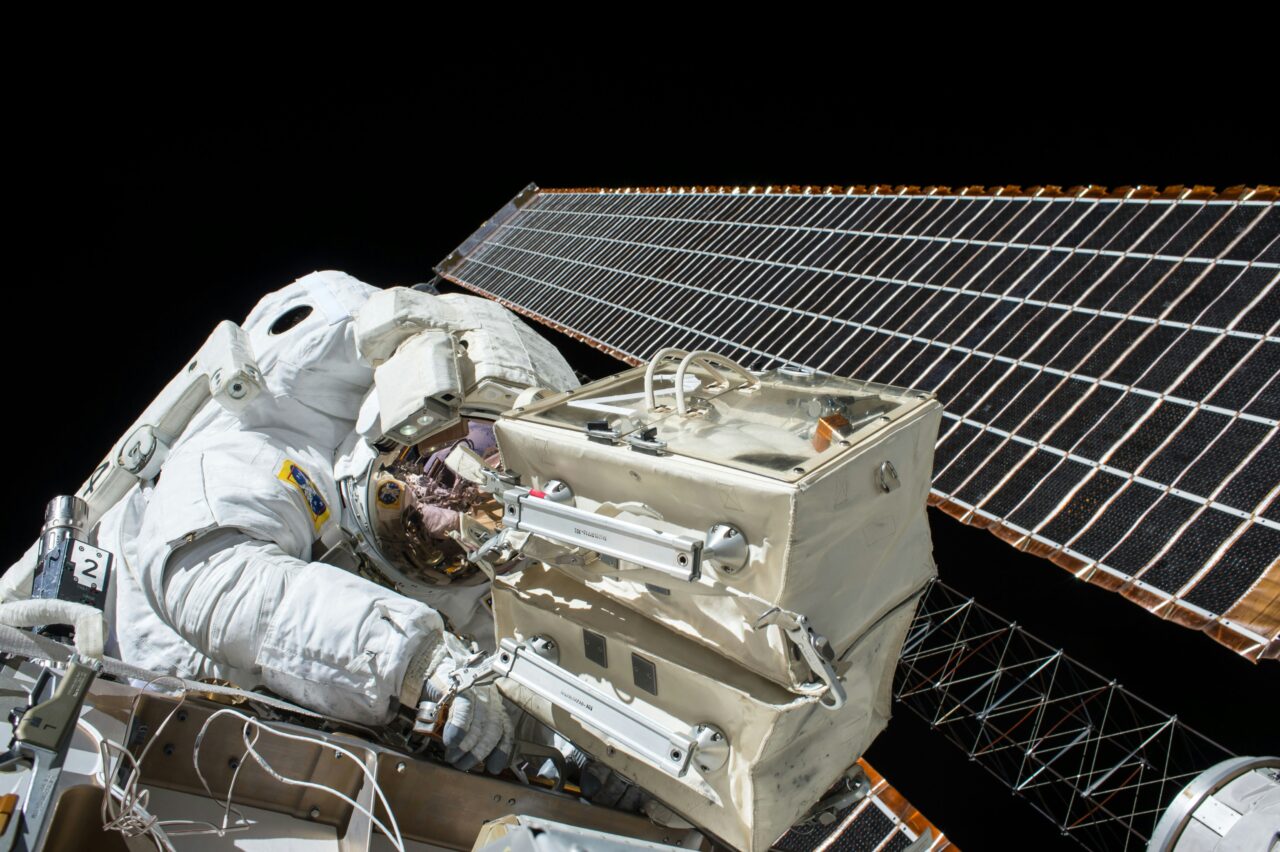
NATO’s space policy acknowledges that orbital systems are now central to defense and deterrence, as well as civilian and commercial operations. The European Union has begun addressing what it calls In-Space Operations and Services, a broad category covering satellite servicing, refuelling, debris management and in-orbit inspection. The direction is sensible. But investment and industrial capacity have not yet caught up.