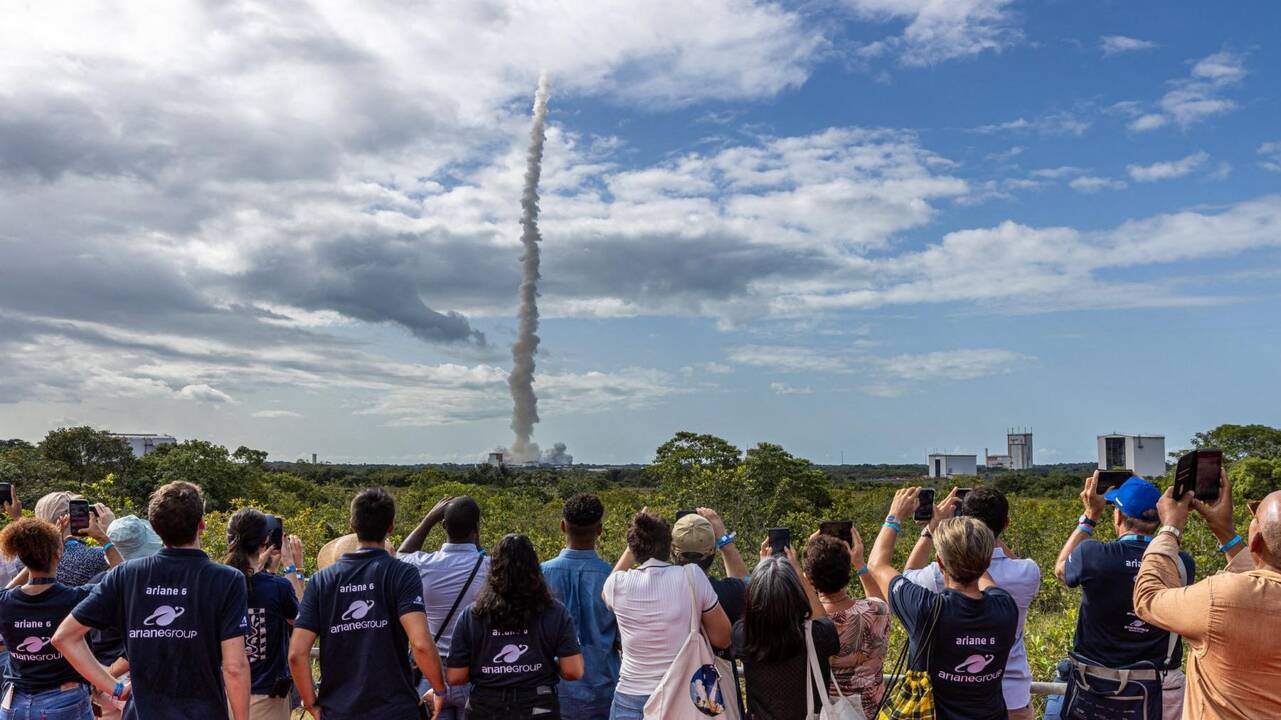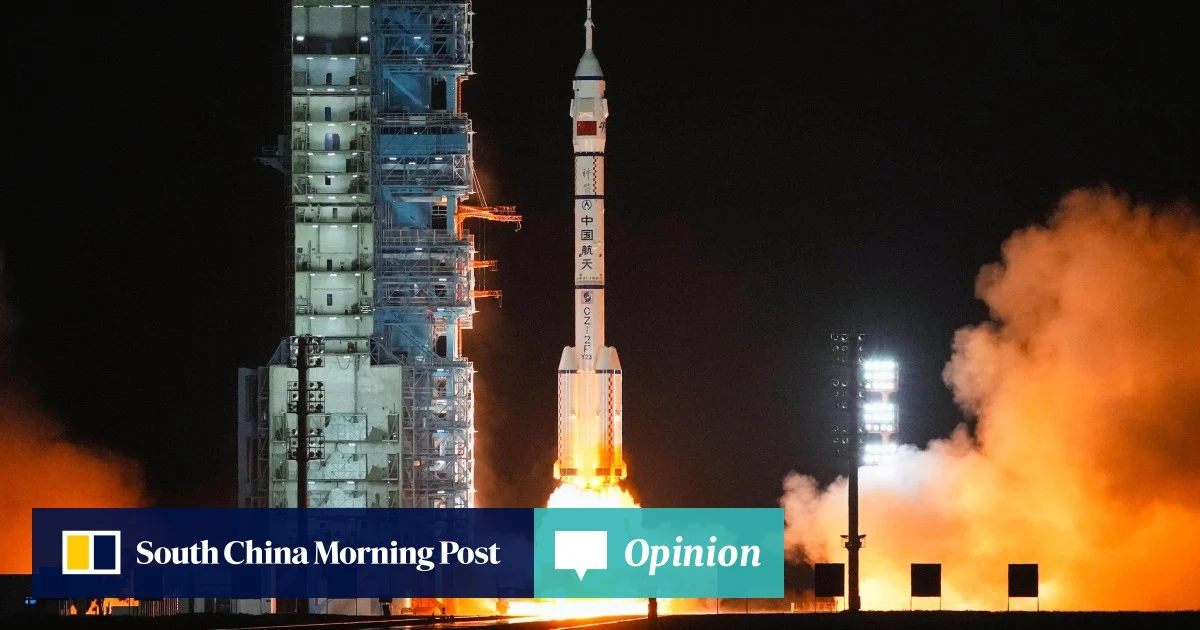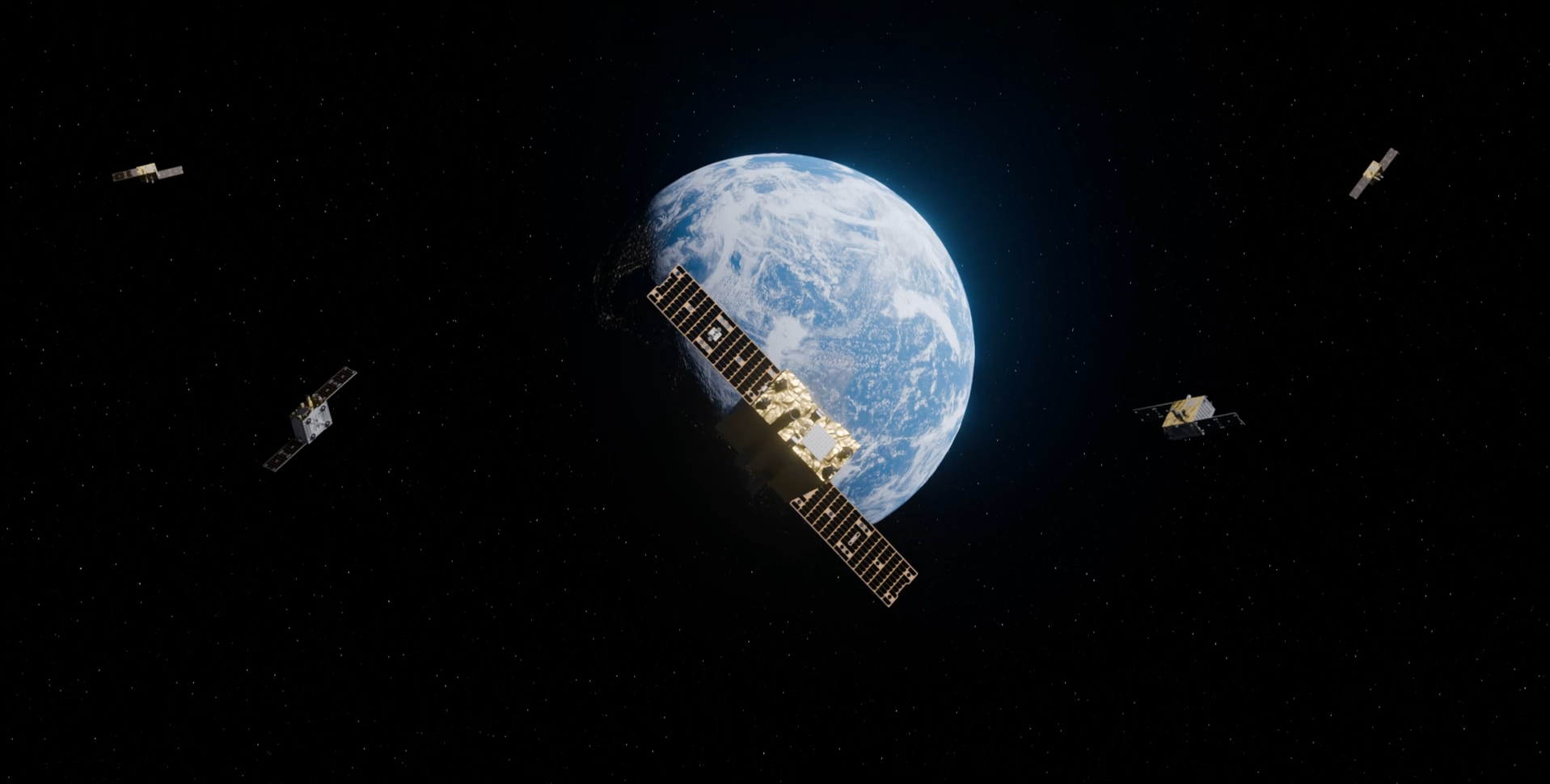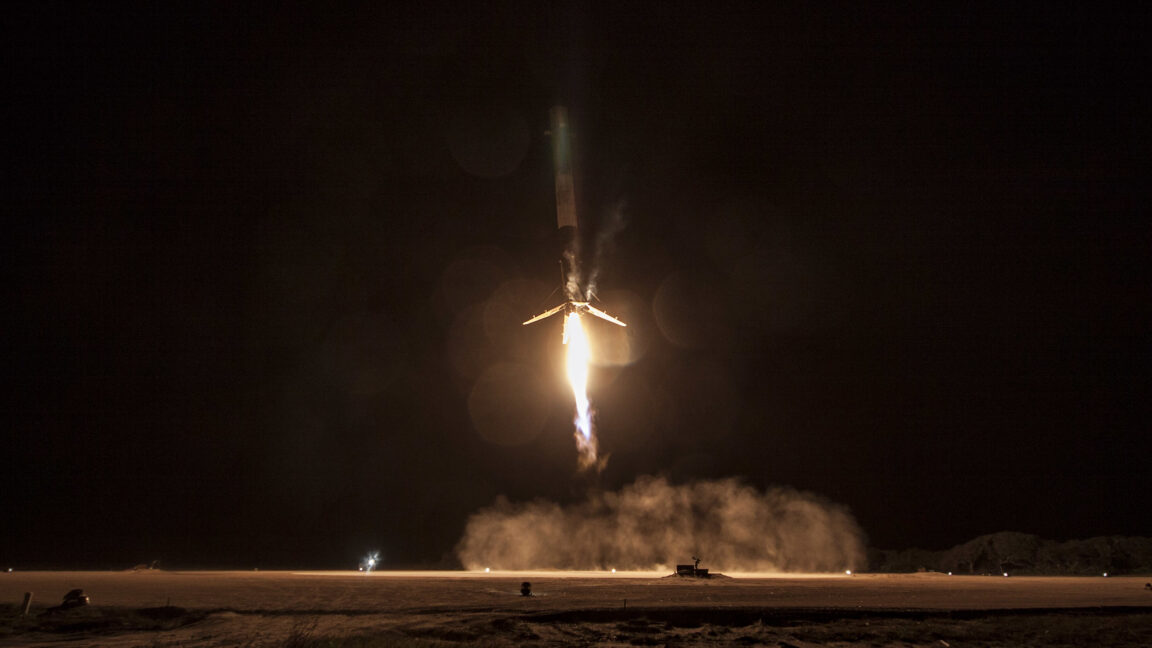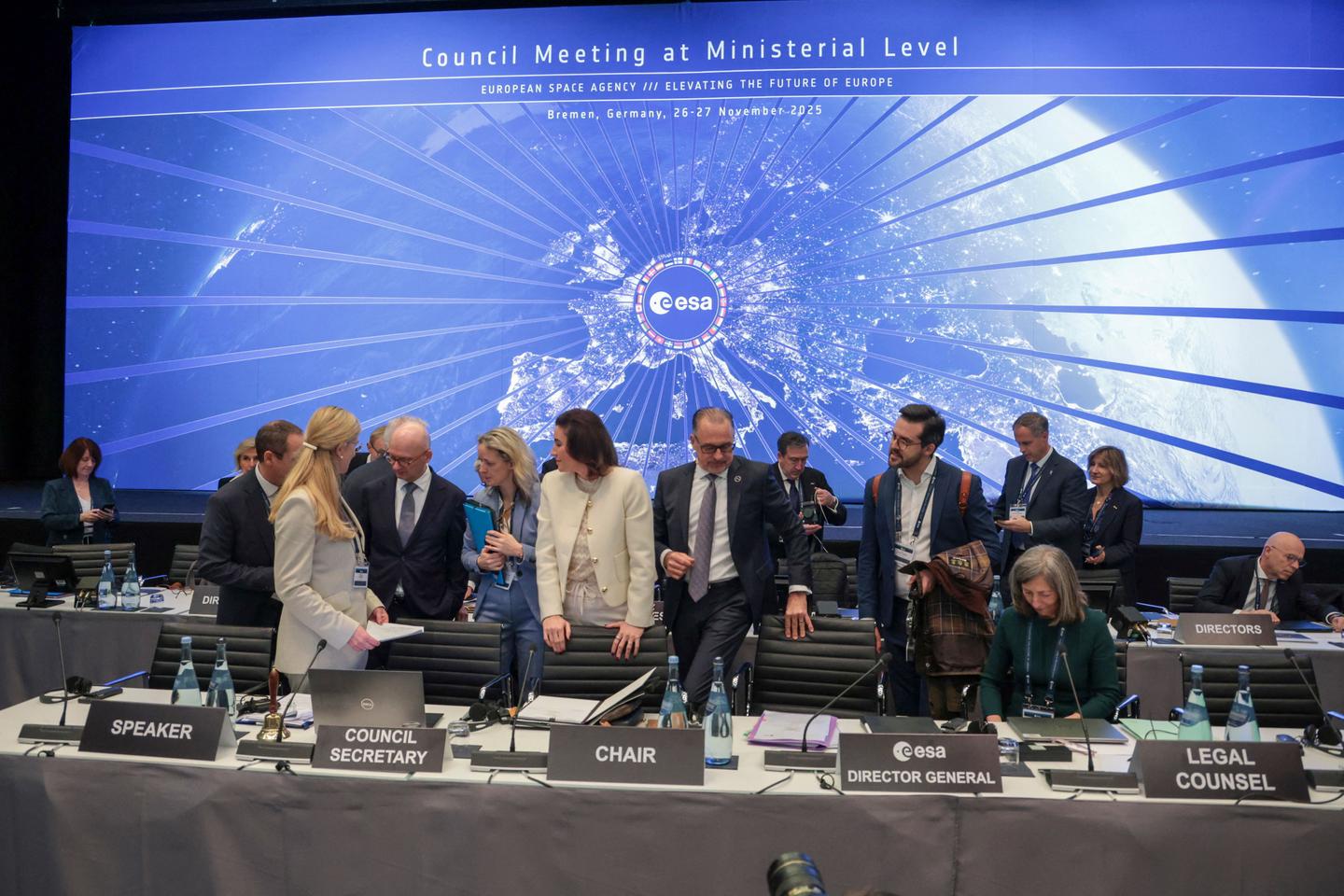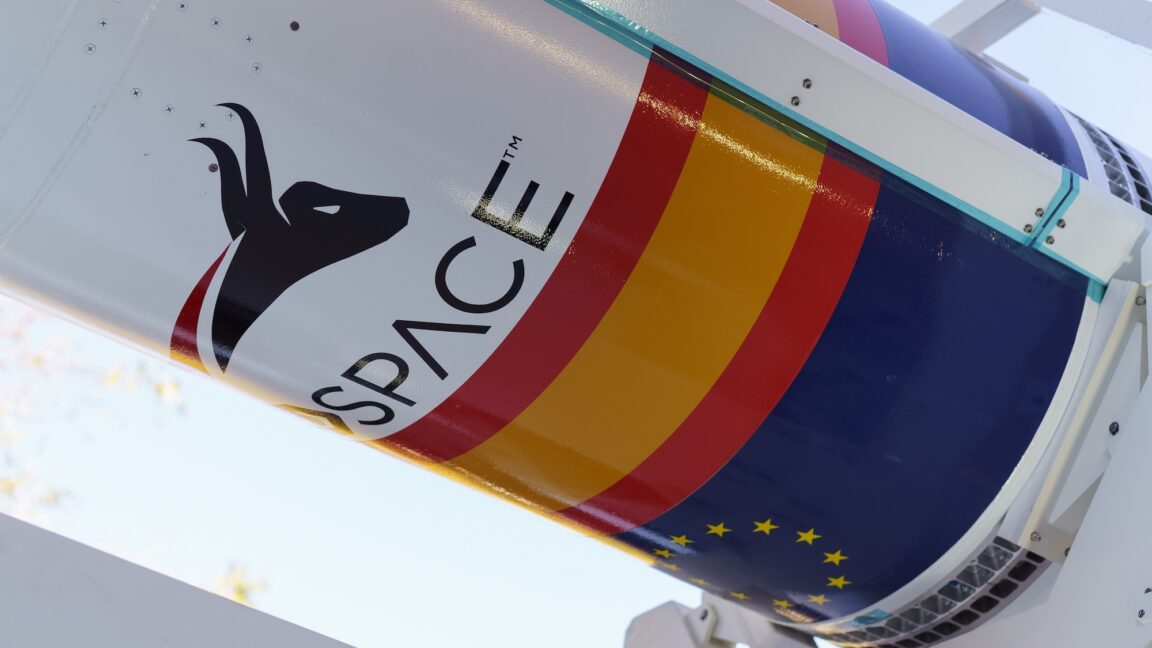
At most major European space summits, the sovereignty debate has long been overshadowed by talk of launchers, constellations and the symbolism of a national presence. On the sidelines, however, the conversations were often more textured; stretching beyond questions of access and prestige and increasingly toward those of data, domain awareness, resilience, continuity and even countermeasures in an increasingly contested orbital environment.
It’s time that Europe took more of a leading role in this evolving paradigm and the strategic reality that underpins it. That is, hardware alone will not determine space power.
Rather, it will be increasingly influenced by who controls what happens next. That translates into an expansion of how — and what — we come to view as infrastructure; those often quieter systems that keep orbital economies functioning long after launch. It won’t be glamorous. But this is precisely where the next decisive layer will be built. In practice, that means logistics, servicing, refueling, edge computing, cyber resilience, debris removal and end-of-life operations. In fact, in this next stage of our orbital development, these are the very functions that will determine who can operate reliably, maneuver freely, recover quickly, scale sustainably and — ultimately — who holds strategic leverage that will shape the conditions under which everyone else operates.