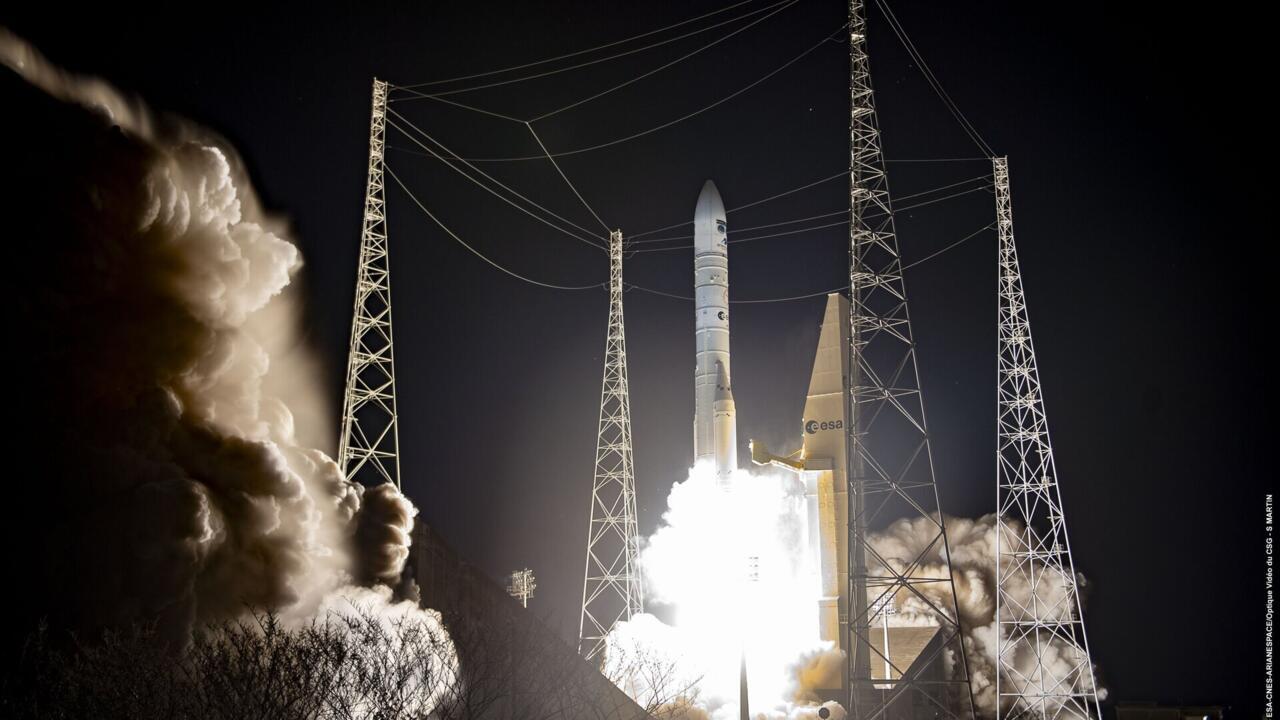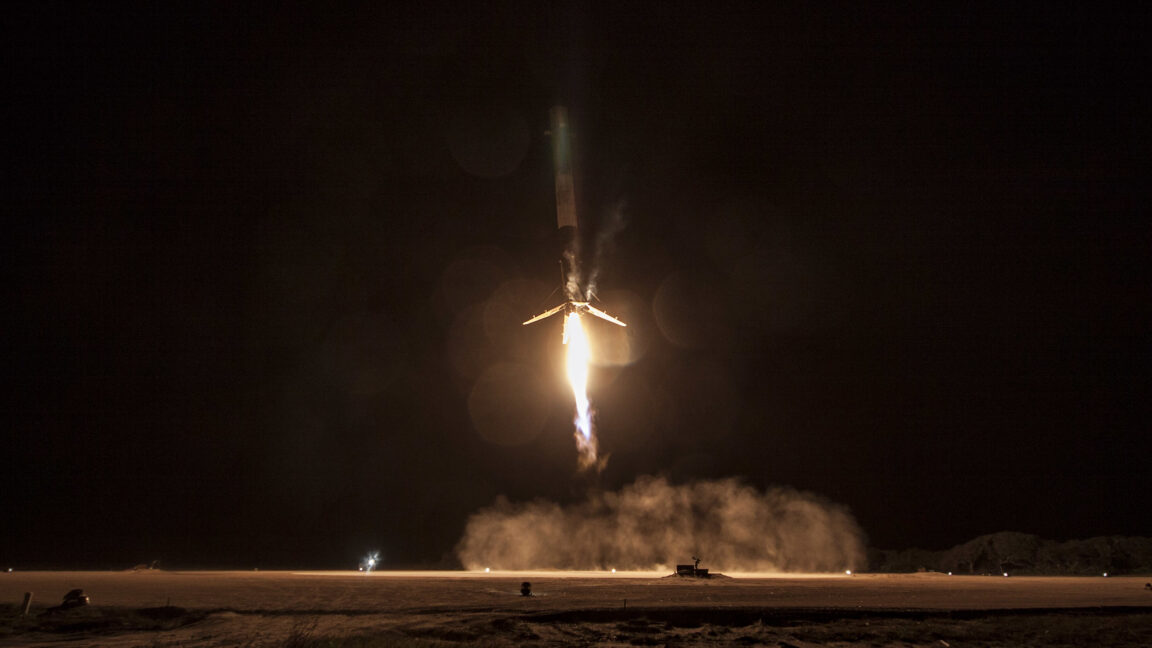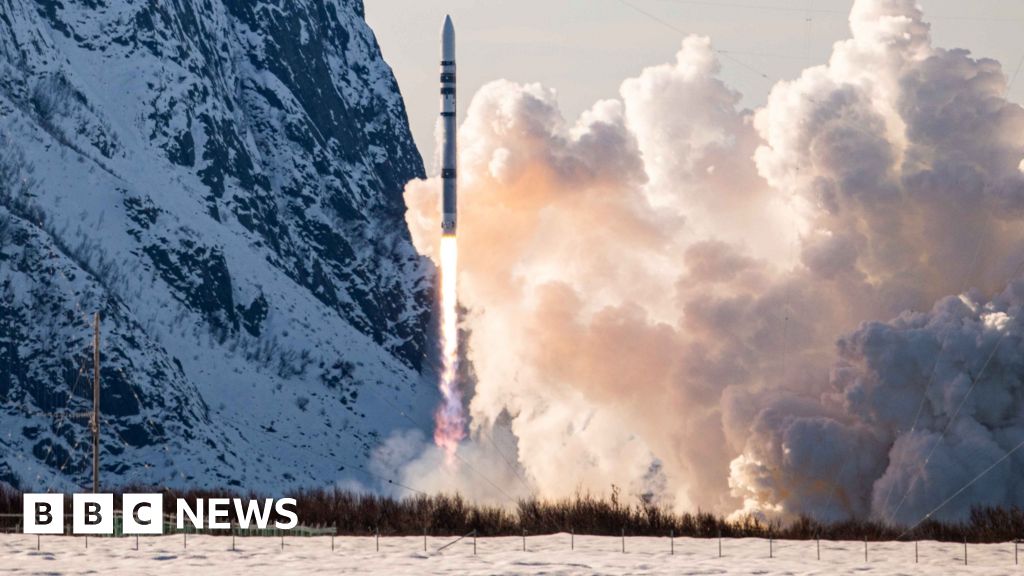
On the northwest coast of a mountainous Arctic island, facing the Norwegian Sea, lies arguably the world’s most dramatic launch site for rockets.
The stream of political leaders visiting the Andøya Spaceport in northern Norway shows its vital importance: it may be Europe’s best shot at catching up in the race to militarize space while breaking free from dependence on Elon Musk’s SpaceX.
Launching satellites into orbit “is a capability that is important for Norway, for the EU, for Europe,” Ketil Olsen, the chief executive officer of Andøya Space and formerly a Norwegian vice admiral, said in an interview. “For us it’s about strategic autonomy, it’s about sovereignty, and it’s about European independence.”
It’s also yet to come to fruition.
Satellites for observation, communications and precise geolocation have been military necessities for years, and new weapons such as orbital interceptors and inspection systems are heading in that direction. China, Russia and the US are pouring more than $200 billion into such efforts, putting hundreds of satellites in orbit over the last half-decade and testing weapons on Earth and in space.