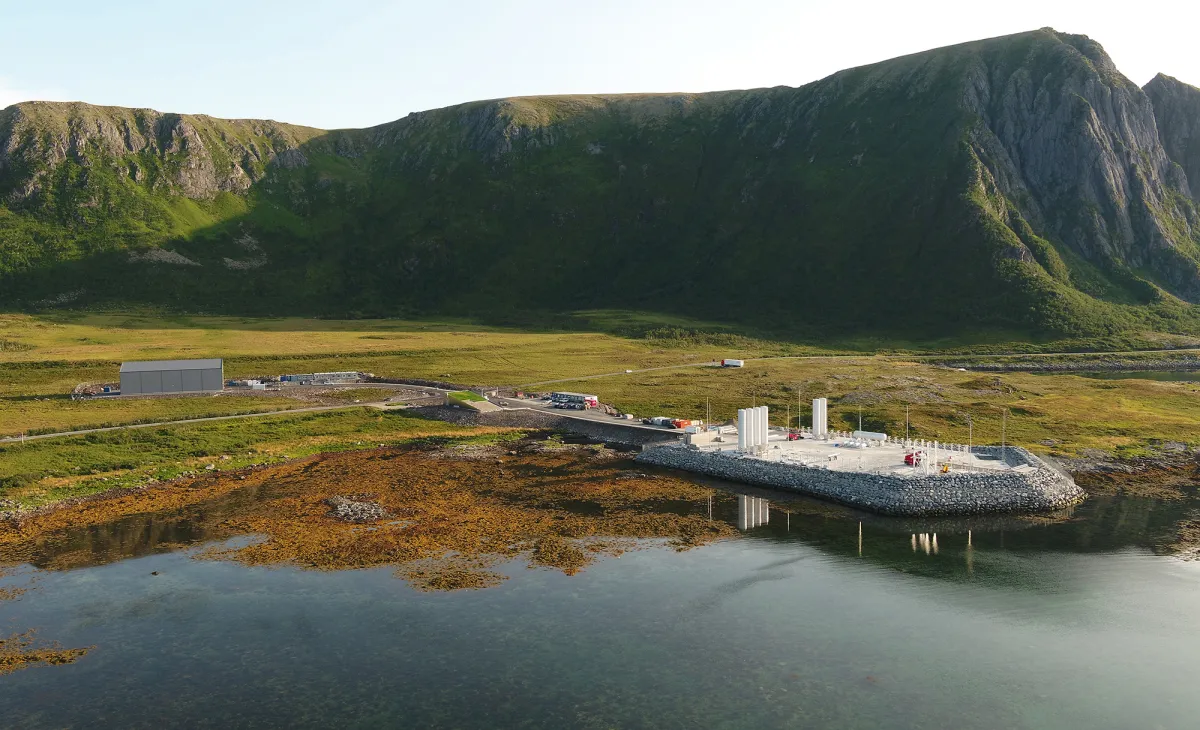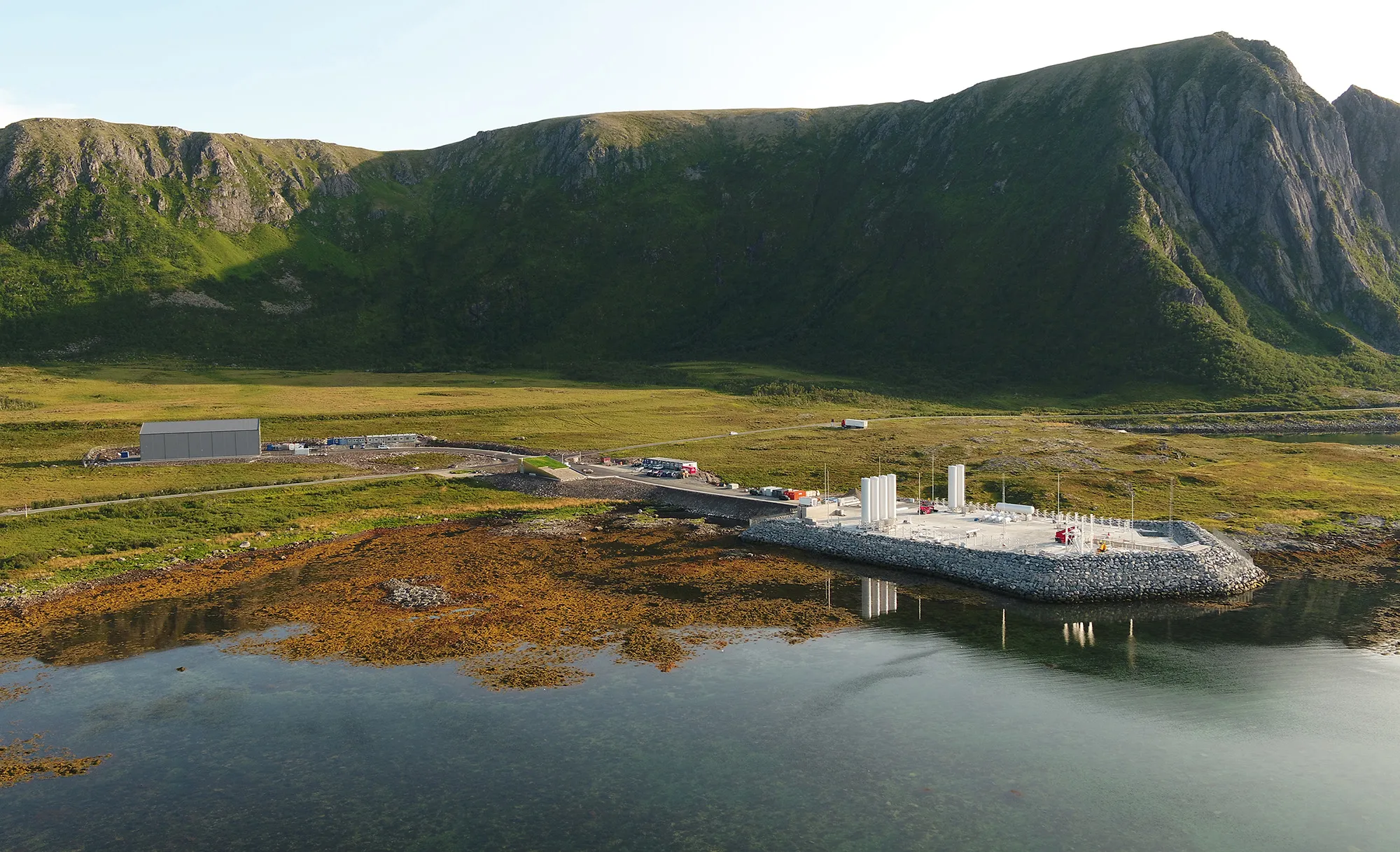
Andøya Spaceport's Launch Pad A. Credit: Andøya Spaceport
The European Commission is currently updating its Arctic policy, with a new policy statement expected this coming autumn. Unlike the latest policy from 2021, the update will place greater emphasis on security, defense and connectivity. These additions matter. But there is a risk that Brussels will articulate an ambitious Arctic policy while overlooking one of Europe’s most significant strategic assets: Andøya Spaceport in Northern Norway. The barrier preventing Andøya from becoming a standard part of Europe’s launch infrastructure is not technical, but political.
A concrete test of whether the EU’s new priorities are taken seriously will be how it approaches access to space from the European Arctic. The EU should align its updated Arctic policy with the IRIS² Secure Connectivity program to fully integrate Andøya Spaceport into European critical infrastructure for security, resilience and connectivity — and it should update the IRIS² framework accordingly to make that integration possible.
A milestone that redefines Europe’s space geography
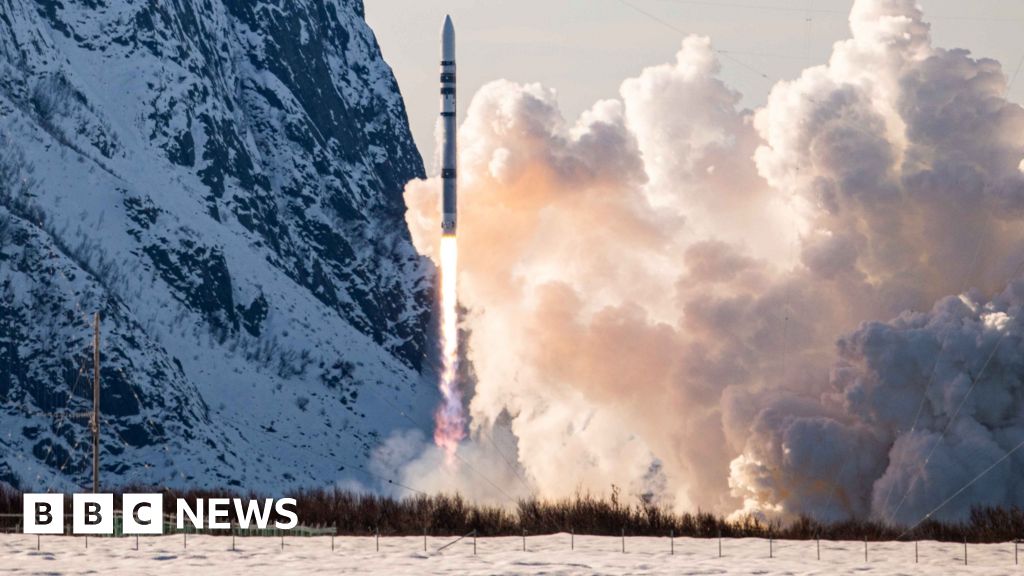
On March 13, 2026, Norwegian Prime Minister Jonas Gahr Støre and German Chancellor Friedrich Merz stood together at Andøya to witness Europe’s next step toward autonomous access to space. The German rocket company Isar Aerospace is preparing its second Spectrum mission at Andøya Spaceport. If successful, Andøya will become the first operational spaceport on the European mainland to place payloads into Low Earth Orbit — a milestone that directly reduces Europe’s dependence on non-European launch infrastructure.