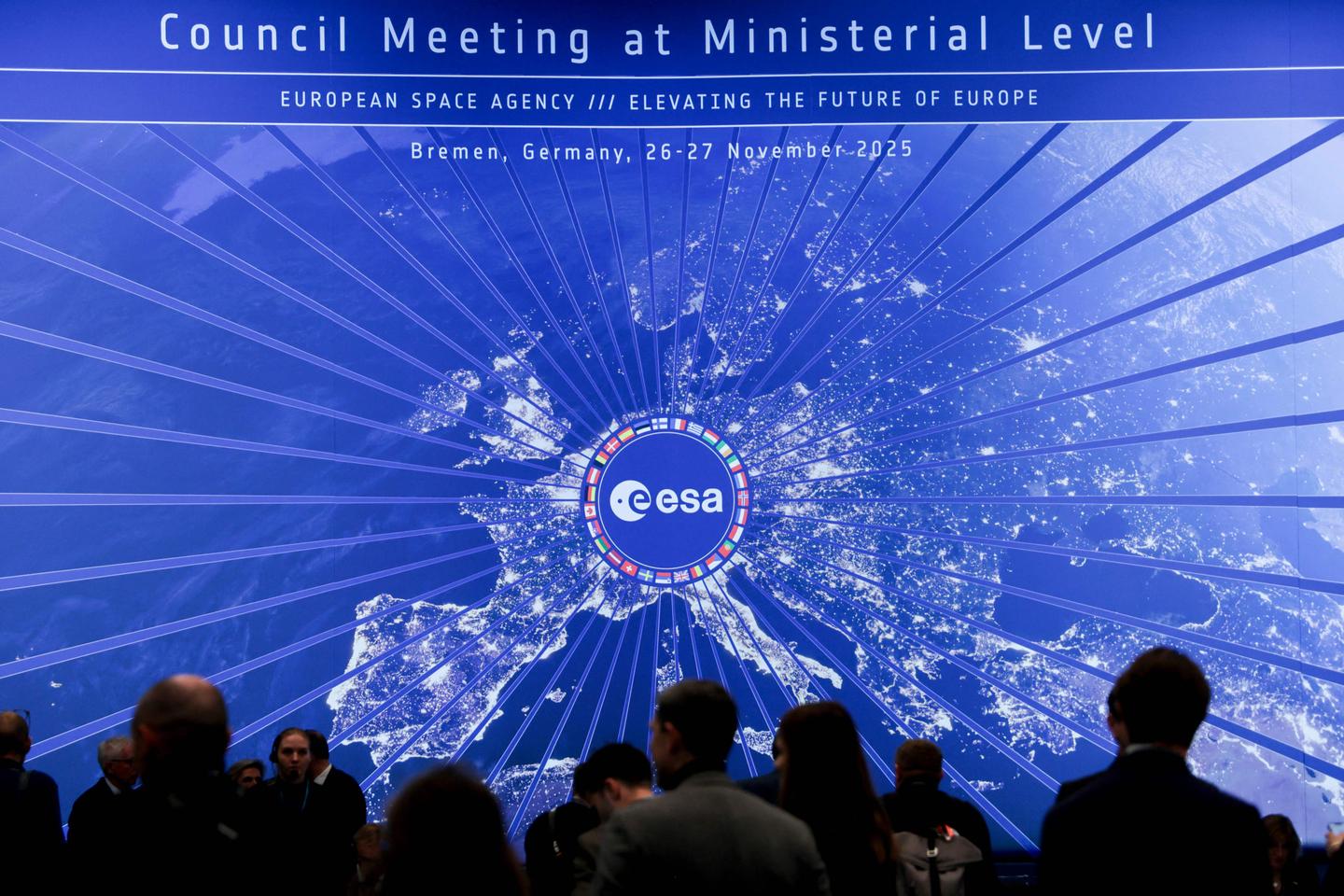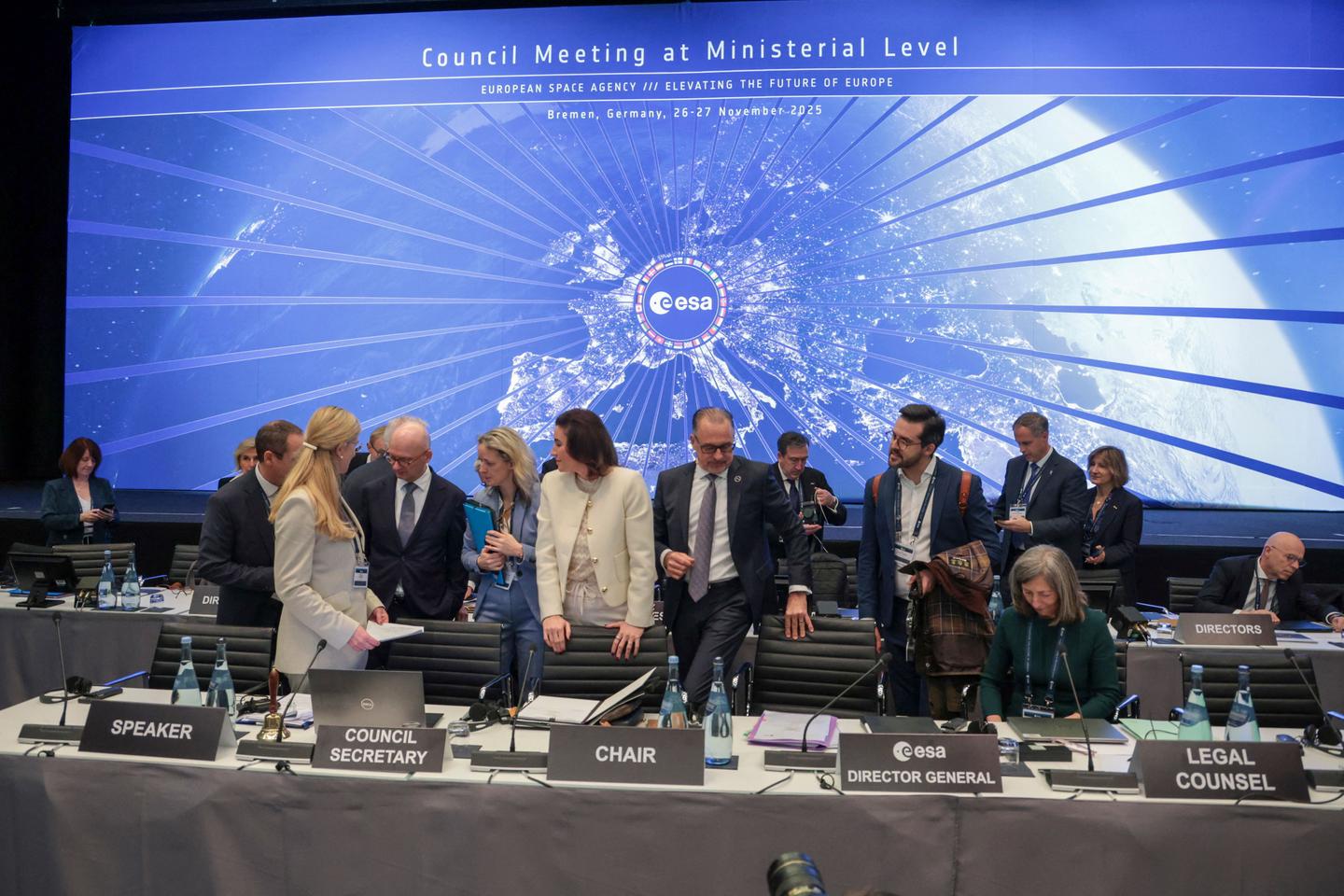
oes Europe have the necessary resources to match its ambitions in the space sector? As outer space has become an arena for military, technological, digital and economic rivalry among the world's major powers, Europe faces a double setback. France is on the verge of losing its leadership role in a field in which the continent is losing ground. The Bremen summit, which brought together the space ministers of the 23 European Space Agency (ESA) member states on November 26 and 27, was intended to keep hope alive by safeguarding an increased budget. While it signaled the growing influence of Germany and Italy at France's expense, it also exposed Europe's weaknesses: disunity and the lack of a clear vision.
The ESA's budget for the next three years is set to increase to an unprecedented €22 billion – a 30% rise. Although this surge signals recognition of space as a strategic priority for Europe, it still falls short of what is needed to compete with the United States and China.
Beyond financial considerations, the Bremen ministerial meeting underscored the emergence of a new kind of competition, driven in particular by Germany and Italy, who are ready to increase their contributions to ESA's funding.