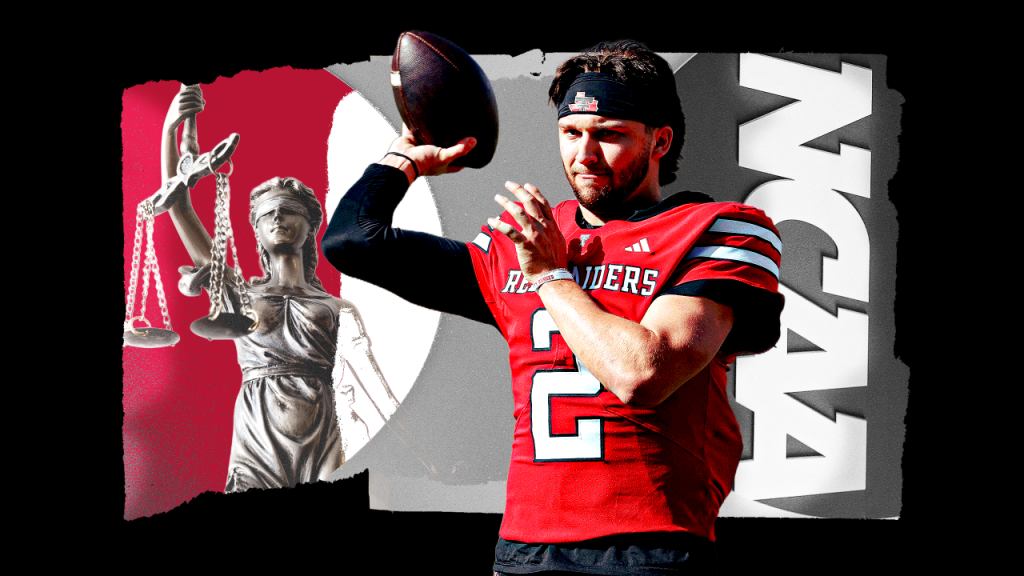
The newest legal crisis in college sports is also the latest sign of the complex relationship between college athletes and their schools, conferences and the NCAA in the increasingly commercialized world of college sports.
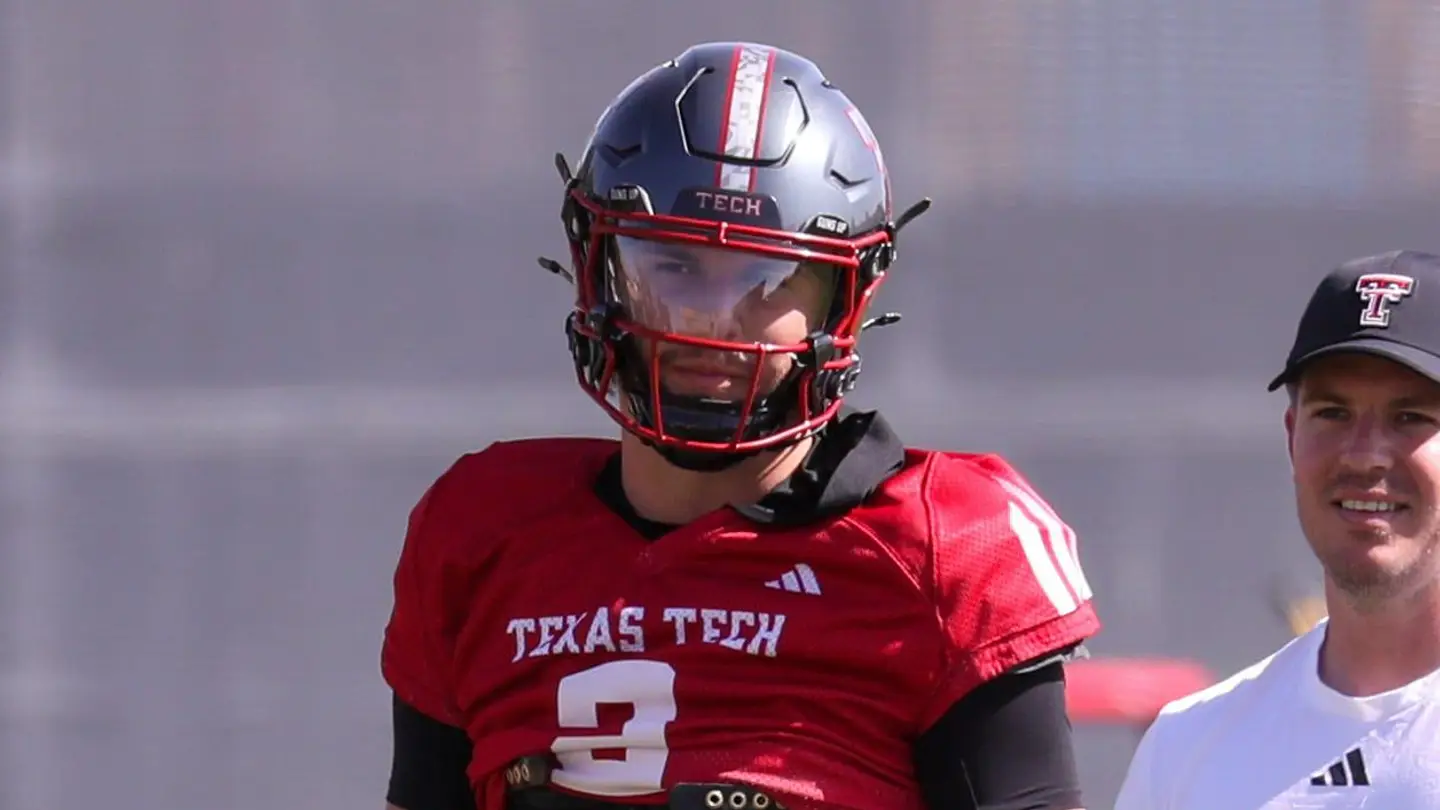
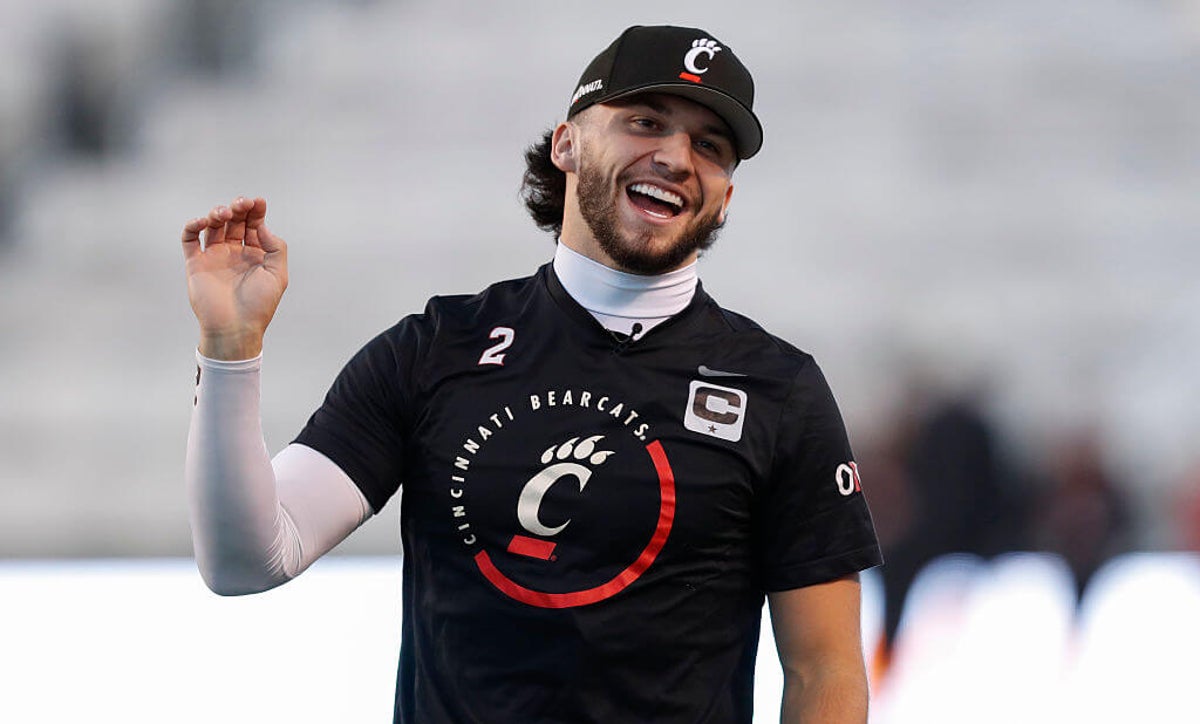
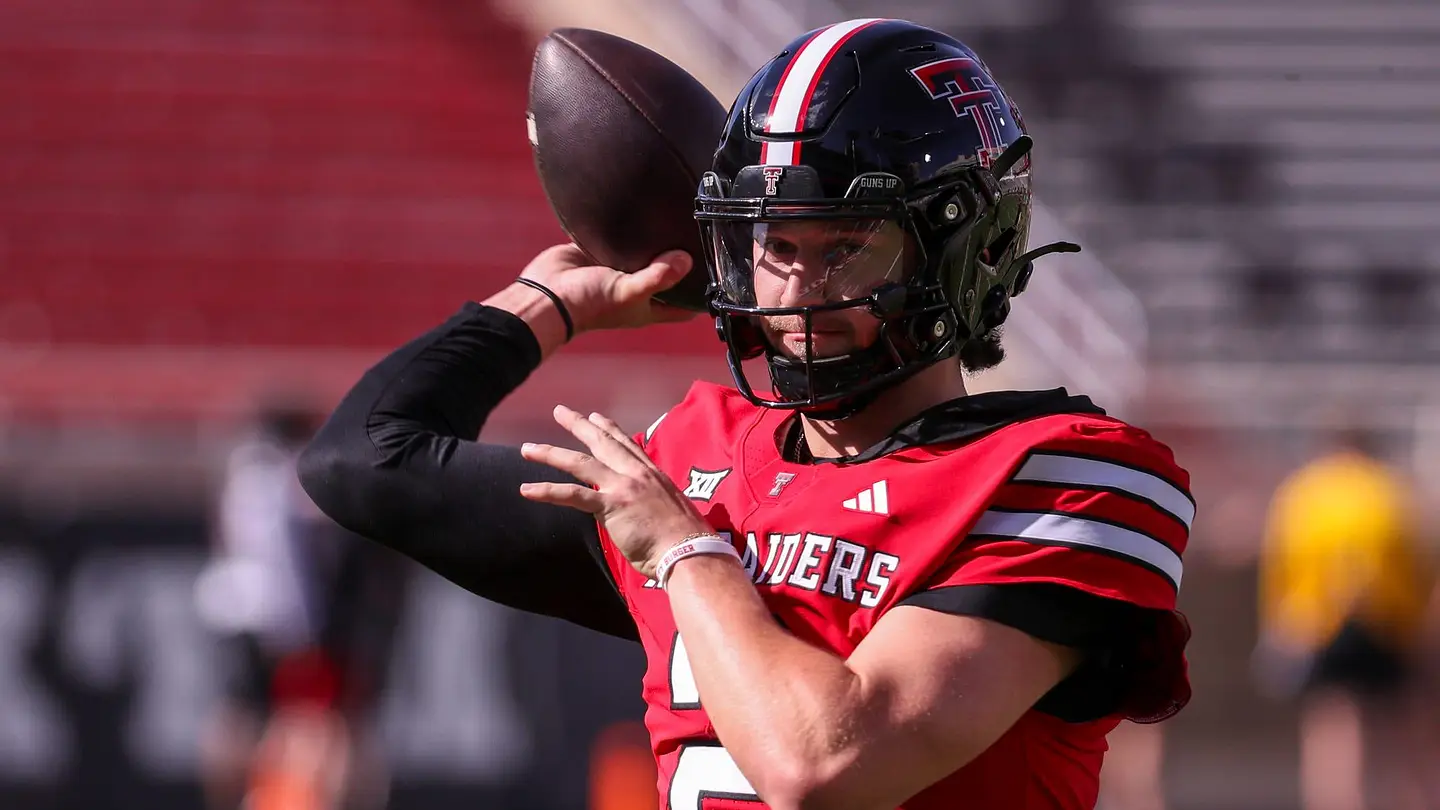
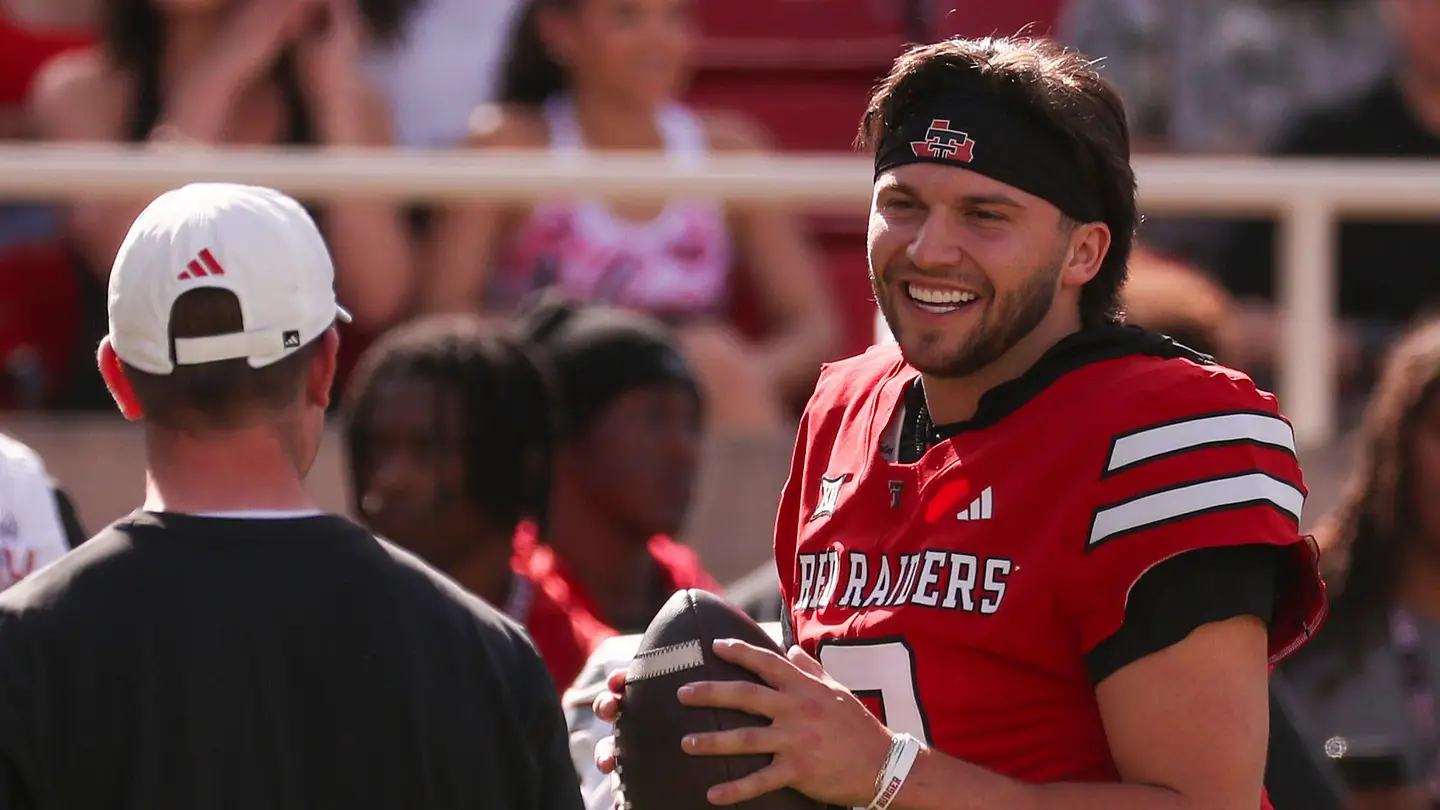
Texas Tech quarterback Brendan Sorsby, who reportedly received a $5 million deal to join the Red Raiders as a transfer from Cincinnati in January, won a temporary injunction in a Texas court on Monday to play despite admitting to betting on his own team and despite the NCAA ruling him ineligible.
The ruling has sparked outrage.
Betting on one’s team is a cardinal sin in sports. It undermines fair play and fair competition and invites suspicions about whether games might be rigged, and whether athletes alter their play to comport to bets. There’s now the possibility of other schools and conferences not scheduling games against Texas Tech, with the Red Raiders blamed for making it possible for Sorsby to seek to play despite his gambling issues.
It’s possible Sorsby’s case is an anomaly. After all, it involves an athlete who admits to betting on his team, a highly unusual admission and one that hasn’t been at issue in previous eligibility lawsuits against the NCAA.