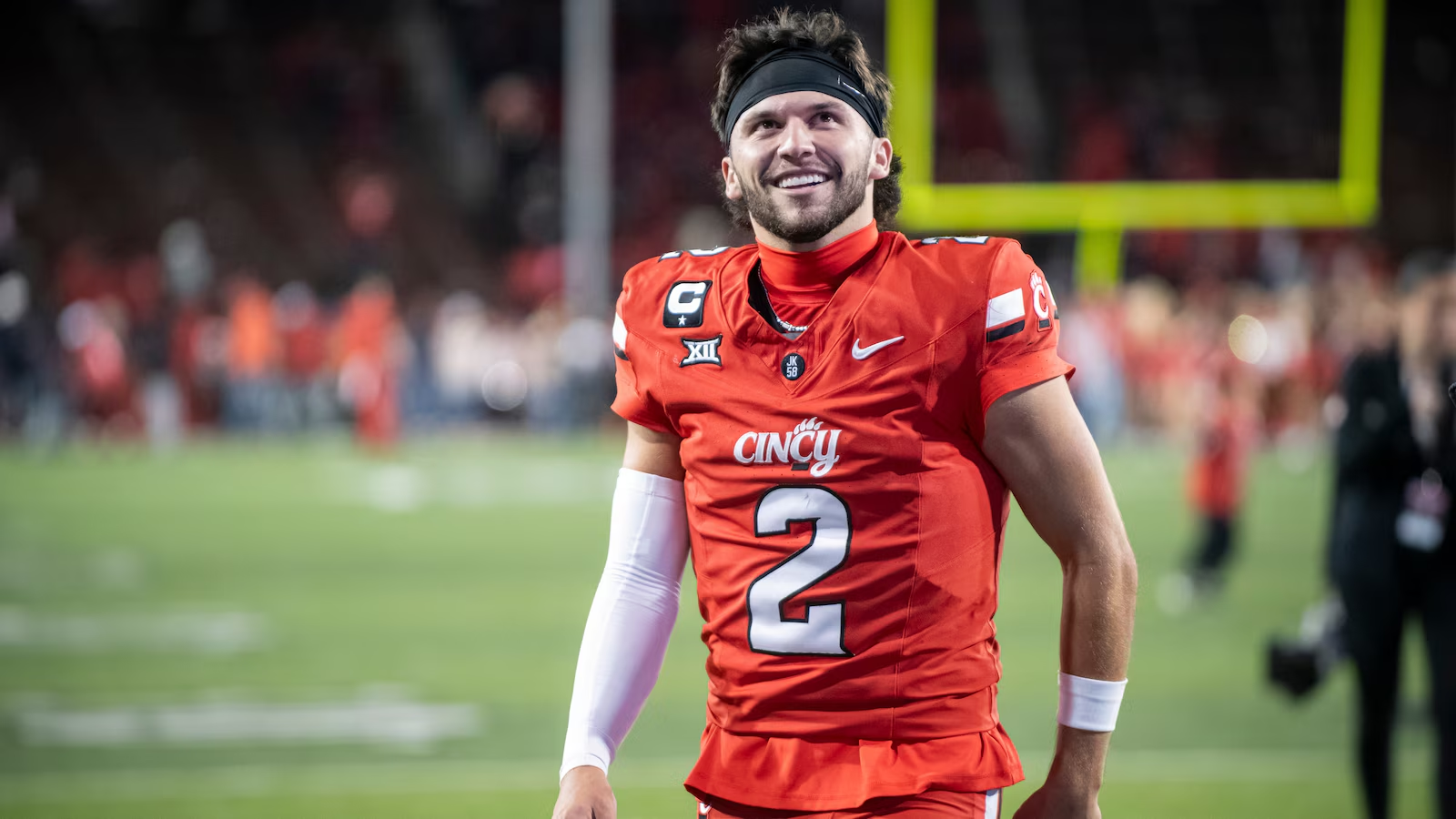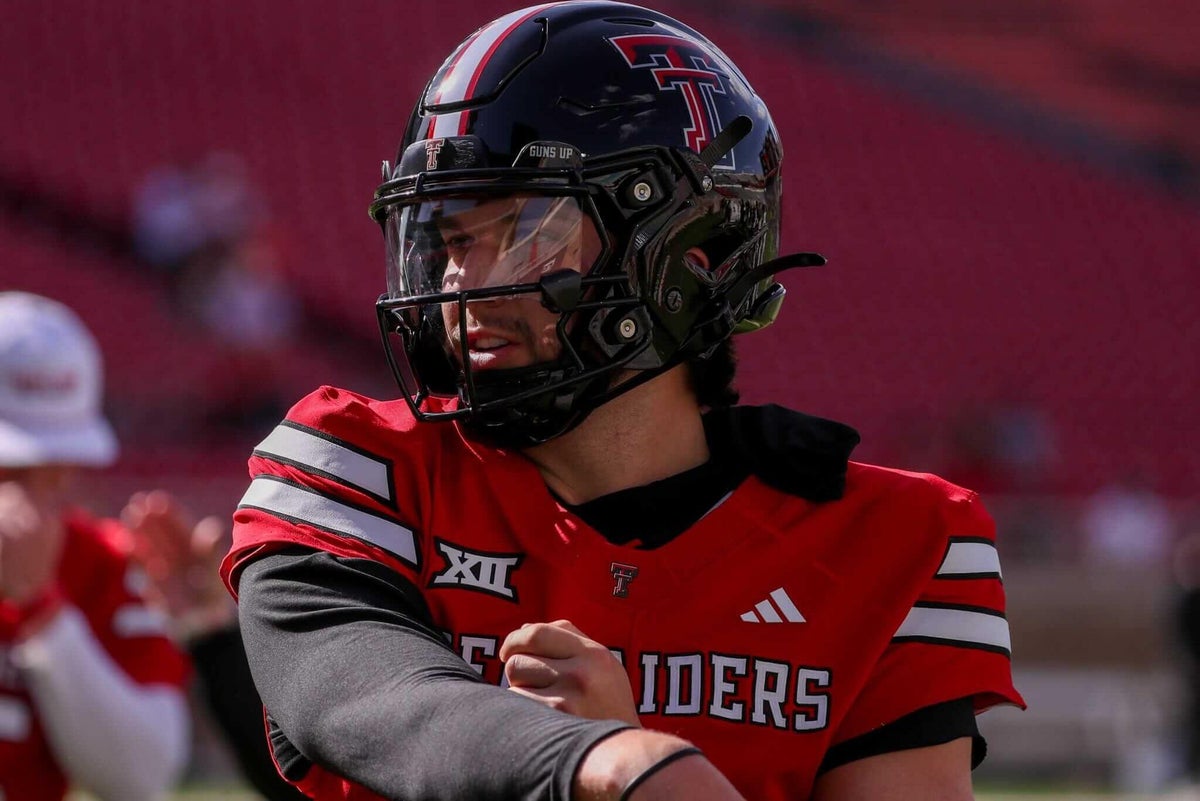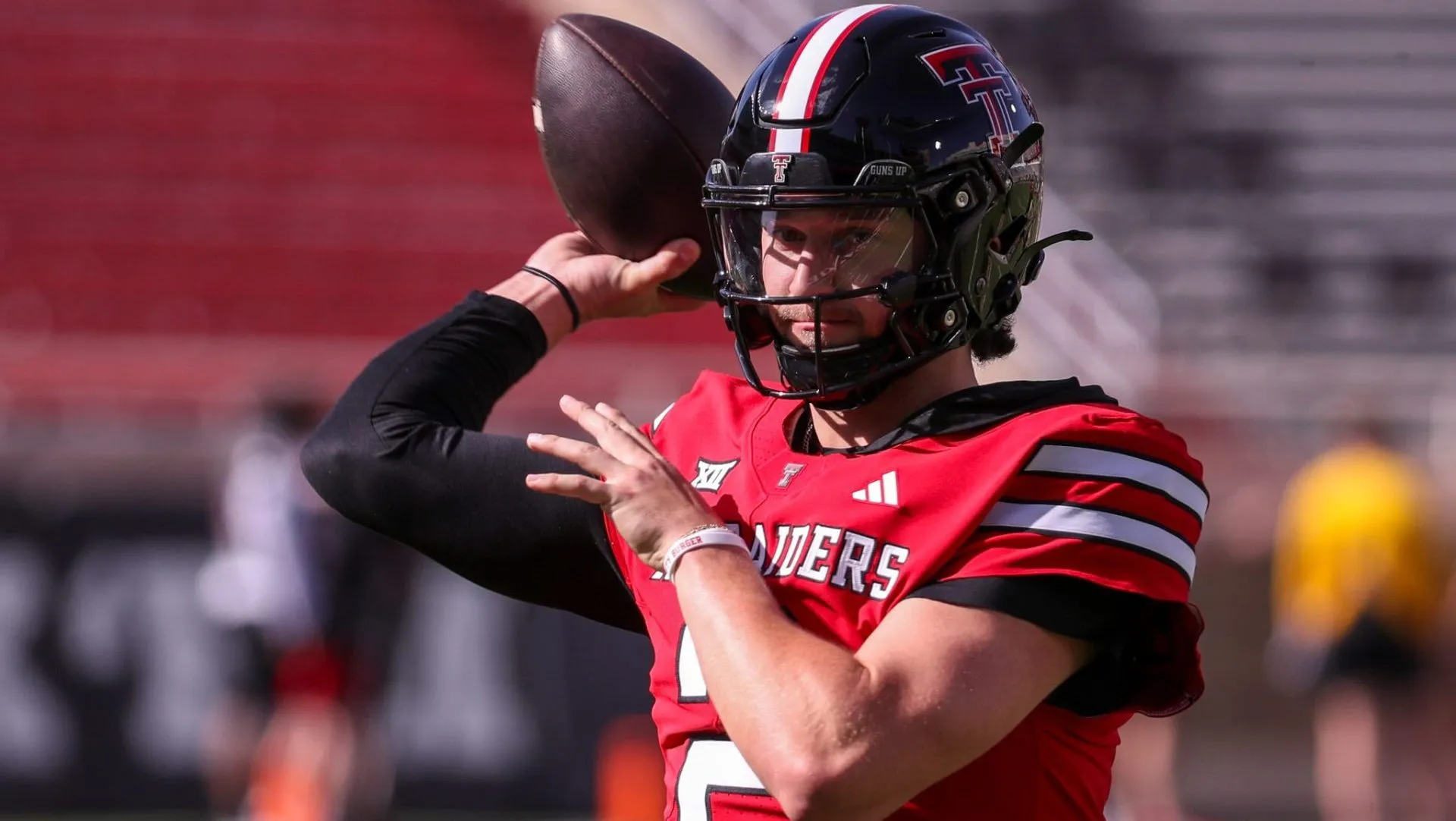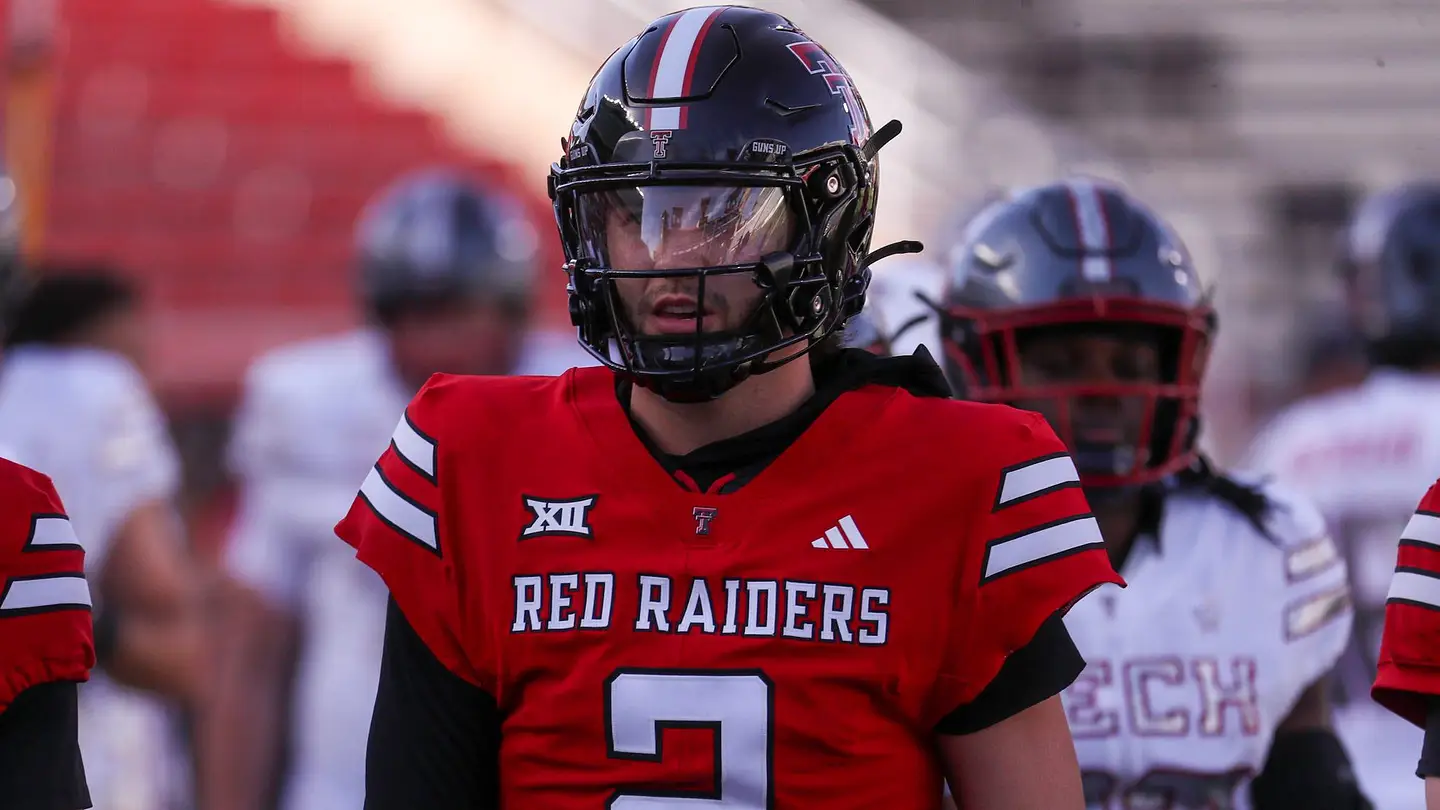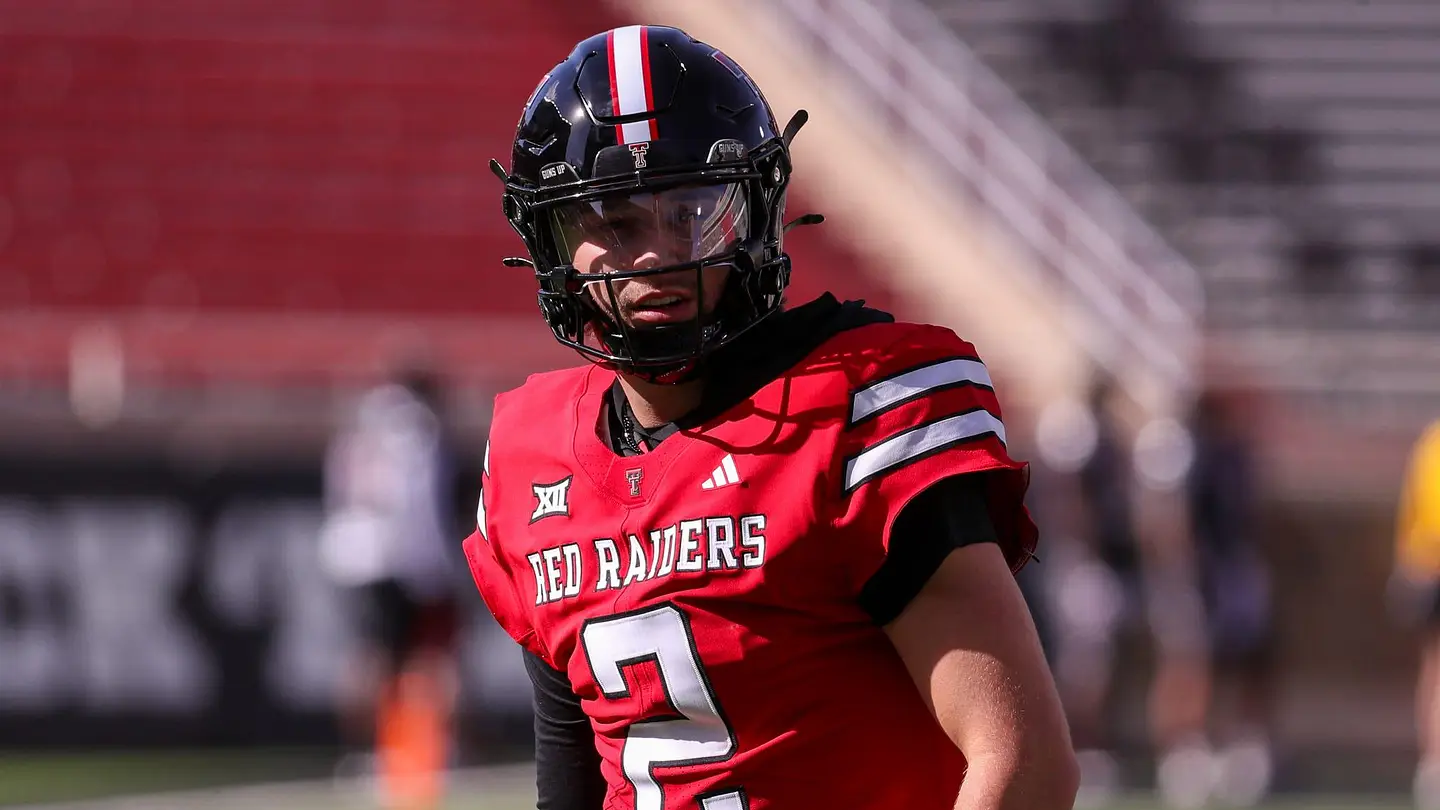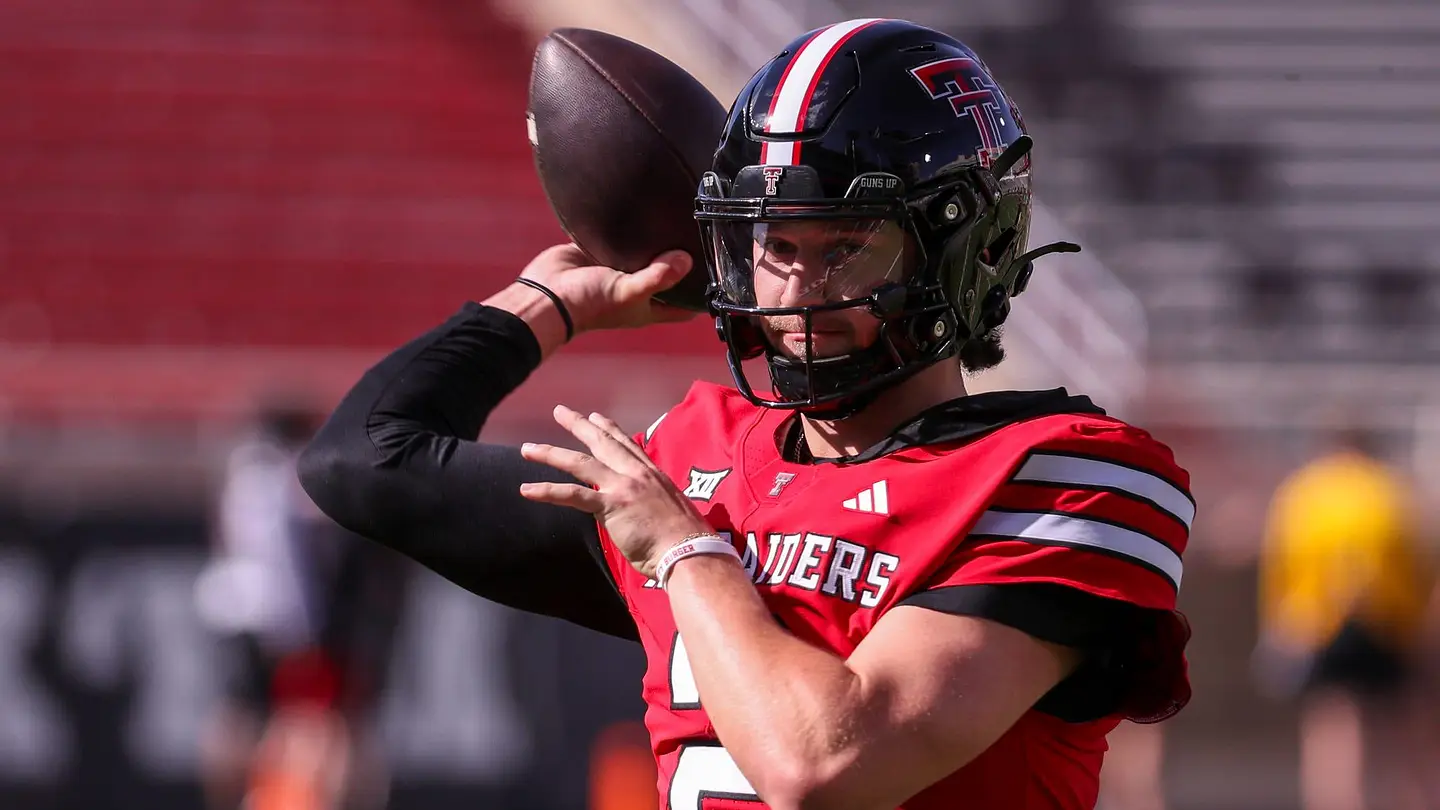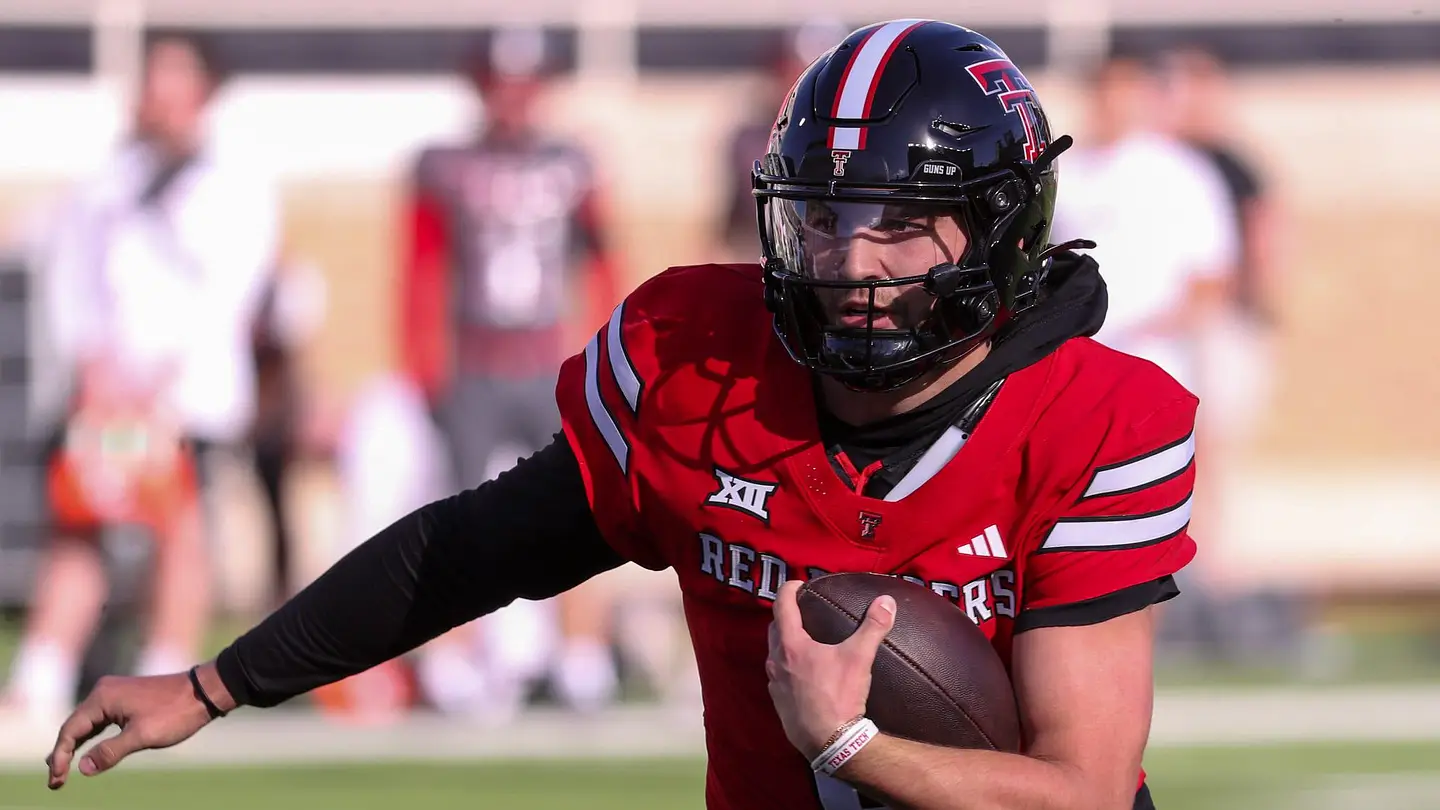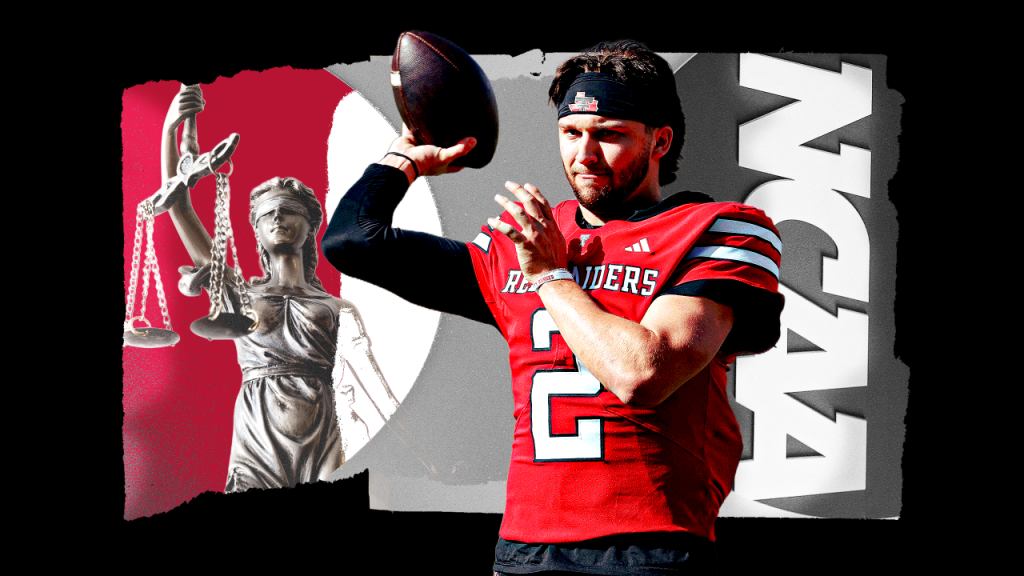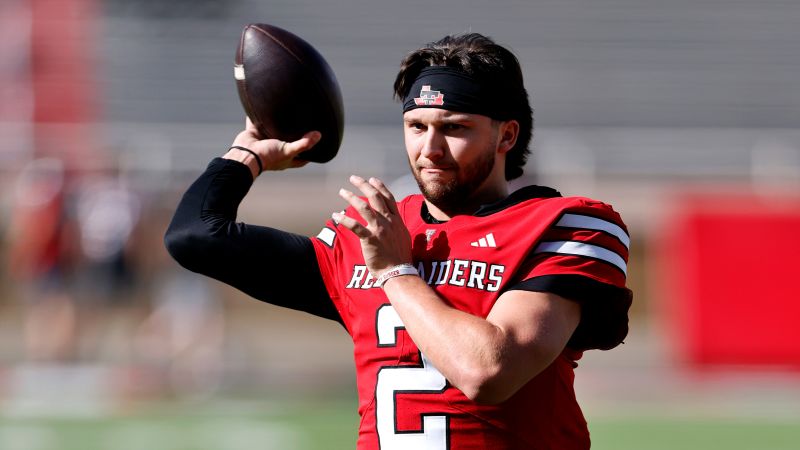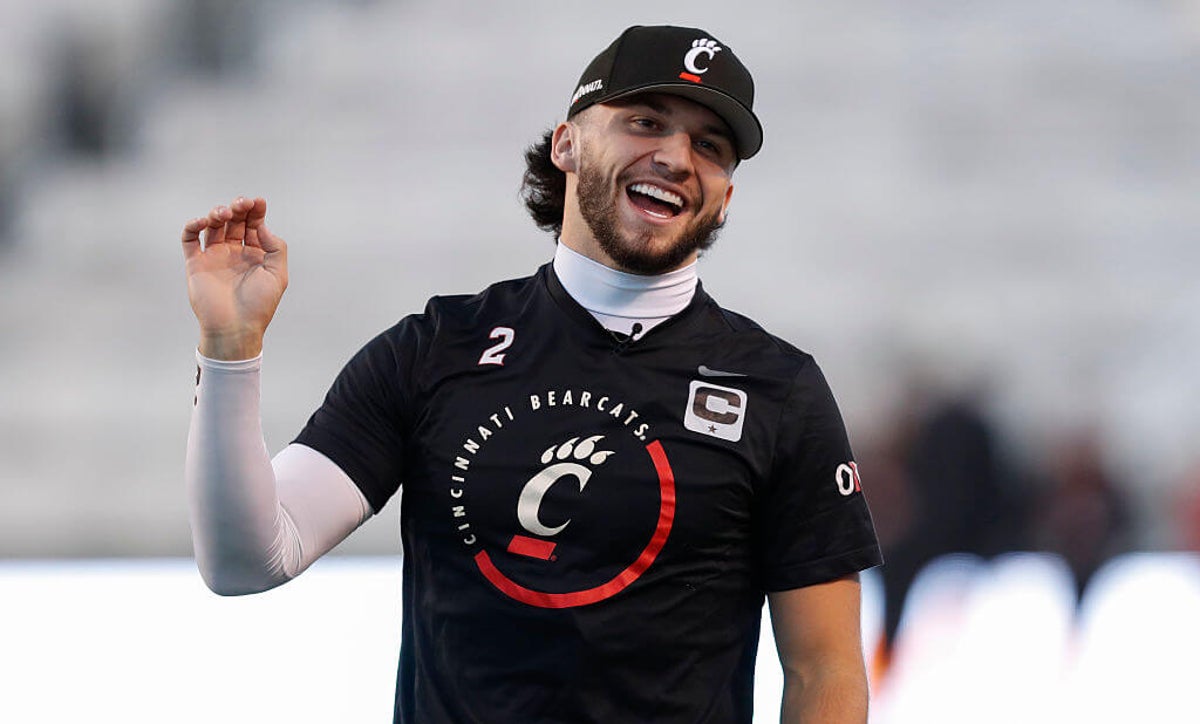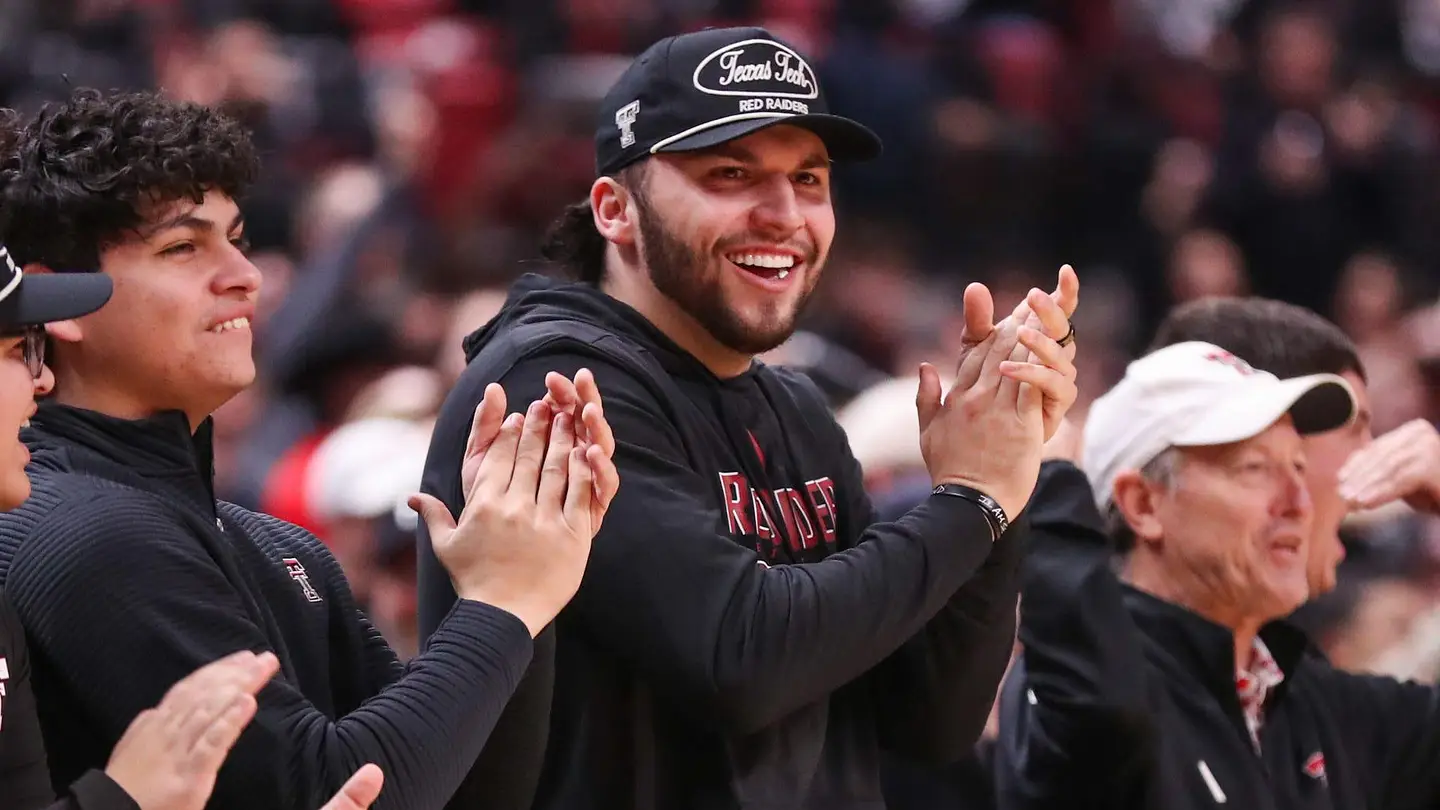
Many have talked about the possible death of college sports through the transfer portal, NIL deals, and conference realignment. But right now, it’s gambling that poses the most direct and time-sensitive threat to the future of college athletics.Former Indiana and Cincinnati quarterback Brendan Sorsby is now on his third stop, preparing to suit up for Texas Tech in the fall. A wrench was briefly thrown into that plan when Sorsby checked himself into a treatment program for a gambling addiction. In addition to being so degenerate a gambler that he was constantly placing bets on individual pitches in Cincinnati Reds games, Sorsby was placing bets on the very Indiana Hoosiers team of which he was a member.
Sorsby was committing the cardinal sin of sports. He was not just betting on games involving his own team: He was betting against his own team.
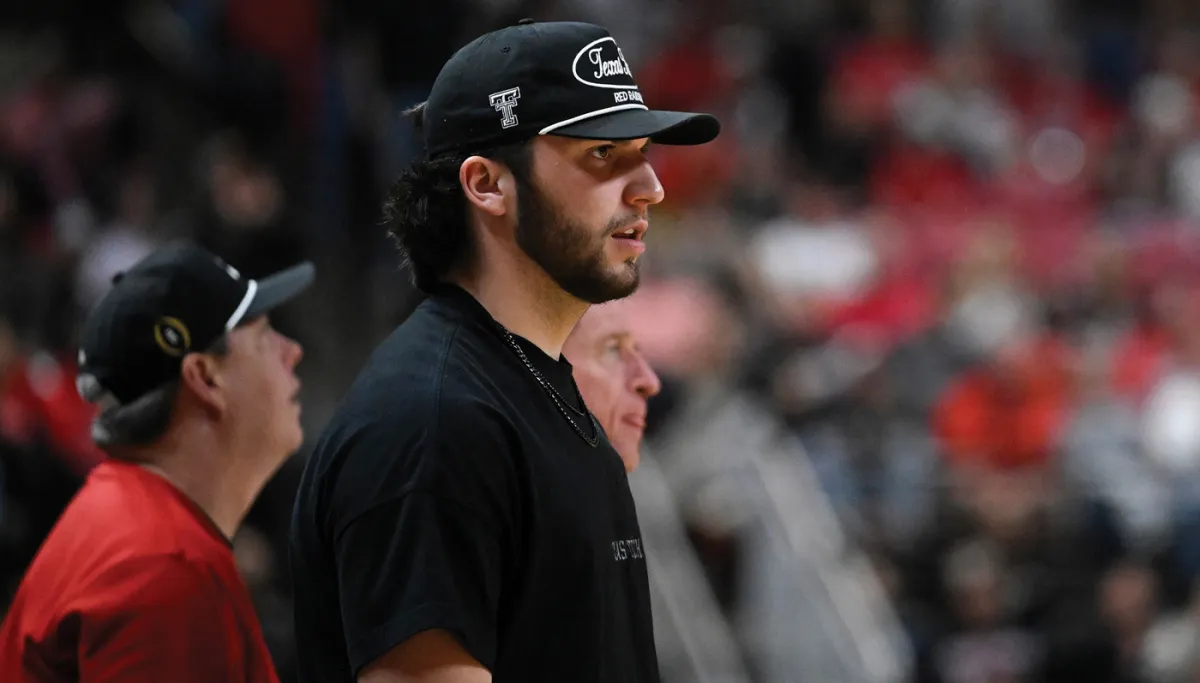
Texas Tech quarterback Brendan Sorsby watches an NCAA college basketball game between Texas Tech and Cincinnati on Feb. 24, 2026, in Lubbock, Texas. (Justin Rex/AP)
The NCAA, of course, attempted to ban Sorsby for life. The NCAA’s eligibility rules have been picked apart by the courts over the years, thanks to the NCAA’s own incompetence in crafting and enforcing them, but this seemed to be a slam dunk. If the NCAA can’t ban someone for gambling against their own team and jeopardizing the integrity of the entire sport, who could it ever ban?