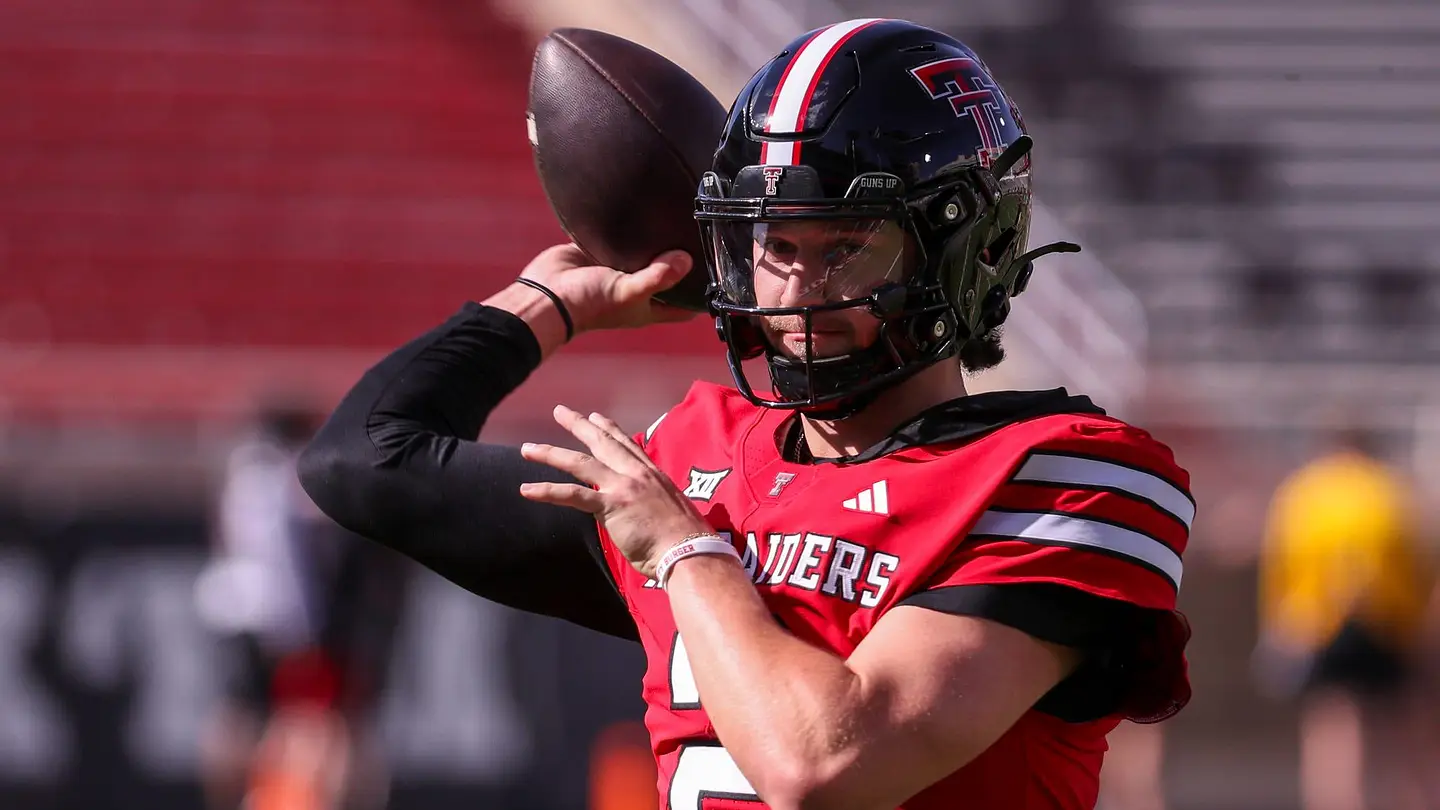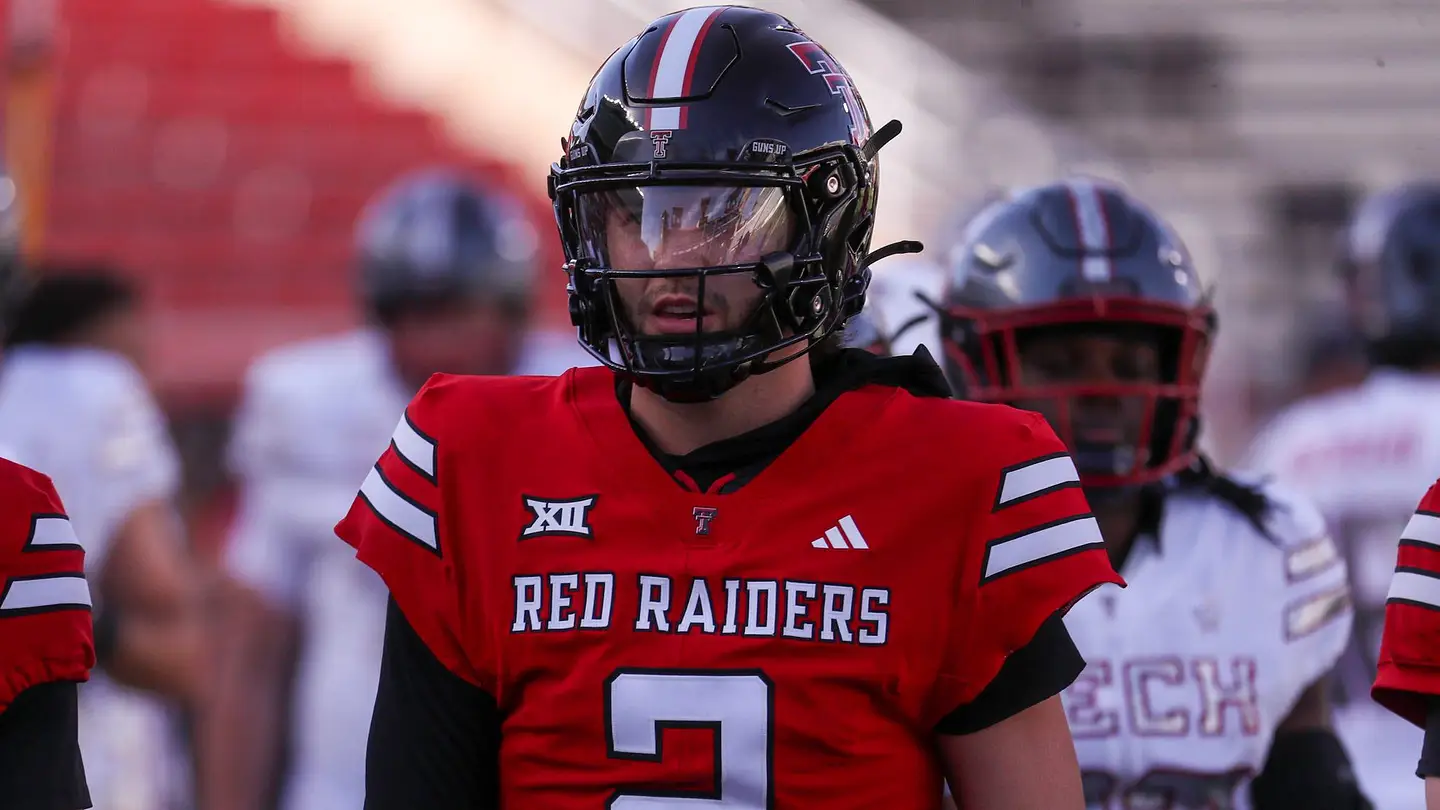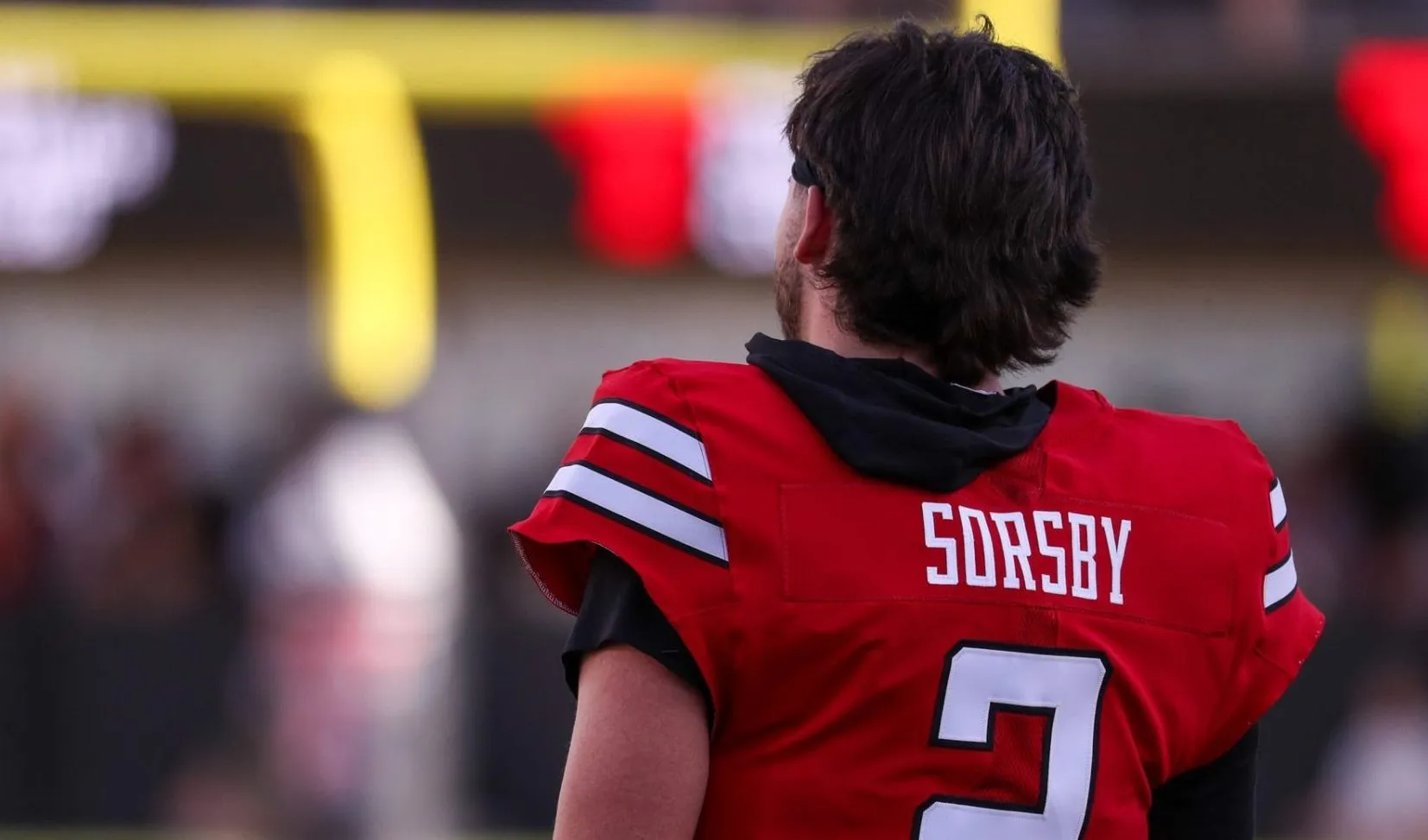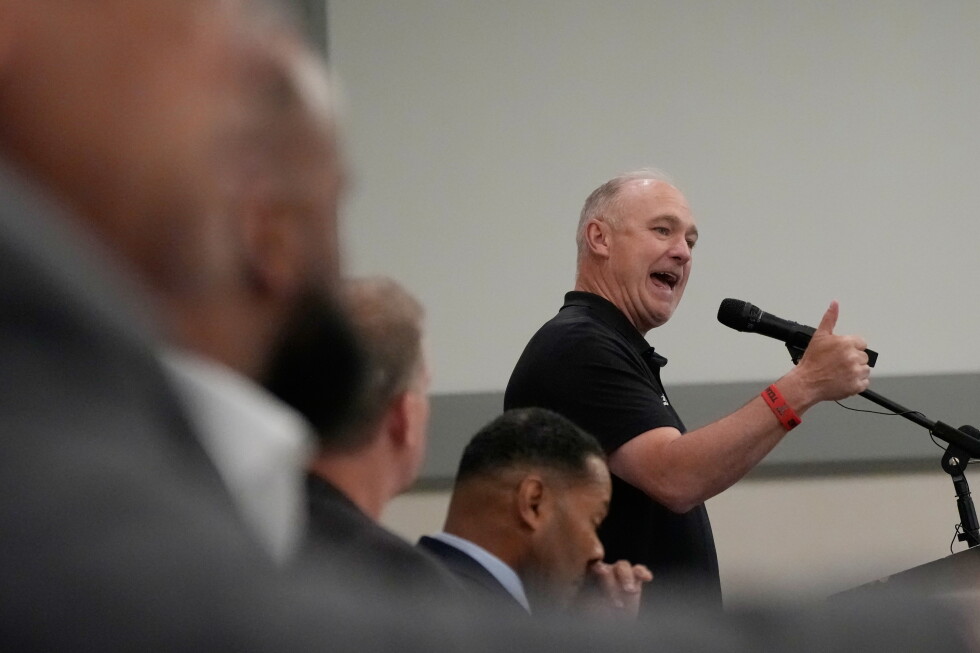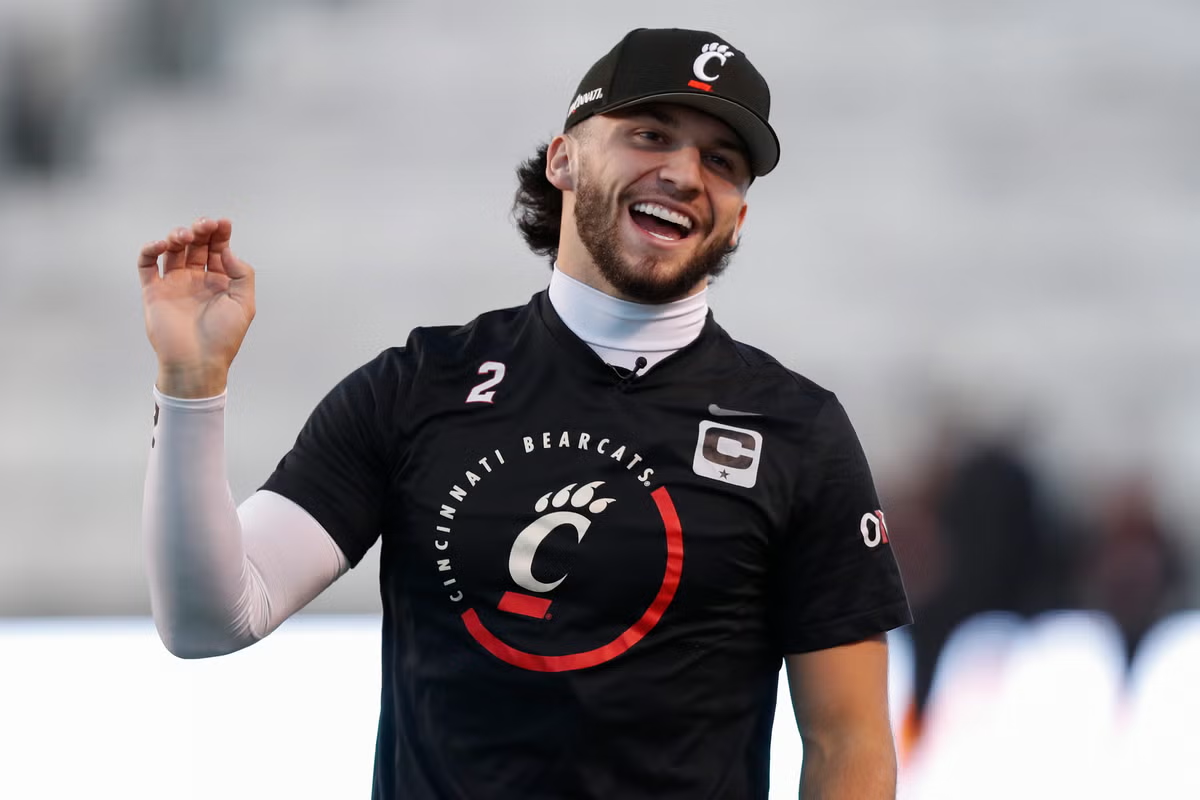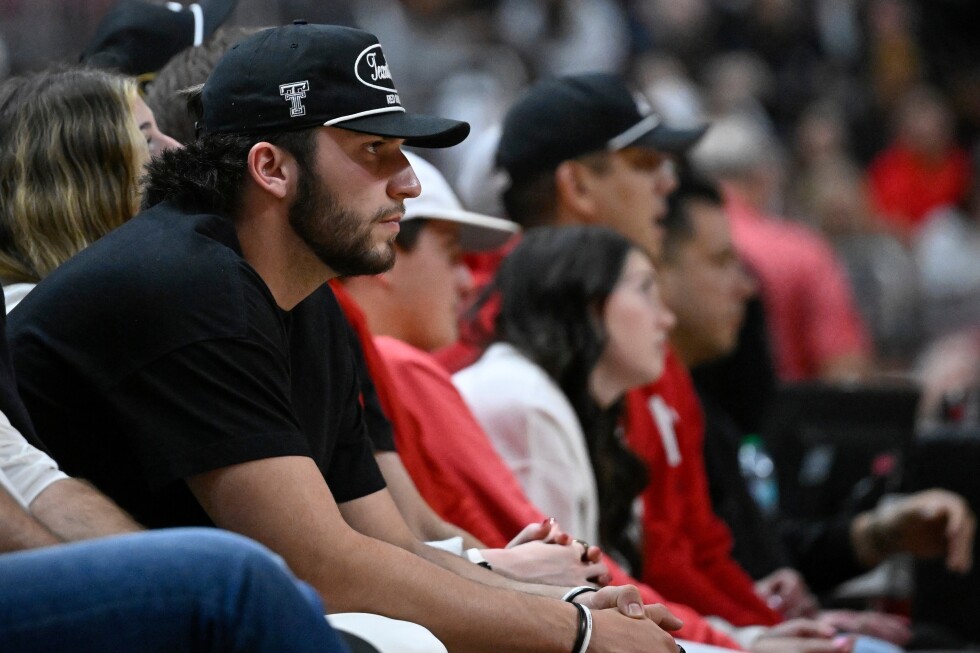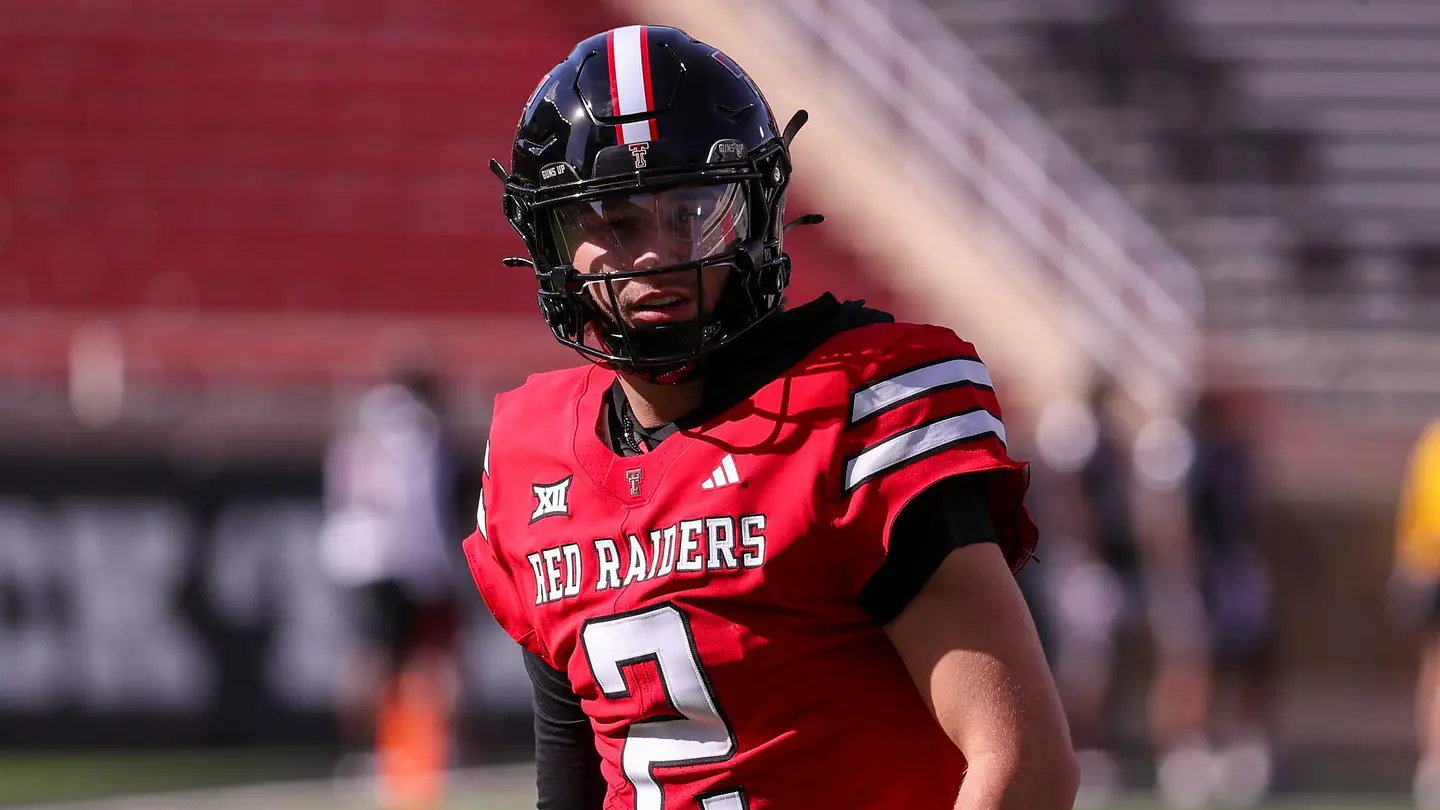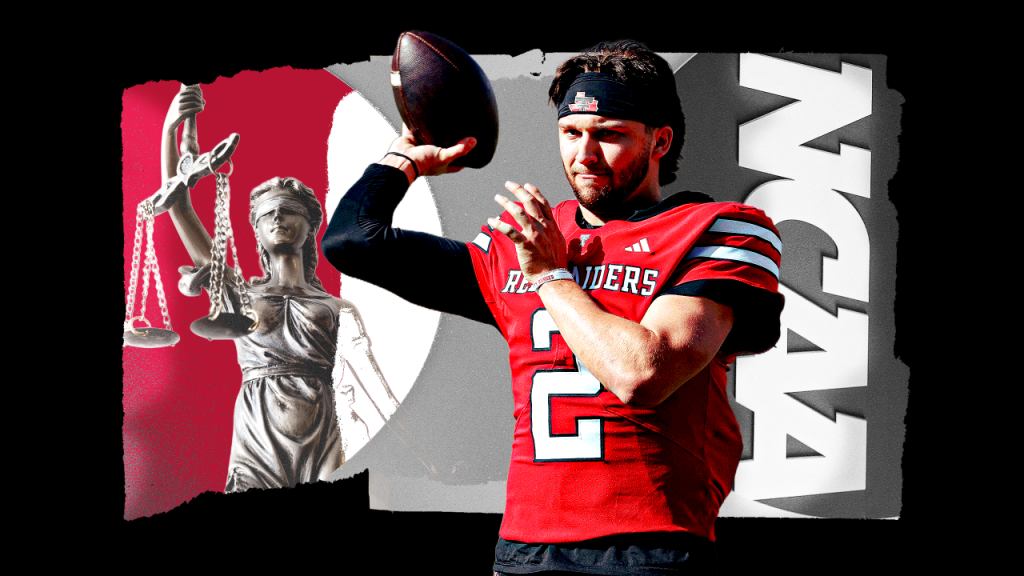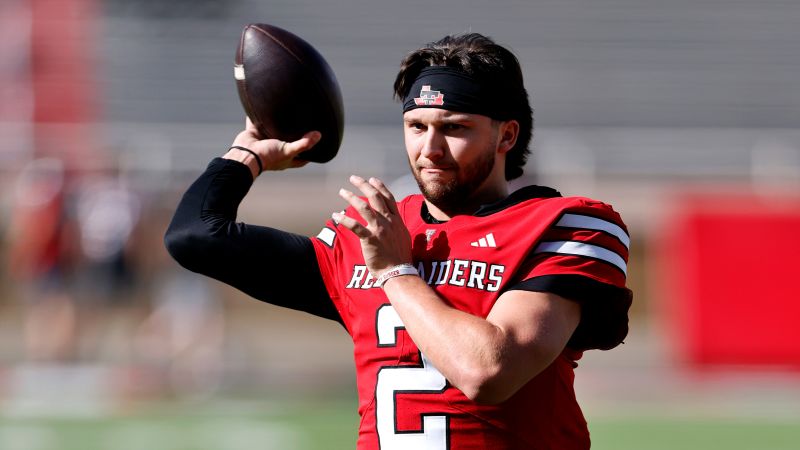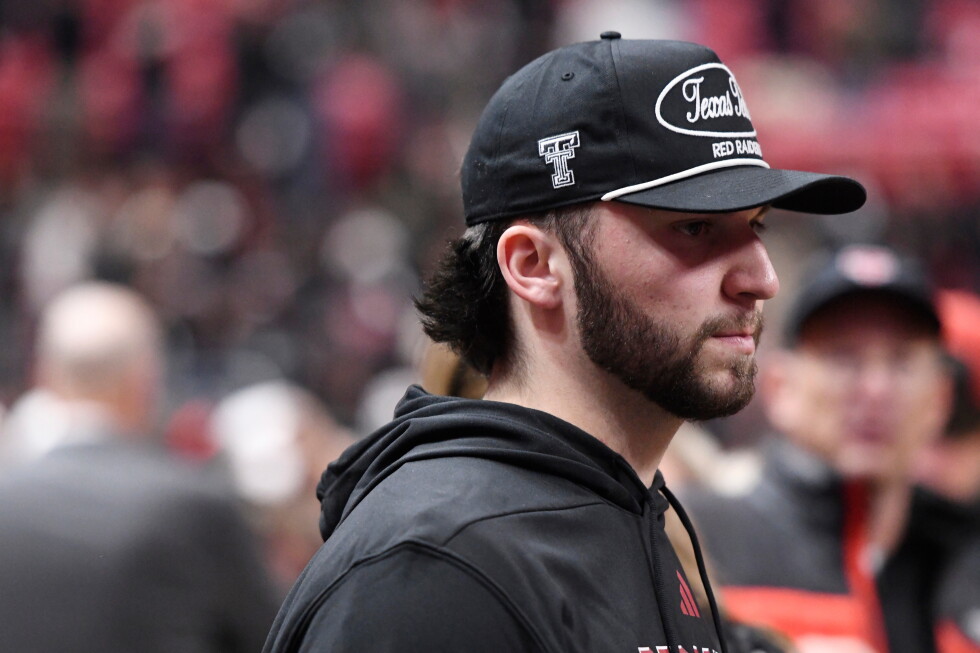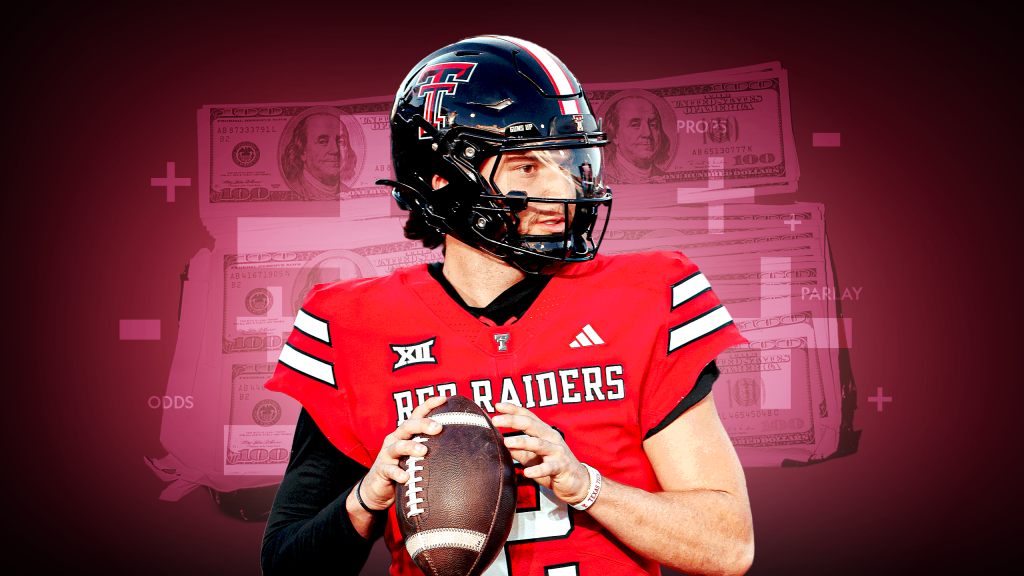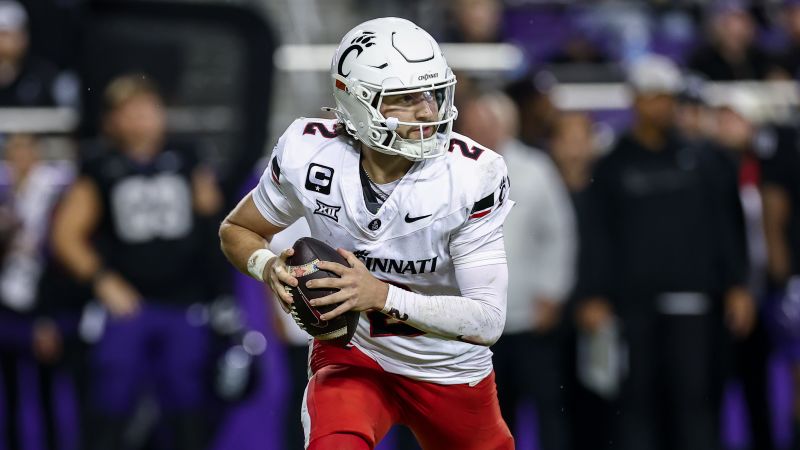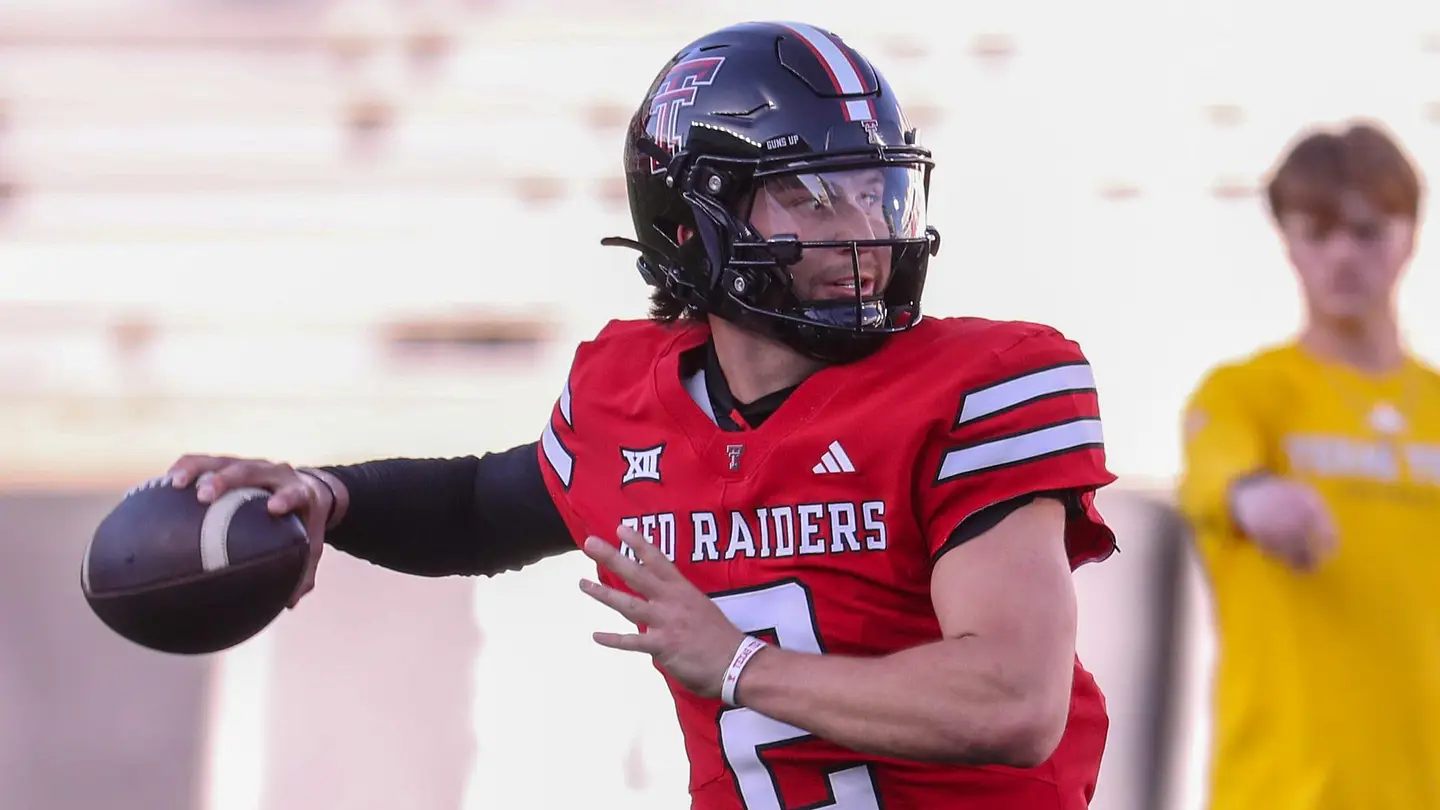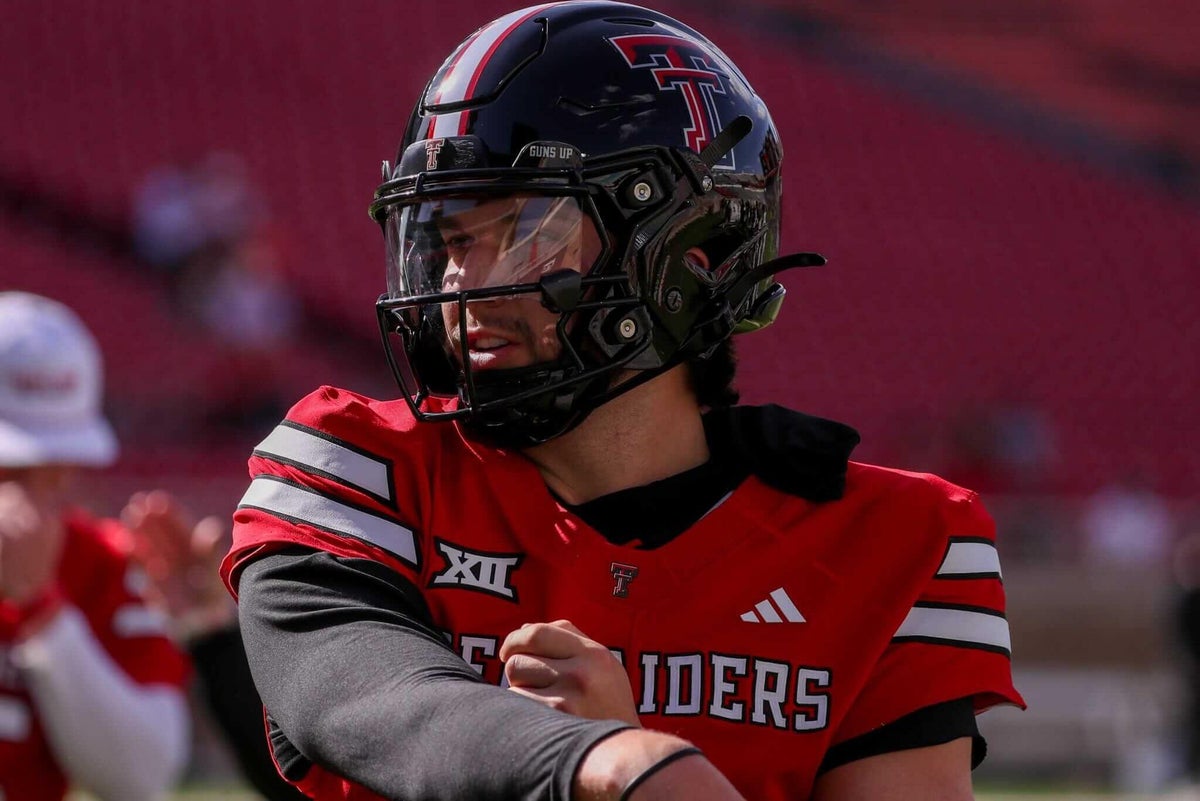
A brawl could soon explode across college football with no real winner. Both sides spent this week unbuttoning their shirt cuffs and rolling their sleeves back twice, removing any jewelry and flexing their neck muscles.The NCAA, and all of college football, is furious over a Texas court’s injunction that restored eligibility to Texas Tech quarterback Brendan Sorsby, who has openly admitted to gambling on his own team to win football games. The Texas attorney general, meanwhile, is proactively lobbing warnings toward the Big 12 in case the conference has any lingering thoughts of punishing the university for playing its star quarterback. As lawyers for both sides bicker and strut, the more valuable lesson in all of this has been trampled under litigation and bureaucratic threats. Sorsby’s injunction may at least temporarily allow him to return to college football, but it doesn’t address the root of his problem: online betting and a growing gambling addiction in young men today that is creating a public health crisis across the United States. Since the Supreme Court struck down a federal ban on sports gambling in 2018, at least 38 states now permit some form of it, allowing Americans to place bets totaling more than $150 billion annually. We have seen gambling corrupt sports throughout history but more specifically in recent years, from the scandals involving Cleveland Guardians pitchers allegedly throwing rigged pitches to NBA players allegedly accepting bribes in gambling plots. Rarely, though, have we seen an athlete come forward and admit his own addiction to all of it. Sorsby, 22, admitted to betting nearly $90,000 on college and pro sports, including at least 40 bets placed on Indiana while he was a quarterback for the Hoosiers. The admission is jarring, but perhaps it shouldn’t be so surprising. A Harris Poll survey earlier this year indicated nearly two-thirds of adults reported participating in at least one form of gambling prior to turning 21, the legal betting age in the United States. The forms of gambling ranged from scratching off lottery tickets to playing fantasy sports for cash. Nearly eight out of 10 Americans believe gambling addiction is as serious or more serious than alcohol and drug addiction.
Brendan Sorsby isn’t a victim. He’s the latest face of America’s public health crisis
Texas Tech QB's injunction may allow him to play, but the problem remains: Online betting and a growing gambling addiction among young men.
1,028 words~5 min read