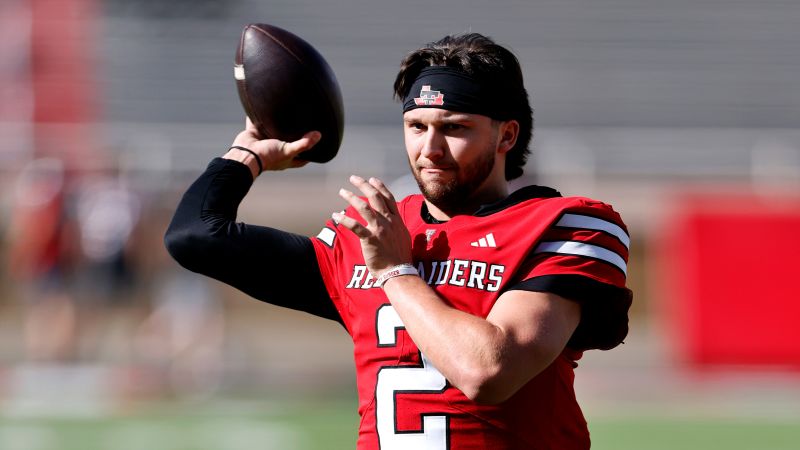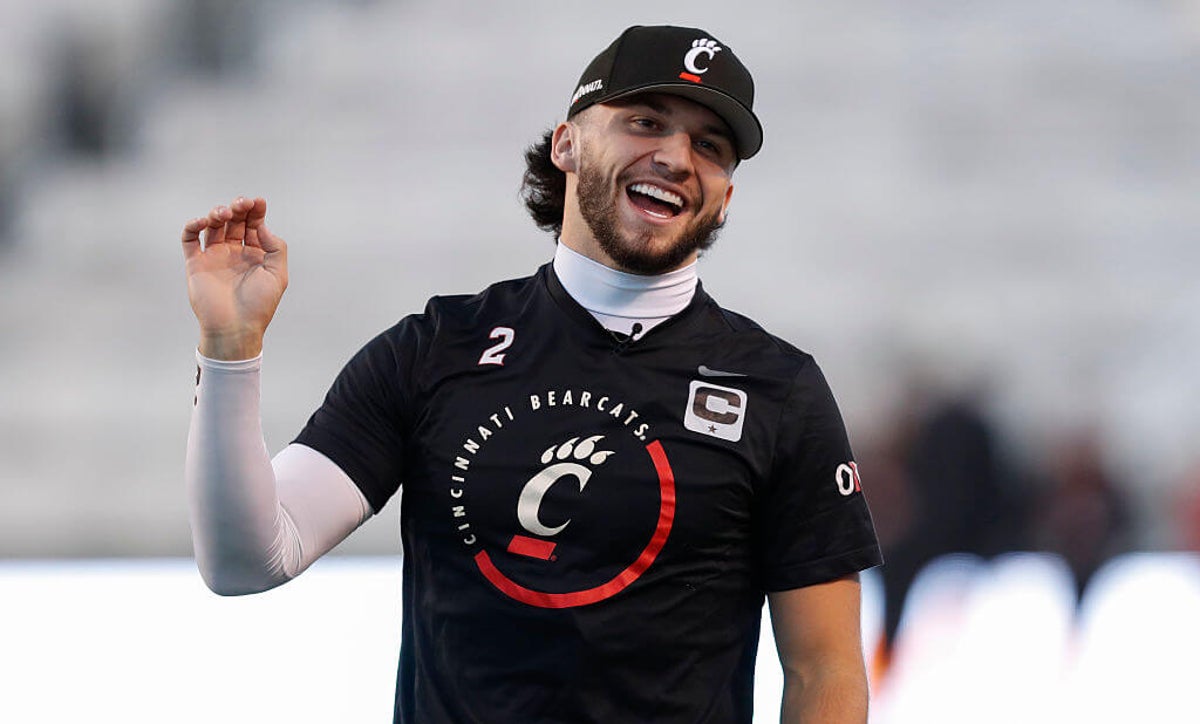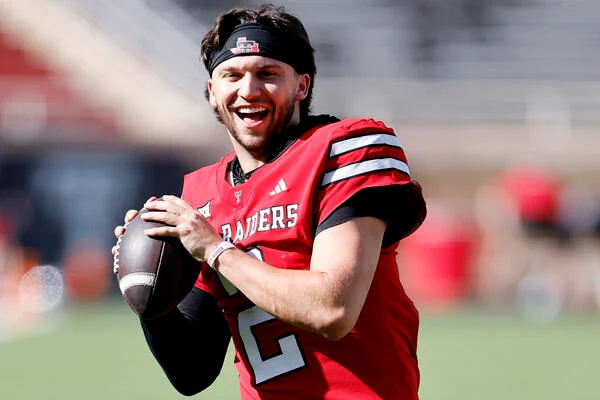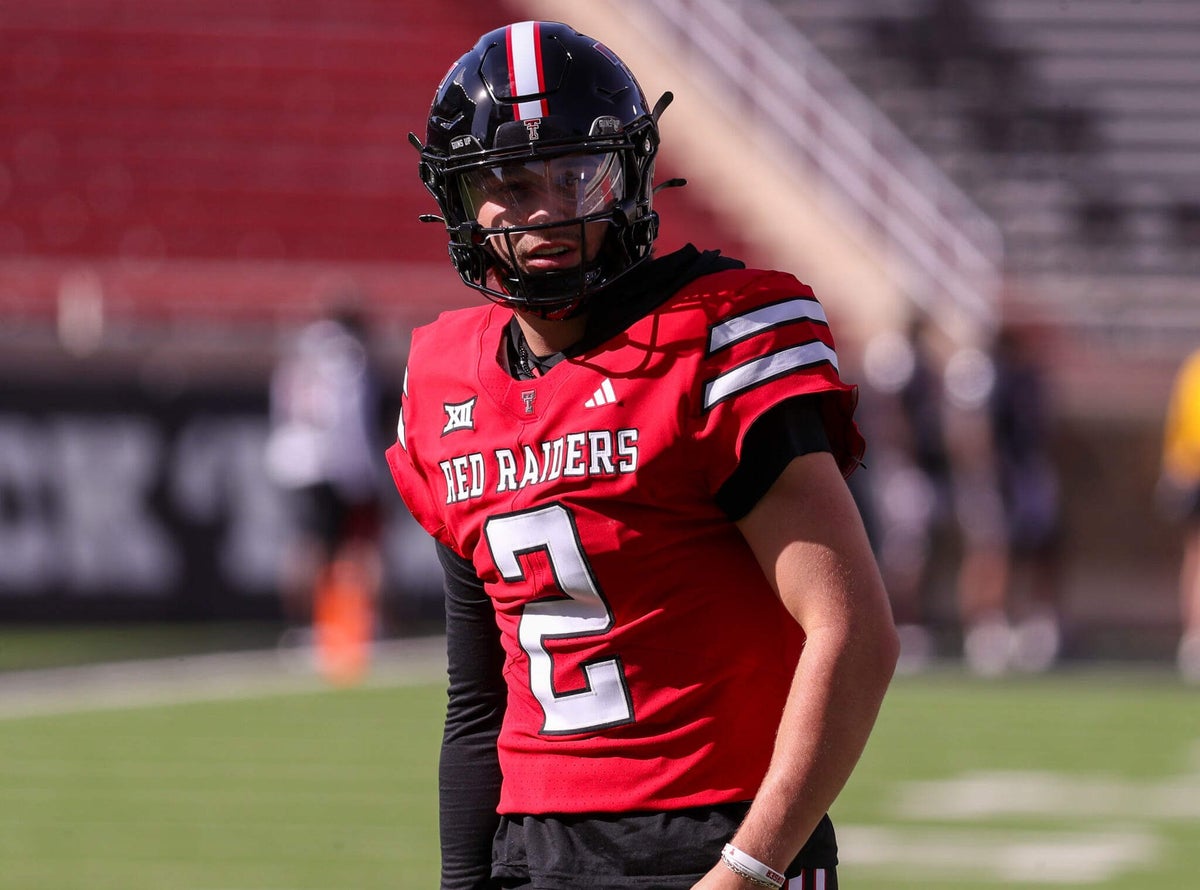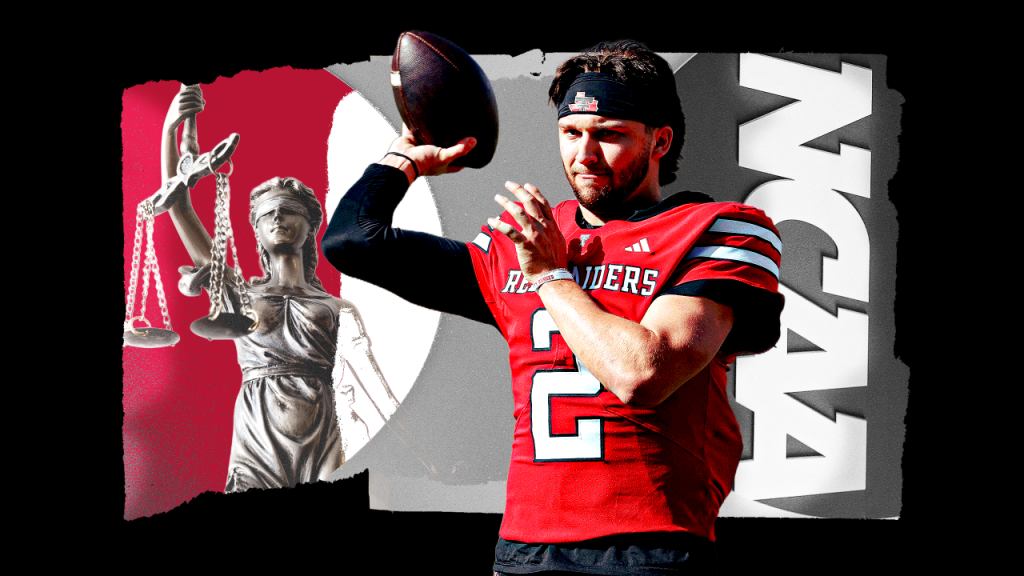
The ruling on Monday that Texas Tech quarterback Brendan Sorsby can play NCAA football despite having bet on his own team is a sports law earthquake.
It’s occurring at the intersection of a modern double whammy: one involving dozens of ineligible college athletes suing to extend their NCAA eligibility to profit from lucrative NIL and revenue-share opportunities, and the other in which athletes in several sports have been suspended and even banned for sports betting. No recent college eligibility case has been quite like Sorsby’s, who the NCAA ruled was permanently ineligible due to his gambling history before a judge stepped in.
After Monday’s ruling, social media lit up with criticism for Sorsby regaining eligibility minus the first two games of the 2026 season, while others pointed out the seeming absurdity. “There really aren’t any rules. You just go to court. If it fails, go to court again until a judge says you’re all set,” SportsCenter anchor Scott Van Pelt tweeted.
Kansas State athletic director Gene Taylor told Yahoo Sports that it’s “absolutely devastating” for Sorsby to be able to play after betting on his own team. ESPN later reported that both Georgia and Nebraska sent memos to staff Monday telling their teams to not schedule the Red Raiders in any sport, and that Big Ten officials will discuss potentially mandating the same for all of its schools.