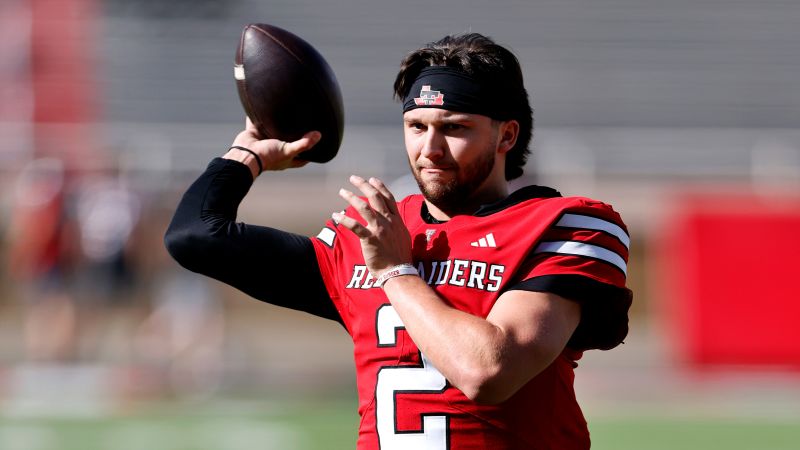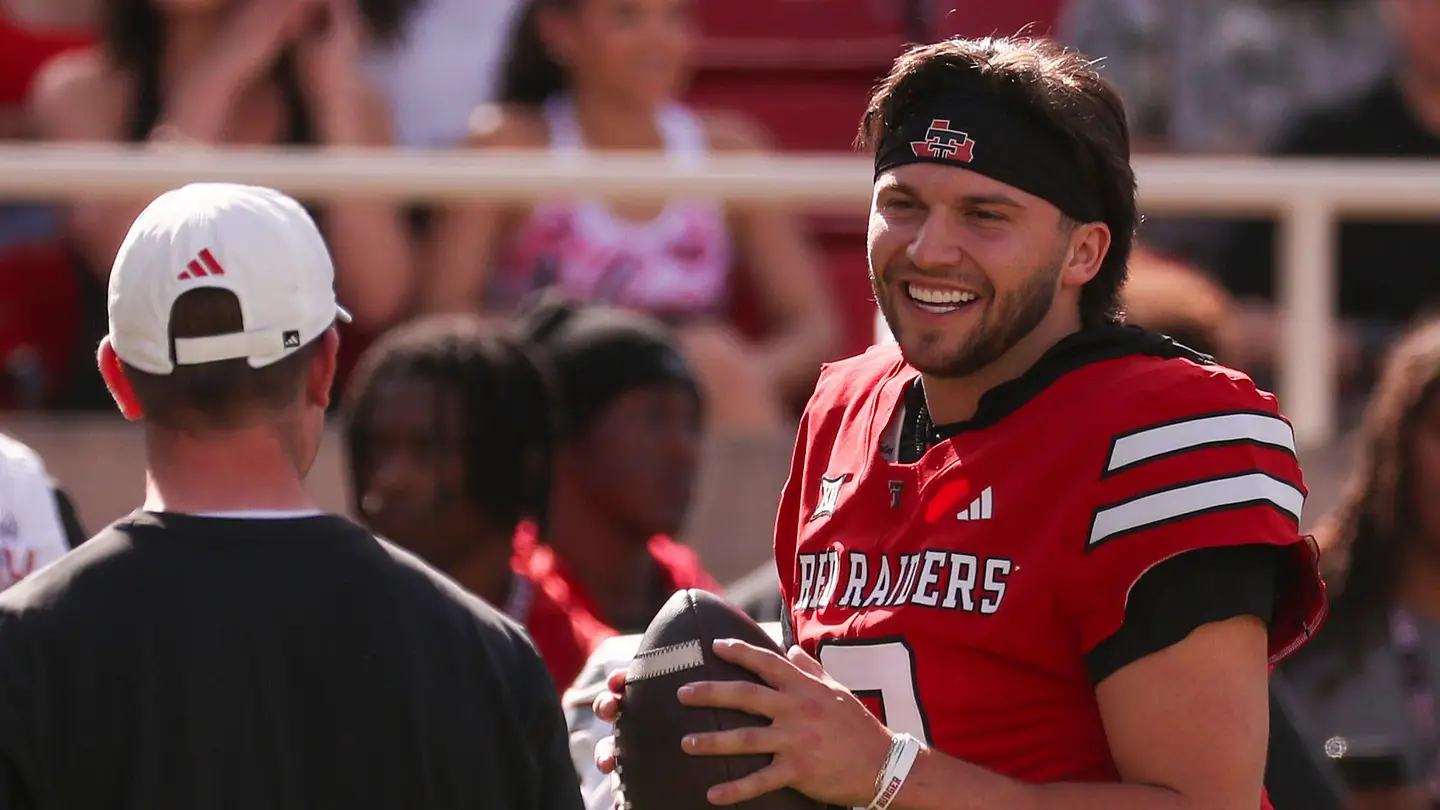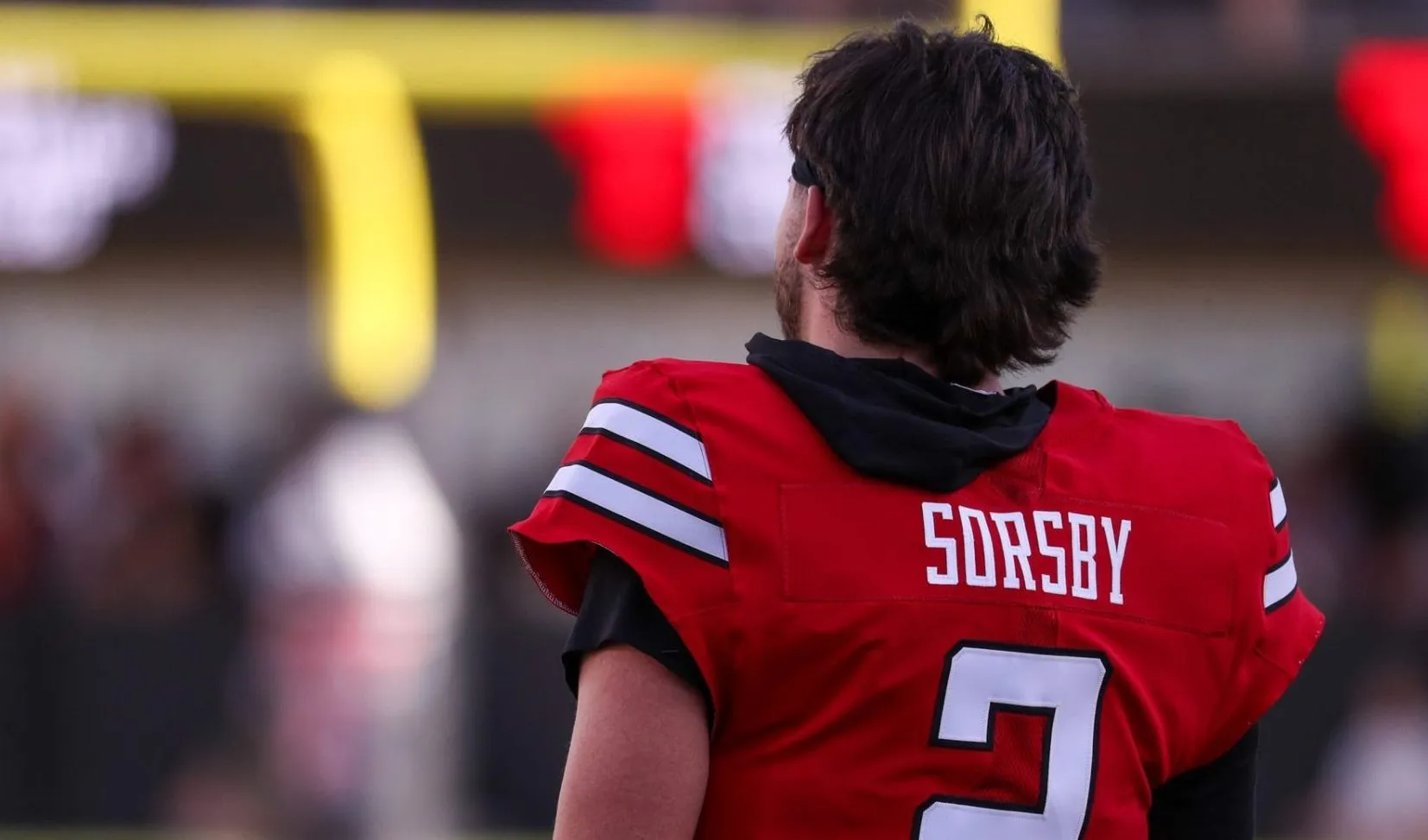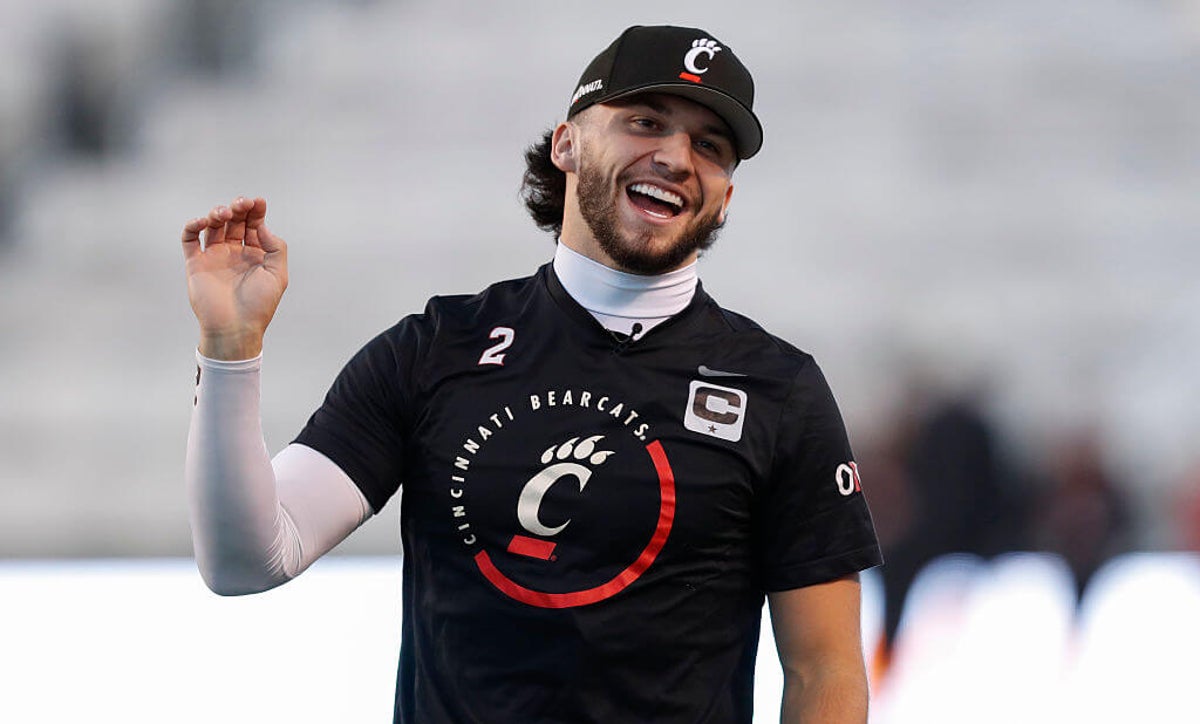
As court rulings across the country whittled away the NCAA’s power and rulebook, gambling was a red line that seemed uncrossable. The possibility of participants betting on their games — and potentially swaying outcomes — was too integral to the integrity of college sports to earn leniency.Not anymore.That’s the upshot of a four-page order signed Monday granting Texas Tech quarterback Brendan Sorsby a temporary injunction to play for the Red Raiders this fall — despite his admission that he made at least 40 bets on Indiana football when he was on the Hoosiers’ 2022 roster. Although Sorsby wagered on many other sports — including men’s basketball games at Indiana and Cincinnati when he was enrolled at those schools — betting on your own team’s games has been a cardinal sin in college and pro sports for more than a century. The NCAA acknowledged as much in a statement Monday, saying it’s “deeply concerned about the damaging, far-reaching and broadly destabilizing ramifications of this outcome — which undermines and corrupts the integrity of sports.”
All that history makes Monday’s ruling in the 99th District Court in Lubbock County (Texas) remarkable. The red line, at least according to one judge in one court regarding one Red Raiders player, no longer exists. The NCAA can, and will likely, appeal the ruling.This decision is different from others that have gone against the NCAA in recent years, whether it’s rules limiting transfers (West Virginia, 2023), eligibility (Vanderbilt’s Diego Pavia, Ole Miss’ Trinidad Chambliss) or former professionals returning to the college game (former G League player Charles Bediako playing at Alabama briefly this season). Those issues were unique to college sports, affecting roster management but little else.Monday’s ruling, however, challenges the NCAA’s ability to regulate a core aspect of sports and its existence: The idea that the outcome of the game you’re watching is legitimate because athletes on both sides are trying to win.Sorsby’s attorneys argued he was addicted to gambling, which means the NCAA was “effectively punishing Mr. Sorsby for suffering from a mental health condition.” If that argument holds up through the inevitable appeals process, the slippery slope is obvious. Sorsby didn’t bet on games he expected to play in, but someone else could do so and escape punishment if he also suffered from a mental health condition.On the field, the ruling is enormous for Texas Tech. The Red Raiders won the Big 12 last season and, assuming Sorsby remains eligible, will be College Football Playoff contenders again this year, too.Still, the ramifications remain the largest off the field. Years of adverse rulings have chipped away at the NCAA’s power to govern itself. And if the organization no longer has authority over one of its key functions — enforcing rules regarding the integrity of its events — what does the NCAA have left?Jun 8, 2026Connections: Sports EditionSpot the pattern. Connect the termsFind the hidden link between sports terms