Read The Diplomat, Know The Asia-Pacific
President Lee sold Korean democracy abroad as a system that fixes itself. Now his party and the administration have to prove it by holding the election commission to account without handing the conspiracy theorists a win.
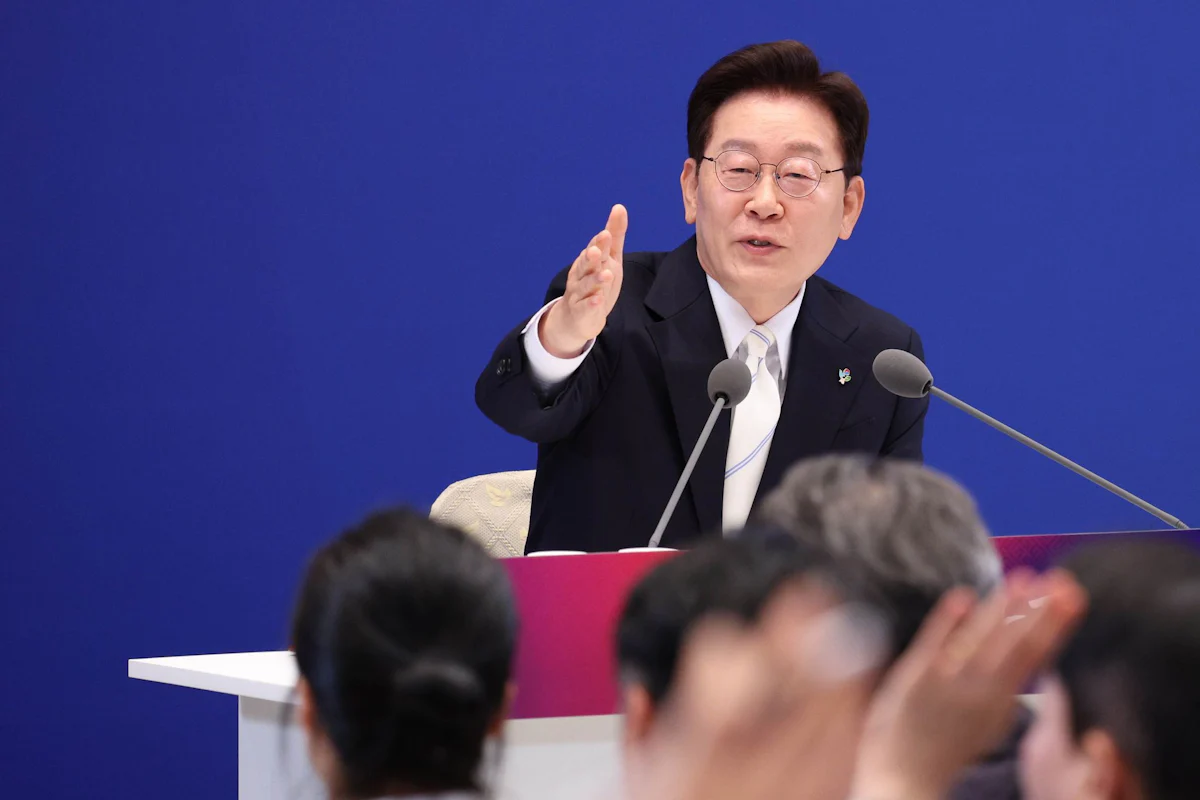
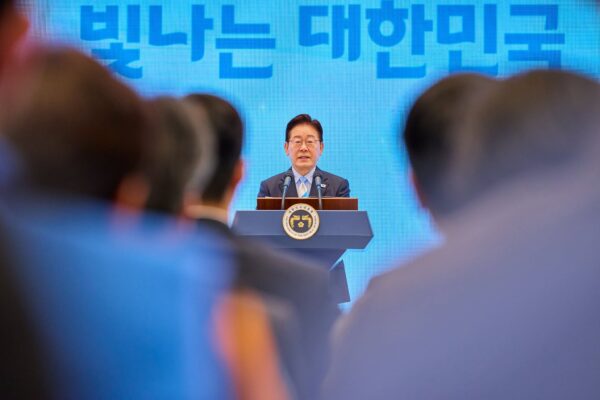
Eight months ago, Lee Jae-myung was at the U.N. General Assembly and held up the “Revolution of Light,” the movement that had met martial law in the streets. It was proof, he said, that Korean democracy corrects itself.
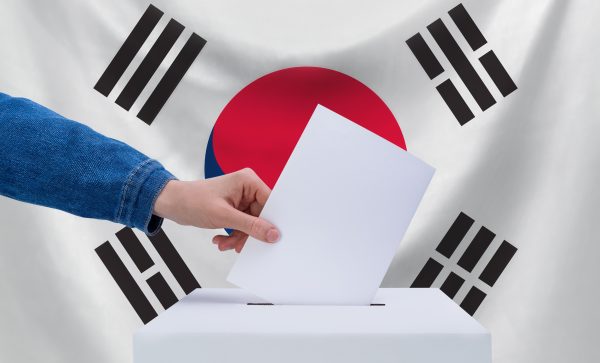
In the June 3 local elections, the proof ran out of ballot papers. Ballots ran short at 50 of the country’s 14,288 polling stations, and voting was stunted at 22 of them. The National Election Commission (NEC) had budgeted to print ballots for 110 percent of registered voters, but a guideline revised after last year’s presidential election allowed district commissions to print ballots for as few as half of registered voters. The commission admits the papers were split unevenly between stations and that its emergency transfers of spares fell short. That the queues happened to be forming mostly in conservative southern Seoul boosted the ensuing outrage.
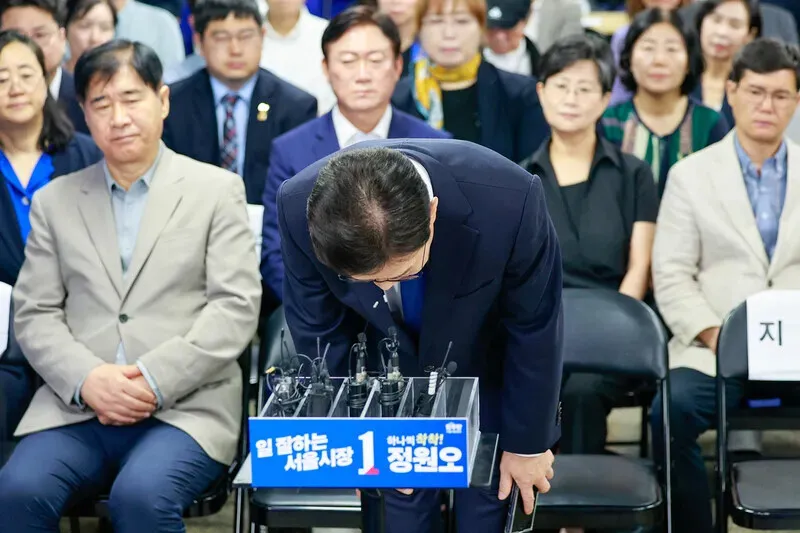
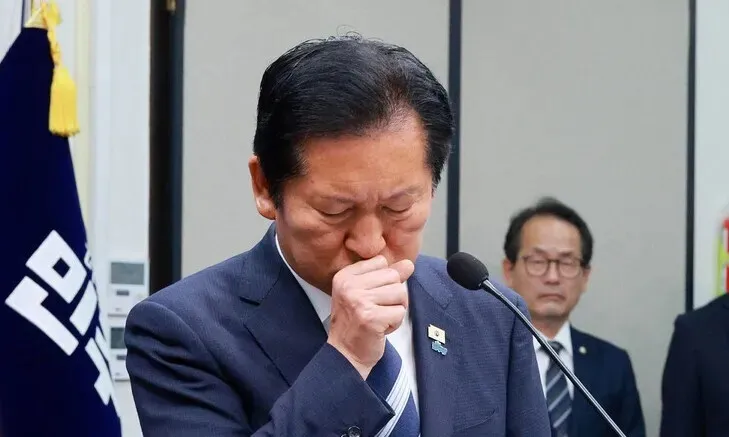
The conservative People Power Party (PPP) leader Jang Dong-hyeok declared the Seoul vote tainted and asked for the counting to be halted. The party’s floor leader, Song Eon-seok, asked for a delay of the vote tallying process and stated that those polling stations favored the incumbent mayor, Oh Se-hoon, by over 60 percent in 2022. He mentioned Article 196 of the election law that allows for a postponement in case of unforeseen circumstances. Late at night on voting day, Jang issued a demand for all vote counting across the country to cease immediately and for an annulment lawsuit to be prepared. Two days later, the demands had firmed into a list: a parliamentary investigation, a special counsel, the resignation of every commissioner — impeachment if they refused — and a standing reform committee in the Assembly.