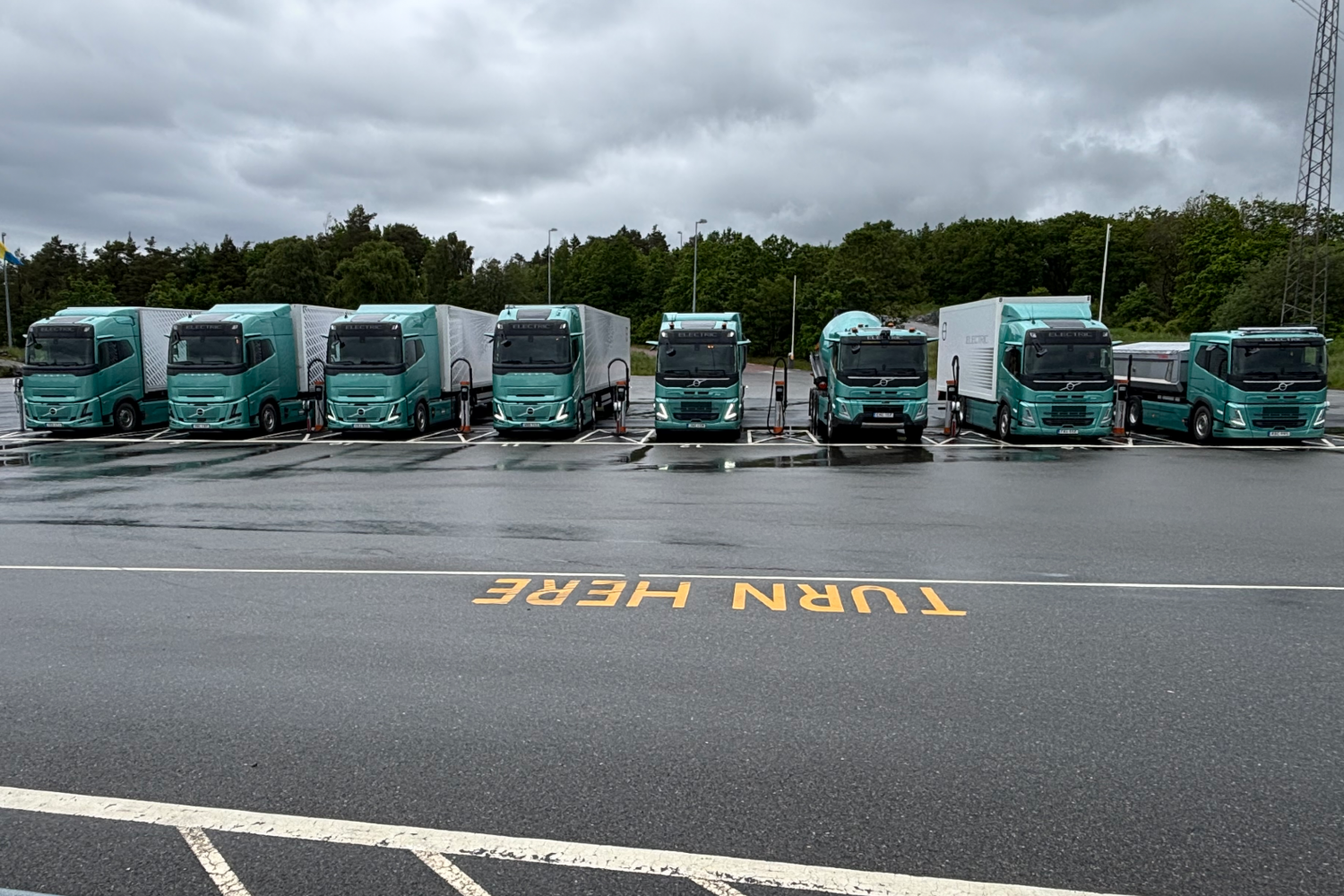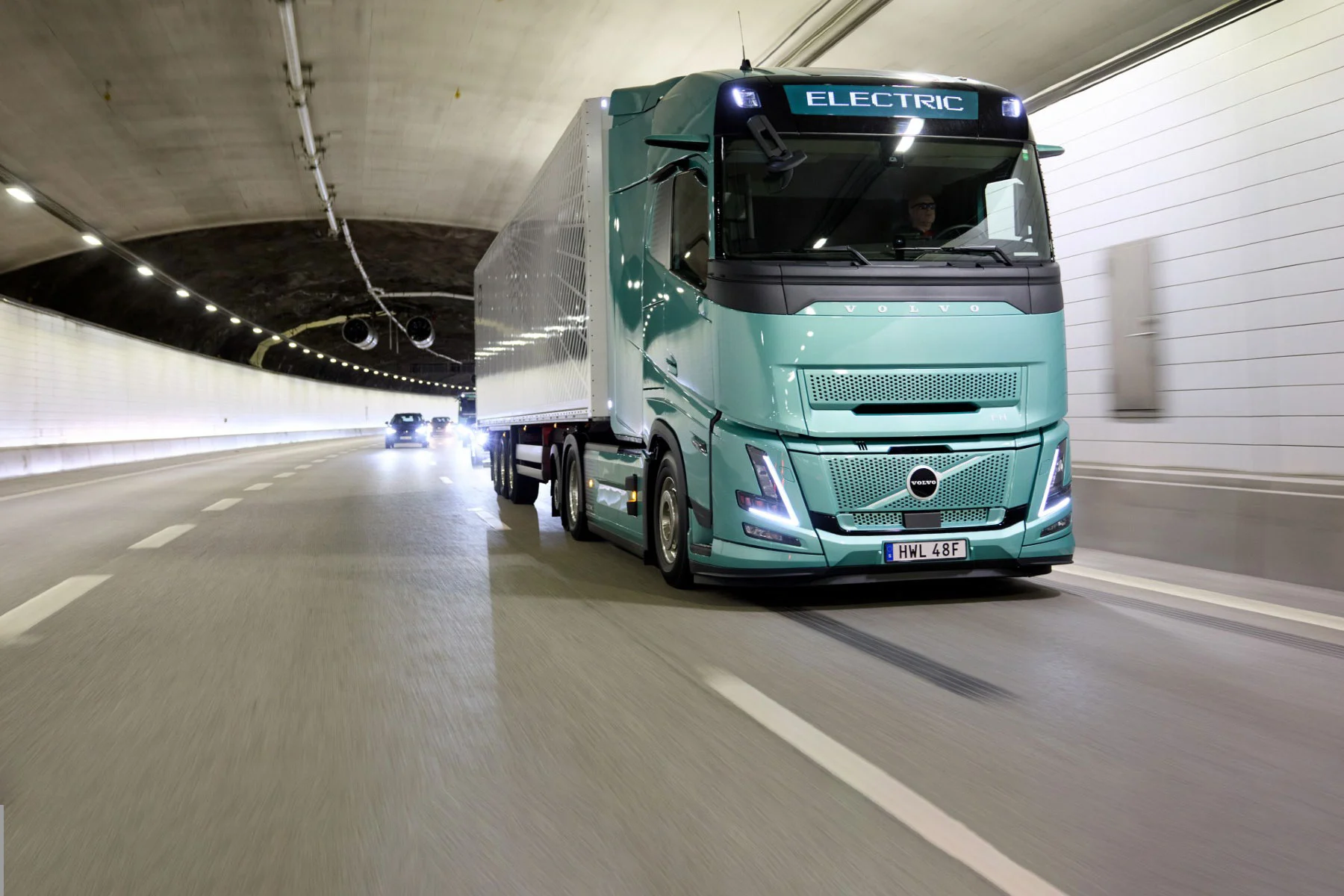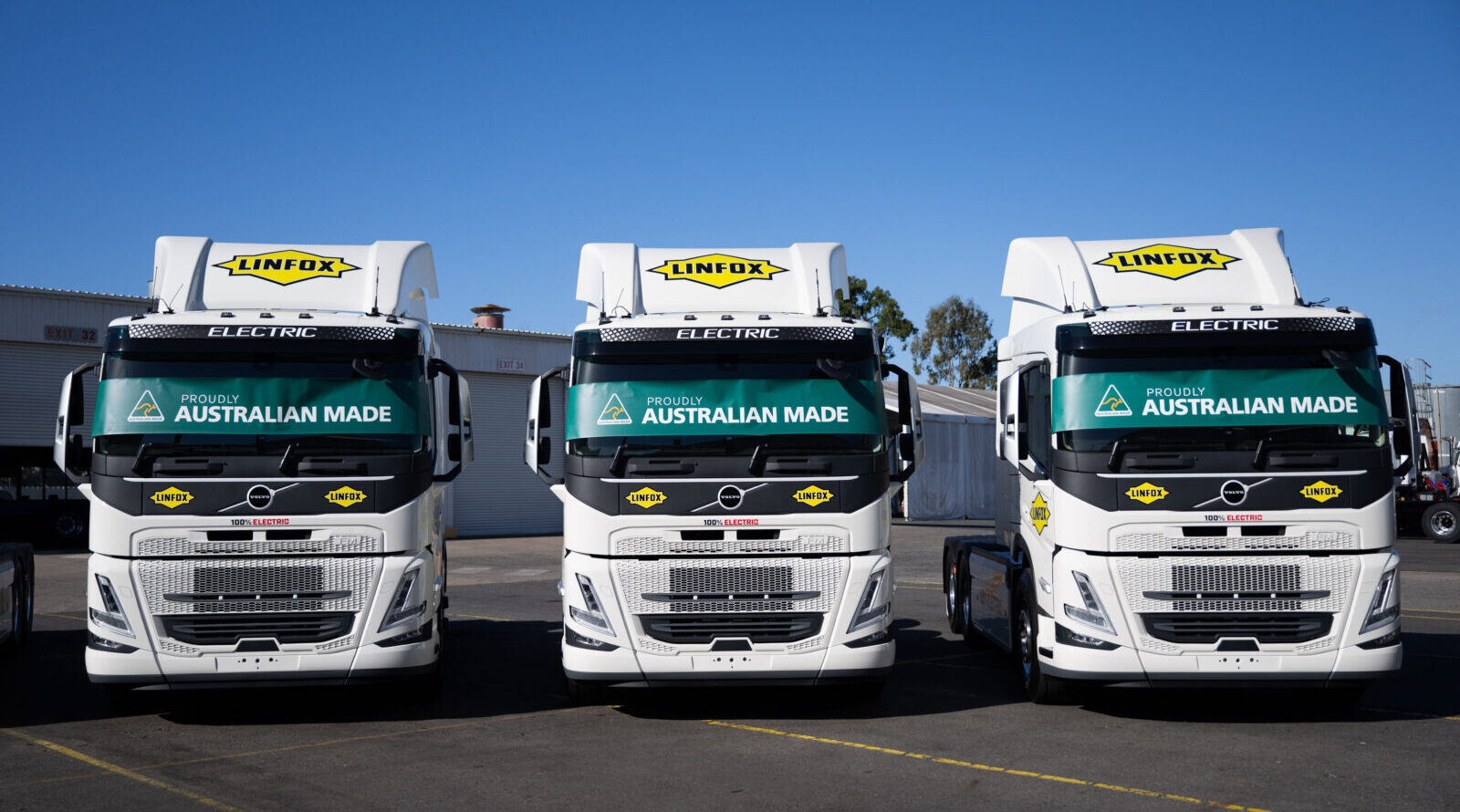
Executives call for more chargers and subsidies to scale low-emission trucking in Korea Per-Erik Lindstrom, senior vice president of Volvo Trucks International, speaks during an interview held in Seoul on Tuesday. (Volvo Trucks Korea) The technology for electric trucks and other low-emission solutions is ready, but deployment remains constrained by policy and infrastructure gaps, says Volvo Trucks, calling on the South Korean government for stronger support for charging infrastructure and incentives."The solutions are there. Sustainable solutions are available in the market, but we need to scale it now, and it requires incentives and also investment in infrastructure,” Per-Erik Lindstrom, senior vice president of Volvo Trucks International, said during an interview with The Korea Herald on Tuesday in Seoul. He is in the country to mark the 30th anniversary of Volvo Trucks Korea.Lindstrom described the situation as a “Catch-22." While Volvo has developed trucks capable of ultrafast charging at up to 700 kilowatts, the charging infrastructure is needed to support large-scale deployment. The same goes for hydrogen trucks and other alternative energy sources.“We are taking this extremely serious, and we are investing heavily, but we can’t do it on our own,” he said. “We need to work together as a society to reduce the CO2 emissions.”Volvo Trucks Korea President Park Gang-serk echoed the view, saying the Korean government’s subsidies for electric heavy-duty trucks remain insufficient, calling for adequate policy support.“For commercial vehicle industry, reducing carbon emissions is not a choice, but a must,” said Park. "Customers may want to purchase electric trucks, but without realistic subsidies, they simply cannot afford them. If demand remains low, manufacturers cannot achieve the scale needed to lower costs, creating a vicious cycle that slows the transition.” From left: Johan Selven, vice president of sales and marketing at Volvo Trucks International; Per-Erik Lindstrom, senior vice president of Volvo Trucks International; and Park Gang-serk, president of Volvo Trucks Korea, pose for a photo in Seoul on Tuesday as Volvo Trucks Korea is celebrating its 30th anniversary this year. (Volvo Trucks Korea) The remarks come as Volvo Trucks launched its new generation of electric trucks in April. FH Aero Electric is capable of driving up to 700 kilometers on a single charge while hauling loads up to 48 metric tons.Lindstrom said the company is working to bring the vehicle to South Korea after completing local certification procedures.The company said the FH Aero Electric is expected to launch in Korea next year. However, the final specification may differ from the European version due to regulatory differences.Volvo Trucks’ future strategy is not solely focused on going full electric, but pursuing what it calls a three-pronged strategy of encompassing internal combustion engines with renewable fuel, battery-electric and fuel cells, including hydrogen.The company said combustion engines would continue to play an important role for years, particularly when paired with renewable fuels such as biodiesel, hydrotreated vegetable oil, biogas and biomethane.Volvo has sold more than 6,000 electric trucks across 50 countries since beginning commercial production in 2019. The vehicles have collectively logged more than 400 million kilometers in customer operations worldwide.Hydrogen fuel-cell technology remains part of the company's long-term roadmap, though Lindstrom acknowledged that commercialization will take longer because of high costs.As for the autonomous trucks, Volvo is investing heavily through its dedicated division, Volvo Autonomous Solutions.Its autonomous trucks are already operating on Texas highways and in Norwegian mining operations.Executives believe autonomous technology is "mature enough" to be used in repetitive routes such as highways, ports and logistics hubs, but widespread deployment in urban environments remains years away.“Drivers will continue to play a very important role for transportation over quite a long time,” said Johan Selven, vice president of sales and marketing at Volvo Trucks International, noting that autonomous driving would likely first take hold in repetitive, predictable routes before eventually reaching city distribution, which he said would “take some time.”Reflecting on Volvo Trucks' decades in Korea since entering the market in 1996, executives described the country as a demanding and influential market that has helped shape the company’s global products, services and customer support strategies.“South Korea is a very important market and (with) very demanding customers,” said Lindstrom. “The Korean market is helping us further develop our product offering and also how we can excel in service and sales.”Volvo Trucks Korea has maintained its position as the leading imported truck brand in the country, with a roughly 44 percent share of the imported commercial vehicle market and about 24 percent of the overall heavy-duty truck market, according to the company.The company credited its success to product quality, safety leadership and an extensive service network that now spans 31 locations nationwide.Volvo also emphasized the role of Korean partners in its electrification strategy. Volvo's electric trucks are powered by batteries supplied by Samsung SDI, a strategic partnership Park said has played a critical role in the commercialization of battery-electric heavy-duty trucks since 2019.Volvo Trucks Korea is also collaborating with Korean charging infrastructure provider Chaevi to build charging networks for commercial vehicles.
The technology is ready: Volvo Trucks seeks more EV support
The technology for electric trucks and other low-emission solutions is ready, but deployment remains constrained by policy and infrastructure gaps, says Volvo T
828 words~4 min read