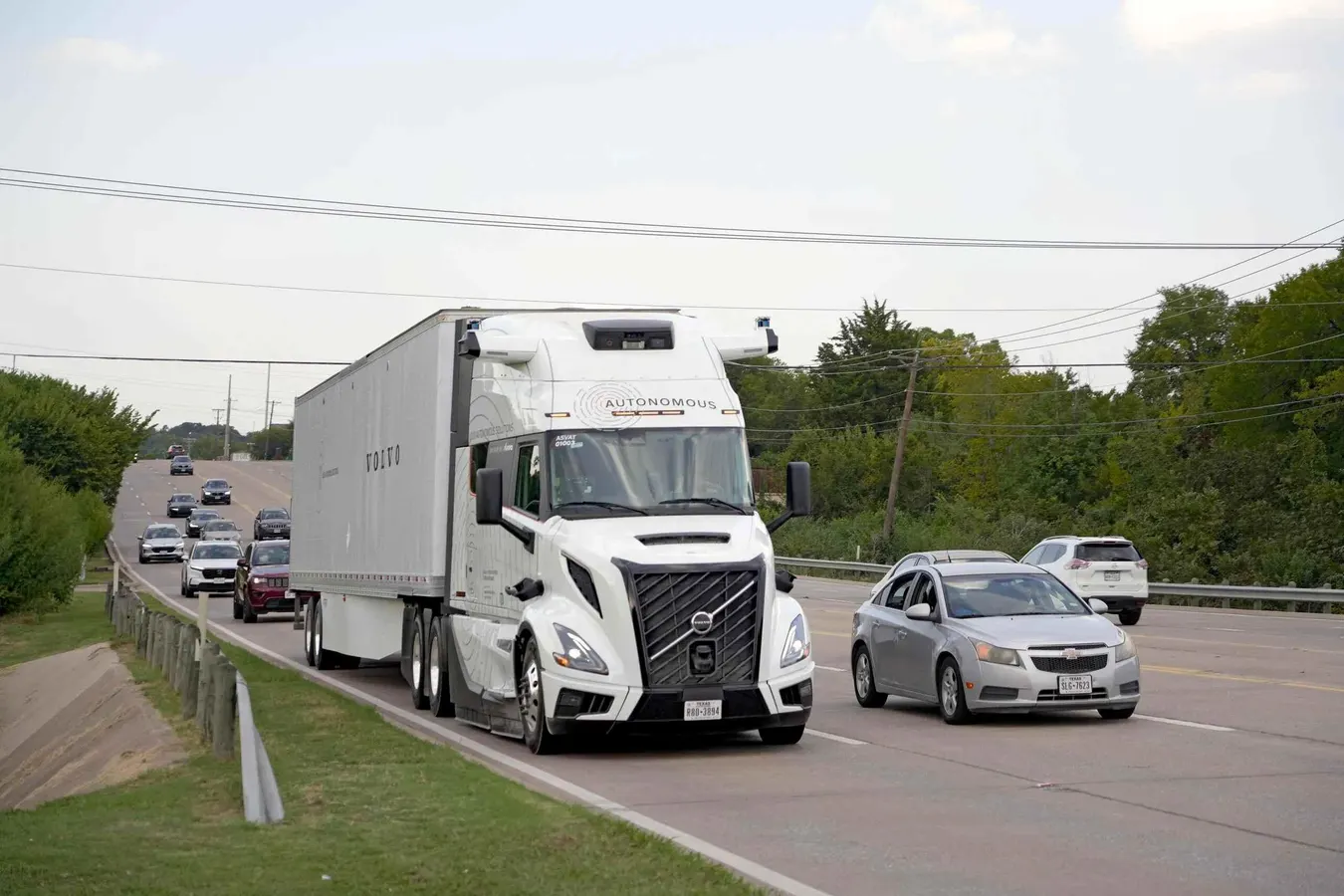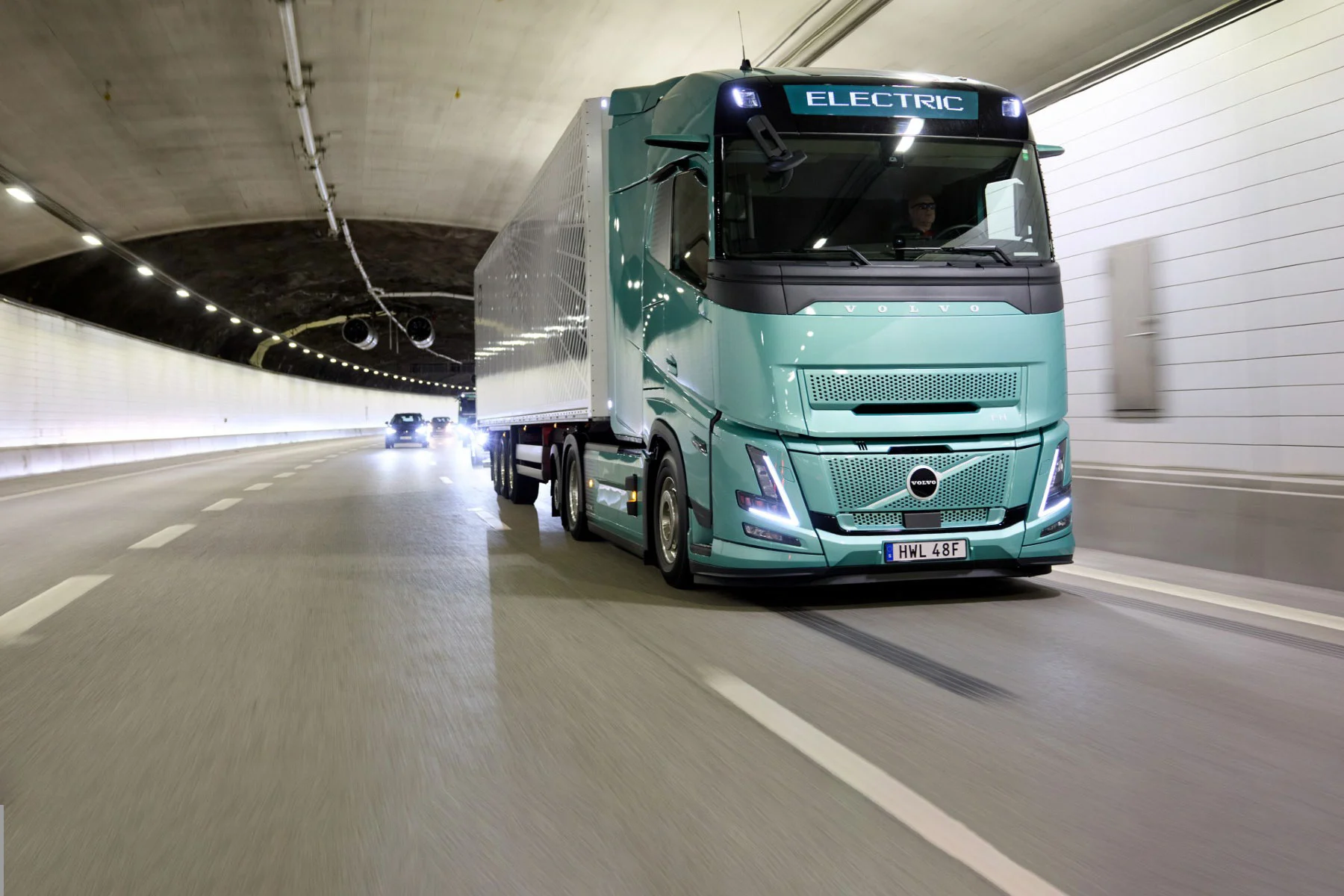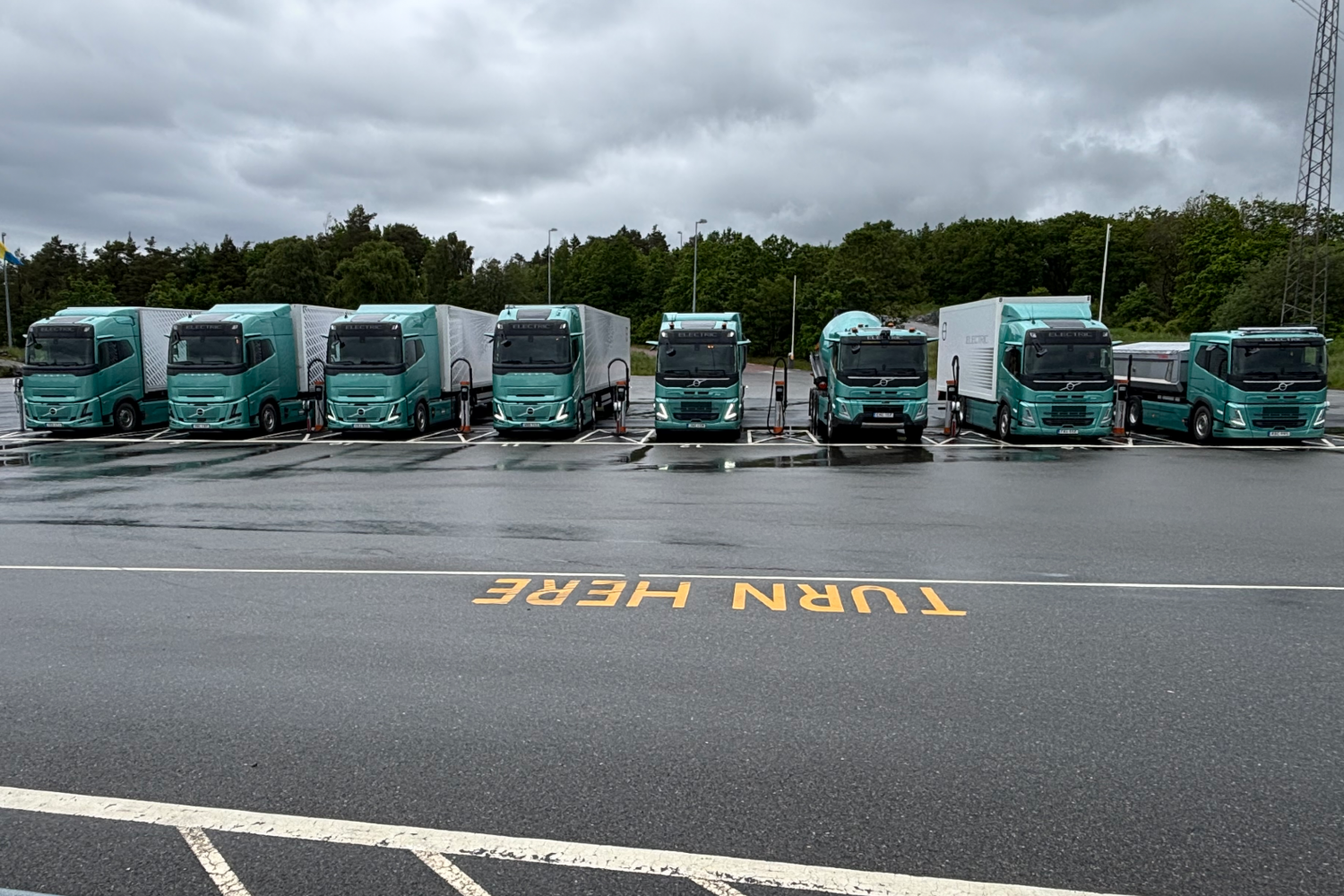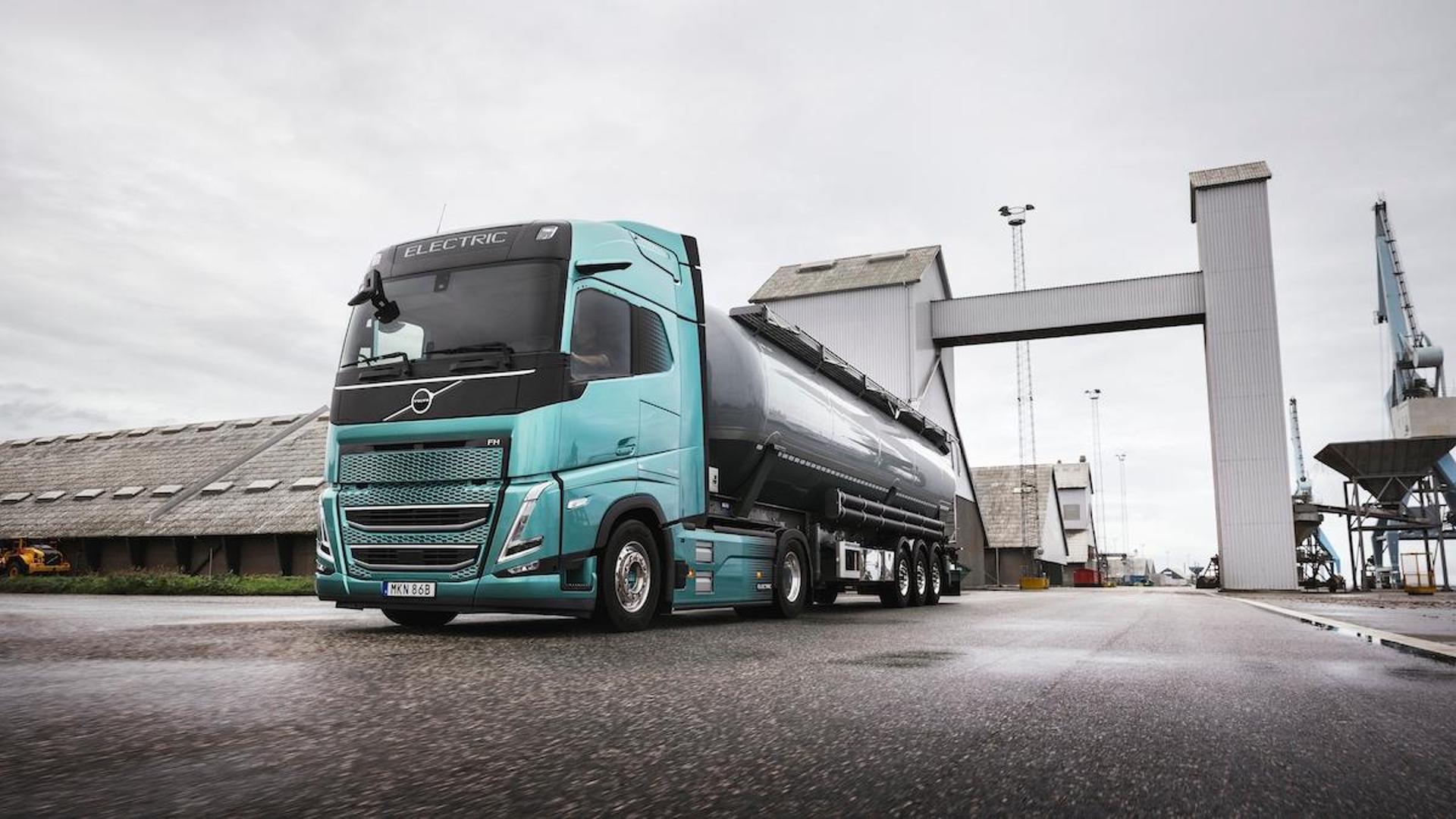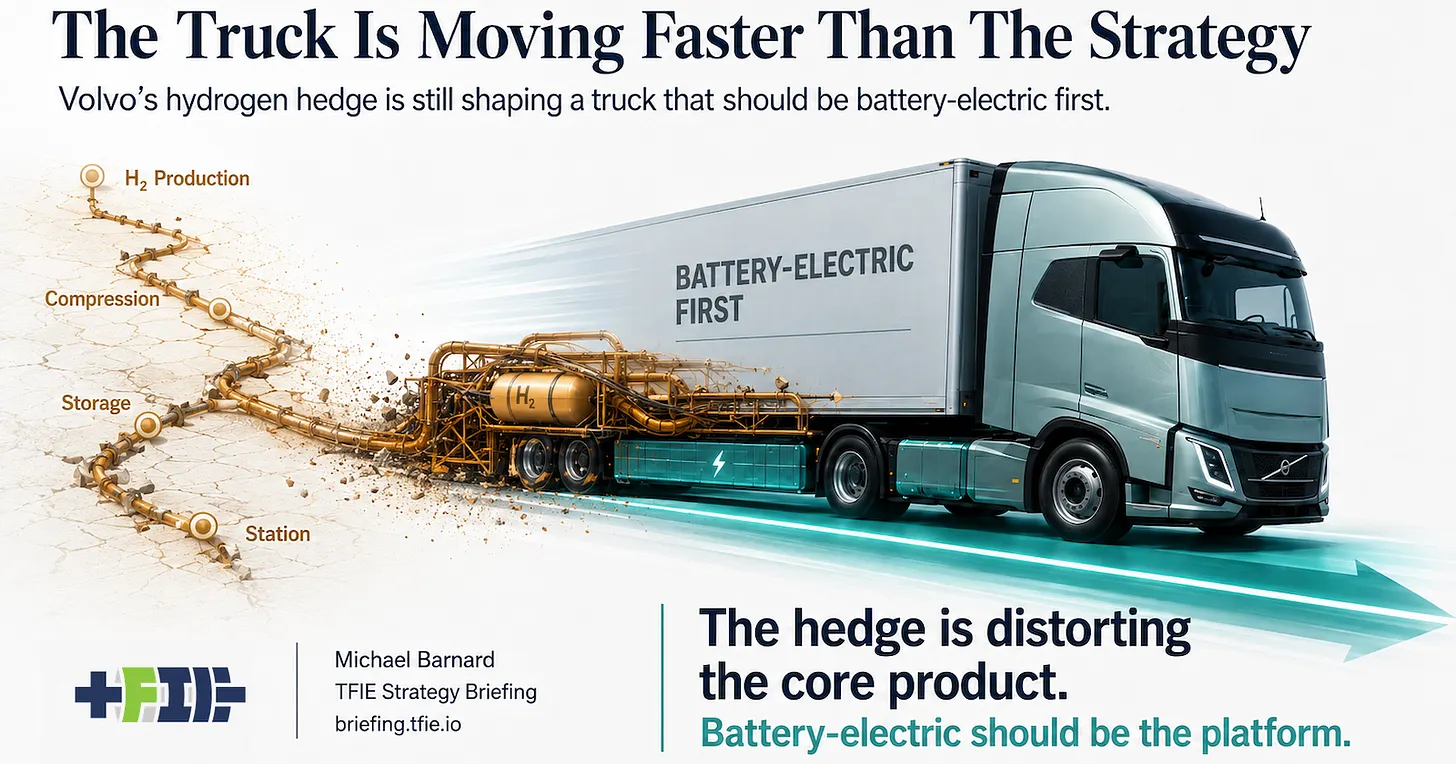
Volvo’s long-range electric truck shows where freight architecture is moving: batteries and charging at the center, hydrogen forced to prove exceptions.
Support CleanTechnica's work through a Substack subscription or on Stripe.
Volvo’s new FH Aero Electric is the kind of truck legacy manufacturers used to imply battery-electric trucking could not really become. It claims up to 700 kilometers of range, carries up to 725 kWh of usable battery energy, supports megawatt charging, and uses a new e-axle to free more chassis space for batteries.
That is the product signal. The strategic problem is that Volvo is still presenting road freight through a multi-drivetrain strategy that preserves hydrogen combustion and fuel cells as peer options, even as its own electric truck shows how much of the long-haul problem batteries are taking away.
The FH Aero Electric is not magic. Range still depends on weather, weight, wind, route, driver behavior and the usual truck realities. But the discussion has changed. This is no longer mainly a question of whether battery-electric trucks can handle meaningful freight. It is a question of which routes, charging assets, grid connections and fleet operating patterns get electrified first.