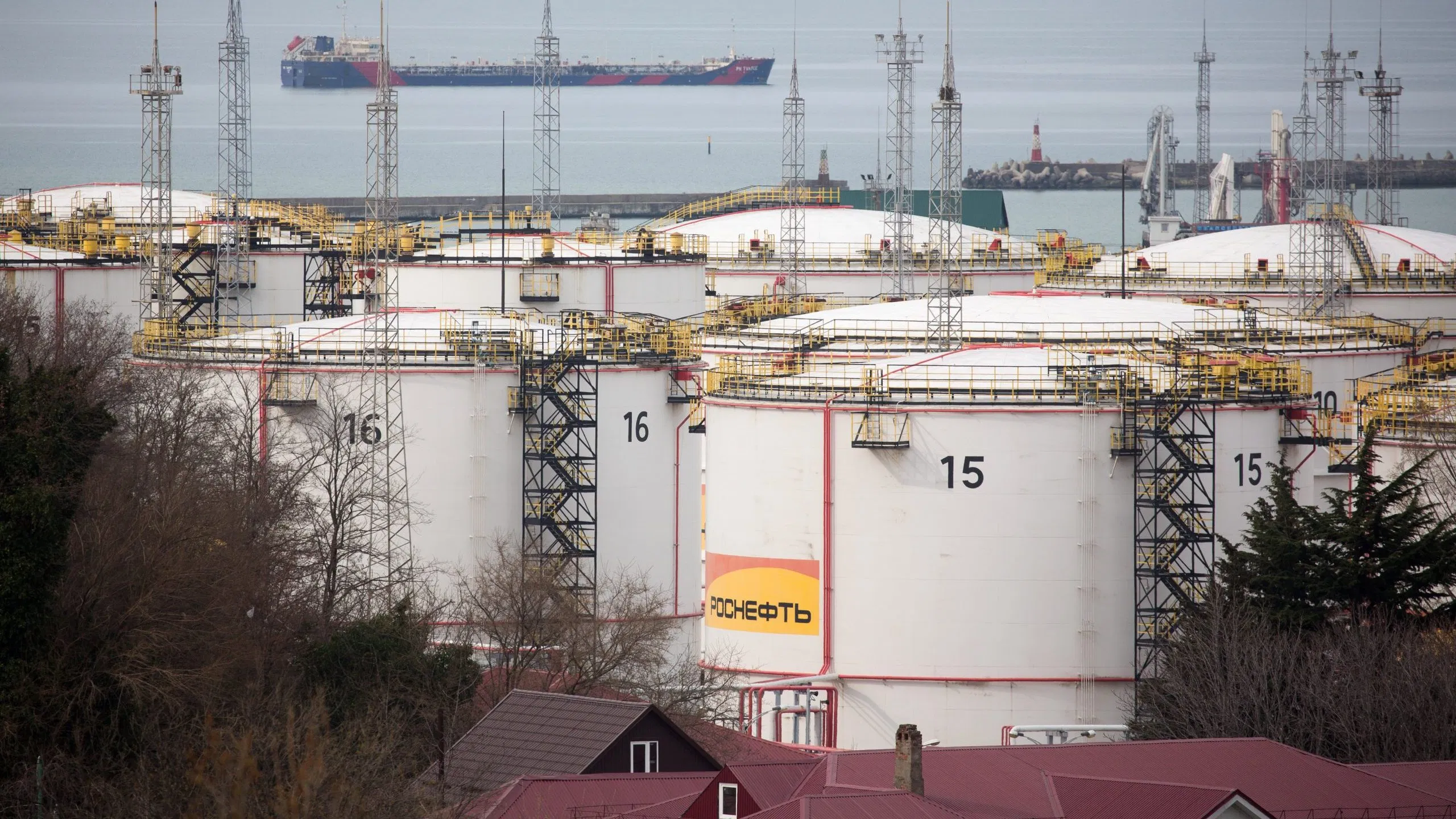
The European Union is weighing a proposal to push back the next scheduled review of its Russian crude oil price cap from July 2026 to January 2027. The move would freeze the cap at its current level of $44.10 per barrel, preventing an upward adjustment that could hand Moscow a revenue lifeline at a particularly inconvenient time.
How the cap got here
The G7 originally established a $60 per barrel price cap on Russian crude back in December 2022. The idea was straightforward: let Russian oil keep flowing to prevent a global supply shock, but limit how much the Kremlin could pocket per barrel.
The EU later layered on a dynamic mechanism, effective since 2025, that recalculates the cap based on the average price of Urals crude over a set period. The formula generally targets a level about 15% below that average. In practice, that meant the cap landed at $47.60 per barrel in September 2025, then dropped further to $44.10 per barrel on February 1, 2026.
The previous cap of $47.60 had only been in place since January 15, 2026, before being lowered again just weeks later.