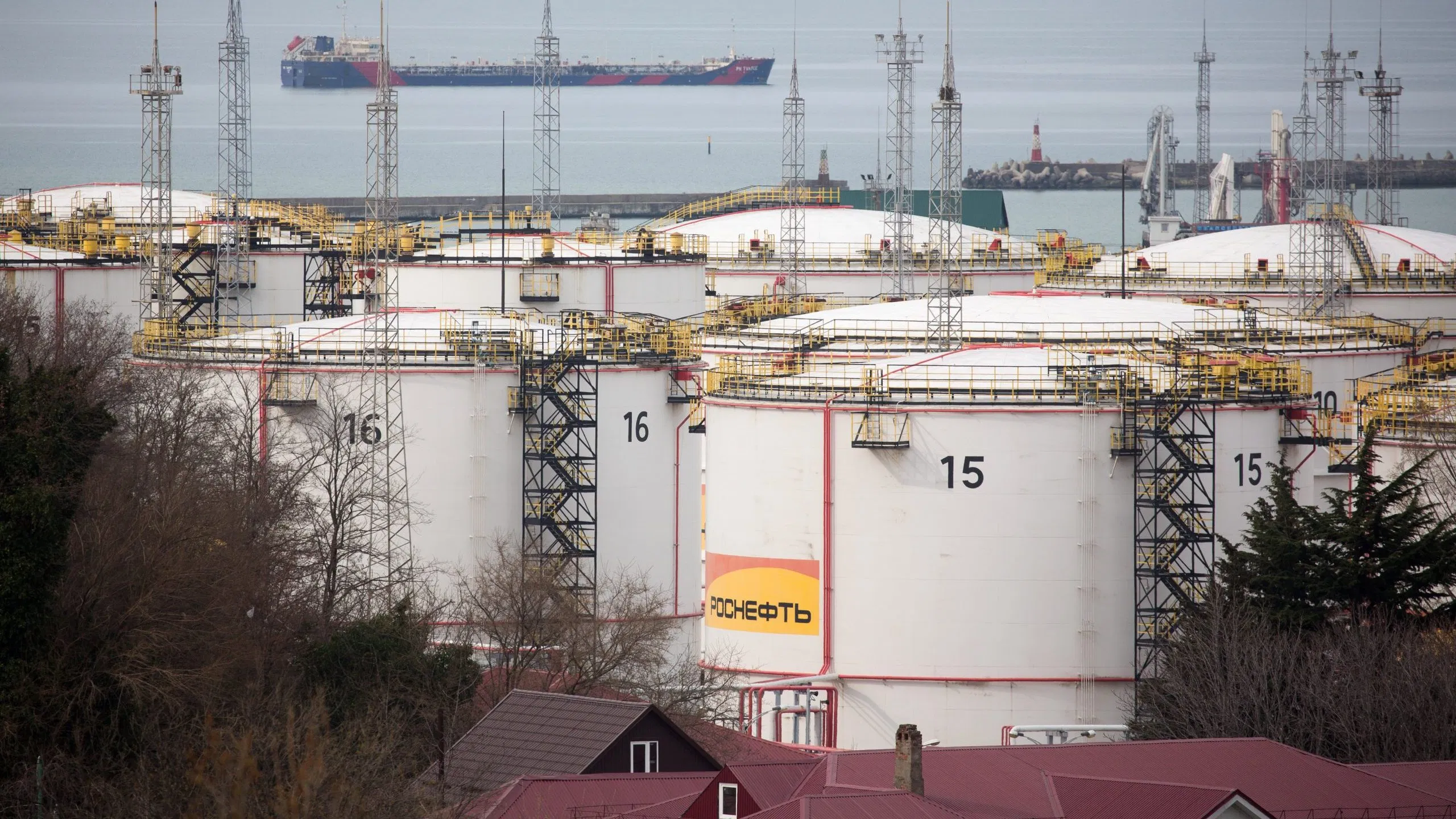
The European Union is weighing a temporary freeze on its Russian oil price cap as the Iran conflict sends shockwaves through global energy markets.
The EU and the United Kingdom already lowered the Russian crude oil price cap to $44.10 per barrel, effective February 1, 2026. That figure represents 85% of the average price from the previous three months, a formula designed to keep Russian oil flowing while starving the Kremlin of windfall profits. But with Brent crude peaking above $100 amid the Iran conflict, the math behind that cap is getting increasingly uncomfortable for European policymakers.
A sanctions regime under pressure
The European Commission delayed a proposal for a permanent ban on Russian oil imports in March 2026 precisely because of the price surges tied to Middle East tensions.
The United States issued temporary sanctions waivers on certain Russian oil at sea, extending through April 11, 2026. Washington’s rationale was straightforward: prevent supply disruptions that could spike prices further.